Watermelon

Fruit

Watermelon

Watermelon is a wonderful first fruit for babies! Its sweet, juicy flavor and soft texture make it easy for little ones to enjoy, and it's packed with hydration and nutrients that support healthy growth. The high water content helps keep babies hydrated, especially on warm days, while providing essential vitamins and minerals.1

PPippin Feeding TeamReviewed by feeding specialists · Updated January 2026
First age6m+
CategoryFruit
Common allergenNo
Choking riskLow

When can babies eat Watermelon?

You can introduce watermelon around 6 months, when your baby starts solids. It's a great option for early eaters because it's naturally soft and easy to mash or puree.

Storage tip

Store whole watermelon at room temperature for up to a week, or refrigerate cut pieces in an airtight container for 3-4 days. For longer storage, puree and freeze in ice cube trays for up to 2 months.

How to serve Watermelon by age

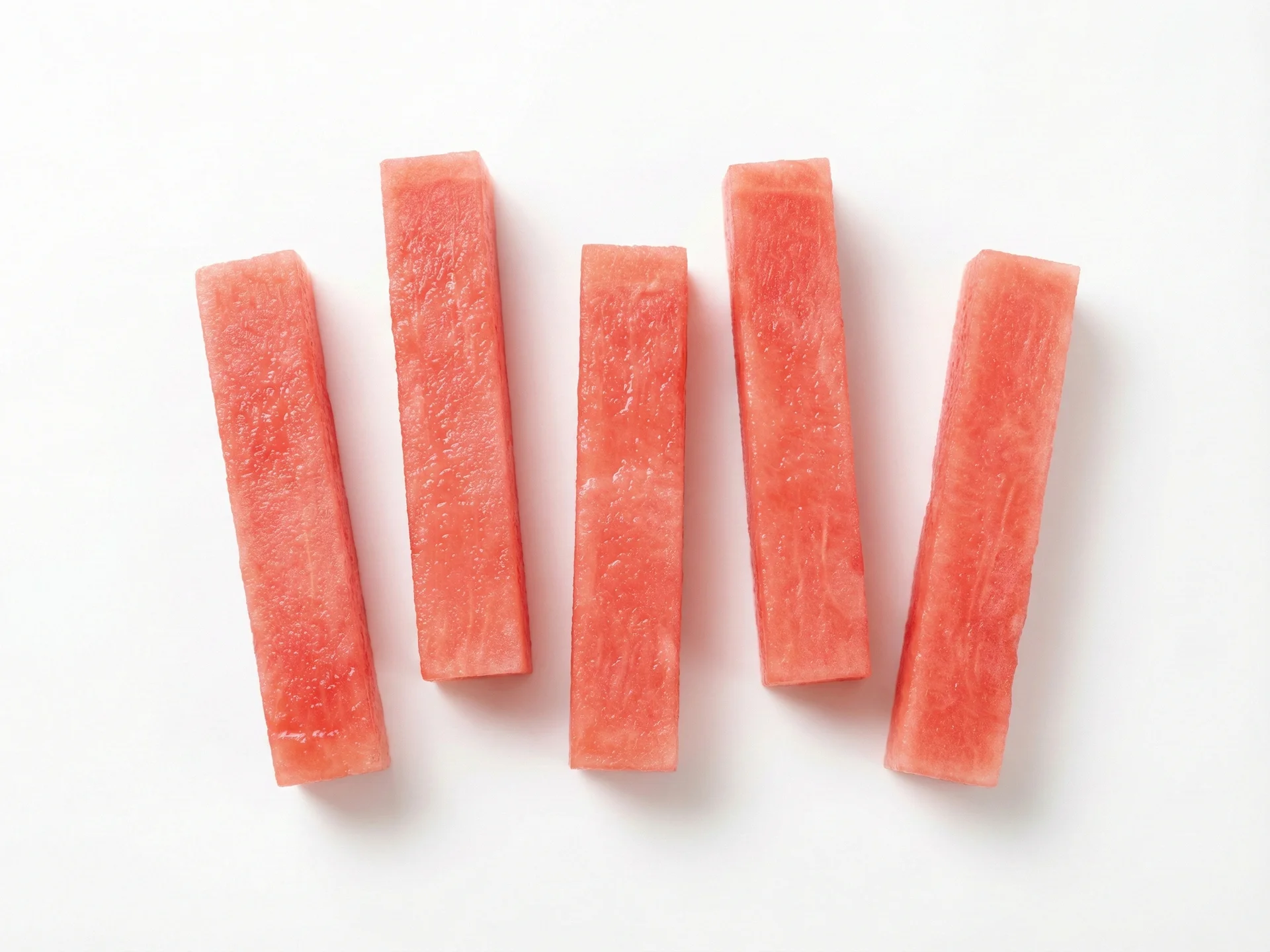
For babies 6-9 months, cut watermelon into large, rectangular sticks (about the size of two adult fingers) with the rind removed. This shape is easy for babies to grasp and gum, allowing them to suck on the juicy flesh safely.6 to 9 months

For babies 6-9 months, cut watermelon into large, rectangular sticks (about the size of two adult fingers) with the rind removed. This shape is easy for babies to grasp and gum, allowing them to suck on the juicy flesh safely.

  • Remove all seeds thoroughly.
  • Cut into sticks about 2-3 inches long.
  • Serve at room temperature or slightly chilled.
  • Supervise closely during eating.
  • Offer on a high chair tray for easy access.
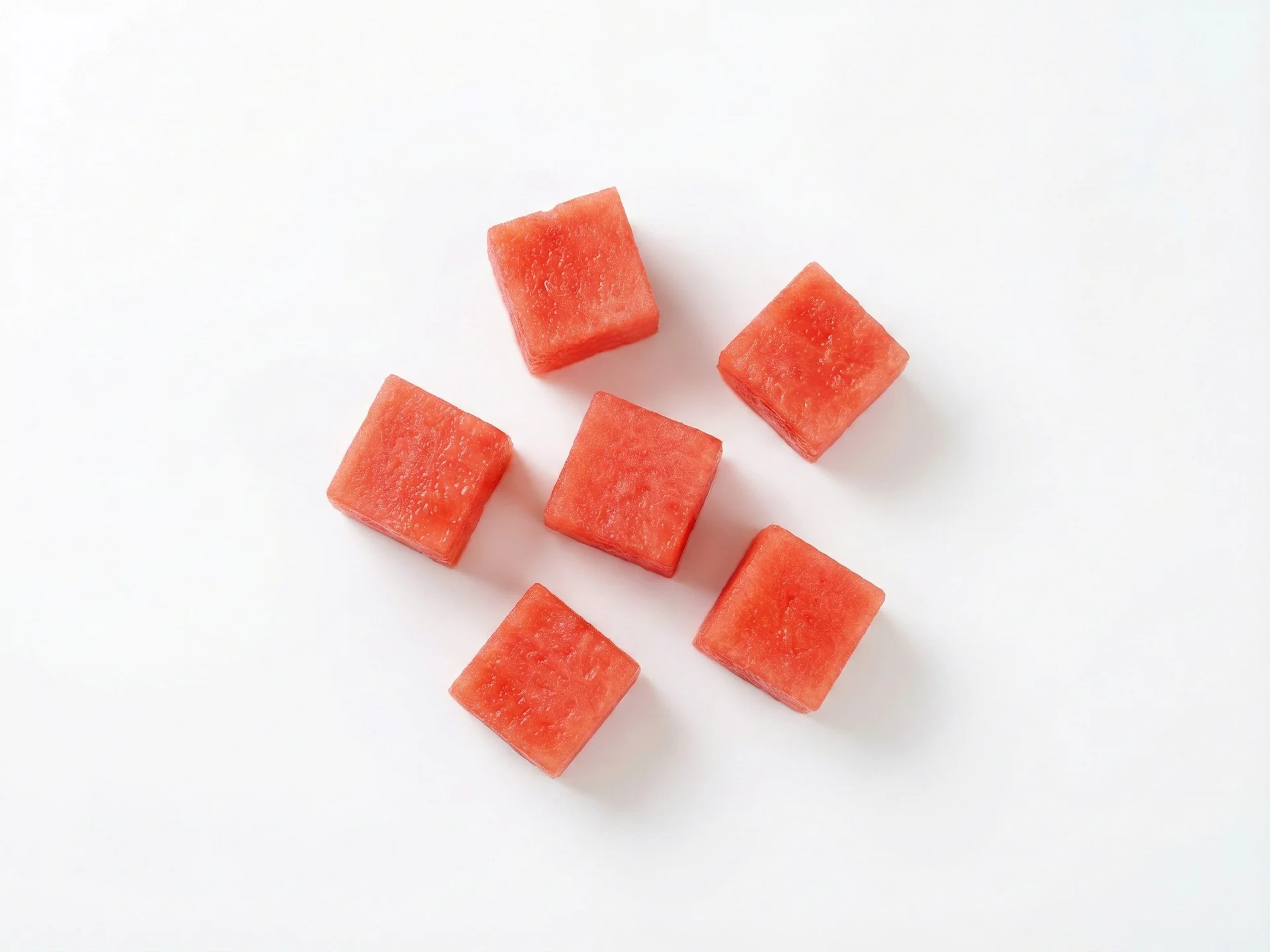
For babies 9 months and up, you can offer smaller, bite-sized cubes (about 1/2 inch) as their pincer grasp develops. Ensure pieces are soft and seed-free to encourage self-feeding and reduce choking risk.9 months +

For babies 9 months and up, you can offer smaller, bite-sized cubes (about 1/2 inch) as their pincer grasp develops. Ensure pieces are soft and seed-free to encourage self-feeding and reduce choking risk.

  • Cut into small, manageable cubes.
  • Mix with other soft fruits like banana or avocado.
  • Use as a finger food in meals or snacks.
  • Chill for a refreshing treat in hot weather.
  • Avoid adding sugar or sweeteners.

Safety & allergens

Choking risk: Low

Watermelon is naturally soft and low-risk, but always remove all seeds and cut it appropriately for your baby's age. For younger babies, puree or mash it thoroughly to avoid any firm chunks. Supervise your baby closely during meals.

Not a common allergen

Watermelon is not a top allergen. As with any new food, offer it on its own and watch for any reaction.

Vitamins & minerals

Watermelon is rich in vitamin C, which supports a healthy immune system and helps with iron absorption from other foods.2 It also contains vitamin A for good vision and skin health, and potassium to help maintain proper fluid balance in the body.3

Vitamins
Vitamin AVitamin CVitamin B1Vitamin B5Vitamin B6
Minerals
PotassiumMagnesium

Nutritional synergy

Pair watermelon with iron-rich foods like spinach or lentils, as the vitamin C in watermelon enhances iron absorption.2

Common questions

How do I pick a ripe watermelon?

Look for a watermelon that feels heavy for its size and has a creamy yellow spot on one side (where it rested on the ground). Gently tap it—a ripe one will sound hollow. Avoid fruits with soft spots or bruises.

What if my baby doesn't like watermelon at first?

It's common for babies to need multiple exposures to accept a new food. Try offering small amounts mixed with familiar foods, like yogurt or oatmeal. Don't force it—keep mealtimes positive and try again in a few days.

Can I give watermelon to help with constipation?

Yes, watermelon's high water and fiber content can aid digestion and help prevent constipation in babies.4 Always introduce new foods gradually and consult your pediatrician if you have concerns about your baby's digestion.

Sources & references

  1. 1USDA FoodData Central, 2024
  2. 2Lynch et al., 2018
  3. 3National Institutes of Health, 2023
  4. 4Mugie et al., 2011