Egg

Protein

Egg

Eggs are a fantastic first protein for your baby, offering a soft, easy-to-mash texture and a mild flavor that many little ones enjoy. They're packed with high-quality protein for growth and development1, plus essential vitamins and minerals that support brain health and immune function2. The yolks are especially rich in nutrients that help with vision and cognitive development3.

PPippin Feeding TeamReviewed by feeding specialists · Updated July 2026
First age6m+
CategoryProtein
Common allergenYes
Choking riskLow

When can babies eat Egg?

You can introduce eggs around 6 months when starting solids, as recommended by many pediatric organizations. Early introduction may actually help reduce the risk of developing an egg allergy4.

Storage tip

Store eggs in their original carton in the refrigerator for up to 3-5 weeks. Hard-boiled eggs should be eaten within one week. Always check for cracks before using.

How to serve Egg by age

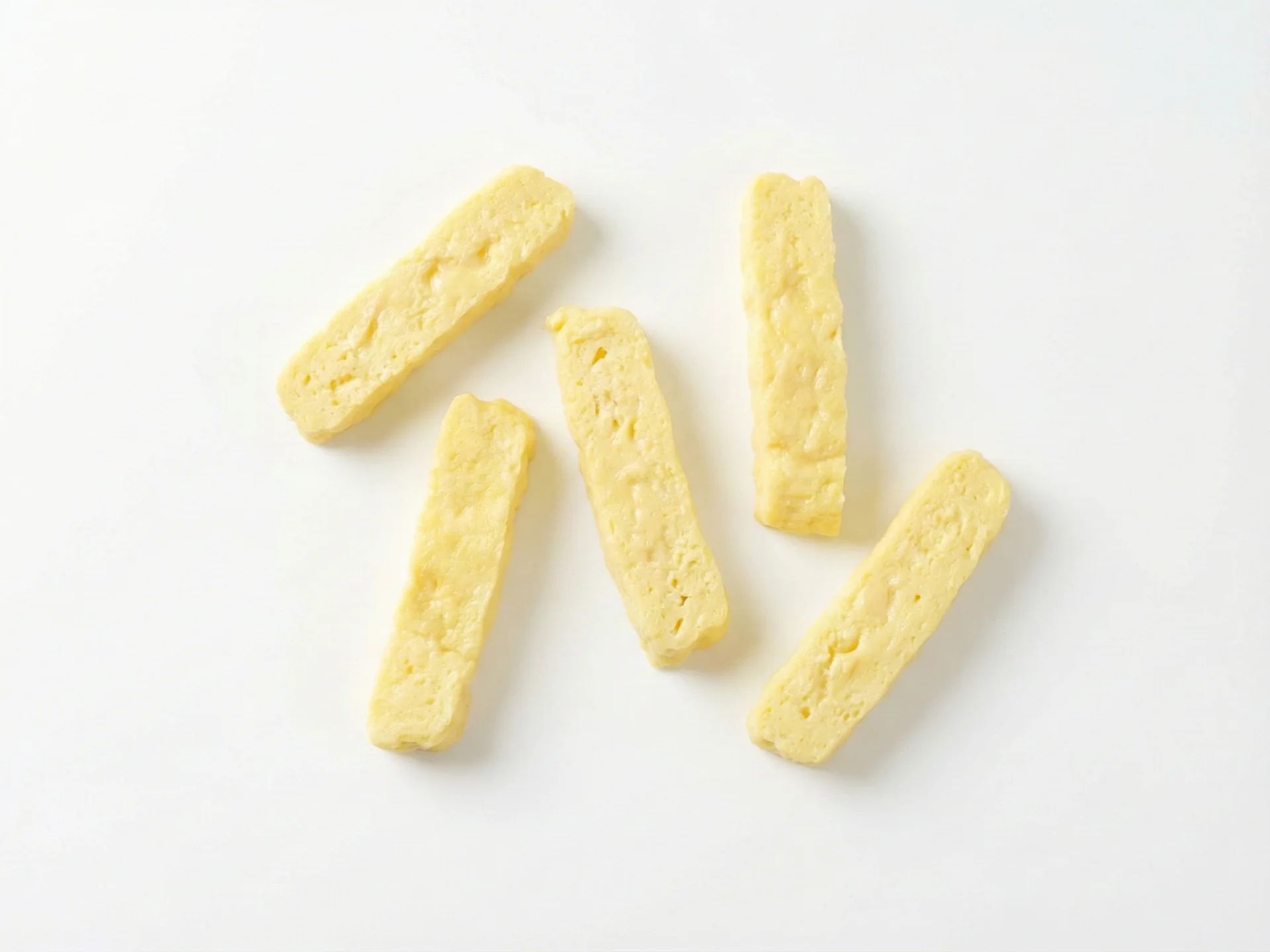
For 6-9 months, serve eggs soft-cooked and easy to grasp. Scramble eggs until fully cooked and slightly moist, or hard-boil and mash the yolk with a fork. Offer in palm-sized strips or small, soft mounds that your baby can pick up with their whole hand.6 to 9 months

For 6-9 months, serve eggs soft-cooked and easy to grasp. Scramble eggs until fully cooked and slightly moist, or hard-boil and mash the yolk with a fork. Offer in palm-sized strips or small, soft mounds that your baby can pick up with their whole hand.

  • Scramble eggs without salt or sugar for a simple first taste.
  • Mash hard-boiled yolk with breast milk or formula for a smoother texture.
  • Cut scrambled eggs into finger-sized strips for easy gripping.
  • Ensure eggs are cool enough to handle but still soft.
  • Supervise closely to prevent overstuffing.
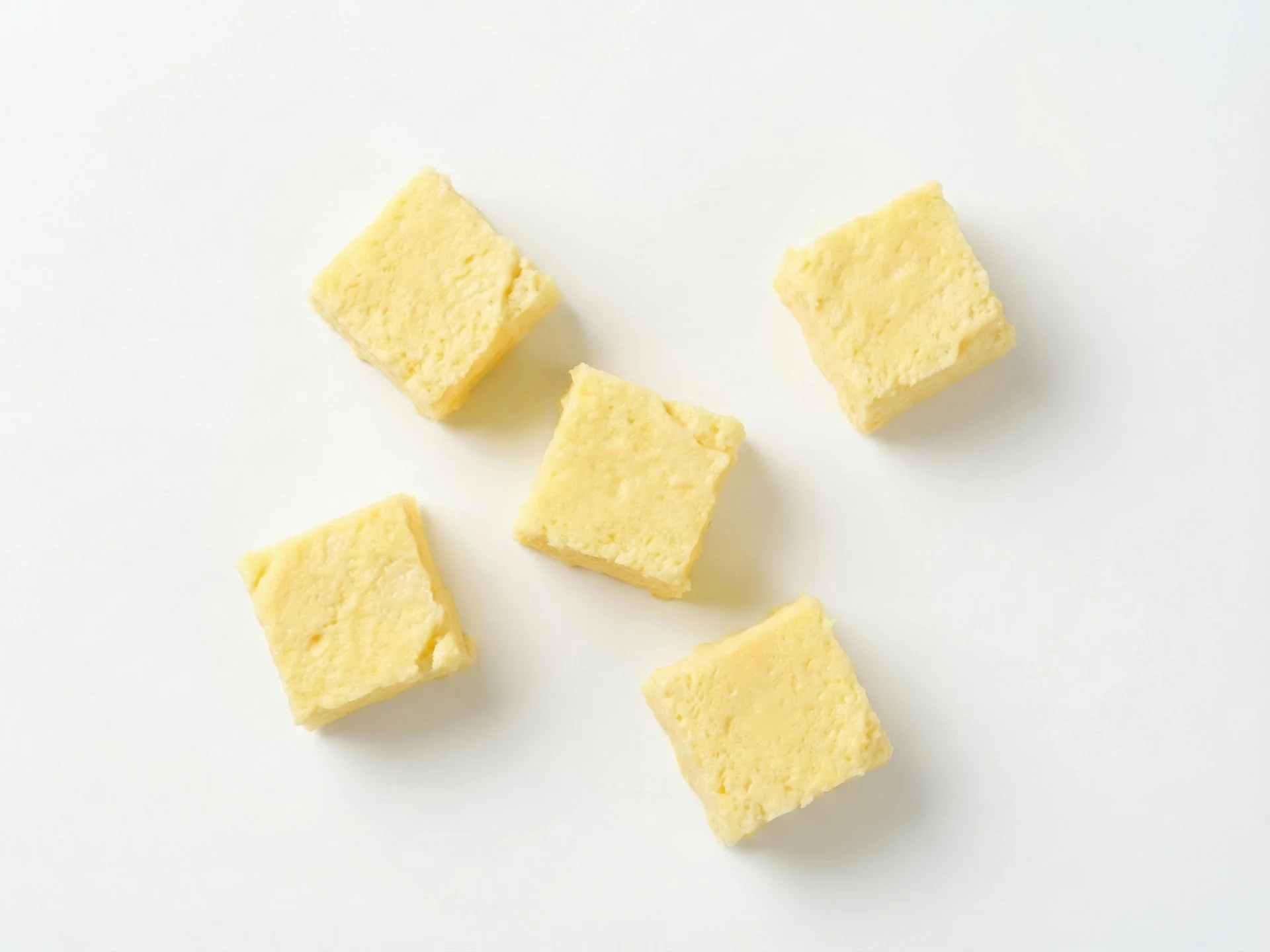
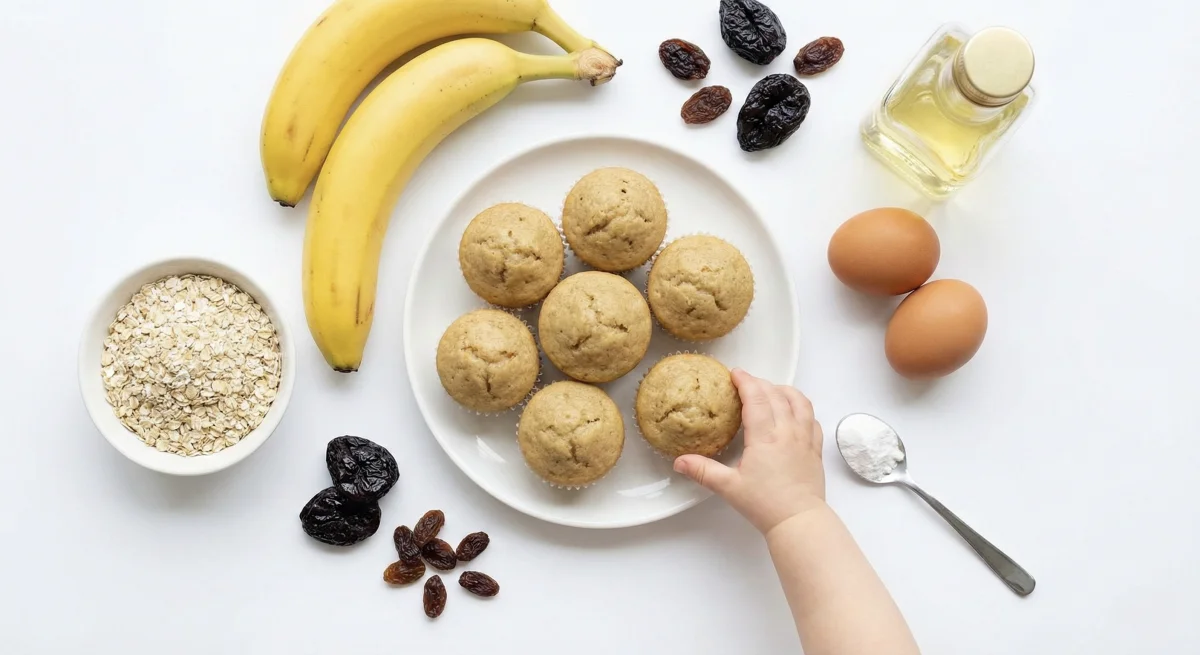
For 9-12 months, as pincer grasp develops, offer smaller, bite-sized pieces. Dice hard-boiled eggs or cut scrambled eggs into small cubes. You can also introduce soft-cooked omelet strips or egg muffins with added veggies for variety.9 to 12 months

For 9-12 months, as pincer grasp develops, offer smaller, bite-sized pieces. Dice hard-boiled eggs or cut scrambled eggs into small cubes. You can also introduce soft-cooked omelet strips or egg muffins with added veggies for variety.

  • Mix diced eggs with avocado or yogurt for added moisture.
  • Try egg muffins with spinach or cheese for nutrient-packed snacks.
  • Encourage self-feeding with a spoon by serving scrambled eggs in a bowl.
  • Avoid adding salt; use herbs like dill for flavor.
  • Monitor for any signs of choking with firmer textures.
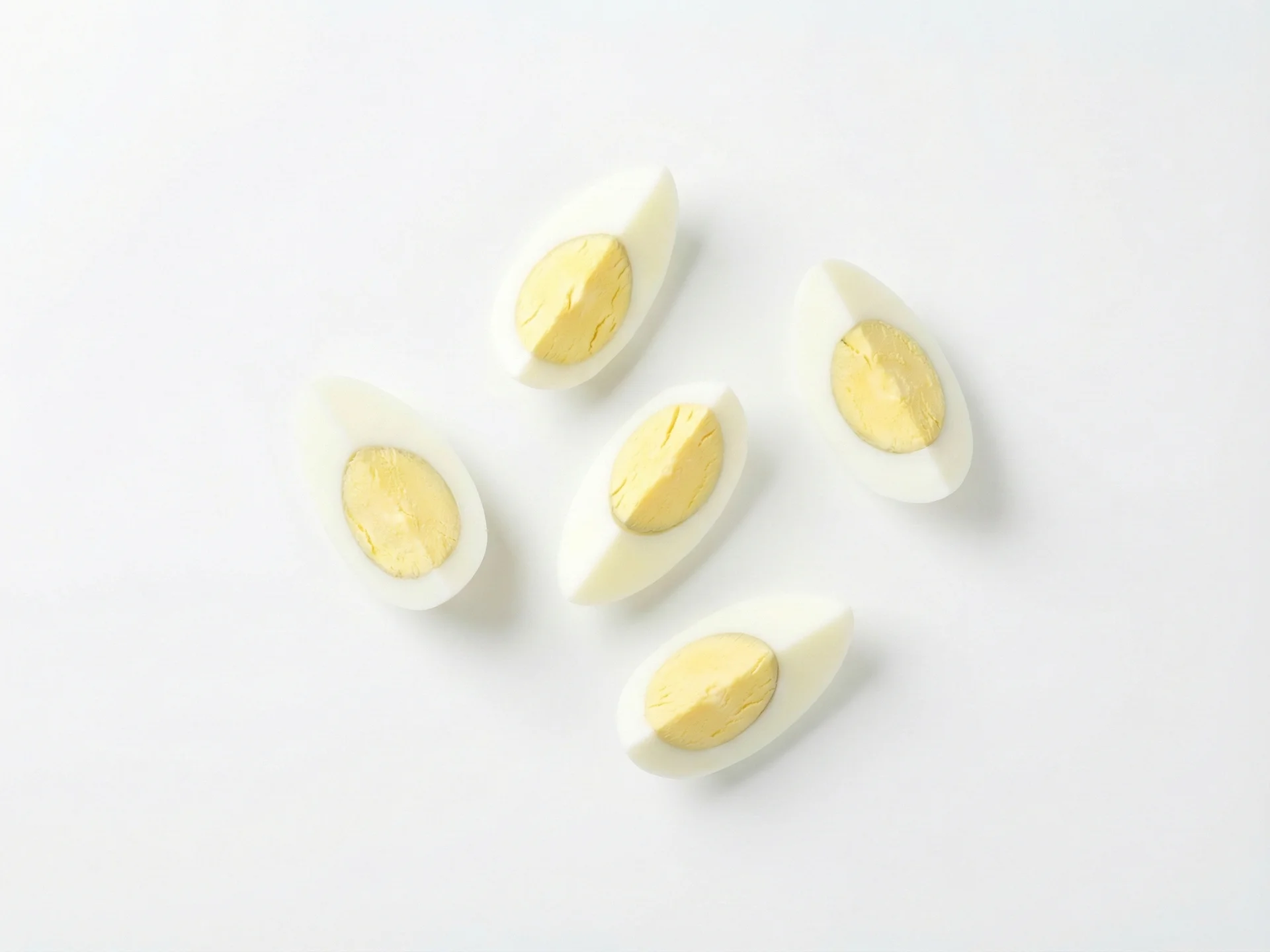
For 12 months and up, eggs can be served in more diverse forms as chewing skills improve. Offer hard-boiled egg quarters, egg salad on toast, or frittata slices. Ensure pieces are still manageable to reduce choking risk, and incorporate into family meals.12 months +

For 12 months and up, eggs can be served in more diverse forms as chewing skills improve. Offer hard-boiled egg quarters, egg salad on toast, or frittata slices. Ensure pieces are still manageable to reduce choking risk, and incorporate into family meals.

  • Make egg salad with mashed avocado instead of mayo for a healthier option.
  • Serve eggs as part of balanced meals with fruits and vegetables.
  • Introduce lightly seasoned dishes, but keep sodium low.
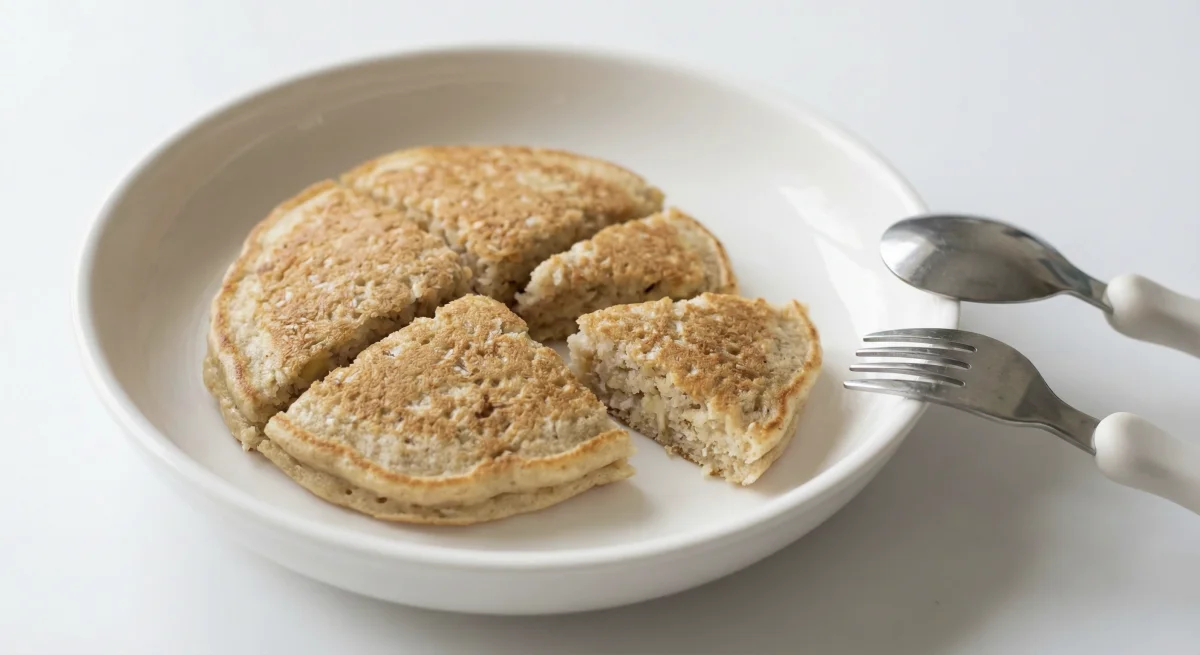
  • Use eggs in baking, like in healthy muffins or pancakes.
  • Continue to cut eggs into safe sizes until confident in chewing ability.

Safety & allergens

Choking risk: Low

Eggs are naturally soft when cooked, making them a low choking risk. For babies just starting solids, mash or puree cooked eggs to a smooth consistency. As your baby develops chewing skills, you can offer small, soft pieces of scrambled or hard-boiled egg that they can easily gum.

Common allergen

Egg allergy affects about 2% of children, making it one of the most common food allergies in infants and young children5.

Watch for symptoms:

  • Hives
  • Swelling
  • Digestive upset
  • Vomiting
  • Difficulty breathing

Start with a small amount (about ÂĽ teaspoon) of well-cooked egg and watch for any reactions for 2-3 days. If there's no reaction, gradually increase the amount. Research shows that early introduction of cooked egg may help prevent egg allergy development4. Always consult your pediatrician if you have concerns about food allergies.

Vitamins & minerals

Eggs provide complete protein containing all essential amino acids needed for your baby's growth and muscle development1. The yolks are particularly rich in choline, which supports brain development and memory function6, and lutein, which promotes healthy vision3. Eggs also contain iron in a form that's well-absorbed by babies7.

Vitamins
Vitamin AVitamin DVitamin EVitamin B2Vitamin B5Vitamin B7Vitamin B9Vitamin B12
Minerals
IronSeleniumPhosphorusZincIodine

Nutritional synergy

Pair eggs with vitamin C-rich foods like bell peppers or tomatoes to enhance iron absorption8. The healthy fats in egg yolks also help your baby absorb fat-soluble vitamins like vitamin D and vitamin E9.

Common questions

Should I introduce the yolk or white first?

Start with the yolk first, as it's less allergenic than the white and contains most of the nutrients. Once your baby tolerates the yolk well, you can introduce the white. Always cook eggs thoroughly for babies to reduce allergy risk and eliminate bacteria.

How do I know if my baby is having an allergic reaction to eggs?

Watch for symptoms like hives, swelling around the mouth, vomiting, or diarrhea within 2 hours of eating. Mild reactions might include a rash around the mouth. If you notice any concerning symptoms, stop feeding eggs and contact your pediatrician.

Can I give my baby runny or soft-boiled eggs?

No, babies should only eat fully cooked eggs until at least age 5. Cook eggs until both the yolk and white are firm to eliminate any risk of salmonella. Scrambled, hard-boiled, or well-cooked omelets are all safe options.

Sources & references

  1. 1Hoffman JR, Falvo MJ, 2004
  2. 2Réhault-Godbert S et al., 2019
  3. 3Wallace TC et al., 2018
  4. 4Ierodiakonou D et al., 2016
  5. 5Sicherer SH, Sampson HA, 2018
  6. 6Zeisel SH, 2006
  7. 7Hurrell R, Egli I, 2010
  8. 8Teucher B et al., 2004
  9. 9Borel P et al., 2013