Butter

Dairy

Butter

Butter is a creamy, delicious dairy product that can add flavor and healthy fats to your baby's meals. It's a good source of fat-soluble vitamins like Vitamin A, which supports healthy vision and immune function1, and Vitamin D, which helps with calcium absorption for strong bones2. The smooth texture and rich taste make it an easy addition to many baby foods.

PPippin Feeding TeamReviewed by feeding specialists · Updated January 2026
First age6m+
CategoryDairy
Common allergenYes
Choking riskLow

When can babies eat Butter?

Butter can be introduced around 6 months when starting solids, but it's important to introduce it carefully due to its dairy content. Start with a tiny amount mixed into other foods.

Storage tip

Store butter in the refrigerator for up to 1-2 months, or freeze for longer storage. Keep it wrapped tightly to prevent it from absorbing other flavors.

How to serve Butter by age

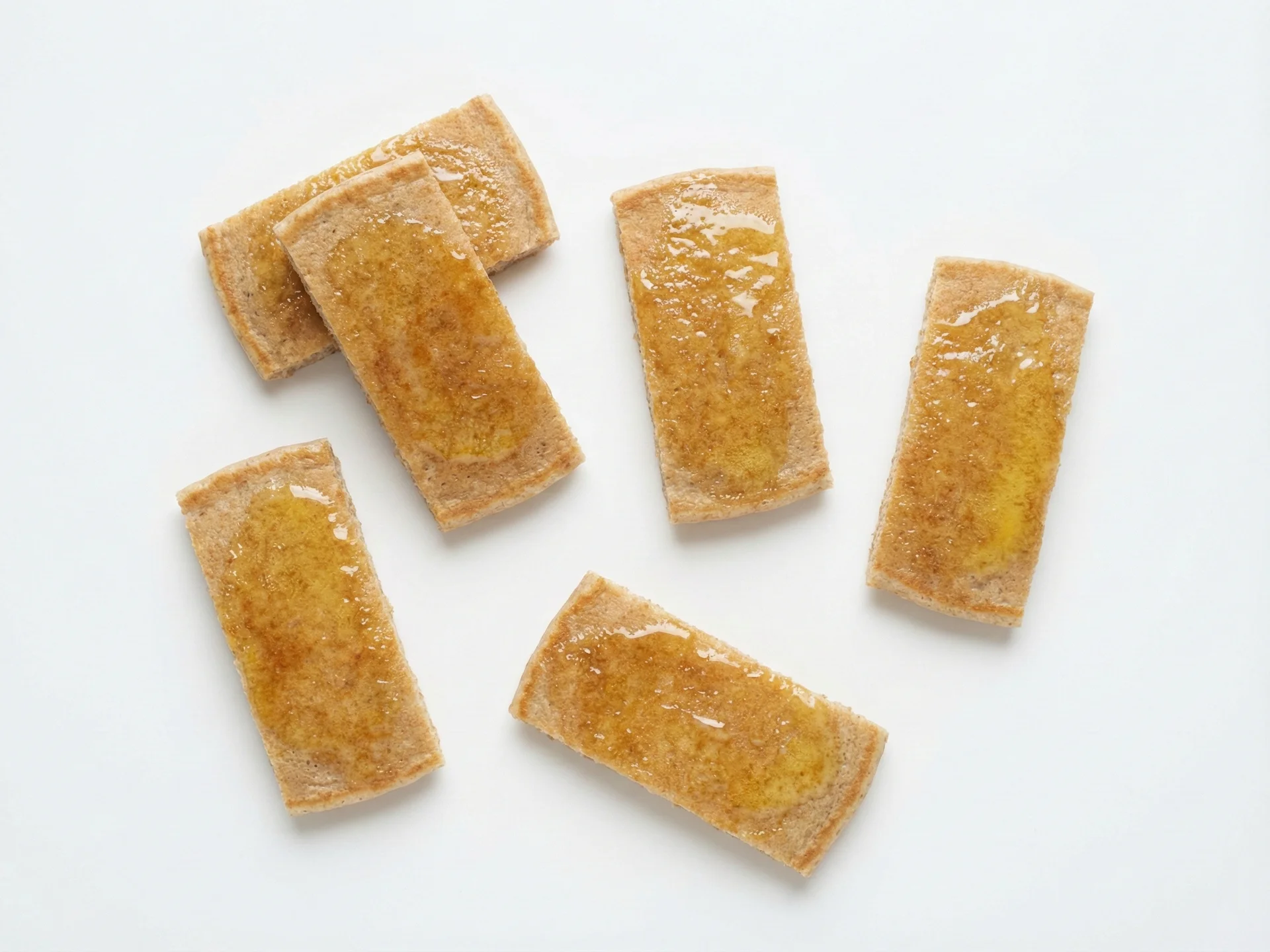
For babies 6-12 months, spread a very thin layer of softened, unsalted butter on toast strips, steamed vegetables, or whole-grain pancakes. You can also mix a small amount into mashed foods like potatoes or oatmeal to add flavor and healthy fats.6 to 12 months

For babies 6-12 months, spread a very thin layer of softened, unsalted butter on toast strips, steamed vegetables, or whole-grain pancakes. You can also mix a small amount into mashed foods like potatoes or oatmeal to add flavor and healthy fats.

  • Use unsalted butter to limit sodium intake
  • Spread butter thinly to avoid large globs that could cause gagging
  • Combine with iron-rich foods to boost absorption
  • Offer at room temperature for easier spreading and eating
  • Monitor for allergic reactions after first introduction
For toddlers 12 months and up, you can use butter more liberally in cooking, such as in scrambled eggs, on cooked grains, or as a topping for steamed veggies. Still prioritize unsalted varieties and use it in moderation as part of a varied diet.12 months +

For toddlers 12 months and up, you can use butter more liberally in cooking, such as in scrambled eggs, on cooked grains, or as a topping for steamed veggies. Still prioritize unsalted varieties and use it in moderation as part of a varied diet.

  • Incorporate butter into family meals like mashed potatoes or pasta
  • Continue to choose unsalted butter when possible
  • Use butter to sauté vegetables for added flavor and nutrients
  • Balance with other healthy fats like avocado or olive oil
  • Watch portion sizes to avoid excessive calorie intake

Safety & allergens

Choking risk: Low

Butter has a very low choking risk because it's soft and melts easily in the mouth. However, always serve it in small amounts mixed with other foods rather than as a solid chunk to ensure it's easy for your baby to swallow safely.

Common allergen

Cow's milk allergy affects about 2-3% of infants and young children3.

Watch for symptoms:

  • Hives
  • Swelling
  • Vomiting
  • Diarrhea
  • Difficulty breathing

Since butter contains milk proteins, it can trigger milk allergies. Introduce a tiny amount (like ¼ teaspoon mixed into food) and watch for reactions over 2-3 days4. Consult your pediatrician before introducing if there's a family history of dairy allergies.

Vitamins & minerals

Butter provides Vitamin A for healthy vision and immune support1, and Vitamin D which helps your baby's body absorb calcium for bone development2. The fats in butter are important for brain development and energy5. It also contains small amounts of calcium and phosphorus for strong teeth and bones.

Vitamins
Vitamin AVitamin DVitamin EVitamin K
Minerals
CalciumPhosphorusSodium

Nutritional synergy

Pair butter with vegetables like carrots or sweet potatoes to help your baby absorb their fat-soluble vitamins better6. The fat in butter can also make iron-rich foods like spinach more palatable.

Common questions

Is butter better than oil for my baby?

Both can be healthy in moderation! Butter adds flavor and vitamins A and D, while oils like olive oil provide different healthy fats. You can use small amounts of either to enhance your baby's meals.

What if my baby has a reaction to butter?

Stop feeding butter immediately and contact your pediatrician if you notice symptoms like hives, vomiting, or swelling. For mild reactions, they might recommend waiting and trying again later, but always follow medical advice.

Can I use salted or unsalted butter for my baby?

Unsalted butter is generally better for babies to limit their sodium intake. If you only have salted butter, use it sparingly and balance it with other low-sodium foods throughout the day.

Sources & references

  1. 1National Institutes of Health, Vitamin A Fact Sheet, 2021
  2. 2National Institutes of Health, Vitamin D Fact Sheet, 2021
  3. 3Sicherer et al., Food Allergy: A Review and Update on Epidemiology, Pathogenesis, Diagnosis, Prevention, and Management, 2018
  4. 4American Academy of Pediatrics, Starting Solid Foods, 2022
  5. 5Innis, S.M., Dietary (n-3) Fatty Acids and Brain Development, 2007
  6. 6Brown et al., Carotenoid Bioavailability Is Higher from Salads Ingested with Full-Fat than with Fat-Reduced Salad Dressings, 2004