Millet

Grain

Millet

Millet is a wonderful gluten-free grain to introduce to your baby, offering a gentle, slightly sweet flavor and a soft texture when cooked. It's packed with nutrients that support your little one's growth and development, making it a fantastic addition to their expanding diet. Think of it as a tiny, nutritious powerhouse that's easy on tiny tummies.

PPippin Feeding TeamReviewed by feeding specialists · Updated March 2026
First age6m+
CategoryGrain
Common allergenNo
Choking riskLow

When can babies eat Millet?

Millet can be introduced around 6 months of age when your baby starts showing readiness for solid foods. It's a great first grain, especially if you're looking for gluten-free options.

Storage tip

Store uncooked millet in an airtight container in a cool, dry pantry for up to a year. Cooked millet can be refrigerated for 3-4 days or frozen in portioned cubes for up to 2 months.

How to serve Millet by age

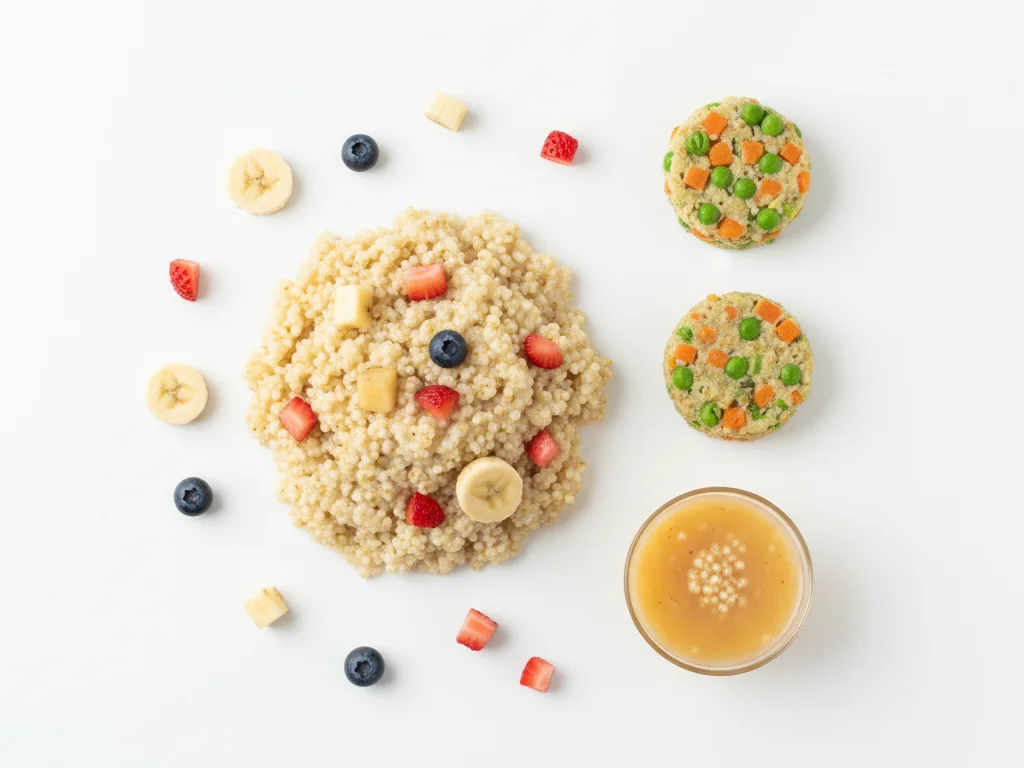
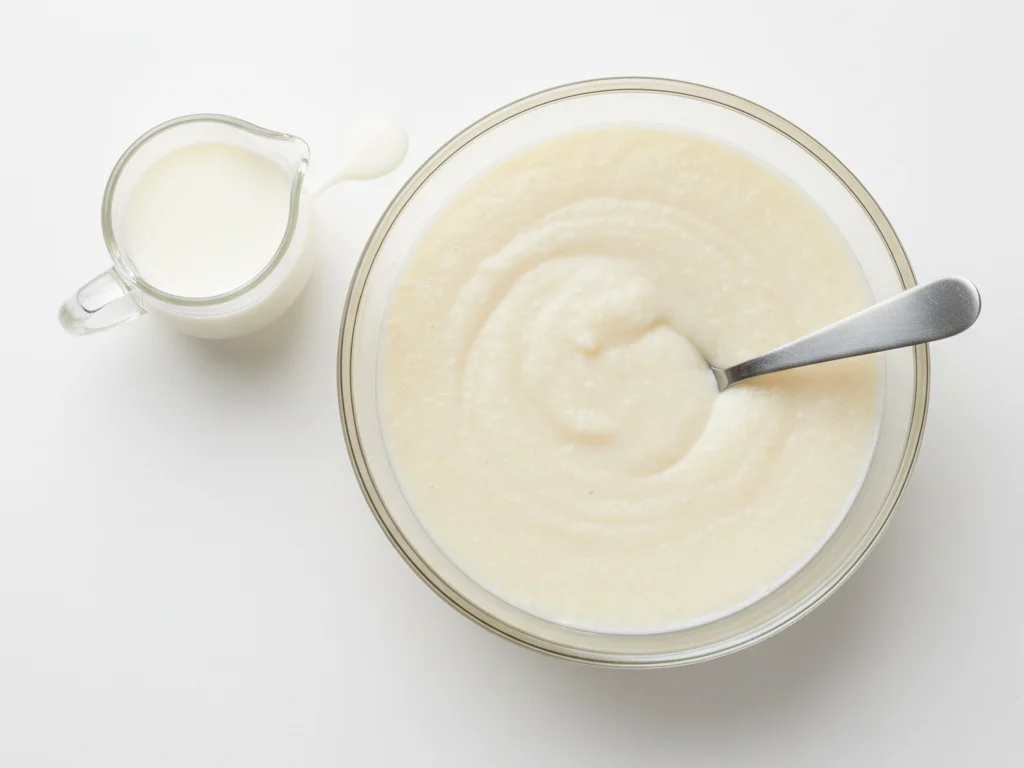
Cook millet into a very smooth, runny porridge. You can puree it with breast milk, formula, or water to achieve a soupy consistency that's easy for your baby to swallow. Start with a thin texture and gradually thicken it as your baby gets used to eating solids.6 to 9 months

Cook millet into a very smooth, runny porridge. You can puree it with breast milk, formula, or water to achieve a soupy consistency that's easy for your baby to swallow. Start with a thin texture and gradually thicken it as your baby gets used to eating solids.

  • Rinse millet thoroughly before cooking to remove any bitterness.
  • Use a 1:4 ratio of millet to liquid for a very thin porridge.
  • Blend cooked millet until completely smooth if needed.
  • Mix with a familiar fruit or vegetable puree to introduce the flavor.
  • Serve at a lukewarm temperature and always test it first.
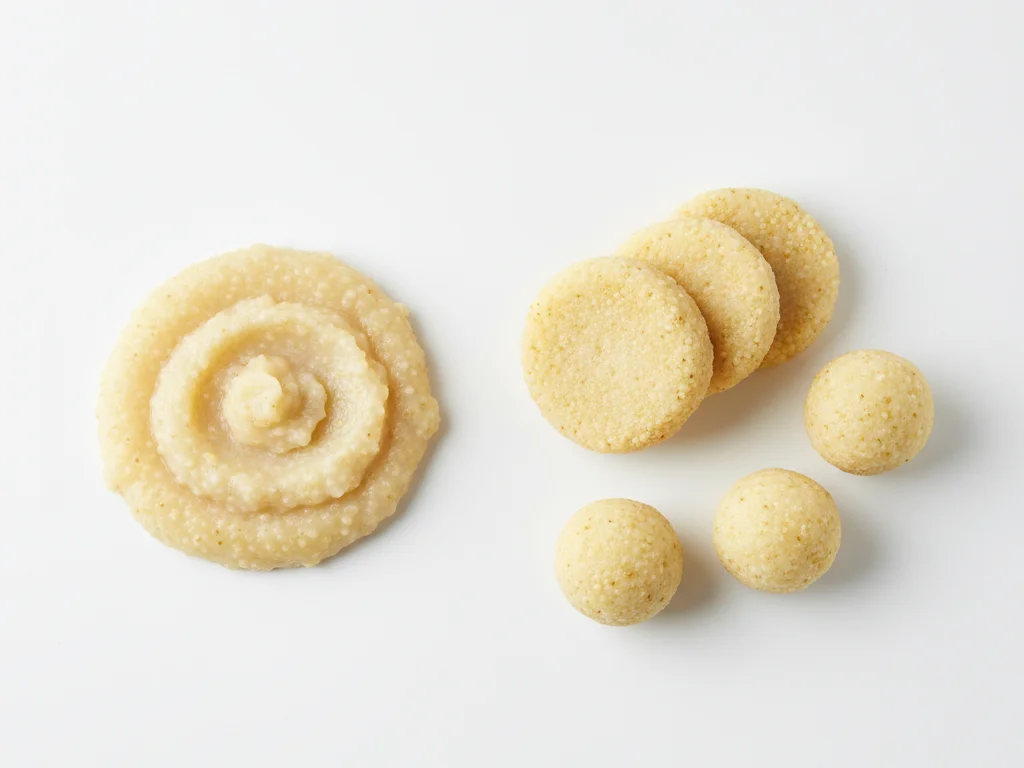
Cook millet to a soft, thick porridge that holds together slightly. You can leave it with a bit more texture to encourage chewing practice. It can also be formed into soft, moist patties or balls for your baby to practice self-feeding.9 to 12 months

Cook millet to a soft, thick porridge that holds together slightly. You can leave it with a bit more texture to encourage chewing practice. It can also be formed into soft, moist patties or balls for your baby to practice self-feeding.

  • Cook with a 1:3 ratio of millet to liquid for a thicker consistency.
  • Mix cooked millet with mashed banana or sweet potato to help it bind for finger foods.
  • Offer small, soft clumps on the tray for your baby to pick up.
  • Combine with finely chopped soft vegetables for more flavor and nutrition.
  • Supervise closely as your baby explores this new texture.
Serve millet as a soft side dish similar to rice or quinoa. It can be used in recipes like veggie burgers, added to soups, or served as a breakfast porridge with fruit. Your toddler can enjoy it with a spoon or as part of mixed meals.12 months +

Serve millet as a soft side dish similar to rice or quinoa. It can be used in recipes like veggie burgers, added to soups, or served as a breakfast porridge with fruit. Your toddler can enjoy it with a spoon or as part of mixed meals.

  • Use millet in place of rice in your family meals.
  • Make millet 'meatballs' with ground meat or lentils for a fun toddler meal.
  • Stir in a little cheese or yogurt for extra creaminess and protein.
  • Let your toddler help sprinkle toppings like berries or a drizzle of maple syrup.
  • Store cooked millet in the fridge for quick meal prep throughout the week.

Safety & allergens

Choking risk: Low

Millet has a very low choking risk when prepared as a soft, moist porridge for young babies. For older babies, ensure it's cooked until very soft and clumps together slightly to prevent individual grains from being a hazard. Always supervise your baby during meals.

Not a common allergen

Millet is not a top allergen. As with any new food, offer it on its own and watch for any reaction.

Vitamins & minerals

Millet is a nutritious grain that provides key minerals for your baby's health. It contains magnesium, which is important for bone development and muscle function 33, and potassium, which helps maintain healthy fluid balance and supports heart and muscle function 30. It also offers iron for healthy blood and zinc for immune support, along with B vitamins like folate, which is crucial for cell growth and development 37.

Vitamins
Vitamin B6Vitamin FOLATE
Minerals
MagnesiumPotassiumIronZinc

Nutritional synergy

Pair millet with vitamin C-rich foods like sweet potato or mango to help your baby absorb its iron more effectively 17. Combining it with a source of healthy fat, like avocado, can also aid in the absorption of its fat-soluble nutrients.

Pairs well with

Common questions

How do I cook millet for my baby?

Rinse the millet first, then cook it with plenty of water or broth (about a 1:3 grain-to-liquid ratio) until it's very soft and porridge-like, which takes about 20-25 minutes. You can puree it for younger babies or leave it slightly textured for older ones. It thickens as it cools, so you may need to add a little extra liquid when serving.

What if my baby seems constipated after eating millet?

Millet contains dietary fiber, which usually helps digestion, but every baby is different. If you notice constipation, ensure your baby is getting enough fluids. You can also try mixing millet with pureed fruits like prunes or pears, which have a natural laxative effect. If concerns persist, consult your pediatrician.

Can I use millet flour instead of whole millet?

Absolutely! Millet flour is a great option for making pancakes, muffins, or mixing into other purees to thicken them and add nutrients. Just ensure any baked goods are soft and moist for your baby. It's a convenient way to incorporate this grain into different meals.

Sources & references

  1. 1USDA FoodData Central