Almond

Nut

Almond

Almonds are a nutritious nut that can be a great source of healthy fats, protein, and essential vitamins and minerals for your baby's growth. They have a mild, slightly sweet flavor that many babies enjoy when introduced safely. Almonds are particularly rich in vitamin E, which acts as an antioxidant to protect cells, and magnesium, which supports muscle and nerve function.5

PPippin Feeding TeamReviewed by feeding specialists · Updated January 2026
First age12m+
CategoryNut
Common allergenYes
Choking riskHigh

When can babies eat Almond?

Almonds can typically be introduced around 12 months of age, once your baby is comfortable with other solid foods and has shown no signs of allergies to other common allergens. Always introduce them in a safe, age-appropriate form to minimize choking risk.

Storage tip

Store whole almonds in an airtight container in a cool, dark place for up to 6 months, or in the refrigerator or freezer to extend freshness. Once ground into almond butter, store it in the refrigerator and use within 2-3 months.

How to serve Almond by age

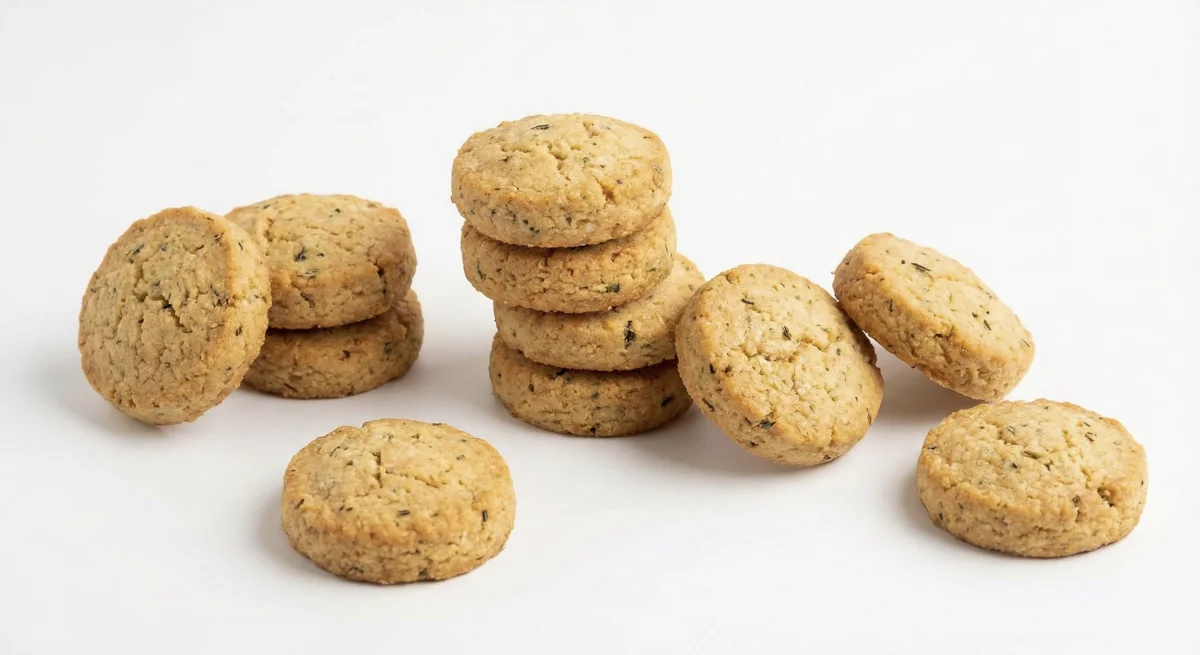
For babies 12-18 months, serve almonds only in completely smooth, spreadable forms. Mix a thin layer of smooth almond butter into oatmeal or yogurt, or use almond flour in pancakes or muffins. Ensure any baked goods are soft and easily mashed between gums.12 to 18 months

For babies 12-18 months, serve almonds only in completely smooth, spreadable forms. Mix a thin layer of smooth almond butter into oatmeal or yogurt, or use almond flour in pancakes or muffins. Ensure any baked goods are soft and easily mashed between gums.

  • Use only smooth almond butter with no chunks
  • Mix almond butter with breast milk or formula to thin it out
  • Try almond flour in banana pancakes or teething biscuits
  • Spread almond butter thinly on toast strips
  • Always supervise closely during feeding

For toddlers 18 months and up, you can introduce very finely chopped almonds mixed into foods like yogurt or oatmeal, but continue to avoid whole nuts. Almond butter can be spread slightly thicker, and almond flour can be used in more textured baked goods.18 months +

For toddlers 18 months and up, you can introduce very finely chopped almonds mixed into foods like yogurt or oatmeal, but continue to avoid whole nuts. Almond butter can be spread slightly thicker, and almond flour can be used in more textured baked goods.

  • Chop almonds into tiny pieces no larger than sesame seeds
  • Mix finely chopped almonds into yogurt or cottage cheese
  • Make almond-crusted chicken fingers using finely ground almonds
  • Add almond slices to baked goods only if they're very thin and well-incorporated
  • Continue to avoid whole almonds until at least age 4

Safety & allergens

Choking risk: High

Whole almonds and large almond pieces are a high choking risk for babies and toddlers due to their hard, round shape. To make almonds safe, always serve them finely ground into almond butter or as a thin spread, and never give whole nuts or chunks. Supervise your baby closely during meals.

Common allergen

Tree nut allergies, including almond allergy, affect about 1-2% of children, with almond being one of the more common tree nut allergens.2

Watch for symptoms:

  • Hives
  • Swelling of lips, face, or tongue
  • Digestive upset (vomiting, diarrhea)
  • Difficulty breathing
  • Wheezing or coughing

Introduce almonds in a very small amount (like a tiny smear of almond butter) and watch for any reactions for 2-3 days. Since almonds are a common allergen, it's wise to consult your pediatrician before introduction, especially if there's a family history of food allergies. Never introduce whole nuts due to choking risk.

Vitamins & minerals

Almonds provide key nutrients that support your baby's development. They are an excellent source of magnesium, which is important for muscle and nerve function and is well-absorbed from infant diets.5 The potassium in almonds helps maintain healthy fluid balance and supports heart and muscle function.3 Almonds also contain calcium and phosphorus, which work together for strong bone mineralization.4

Vitamins
Vitamin EVitamin B2Vitamin B3Vitamin B9
Minerals
MagnesiumCalciumIronPotassiumPhosphorusZincCopperManganese

Nutritional synergy

Pairing almond butter with vitamin C-rich foods like strawberries or oranges can enhance iron absorption from the almonds, helping support healthy blood cells.6

Common questions

What's the safest way to serve almonds to my baby?

The safest way is to use smooth, unsweetened almond butter thinned with breast milk, formula, or water to a runny consistency for younger babies. Spread it thinly on toast or mix it into oatmeal. Never serve whole almonds, almond pieces, or chunky almond butter due to choking risk.

Can I make homemade almond butter for my baby?

Yes! Blend roasted almonds in a food processor until completely smooth (this can take several minutes). Ensure there are no chunks. For babies, choose unsalted almonds and avoid adding honey (due to botulism risk) or sugar. Store homemade almond butter in the refrigerator.

What should I do if I suspect an almond allergy?

Stop feeding almonds immediately and contact your pediatrician if you notice symptoms like hives, swelling, vomiting, or breathing difficulties. For severe reactions (trouble breathing, widespread hives), seek emergency care. Your doctor can guide you on testing and future introductions.

Sources & references

  1. 1TBCA - Tabela Brasileira de Composição de Alimentos
  2. 2Moss CR, 2022
  3. 3Strohm D et al., 2017
  4. 4Couce ML et al., 2021
  5. 5Lönnerdal B, 1995
  6. 6Lönnerdal B, 1997