Starfruit

Fruit

Starfruit

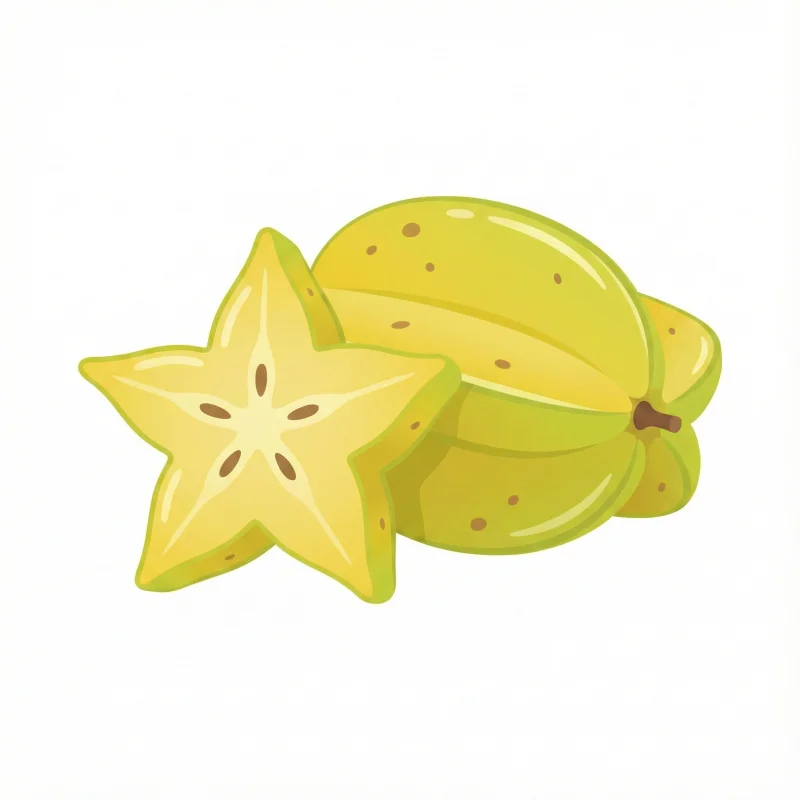
Starfruit, with its sweet-tart flavor and unique star shape when sliced, is a fun and nutritious fruit to introduce to your baby. It's packed with vitamin C, which supports your baby's immune system and helps with iron absorption from other foods.1 The fruit also contains vitamin A, important for healthy vision and skin.2

PPippin Feeding TeamReviewed by feeding specialists · Updated July 2026
First age6m+
CategoryFruit
Common allergenNo
Choking riskMedium

When can babies eat Starfruit?

Starfruit can be introduced around 6 months when your baby starts solids, as long as it's prepared safely to minimize choking risk.

Storage tip

Store ripe starfruit in the refrigerator for up to 1 week. Unripe fruit can be kept at room temperature until it turns yellow and slightly soft.

How to serve Starfruit by age

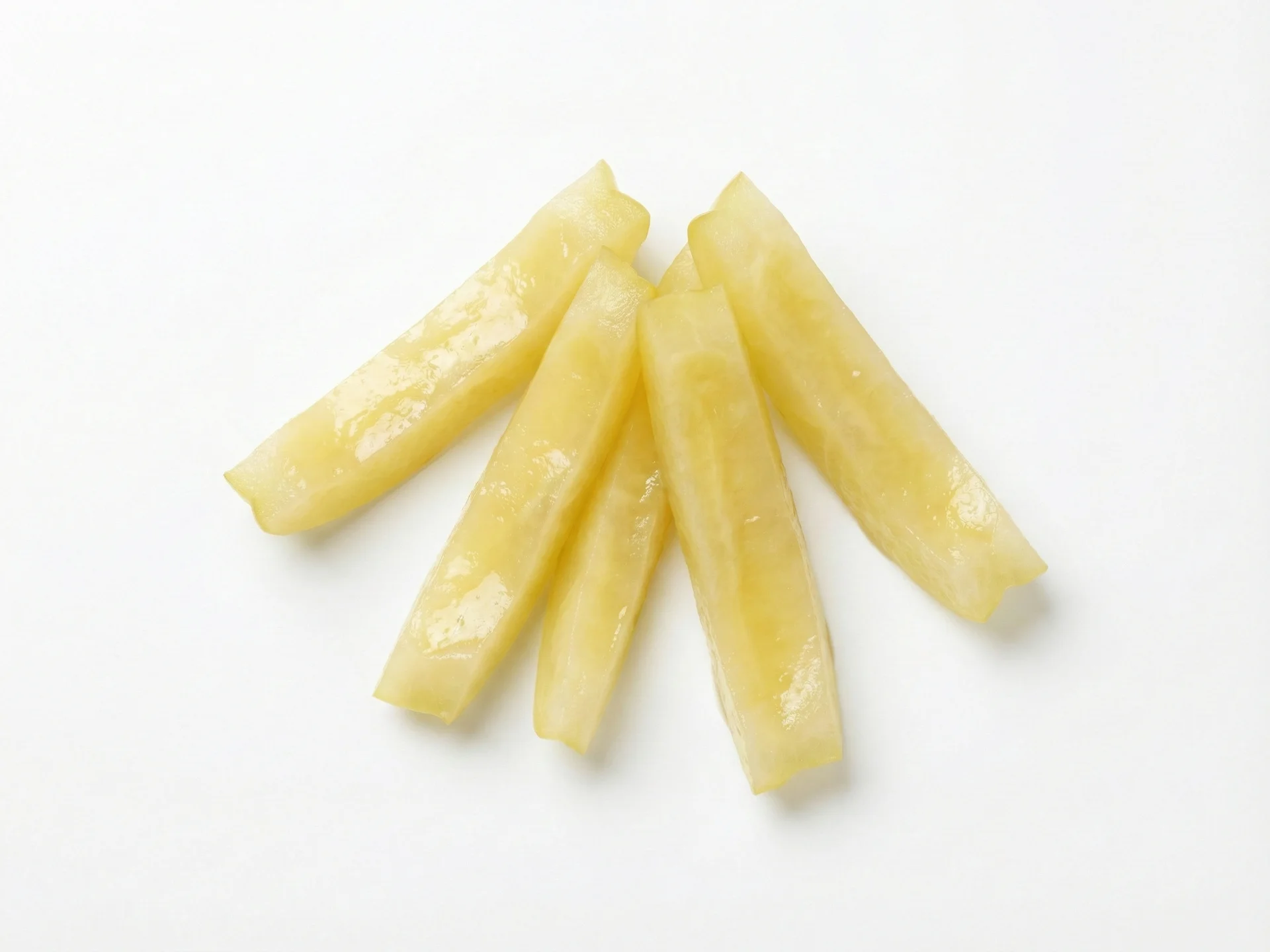
For babies 8-12 months, peel the starfruit thoroughly and remove all seeds. Lightly steam or bake slices until soft but still holdable, then cut into large, palm-sized strips that are easy for your baby to grip. This helps them practice chewing on a firmer texture safely.8 to 12 months

For babies 8-12 months, peel the starfruit thoroughly and remove all seeds. Lightly steam or bake slices until soft but still holdable, then cut into large, palm-sized strips that are easy for your baby to grip. This helps them practice chewing on a firmer texture safely.

  • Always supervise while eating
  • Remove the fibrous edges after peeling
  • Test softness by mashing with a fork
  • Serve at room temperature to enhance flavor
  • Combine with yogurt for added creaminess
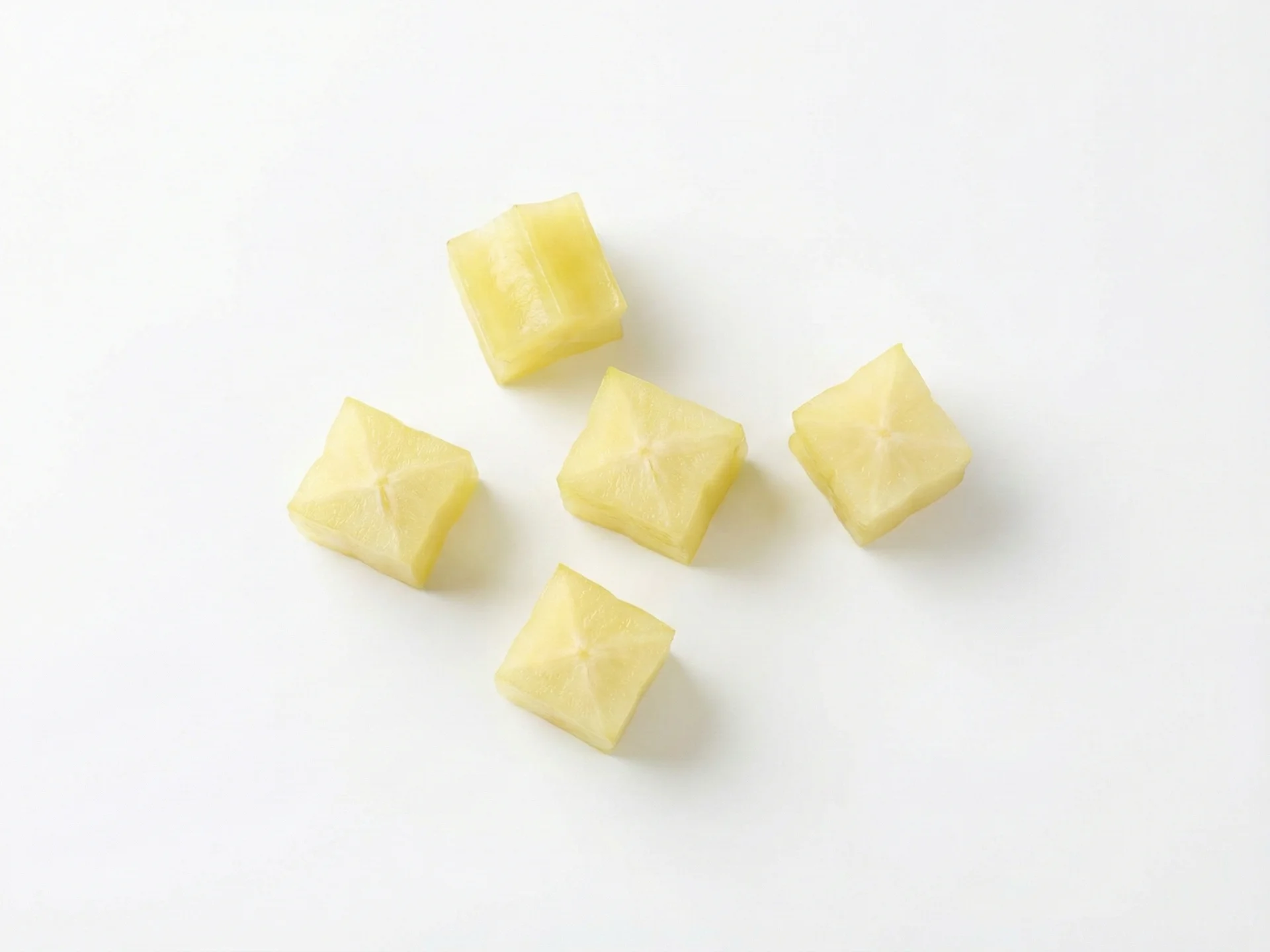
For toddlers 12 months and up, you can offer raw starfruit if they have good chewing skills. Peel, deseed, and cut into small, bite-sized cubes or thin slices. This encourages self-feeding and exposes them to the fruit's natural crisp texture.12 months +

For toddlers 12 months and up, you can offer raw starfruit if they have good chewing skills. Peel, deseed, and cut into small, bite-sized cubes or thin slices. This encourages self-feeding and exposes them to the fruit's natural crisp texture.

  • Ensure pieces are no larger than a pea
  • Mix into fruit salads for variety
  • Use as a fun garnish on oatmeal
  • Monitor for any difficulty chewing
  • Store leftovers in an airtight container

Safety & allergens

Choking risk: Medium

Starfruit has a firm texture and seeds that can pose a choking hazard. Always remove the seeds and fibrous edges, and prepare it appropriately for your baby's age—starting with smooth purees for beginners and progressing to soft, thin slices as they develop chewing skills.

Not a common allergen

Starfruit is not a top allergen. As with any new food, offer it on its own and watch for any reaction.

Vitamins & minerals

Starfruit is a good source of vitamin C, which boosts immunity and enhances iron absorption from plant-based foods.1 It also provides vitamin A for eye health2 and potassium, which helps maintain healthy fluid balance and nerve function.3 The copper in starfruit supports red blood cell formation and immune function.4

Vitamins
Vitamin CVitamin AVitamin B5
Minerals
PotassiumCopperMagnesium

Nutritional synergy

Pair starfruit with iron-rich foods like spinach or lentils—the vitamin C in starfruit helps your baby absorb iron more effectively.1

Common questions

How do I pick a ripe starfruit for my baby?

Choose starfruit that is mostly yellow with slight brown edges, which indicates ripeness and sweetness. It should feel slightly soft when gently pressed. Avoid green or overly firm fruit, as it will be tart and harder to puree.

Can I freeze starfruit puree for later use?

Yes! Puree ripe starfruit (with seeds and edges removed) and freeze in ice cube trays for up to 2 months. Thaw in the refrigerator overnight before serving. This is a great way to have small portions ready for meals.

What if my baby makes a funny face when trying starfruit?

Starfruit has a tangy flavor that might surprise your baby at first. It's normal for babies to make faces when trying new tastes. Offer small amounts mixed with sweeter fruits like banana or pear, and try again another day—it can take multiple exposures for babies to accept new foods.

Sources & references

  1. 1Lynch & Stoltzfus, 2003
  2. 2Tanumihardjo et al., 2016
  3. 3USDA FoodData Central, 2024
  4. 4Prohaska, 2008