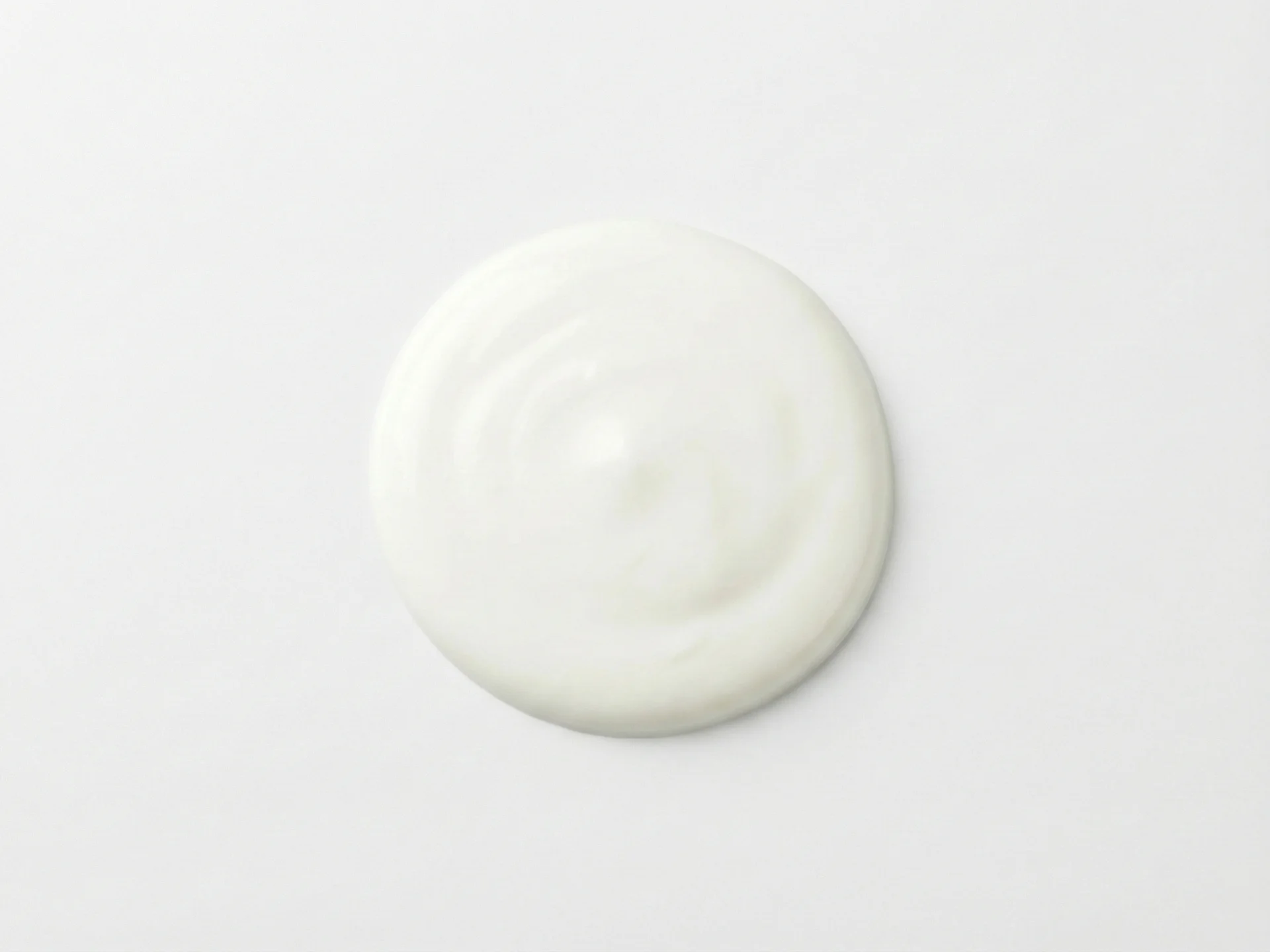
Natural Yogurt

Dairy

Natural Yogurt

Natural yogurt is a wonderful first dairy food for babies, offering a creamy texture and slightly tangy taste that many little ones enjoy. It's packed with nutrients that support your baby's growth, including calcium for strong bones1 and probiotics that can help maintain a healthy digestive system2. Plus, it's easy to serve and pairs well with many other foods.

PPippin Feeding TeamReviewed by feeding specialists · Updated July 2026
First age6m+
CategoryDairy
Common allergenYes
Choking riskLow

When can babies eat Natural Yogurt?

You can introduce natural yogurt around 6 months when starting solids, as long as your baby shows signs of readiness and you've discussed with your pediatrician, especially if there's a family history of dairy allergies.

Storage tip

Keep yogurt refrigerated at or below 40°F (4°C) and use by the expiration date on the container. Once opened, it's best consumed within 5-7 days for optimal freshness.

How to serve Natural Yogurt by age

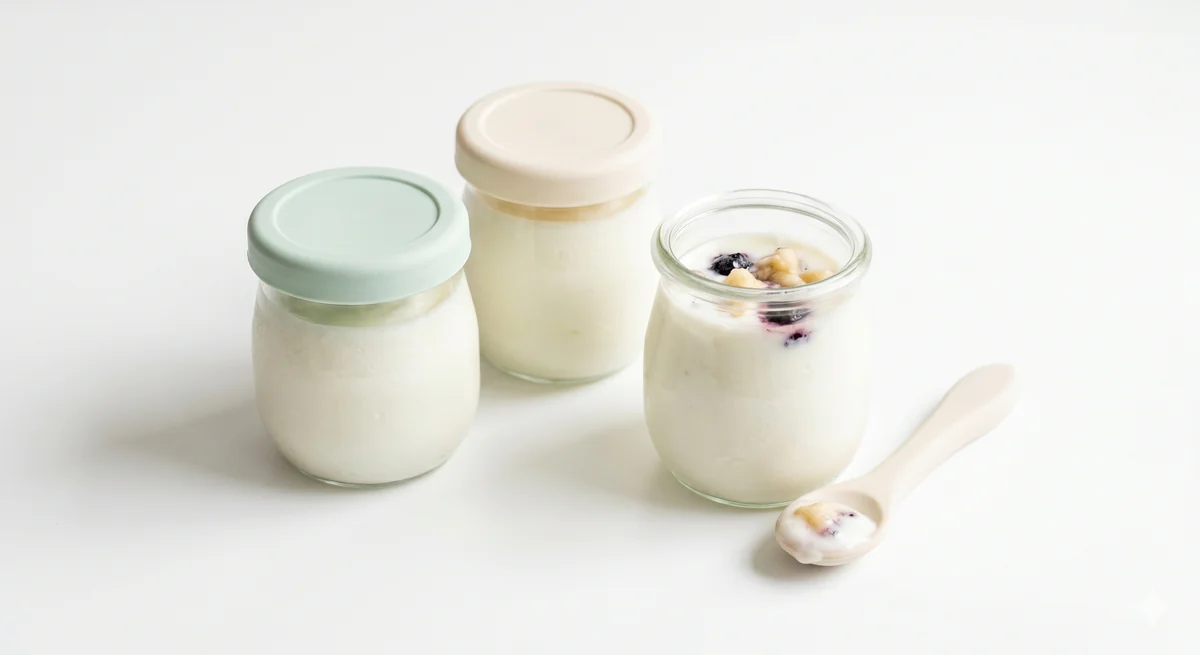
Serve natural yogurt in a thick consistency (Greek yogurt works well) to prevent dripping. Pre-load soft-tipped spoons for your baby to self-feed, or spread it thinly on toast strips or rice cakes for easier grasping. Avoid runny yogurts that might be difficult to manage.6 to 9 months

Serve natural yogurt in a thick consistency (Greek yogurt works well) to prevent dripping. Pre-load soft-tipped spoons for your baby to self-feed, or spread it thinly on toast strips or rice cakes for easier grasping. Avoid runny yogurts that might be difficult to manage.

  • Choose full-fat, plain yogurt without added sugars
  • Mix with breast milk or formula to adjust consistency if needed
  • Offer on a pre-loaded spoon to encourage self-feeding
  • Spread on toast fingers for easier handling
  • Start with small amounts to monitor for allergies
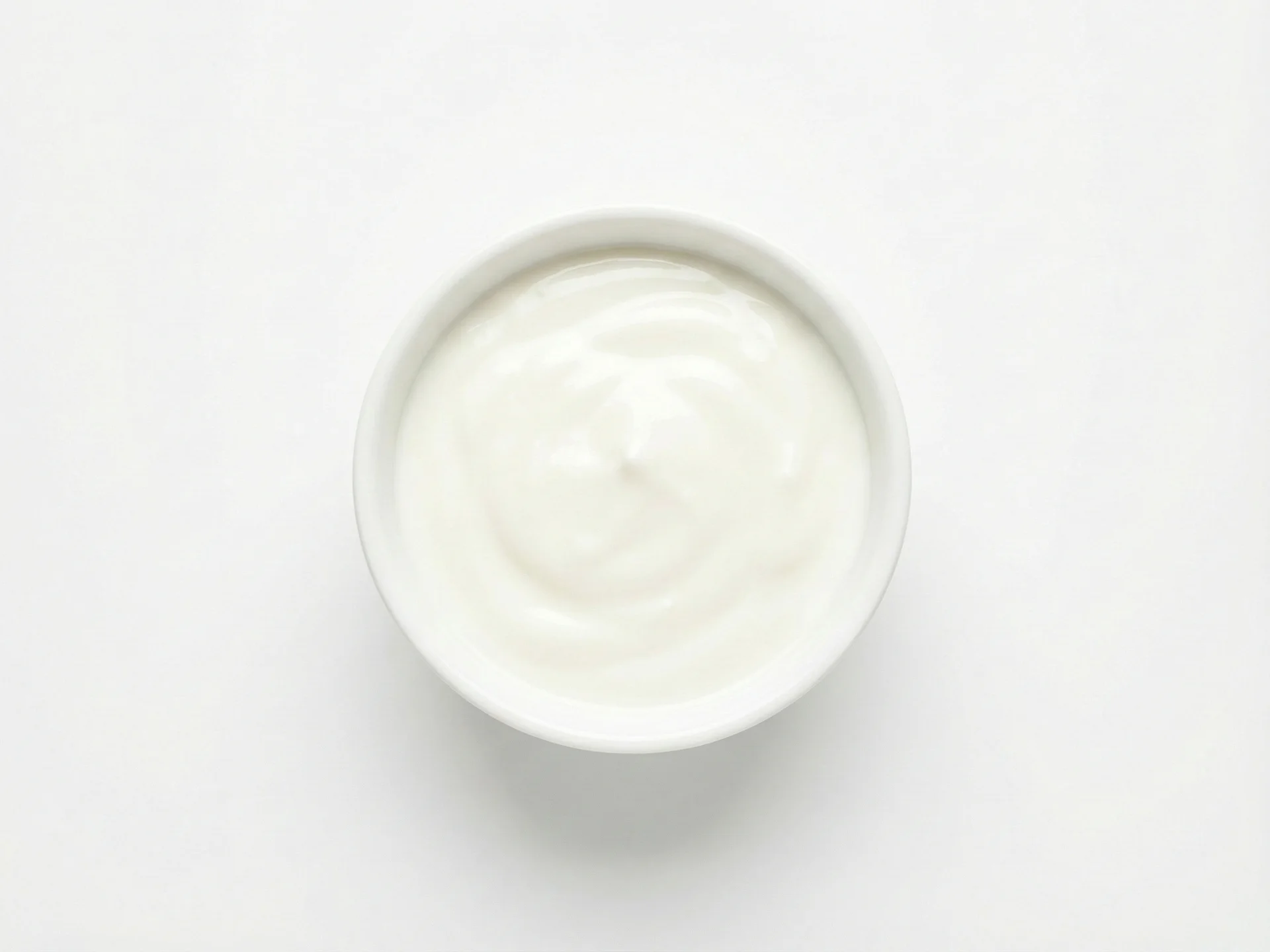
As your baby develops better motor skills, you can serve yogurt in a bowl with a spoon for them to practice scooping. Continue using thick yogurt and consider mixing in soft fruits or cereals for added nutrition and texture exploration.9 months +

As your baby develops better motor skills, you can serve yogurt in a bowl with a spoon for them to practice scooping. Continue using thick yogurt and consider mixing in soft fruits or cereals for added nutrition and texture exploration.

  • Encourage using a spoon independently
  • Mix in soft fruits like mashed banana or avocado
  • Use as a dip for vegetable sticks or fruit slices
  • Combine with iron-fortified cereals for balanced nutrition
  • Offer in a suction bowl to prevent tipping

Safety & allergens

Choking risk: Low

Natural yogurt has a smooth, soft texture that poses minimal choking risk when served plain. Avoid adding hard mix-ins like whole nuts or large fruit chunks for young babies. Always supervise your baby during feeding and ensure they're sitting upright.

Common allergen

Cow's milk allergy affects about 2-3% of infants and young children3.

Watch for symptoms:

  • Hives
  • Swelling of lips or face
  • Vomiting or diarrhea
  • Wheezing or difficulty breathing

Start with a small amount (about 1 teaspoon) and watch for any reactions over the next 2-3 days4. If there's no reaction, you can gradually increase the amount. Always consult your pediatrician before introducing dairy if there's a family history of allergies.

Vitamins & minerals

Natural yogurt provides calcium that's essential for building strong bones and teeth in growing babies1. The vitamin B12 supports healthy brain development5, while the probiotics (live cultures) can help maintain a balanced gut microbiome and support digestion2.

Vitamins
Vitamin B2Vitamin B12Vitamin D
Minerals
CalciumPhosphorusPotassium

Nutritional synergy

Pair yogurt with vitamin C-rich fruits like berries or oranges to enhance iron absorption from other foods in the meal6.

Common questions

What's the difference between natural yogurt and Greek yogurt for babies?

Natural yogurt is typically thinner and has a milder tang, while Greek yogurt is thicker due to straining, which concentrates the protein. Both are excellent choices—just choose plain varieties without added sugars. Greek yogurt's thicker texture can be easier for self-feeding.

Can I give my baby yogurt if they're lactose intolerant?

Many babies with lactose intolerance can tolerate yogurt because the live cultures help break down lactose2. Start with a small amount and watch for symptoms like gas or diarrhea. Always consult your pediatrician for personalized advice.

How can I make yogurt more appealing to my baby?

Mix in mashed fruits like banana or avocado for natural sweetness, or stir in a spoonful of baby cereal for added texture. You can also serve it alongside finger foods they enjoy. Remember, it might take several tries before your baby accepts the tangy taste.

Sources & references

  1. 1NIH Office of Dietary Supplements, 2024
  2. 2Savaiano et al., 2021
  3. 3Sicherer et al., 2018
  4. 4American Academy of Pediatrics, 2023
  5. 5NIH Office of Dietary Supplements, 2024
  6. 6Lynch et al., 2018