Pineapple

Fruit

Pineapple

Pineapple is a sweet, tropical fruit that babies often enjoy for its bright flavor and juicy texture. It's packed with vitamin C, which supports your baby's immune system and helps their body absorb iron from other foods.1 The natural enzymes in pineapple can also aid digestion, making it a gentle choice for little tummies.2

PPippin Feeding TeamReviewed by feeding specialists · Updated January 2026
First age6m+
CategoryFruit
Common allergenNo
Choking riskMedium

When can babies eat Pineapple?

You can introduce pineapple around 6 months when starting solids, as long as it's prepared safely to minimize choking risk. Some parents wait until 8-9 months due to its acidity, which can sometimes cause mild diaper rash in sensitive babies.

Storage tip

Store whole pineapples at room temperature for 1-2 days, or in the refrigerator for up to 5 days. Once cut, store in an airtight container in the fridge for 3-4 days, or freeze for up to 6 months.

How to serve Pineapple by age

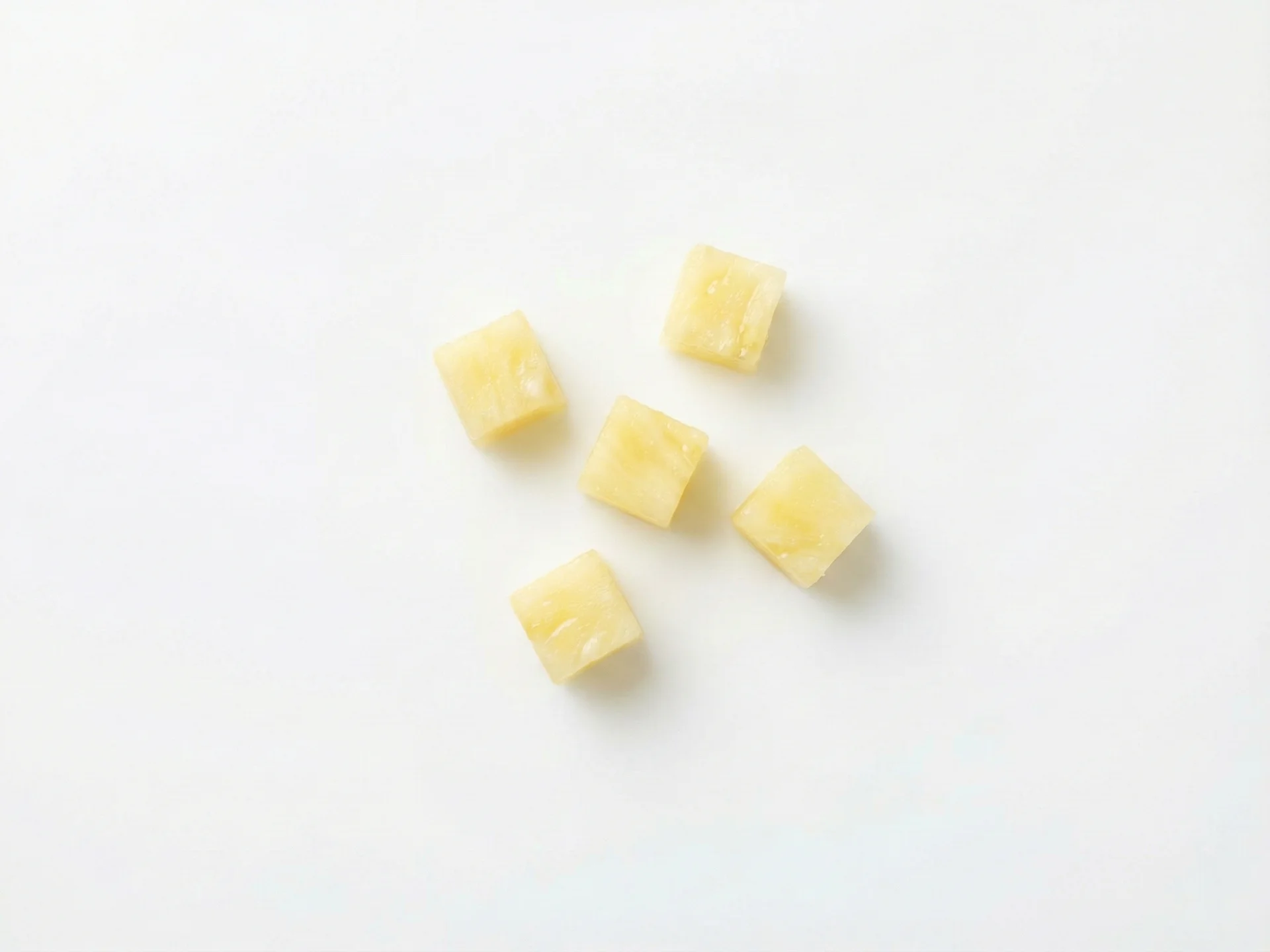
For babies 6-9 months, mash ripe pineapple into a smooth puree or finely chop it into tiny, soft pieces. Ensure it's fully ripe and free of fibrous strands to prevent choking. You can mix it with yogurt or oatmeal for easier eating.6 to 9 months

For babies 6-9 months, mash ripe pineapple into a smooth puree or finely chop it into tiny, soft pieces. Ensure it's fully ripe and free of fibrous strands to prevent choking. You can mix it with yogurt or oatmeal for easier eating.

  • Choose very ripe pineapple that yields slightly to pressure.
  • Remove all skin and the tough central core completely.
  • Mash thoroughly or chop into pieces smaller than a pea.
  • Mix with other soft foods if your baby struggles with texture.
  • Offer small amounts initially to check for tolerance.
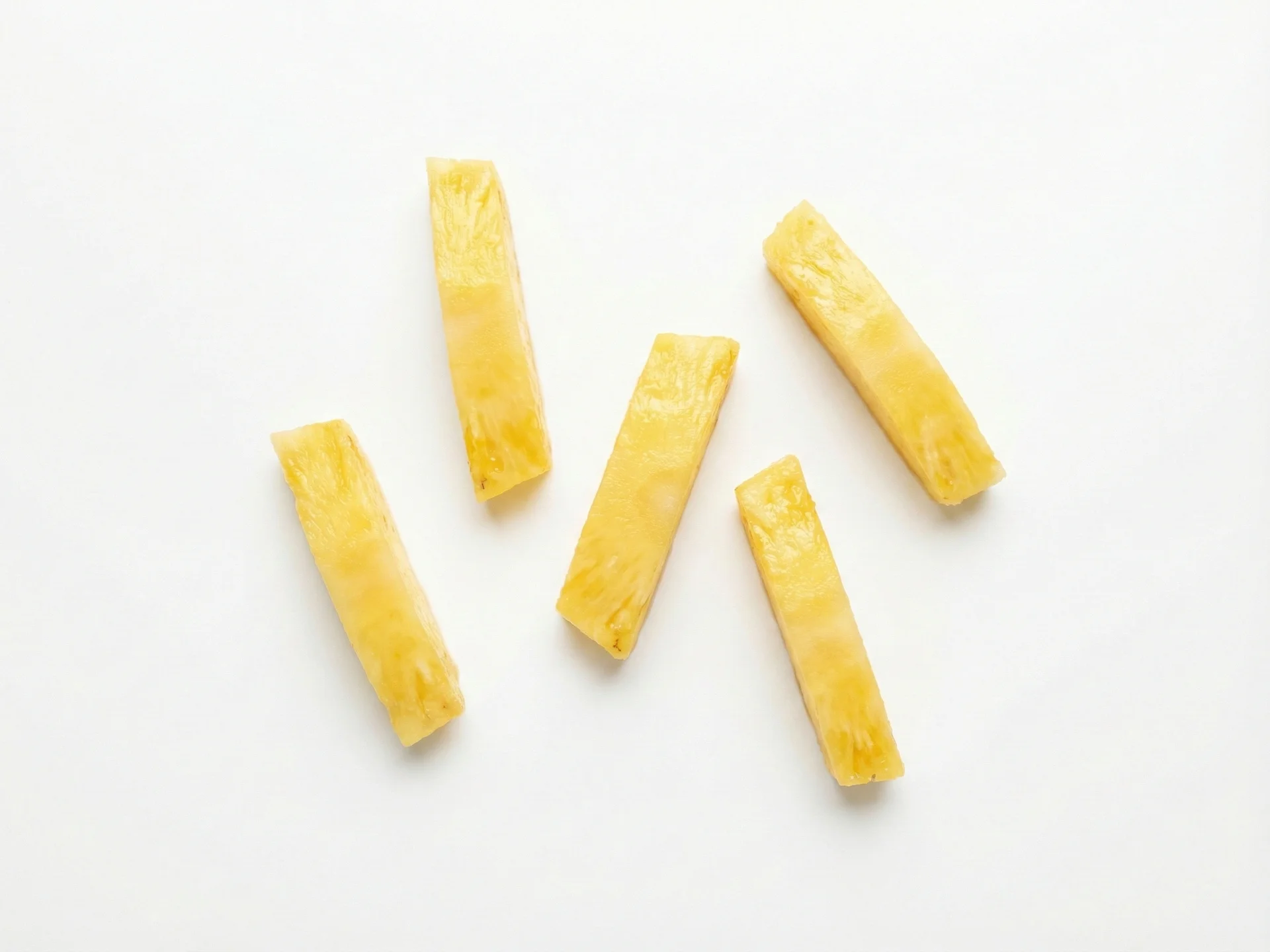
For babies 9-12 months, offer pineapple in larger, spear-shaped pieces they can hold and gnaw on. The pieces should be about the size of two adult fingers pressed together, making them easy to grip but too big to swallow whole.9 to 12 months

For babies 9-12 months, offer pineapple in larger, spear-shaped pieces they can hold and gnaw on. The pieces should be about the size of two adult fingers pressed together, making them easy to grip but too big to swallow whole.

  • Cut pineapple into long, thin spears for easy grasping.
  • Ensure pieces are soft enough to mash with gums.
  • Leave a bit of the skin on one end for a non-slip handle.
  • Supervise closely as they learn to bite and chew.
  • Combine with other finger foods for variety.
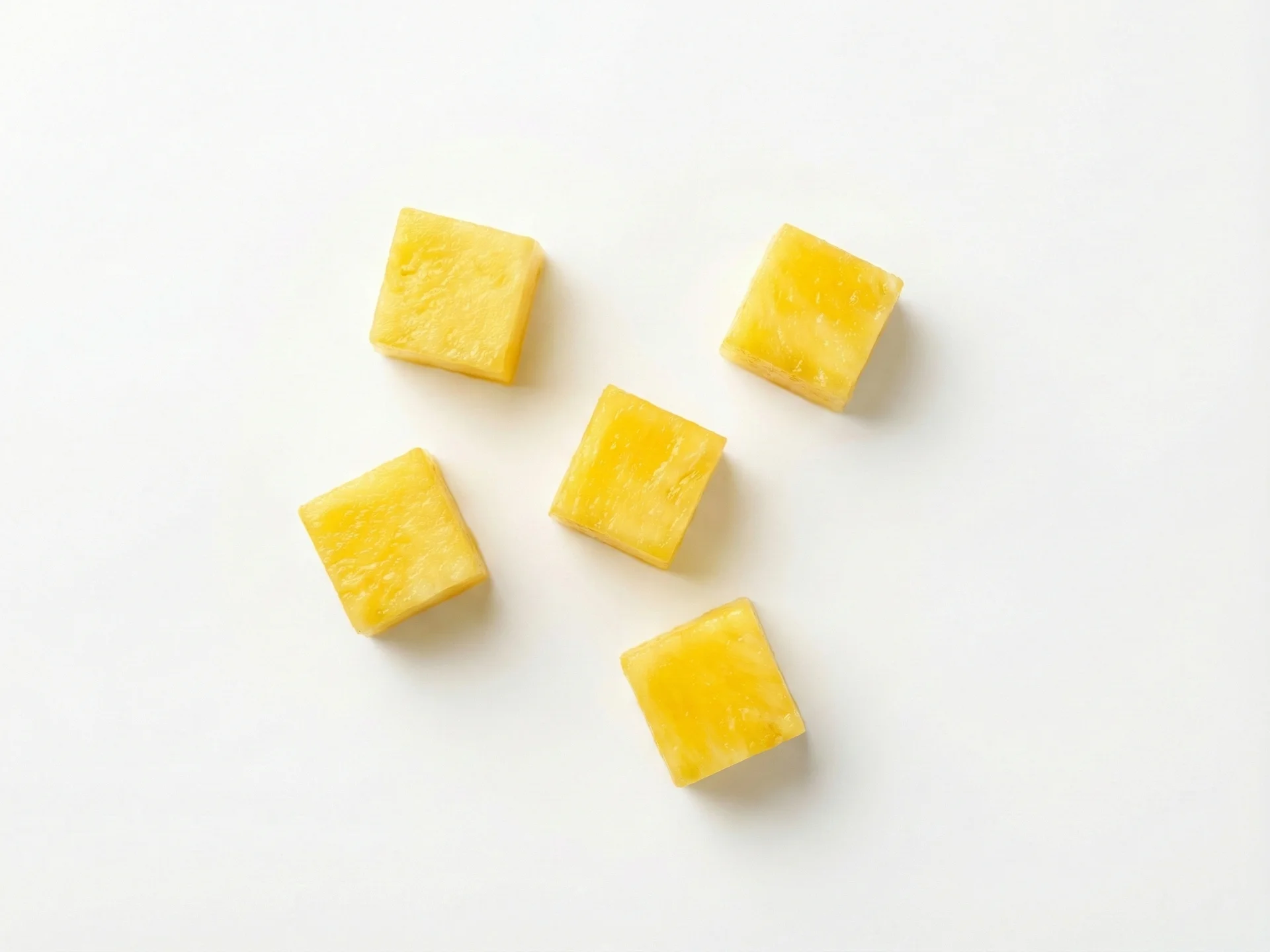
For toddlers 12 months and up, you can offer bite-sized cubes of pineapple as they develop better chewing skills. Continue to ensure it's ripe and soft, and consider adding it to salads, smoothies, or cooked dishes for variety.12 months +

For toddlers 12 months and up, you can offer bite-sized cubes of pineapple as they develop better chewing skills. Continue to ensure it's ripe and soft, and consider adding it to salads, smoothies, or cooked dishes for variety.

  • Cut into small, manageable cubes about 1/2 inch in size.
  • Use in recipes like pineapple fried rice or kebabs.
  • Encourage self-feeding with a fork or spoon.
  • Mix with other fruits for a colorful fruit salad.
  • Monitor for any signs of overeating due to sweetness.

Safety & allergens

Choking risk: Medium

Pineapple's fibrous texture and firm chunks can pose a choking hazard if not prepared properly. Always serve it mashed, pureed, or cut into very small, soft pieces for young babies. Avoid large chunks or hard pieces, especially the tough core.

Not a common allergen

Pineapple is not a top allergen. As with any new food, offer it on its own and watch for any reaction.

Vitamins & minerals

Pineapple is an excellent source of vitamin C, providing over 100% of daily needs in a small serving, which helps protect cells and supports immune function.1 It also contains manganese for bone development and copper for red blood cell formation.3 The fiber in pineapple (about 2.3g per cup) promotes healthy digestion without being too harsh on sensitive systems.4

Vitamins
Vitamin CVitamin B6Vitamin B1Vitamin B9
Minerals
ManganeseCopperPotassiumMagnesium

Nutritional synergy

Pair pineapple with iron-rich foods like spinach or lentils, as the vitamin C significantly enhances iron absorption.1 It also complements creamy foods like yogurt or avocado beautifully.

Common questions

Will pineapple cause diaper rash or irritation?

Some babies may experience mild diaper rash or redness around the mouth due to pineapple's natural acidity and enzymes. If this happens, wait a few weeks and try again with a smaller amount. The reaction is usually temporary and not an allergy.

How do I pick a ripe pineapple?

Choose a pineapple that feels heavy for its size with fragrant, sweet smell at the base. The leaves should be green and pull out easily, and the shell should have a golden-yellow color (not entirely green). Avoid fruits with soft spots or mold.

Can I give my baby canned pineapple?

Fresh pineapple is best, but if using canned, choose varieties packed in water or 100% juice (not syrup) with no added sugar. Rinse well to remove excess juice or syrup before serving to reduce sugar content.

Sources & references

  1. 1National Institutes of Health, 2021
  2. 2Maurer, 2001
  3. 3USDA FoodData Central, 2024
  4. 4Anderson et al., 2009