Pistachio

Fruit

Pistachio

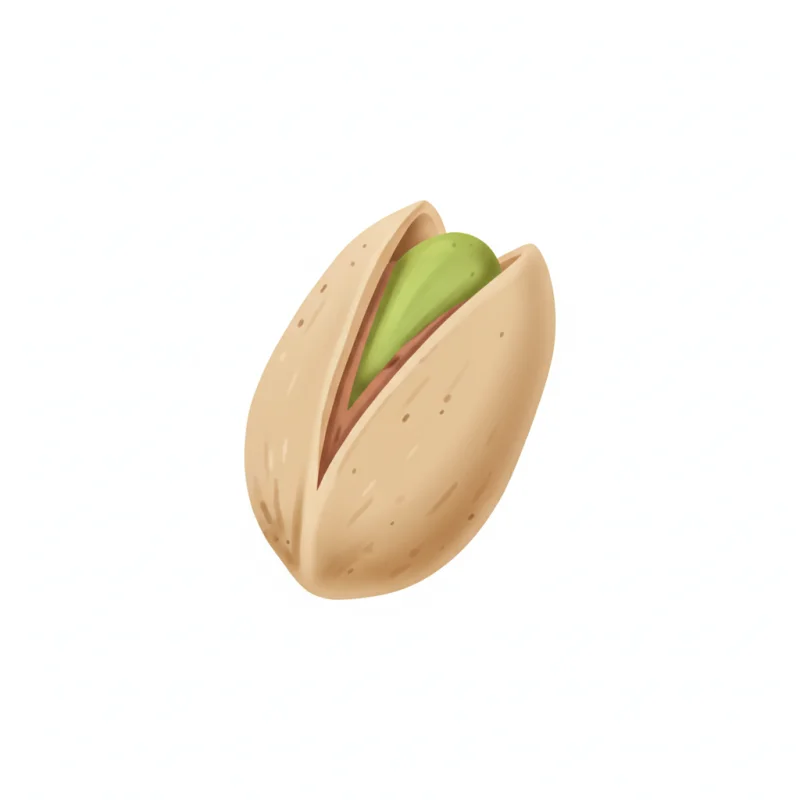
Pistachios are a delightful, slightly sweet nut that can add fun texture and flavor to your baby's meals. They're packed with healthy fats that support brain development1 and contain fiber that helps with digestion2. Their vibrant green color and mild taste make them appealing for little ones exploring new foods.

PPippin Feeding TeamReviewed by feeding specialists · Updated June 2026
First age6m+
CategoryFruit
Common allergenYes
Choking riskHigh

When can babies eat Pistachio?

You can introduce pistachios around 6 months when starting solids, but always serve them in safe forms like finely ground or as a smooth butter to prevent choking.

Storage tip

Store shelled pistachios in an airtight container in the refrigerator for up to 3 months or freeze for up to a year to maintain freshness. Keep pistachio butter refrigerated after opening and use within 2-3 months.

How to serve Pistachio by age

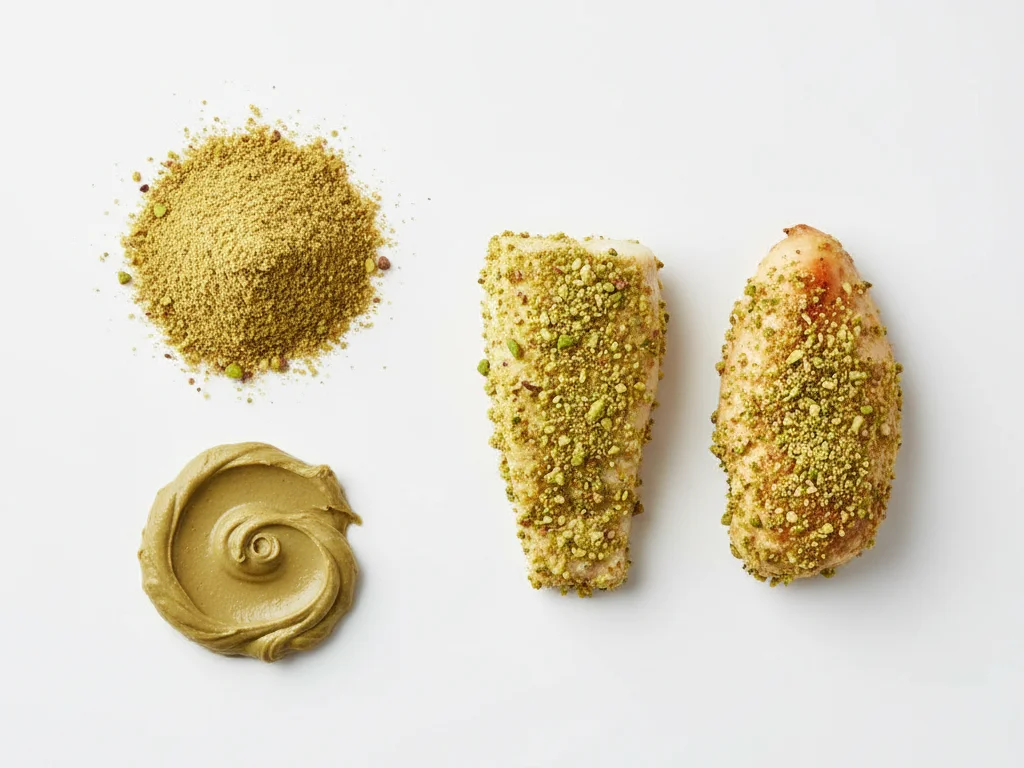
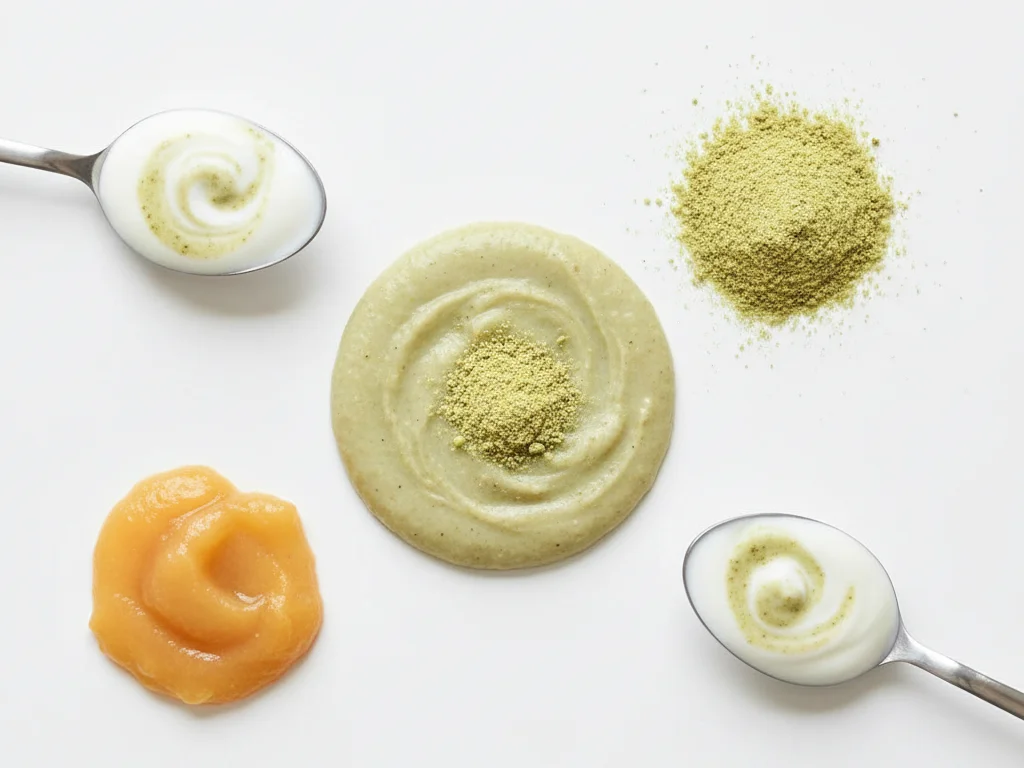
Finely grind shelled, unsalted pistachios into a powder using a food processor or blender. Mix a small amount (¼-½ teaspoon) into oatmeal, yogurt, or fruit purees. The texture should be completely smooth with no visible pieces.6 to 9 months

Finely grind shelled, unsalted pistachios into a powder using a food processor or blender. Mix a small amount (¼-½ teaspoon) into oatmeal, yogurt, or fruit purees. The texture should be completely smooth with no visible pieces.

  • Always use unsalted pistachios to avoid excess sodium
  • Start with just a pinch to check for tolerance
  • Mix thoroughly to ensure even distribution
  • Store ground pistachios in the refrigerator for freshness
  • Consider mixing with breast milk or formula for thinner consistency
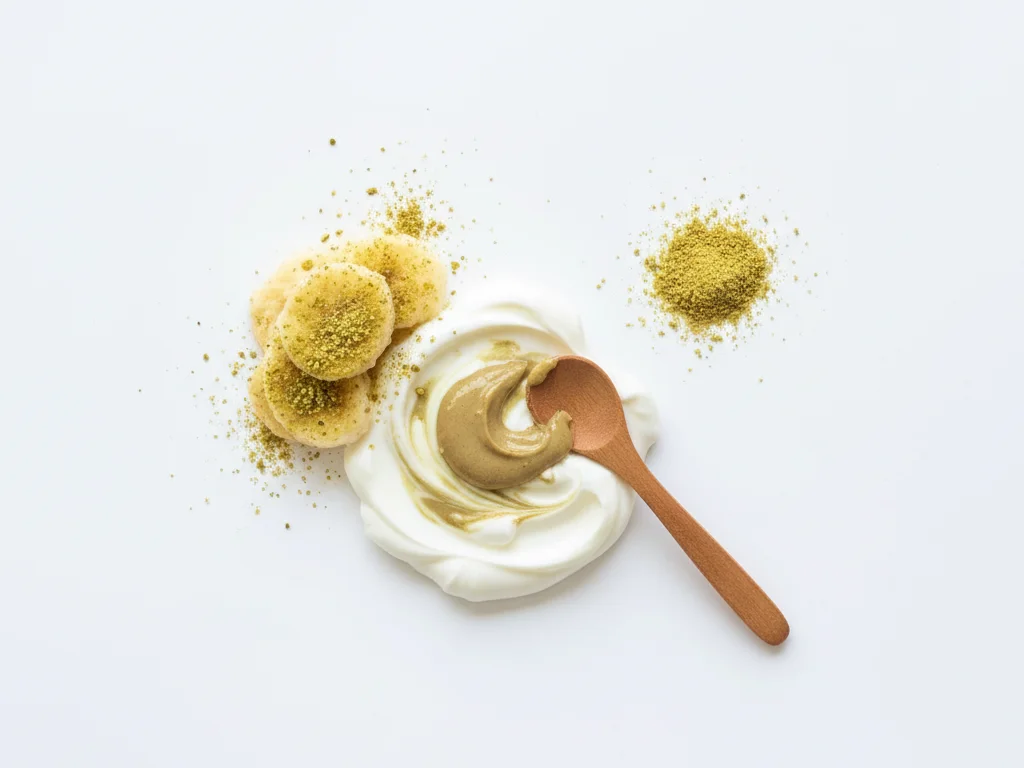
Use finely ground pistachios or thin pistachio butter mixed into thicker foods. You can sprinkle ground pistachios on soft foods like mashed bananas or mix pistachio butter into Greek yogurt. The texture should still be smooth with no chunks.9 to 12 months

Use finely ground pistachios or thin pistachio butter mixed into thicker foods. You can sprinkle ground pistachios on soft foods like mashed bananas or mix pistachio butter into Greek yogurt. The texture should still be smooth with no chunks.

  • Thin pistachio butter with water or milk for easier mixing
  • Try mixing with avocado for a creamy texture
  • Use as a spread on soft toast strips
  • Combine with cooked quinoa or soft rice
  • Monitor closely as chewing skills develop
Continue using ground pistachios or pistachio butter in various dishes. You can make pistachio-crusted baked fish or chicken by pressing ground pistachios onto the surface before baking. Still avoid whole nuts until at least age 4.12 months +

Continue using ground pistachios or pistachio butter in various dishes. You can make pistachio-crusted baked fish or chicken by pressing ground pistachios onto the surface before baking. Still avoid whole nuts until at least age 4.

  • Mix into pancake or muffin batter for added nutrition
  • Use as a coating for baked fruit pieces
  • Combine with breadcrumbs for meatballs or veggie patties
  • Add to smoothies for extra protein and healthy fats
  • Experiment with different flavor combinations

Safety & allergens

Choking risk: High

Whole pistachios and large pieces are a serious choking hazard for babies and toddlers. Always serve pistachios finely ground into a powder or as a thin spread mixed into other foods. Avoid giving whole nuts until at least age 4 when chewing skills are fully developed.

Common allergen

Introduce on its own and watch closely for any signs of a reaction.

Vitamins & minerals

Pistachios provide healthy monounsaturated fats that support your baby's growing brain and nervous system1. They're also a good source of fiber, which promotes healthy digestion and can help prevent constipation2. The iron content in pistachios helps support red blood cell production3, while potassium contributes to healthy heart function4.

Vitamins
Vitamin CVitamin B6Vitamin E
Minerals
PotassiumMagnesiumIron

Nutritional synergy

Pair pistachios with vitamin C-rich foods like strawberries or oranges to enhance iron absorption5, making this mineral more available for your baby's body to use.

Pairs well with

Common questions

How do I serve pistachios safely to my baby?

For babies 6-9 months, finely grind pistachios into a powder and mix into oatmeal, yogurt, or purees. For older babies, you can use pistachio butter thinned with breast milk or formula. Always avoid whole nuts or large pieces until your child is at least 4 years old.

What if my baby doesn't like the texture of ground pistachios?

Start with a tiny amount mixed into foods your baby already enjoys, like banana puree or avocado. The mild flavor often blends well, and you can gradually increase the amount as your baby gets used to it.

Can I make my own pistachio butter?

Yes! Simply blend shelled, unsalted pistachios in a food processor until smooth (this may take 5-10 minutes). Add a tiny bit of neutral oil if needed for consistency. Store in the refrigerator and use within a month.

Sources & references

  1. 1Harvard T.H. Chan School of Public Health, 2022
  2. 2USDA FoodData Central, 2024
  3. 3NIH Office of Dietary Supplements, 2023
  4. 4American Heart Association, 2021
  5. 5Hallberg et al., 1989