Parsnip

Vegetable

Parsnip

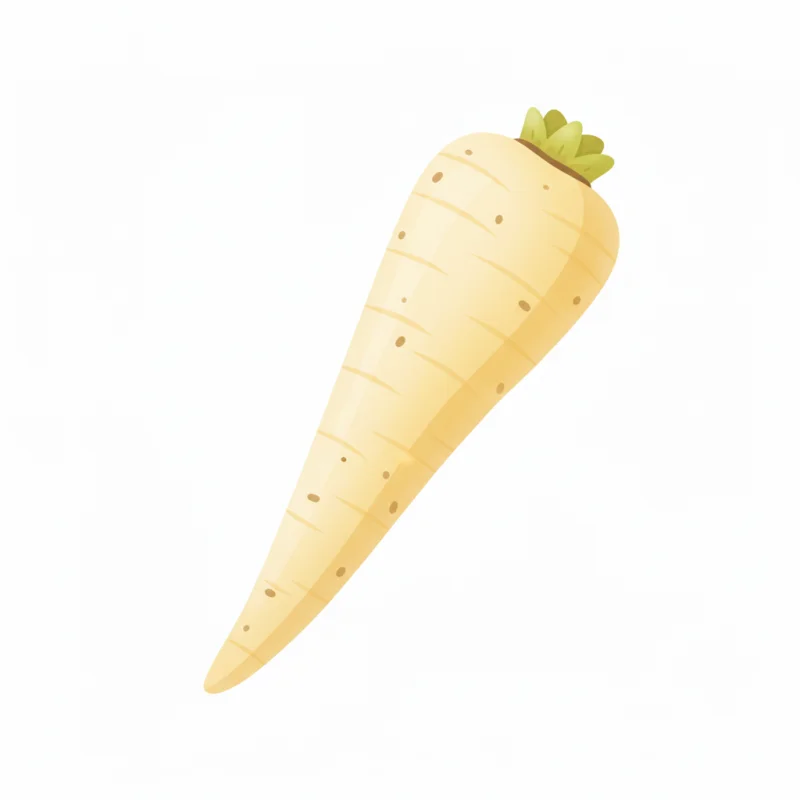
Parsnips are a wonderful first vegetable for your baby, offering a naturally sweet, earthy flavor that many little ones enjoy. They're packed with nutrients that support your baby's growth and development, including vitamin C for immune health and potassium for healthy muscle function.1 Their smooth texture when cooked makes them easy to puree or mash, perfect for introducing new tastes.

PPippin Feeding TeamReviewed by feeding specialists · Updated March 2026
First age6m+
CategoryVegetable
Common allergenNo
Choking riskLow

When can babies eat Parsnip?

Parsnips can be introduced around 6 months when your baby starts solids, as they're easy to digest and unlikely to cause allergies. They work well as one of baby's first vegetables alongside other mild options like sweet potato or carrot.

Storage tip

Store whole, unpeeled parsnips in the refrigerator's crisper drawer for up to 2 weeks. Once cooked and pureed, they'll keep in the refrigerator for 2-3 days or can be frozen in ice cube trays for up to 3 months.

How to serve Parsnip by age

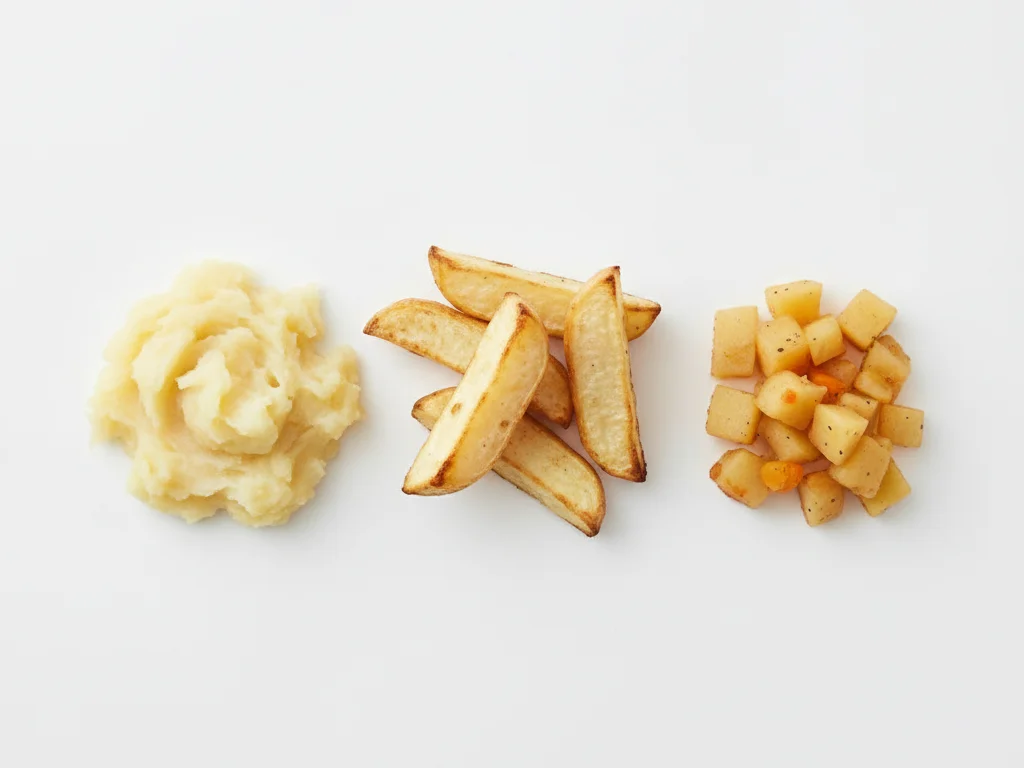
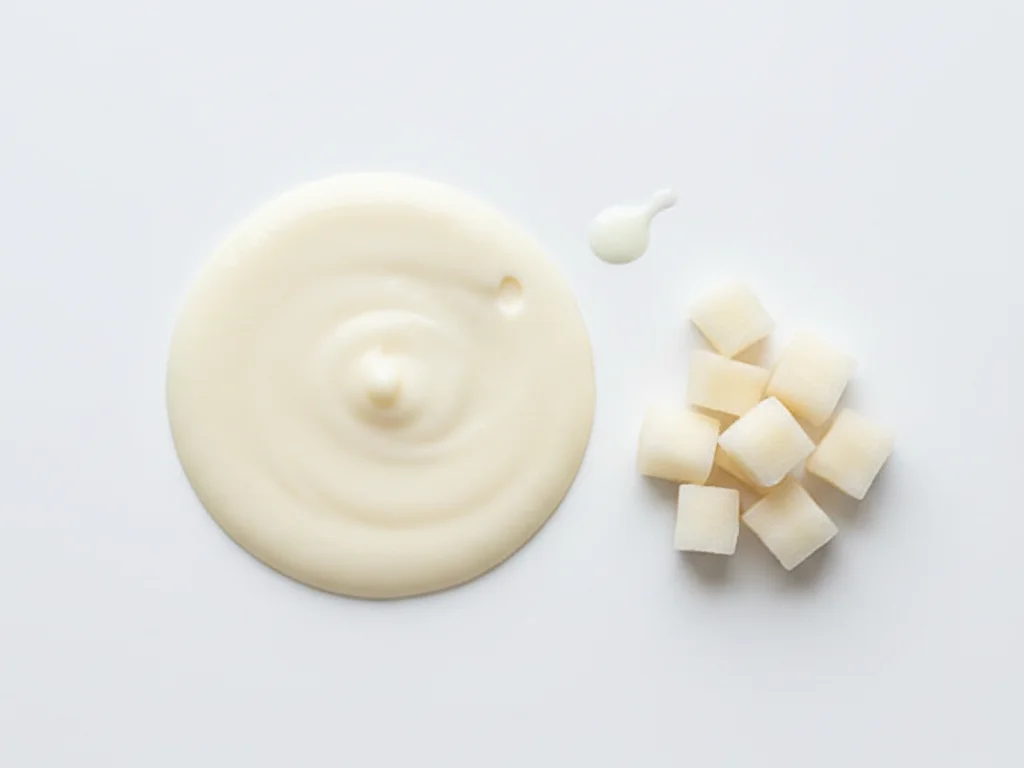
Peel parsnips thoroughly and cut into small chunks. Steam or boil until very soft (about 10-15 minutes), then puree with a little breast milk, formula, or water until completely smooth. The texture should be similar to yogurt with no lumps.6 to 9 months

Peel parsnips thoroughly and cut into small chunks. Steam or boil until very soft (about 10-15 minutes), then puree with a little breast milk, formula, or water until completely smooth. The texture should be similar to yogurt with no lumps.

  • Always peel parsnips well as the skin can be tough
  • Test softness by easily piercing with a fork
  • Add liquid gradually to achieve desired consistency
  • Mix with sweeter vegetables like sweet potato if baby is hesitant
  • Serve at room temperature to avoid burning baby's mouth
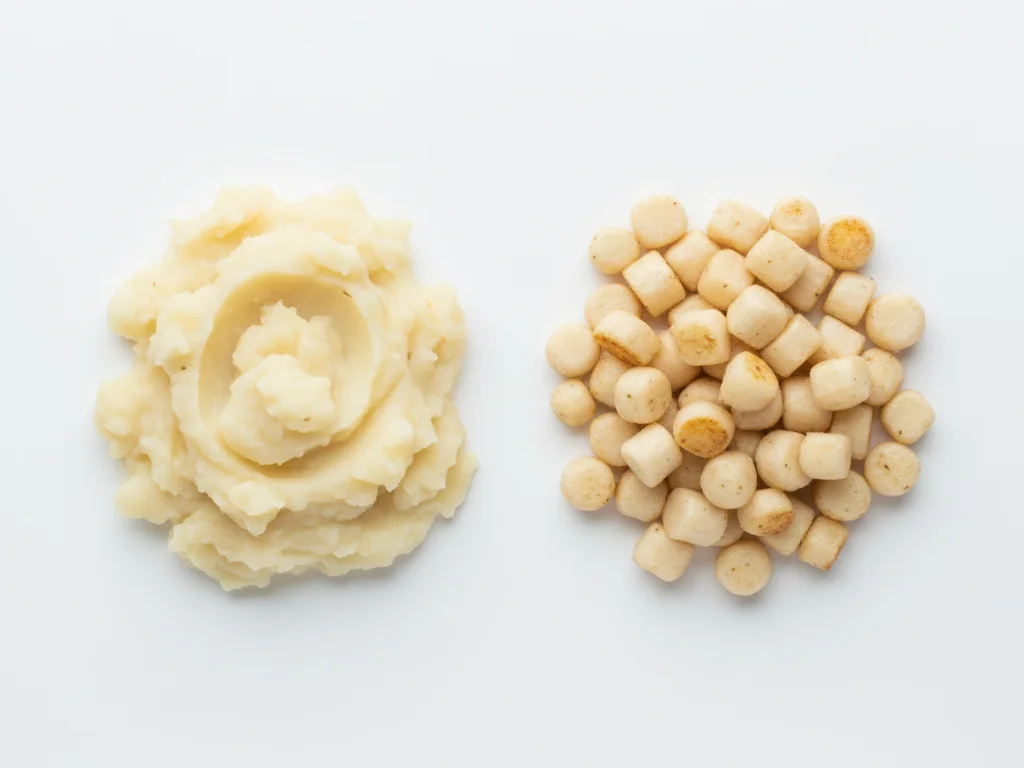
Peel and cut parsnips into small chunks, then steam or roast until tender but still holding shape. Mash with a fork for a lumpier texture that encourages chewing, or cut into soft, pea-sized pieces for baby to practice picking up.9 to 12 months

Peel and cut parsnips into small chunks, then steam or roast until tender but still holding shape. Mash with a fork for a lumpier texture that encourages chewing, or cut into soft, pea-sized pieces for baby to practice picking up.

  • Roasting brings out natural sweetness
  • Leave some texture to develop chewing skills
  • Cut pieces uniformly for even cooking
  • Combine with other soft vegetables for variety
  • Supervise closely as baby learns to self-feed
Offer parsnips in various forms: roasted wedges, mashed, or added to soups and stews. Cut into finger-sized pieces for easy grasping, or incorporate into family meals like roasted vegetable medleys.12 months +

Offer parsnips in various forms: roasted wedges, mashed, or added to soups and stews. Cut into finger-sized pieces for easy grasping, or incorporate into family meals like roasted vegetable medleys.

  • Try roasting with a little olive oil for enhanced flavor
  • Cut into fry-shaped pieces for fun finger food
  • Mix into pasta sauces or casseroles
  • Let toddler help wash or sprinkle herbs on parsnips
  • Continue to cook until easily pierced with a fork

Safety & allergens

Choking risk: Low

Parsnips have a low choking risk when prepared appropriately. For babies under 9 months, always serve them cooked until very soft and mashed or pureed to a smooth consistency. Once your baby has developed a pincer grasp (around 9-12 months), you can offer small, soft-cooked pieces about the size of a pea.

Not a common allergen

Parsnip is not a top allergen. As with any new food, offer it on its own and watch for any reaction.

Vitamins & minerals

Parsnips provide excellent nutrition for growing babies. They're rich in vitamin C, which helps boost iron absorption from other foods and supports immune function.2 The potassium in parsnips contributes to healthy muscle and nerve development, while the fiber promotes good digestion.3

Vitamins
Vitamin CVitamin KVitamin EVitamin FOLATE (VITAMIN B9)
Minerals
PotassiumManganeseMagnesium

Nutritional synergy

Pair parsnips with iron-rich foods like lentils or beef to enhance iron absorption, thanks to their vitamin C content.2 Their natural sweetness also balances well with tart fruits like apples or pears.

Pairs well with

Common questions

How do I select good parsnips for my baby?

Choose firm, smooth parsnips without soft spots or cracks. Smaller to medium-sized parsnips tend to be sweeter and more tender than larger ones, which can sometimes have a woody core. Avoid any with visible mold or shriveling.

What if my baby makes a funny face when trying parsnips?

It's completely normal for babies to make faces when trying new foods—it doesn't necessarily mean they dislike it. The earthy flavor of parsnips might be new to them. Keep offering small amounts mixed with familiar foods, and remember it can take 10-15 exposures before babies accept a new food.

Can I mix parsnips with other foods?

Absolutely! Parsnips blend beautifully with many foods. Try mixing them with apples for sweetness, carrots for color, or chicken for added protein. Their mild flavor makes them versatile, and mixing can help introduce the taste gradually if your baby seems hesitant.

Sources & references

  1. 1USDA FoodData Central, 2024
  2. 2Lynch SR & Cook JD, 1980
  3. 3Weaver CM, 2013