Rosemary

Herb / Spice

Rosemary

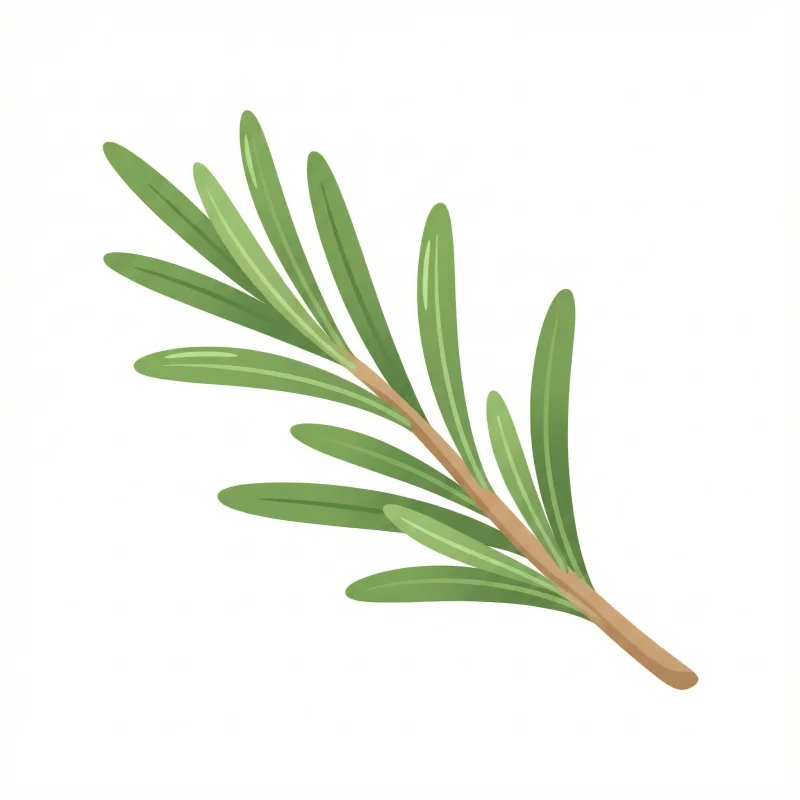
Rosemary is a fragrant herb that can add a lovely, earthy flavor to your baby's meals. While it's not a major source of nutrition on its own, it contains small amounts of vitamins and minerals like vitamin C, which supports immune function1, and iron, which is crucial for healthy blood cell development2. Its aromatic quality can help introduce your baby to a variety of flavors, making mealtime more interesting.

PPippin Feeding TeamReviewed by feeding specialists · Updated January 2026
First age6m+
CategoryHerb / Spice
Common allergenNo
Choking riskLow

When can babies eat Rosemary?

You can introduce rosemary around 6 months when starting solids, but use it sparingly as a seasoning rather than a main ingredient due to its strong flavor.

Storage tip

Store fresh rosemary in a plastic bag in the refrigerator for up to 2 weeks, or dry it by hanging it upside down in a cool, dark place. Dried rosemary lasts for about 6 months in an airtight container.

How to serve Rosemary by age

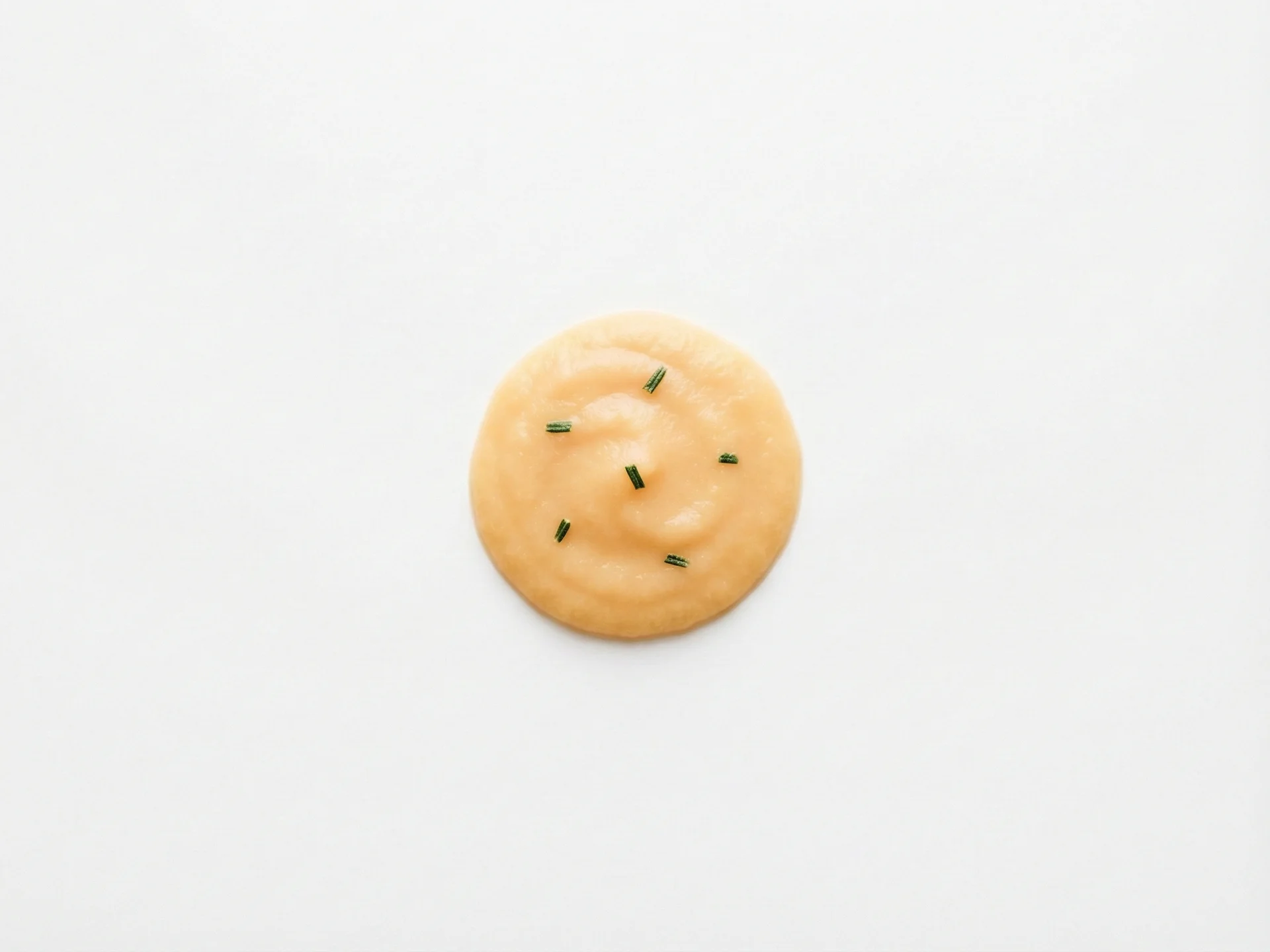
For babies 8-12 months, use rosemary in very small amounts, finely chopped or dried and ground, mixed into soft, mashed foods. This helps introduce the flavor without overwhelming their developing palate or posing a choking risk. Focus on incorporating it into dishes where it blends seamlessly, like purees or grain-based meals.8 to 12 months

For babies 8-12 months, use rosemary in very small amounts, finely chopped or dried and ground, mixed into soft, mashed foods. This helps introduce the flavor without overwhelming their developing palate or posing a choking risk. Focus on incorporating it into dishes where it blends seamlessly, like purees or grain-based meals.

  • Chop fresh rosemary leaves as finely as possible to avoid any tough bits.
  • Start with a tiny pinch (about 1/4 teaspoon) mixed into a larger serving of food.
  • Combine with mild foods like mashed avocado or yogurt to balance the strong flavor.
  • Avoid serving rosemary on its own; always mix it into other safe, soft textures.
  • Monitor your baby's reaction to the new flavor and adjust the amount if needed.
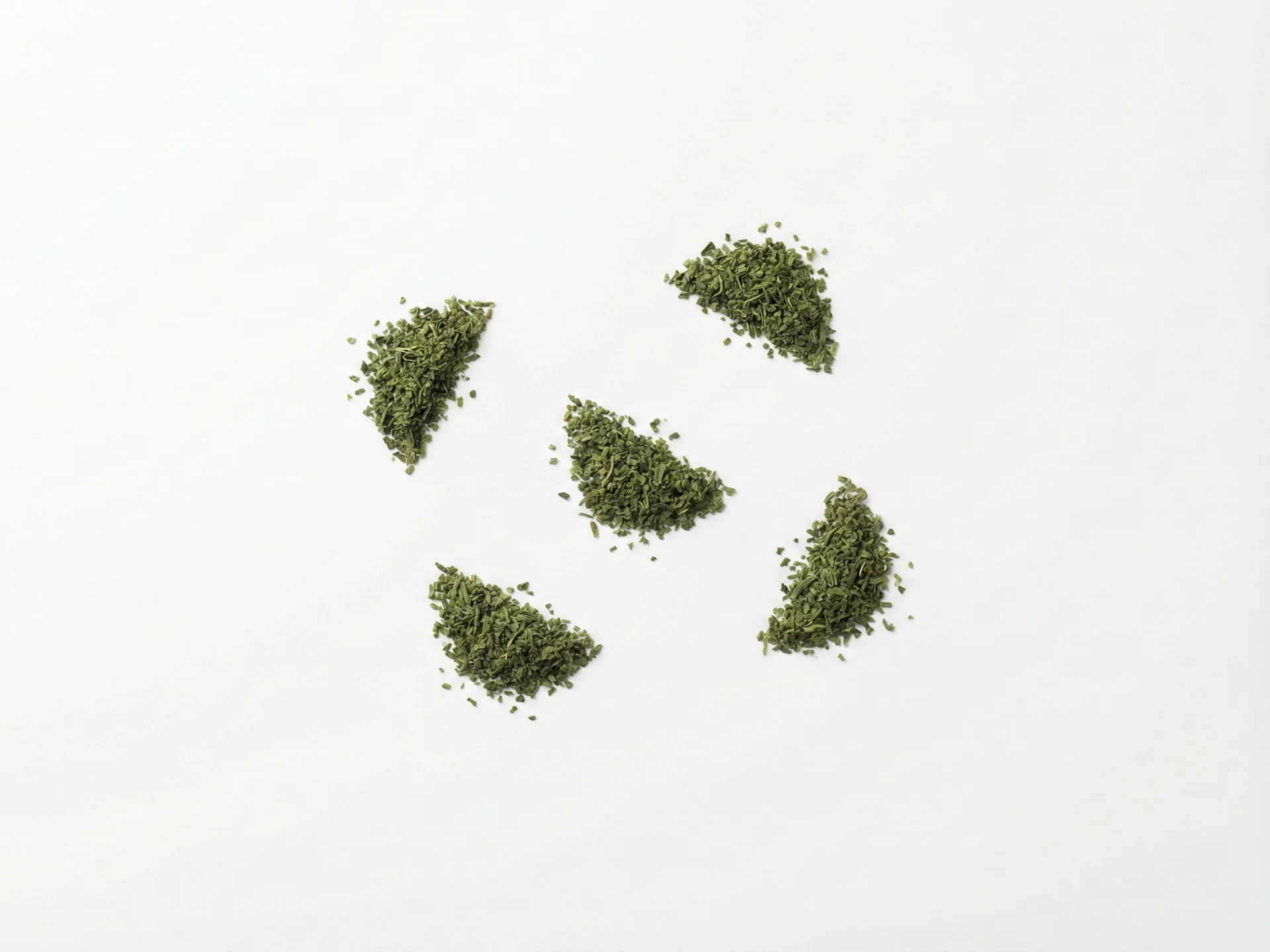
For toddlers 12 months and up, you can use rosemary more liberally in cooked dishes, still ensuring it's finely chopped. It can be added to roasted vegetables, meats, or grain dishes to enhance flavor and nutrition. At this stage, babies can handle slightly larger pieces, but continue to avoid whole leaves to maintain safety.12 months +

For toddlers 12 months and up, you can use rosemary more liberally in cooked dishes, still ensuring it's finely chopped. It can be added to roasted vegetables, meats, or grain dishes to enhance flavor and nutrition. At this stage, babies can handle slightly larger pieces, but continue to avoid whole leaves to maintain safety.

  • Incorporate rosemary into family meals like soups, stews, or baked dishes for easy exposure.
  • Use it to season soft finger foods like roasted carrot sticks or chicken strips.
  • Experiment with dried rosemary in homemade spice blends for a mild, aromatic touch.
  • Encourage self-feeding by letting your toddler explore rosemary-infused foods on their plate.
  • Always supervise meals to ensure safe chewing and swallowing, especially with herb pieces.

Safety & allergens

Choking risk: Low

Rosemary itself poses a low choking risk because it's typically used in tiny amounts as a seasoning. However, always remove any tough stems before adding it to dishes, and ensure it's finely chopped or ground to avoid any small, hard pieces that could be a hazard.

Not a common allergen

Rosemary is not a top allergen. As with any new food, offer it on its own and watch for any reaction.

Vitamins & minerals

Rosemary provides small amounts of key nutrients: vitamin C helps boost immunity and aids in iron absorption13, while iron supports oxygen transport in the blood2. It also contains antioxidants that may contribute to overall health4, though these benefits are more studied in adults.

Vitamins
Vitamin AVitamin CVitamin B6Vitamin B9
Minerals
IronCalciumMagnesiumPotassiumManganese

Nutritional synergy

Pair rosemary with iron-rich foods like lentils or spinach, as the vitamin C in rosemary can enhance iron absorption3, making meals more nutritious for your baby.

Common questions

How much rosemary should I use for my baby?

Start with a tiny pinch (about 1/8 teaspoon dried or a small fresh sprig) mixed into purees or soft foods. Rosemary has a strong flavor, so a little goes a long way to avoid overwhelming your baby's taste buds.

Can I use dried rosemary instead of fresh?

Yes, dried rosemary works well and is often more convenient. Just use about half the amount of dried compared to fresh, as it's more concentrated. Crush it finely before adding to ensure it blends smoothly into baby food.

What if my baby doesn't like the taste of rosemary?

It's common for babies to be hesitant with strong herbs. Try mixing it with familiar foods like sweet potato or chicken. If they reject it, wait a week and try again—it can take multiple exposures for babies to accept new flavors.

Sources & references

  1. 1Carr & Maggini, 2017
  2. 2WHO, 2020
  3. 3Lynch, 2011
  4. 4Nieto et al., 2018