Paprika

Herb / Spice

Paprika

Paprika is a vibrant, mildly sweet spice made from ground bell peppers that can add color and flavor to your baby's meals. It's packed with antioxidants like vitamin C, which supports a healthy immune system1, and vitamin A, crucial for good vision and skin health2. Its gentle flavor makes it a great way to introduce new tastes without overwhelming little ones.

PPippin Feeding TeamReviewed by feeding specialists · Updated January 2026
First age6m+
CategoryHerb / Spice
Common allergenNo
Choking riskLow

When can babies eat Paprika?

You can introduce paprika around 6 months when starting solids, as it's generally well-tolerated and not a common allergen. Start with a tiny pinch mixed into familiar foods to see how your baby reacts.

Storage tip

Store paprika in an airtight container in a cool, dark place like a pantry to preserve its color and flavor. It typically stays fresh for 6-12 months; if it loses its vibrant red hue or aroma, it's time to replace it.

How to serve Paprika by age

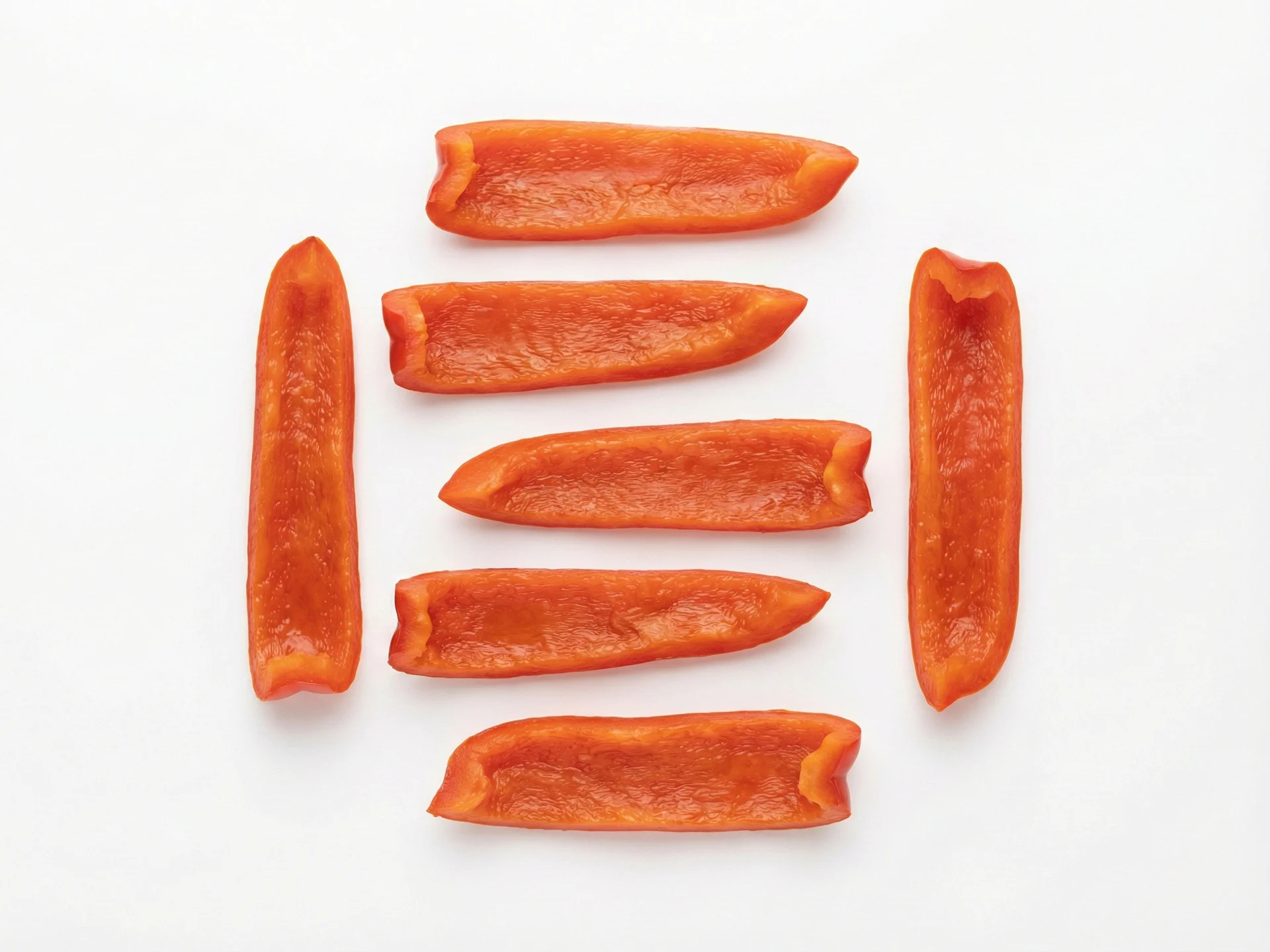
For 6-9 month olds, cook paprika until very soft (steamed, roasted, or sautéed) and cut into long, thick strips about the size of two adult fingers. This shape is easy for babies to grasp and brings to their mouth. Remove any tough skin that hasn't softened during cooking.6 to 9 months

For 6-9 month olds, cook paprika until very soft (steamed, roasted, or sautéed) and cut into long, thick strips about the size of two adult fingers. This shape is easy for babies to grasp and brings to their mouth. Remove any tough skin that hasn't softened during cooking.

  • Steam or roast until fork-tender
  • Cut into 2-3 inch long strips
  • Remove seeds and membranes
  • Test softness by pressing between your fingers
  • Offer alongside other soft foods
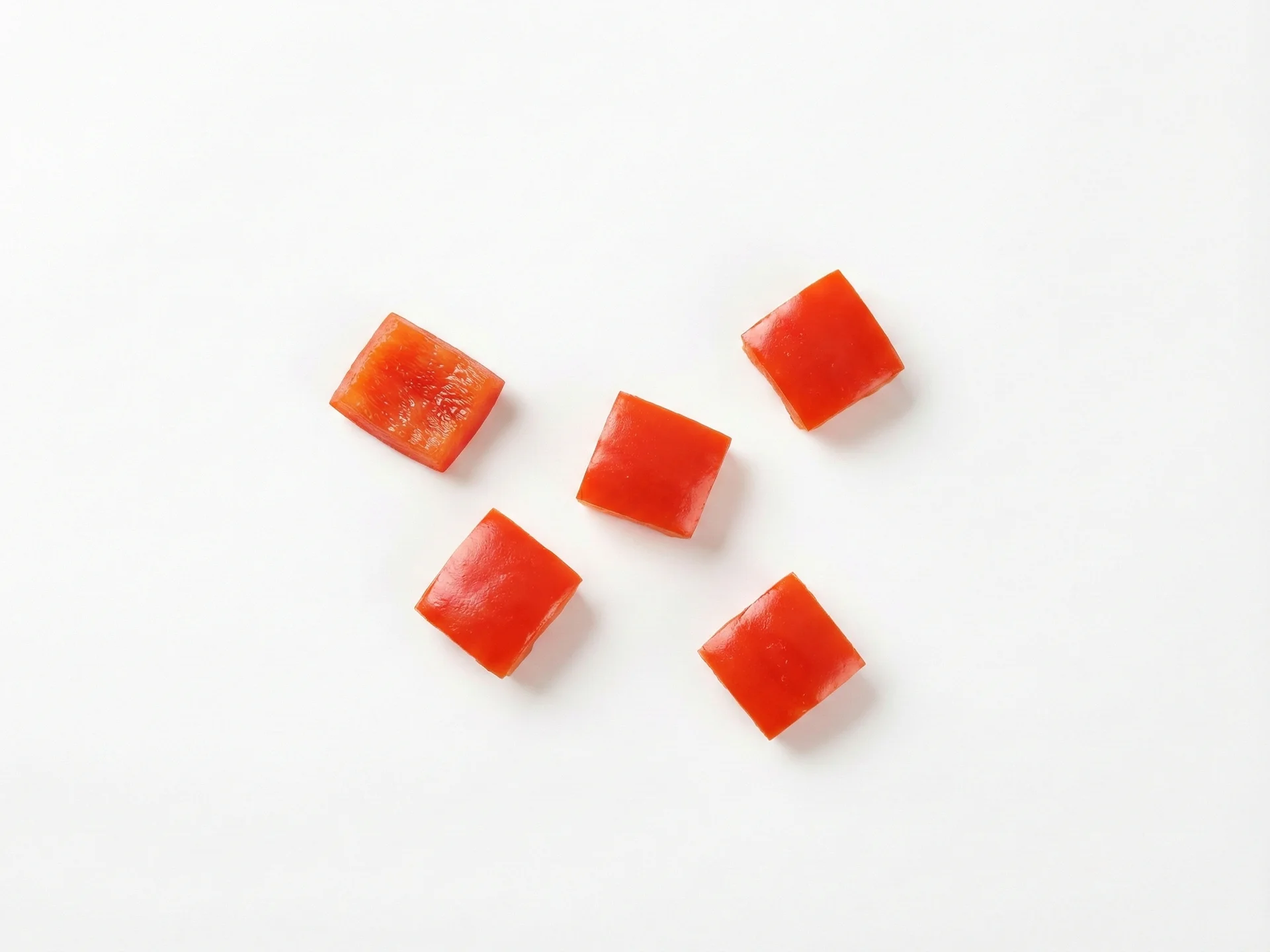
For 9-12 month olds, you can offer smaller pieces as pincer grasp develops. Cook until soft and cut into bite-sized pieces about the size of a pea. You can also mix cooked, diced paprika into other foods like scrambled eggs or rice dishes.9 to 12 months

For 9-12 month olds, you can offer smaller pieces as pincer grasp develops. Cook until soft and cut into bite-sized pieces about the size of a pea. You can also mix cooked, diced paprika into other foods like scrambled eggs or rice dishes.

  • Dice into small, pea-sized pieces
  • Mix into other soft foods
  • Try roasting with a little olive oil
  • Combine with grains or proteins
  • Offer both as finger food and mixed dishes
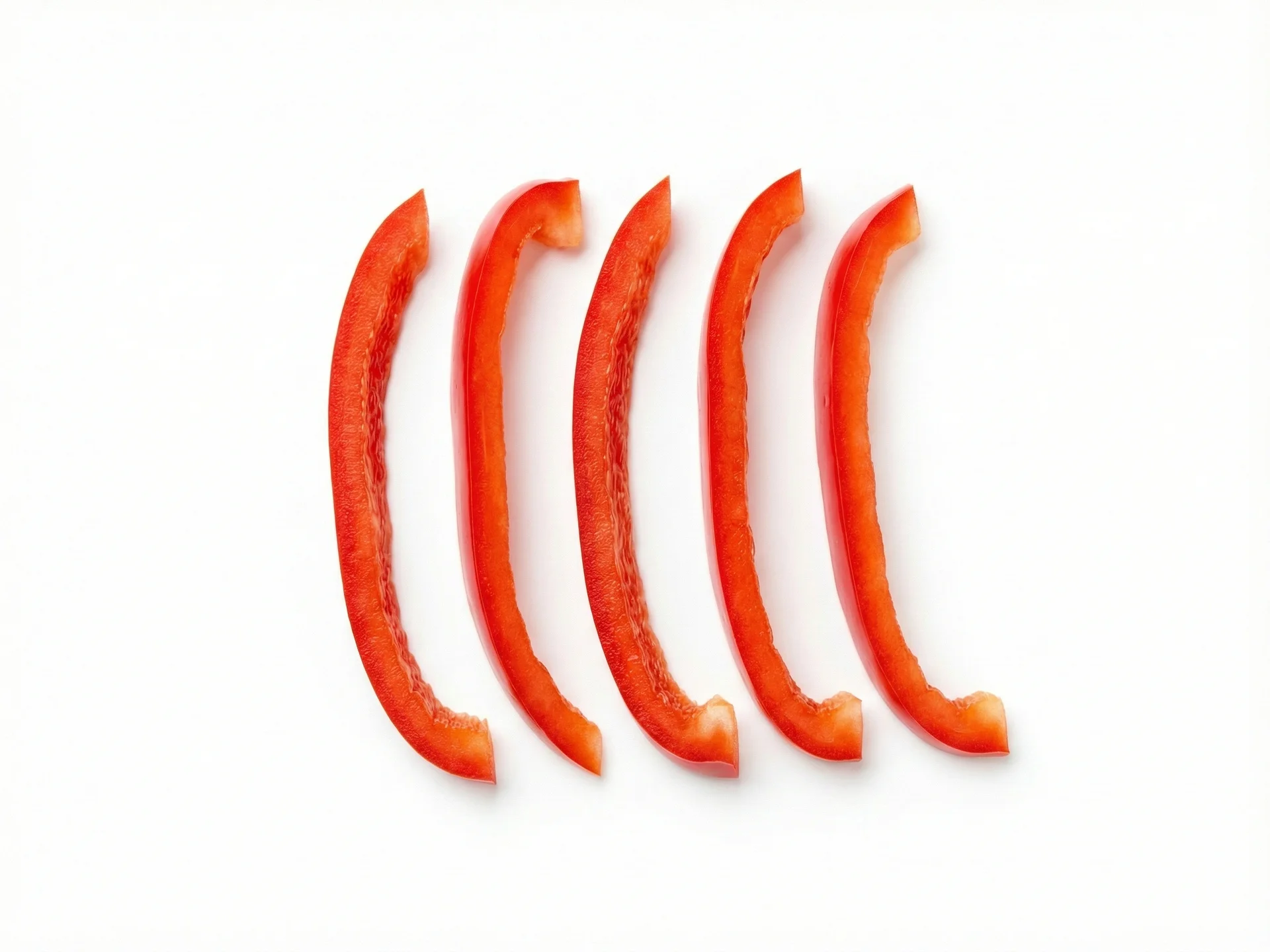
For toddlers 12 months and up, you can offer a wider variety of preparations. Include raw, thin strips for older toddlers with good chewing skills, incorporate paprika into family meals, and experiment with different cooking methods like grilling or stuffing.12 months +

For toddlers 12 months and up, you can offer a wider variety of preparations. Include raw, thin strips for older toddlers with good chewing skills, incorporate paprika into family meals, and experiment with different cooking methods like grilling or stuffing.

  • Introduce raw, thin strips gradually
  • Include in family meals like stir-fries
  • Try different colors for variety
  • Use as a pizza topping or in pasta sauces
  • Combine with dips like hummus or yogurt

Safety & allergens

Choking risk: Low

Paprika is a fine powder, so it poses minimal choking risk when used as a seasoning. Always mix it thoroughly into purees, mashed foods, or soft dishes to avoid clumps. For older babies, ensure it's evenly distributed in cooked meals.

Not a common allergen

Paprika is not a top allergen. As with any new food, offer it on its own and watch for any reaction.

Vitamins & minerals

Paprika is rich in vitamin C, which helps boost iron absorption from plant-based foods like beans or lentils3, and vitamin A, important for eye development and immune function2. It also contains iron, essential for healthy blood cells4, and potassium, which supports nerve and muscle function5.

Vitamins
Vitamin AVitamin CVitamin EVitamin B6
Minerals
IronPotassiumManganese

Nutritional synergy

Pair paprika with iron-rich foods like spinach or lentils; the vitamin C in paprika enhances iron absorption, making it more available for your baby's body3.

Common questions

How much paprika should I give my baby?

Start with just a pinch (about 1/8 teaspoon) mixed into a serving of food to introduce the flavor. You can gradually increase to 1/4 teaspoon as your baby gets used to it, but avoid over-seasoning since babies' taste buds are sensitive.

What's the difference between sweet and smoked paprika for babies?

Sweet paprika is milder and best for beginners, while smoked paprika has a stronger, smoky flavor that might be too intense for young babies. Stick with sweet paprika initially, and if you try smoked, use even less and watch for any reactions.

Can paprika cause digestive issues in babies?

In small amounts, paprika is usually gentle on digestion. If your baby shows signs of discomfort like gas or fussiness after eating it, reduce the amount or pause for a few days. Always introduce new foods one at a time to monitor reactions.

Sources & references

  1. 1Carr & Maggini, 2017
  2. 2NIH Office of Dietary Supplements, 2023
  3. 3Lynch & Cook, 1980
  4. 4NIH Office of Dietary Supplements, 2023
  5. 5NIH Office of Dietary Supplements, 2023