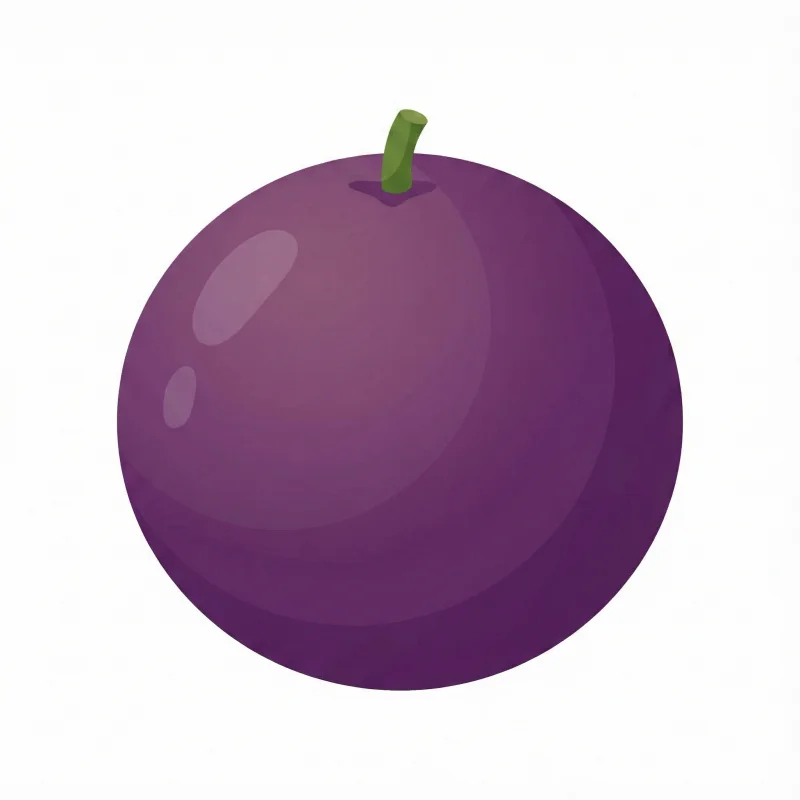
Star apple

Fruit

Star apple

Star apple is a sweet, tropical fruit with a creamy texture that many babies enjoy. It's packed with Vitamin C to support your baby's immune system1 and Vitamin A for healthy vision development2. The soft, pudding-like flesh makes it easy to prepare for little ones just starting solids.

PPippin Feeding TeamReviewed by feeding specialists · Updated July 2026
First age6m+
CategoryFruit
Common allergenNo
Choking riskLow

When can babies eat Star apple?

You can introduce star apple around 6 months when your baby shows readiness for solids. It's a great first fruit due to its mild flavor and smooth texture when pureed.

Storage tip

Store whole star apples at room temperature until ripe, then refrigerate for up to 3 days. Once cut or pureed, store in an airtight container in the refrigerator for 1-2 days.

How to serve Star apple by age

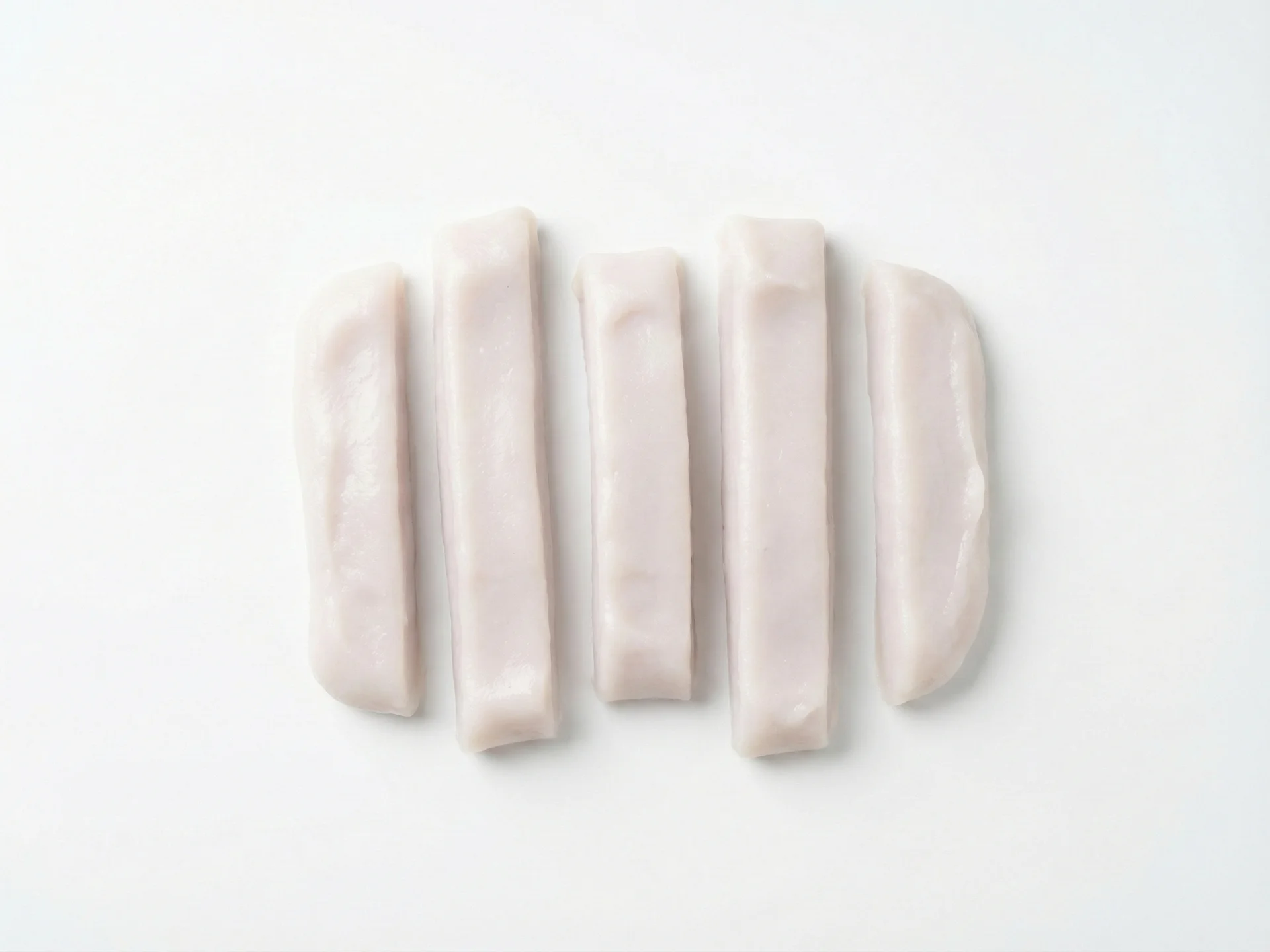
For beginners, peel the star apple completely and remove all seeds. Mash the creamy flesh with a fork until smooth or offer in thick, palm-sized strips that your baby can grasp. The strips should be about the size of two adult fingers pressed together.6 to 9 months

For beginners, peel the star apple completely and remove all seeds. Mash the creamy flesh with a fork until smooth or offer in thick, palm-sized strips that your baby can grasp. The strips should be about the size of two adult fingers pressed together.

  • Always supervise your baby during feeding
  • Remove all seeds as they're a choking hazard
  • Test the texture by pressing between your fingers - it should mash easily
  • Offer on a high chair tray for easy grasping
  • Start with small amounts to check for tolerance
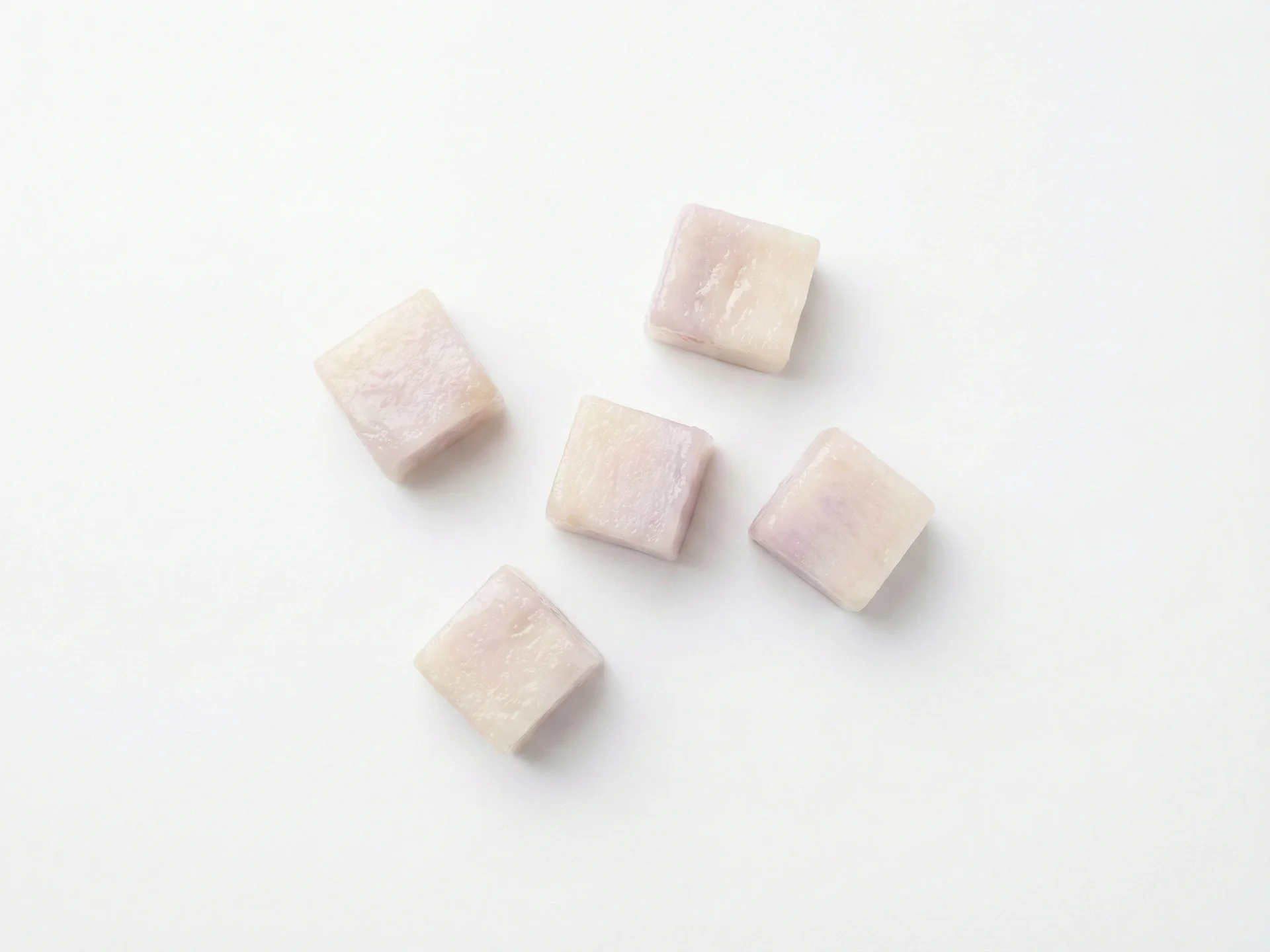
As your baby develops a pincer grasp, you can offer smaller, bite-sized pieces of peeled star apple. The pieces should be soft enough to mash between your fingers. You can also mix it into yogurt, oatmeal, or other soft foods.9 months +

As your baby develops a pincer grasp, you can offer smaller, bite-sized pieces of peeled star apple. The pieces should be soft enough to mash between your fingers. You can also mix it into yogurt, oatmeal, or other soft foods.

  • Cut into pea-sized pieces for developing pincer grasp
  • Mix with other soft fruits for variety
  • Use as a natural sweetener in plain yogurt
  • Combine with avocado for a creamy nutrient boost
  • Offer alongside protein sources for balanced meals

Safety & allergens

Choking risk: Low

Star apple has a naturally soft texture when ripe, making it low risk. Always remove the seeds and any tough skin before serving. For younger babies, puree thoroughly to eliminate any small, slippery pieces that could pose a risk.

Not a common allergen

Star apple is not a top allergen. As with any new food, offer it on its own and watch for any reaction.

Vitamins & minerals

Star apple provides Vitamin C, which helps your baby absorb iron from other foods3, and Vitamin A for healthy eyes and skin2. It also contains potassium for proper muscle function4 and calcium to support growing bones5. The fiber content can help regulate digestion without causing constipation6.

Vitamins
Vitamin CVitamin AVitamin B6Vitamin B9
Minerals
PotassiumCalciumMagnesiumIron

Nutritional synergy

Pair star apple with iron-rich foods like spinach or lentils, as its Vitamin C enhances iron absorption3. It also combines well with yogurt for added calcium and probiotics.

Common questions

How do I know when a star apple is ripe?

A ripe star apple will feel slightly soft when gently pressed and may have a dull, matte skin rather than shiny. The flesh inside should be creamy and sweet-smelling. Avoid fruits with mold or dark spots.

Can I freeze star apple puree for later use?

Yes! Puree the flesh and freeze in ice cube trays for up to 2 months. Thaw in the refrigerator overnight and stir well before serving to ensure a smooth consistency.

What if my baby doesn't like star apple at first?

It's normal for babies to need multiple exposures to accept new flavors. Try mixing a small amount with familiar foods like banana or oatmeal. Offer it again in a few days without pressure—tastes can change quickly!

Sources & references

  1. 1Carr & Maggini, 2017
  2. 2Gilbert, 2013
  3. 3Lynch, 2011
  4. 4Stone et al., 2016
  5. 5Weaver, 2014
  6. 6Yang et al., 2012