Crab

Protein

Crab

Crab is a delicious, flaky seafood that offers a unique taste and texture experience for your baby. It's packed with high-quality protein to support your little one's growth and development1, along with essential vitamins and minerals that contribute to a healthy immune system and energy production2. Its naturally sweet, briny flavor can help expand your baby's palate while providing important nutrients.

PPippin Feeding TeamReviewed by feeding specialists · Updated July 2026
First age6m+
CategoryProtein
Common allergenYes
Choking riskMedium

When can babies eat Crab?

Crab can be introduced around 6 months when your baby starts solids, but because it's a shellfish allergen, many pediatricians recommend waiting until 8-9 months to introduce shellfish after other common allergens have been tried.

Storage tip

Fresh crab should be cooked and served immediately or refrigerated for up to 2 days. Cooked crab freezes well for 2-3 months when stored in airtight containers.

How to serve Crab by age

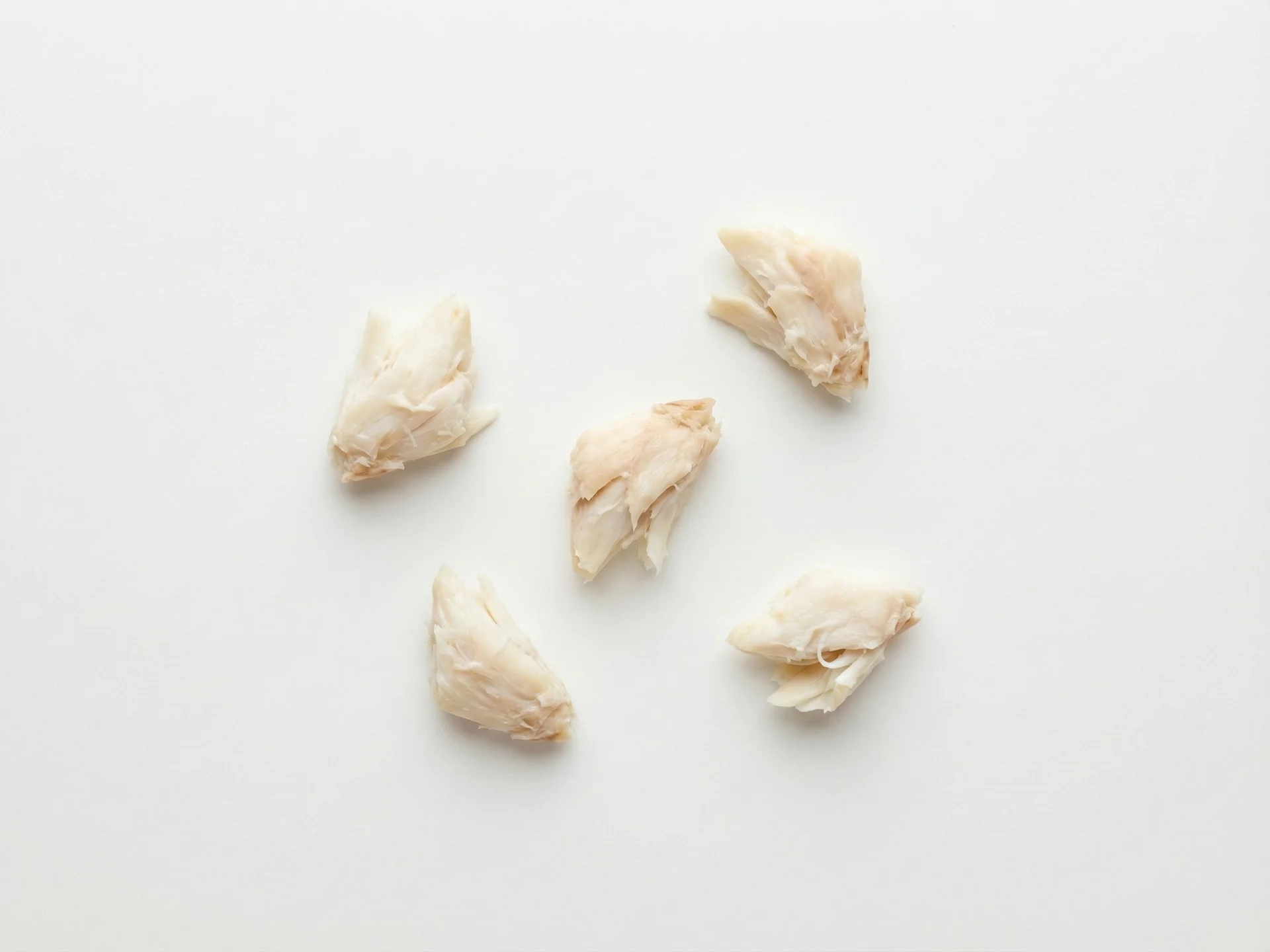
For babies 12-18 months, serve crab as small, flaky pieces that they can easily pick up with their fingers. Ensure all shell is completely removed and the meat is cooked until opaque and tender. You can mix it into soft foods like mashed avocado or yogurt to make it easier to handle.12 to 18 months

For babies 12-18 months, serve crab as small, flaky pieces that they can easily pick up with their fingers. Ensure all shell is completely removed and the meat is cooked until opaque and tender. You can mix it into soft foods like mashed avocado or yogurt to make it easier to handle.

  • Steam or boil crab until fully cooked (internal temperature of 145°F)
  • Use your fingers to shred the meat into tiny, manageable pieces
  • Mix with mashed sweet potato or avocado to create a sticky texture
  • Avoid adding salt, butter, or heavy seasonings
  • Serve at room temperature to prevent burning delicate mouths
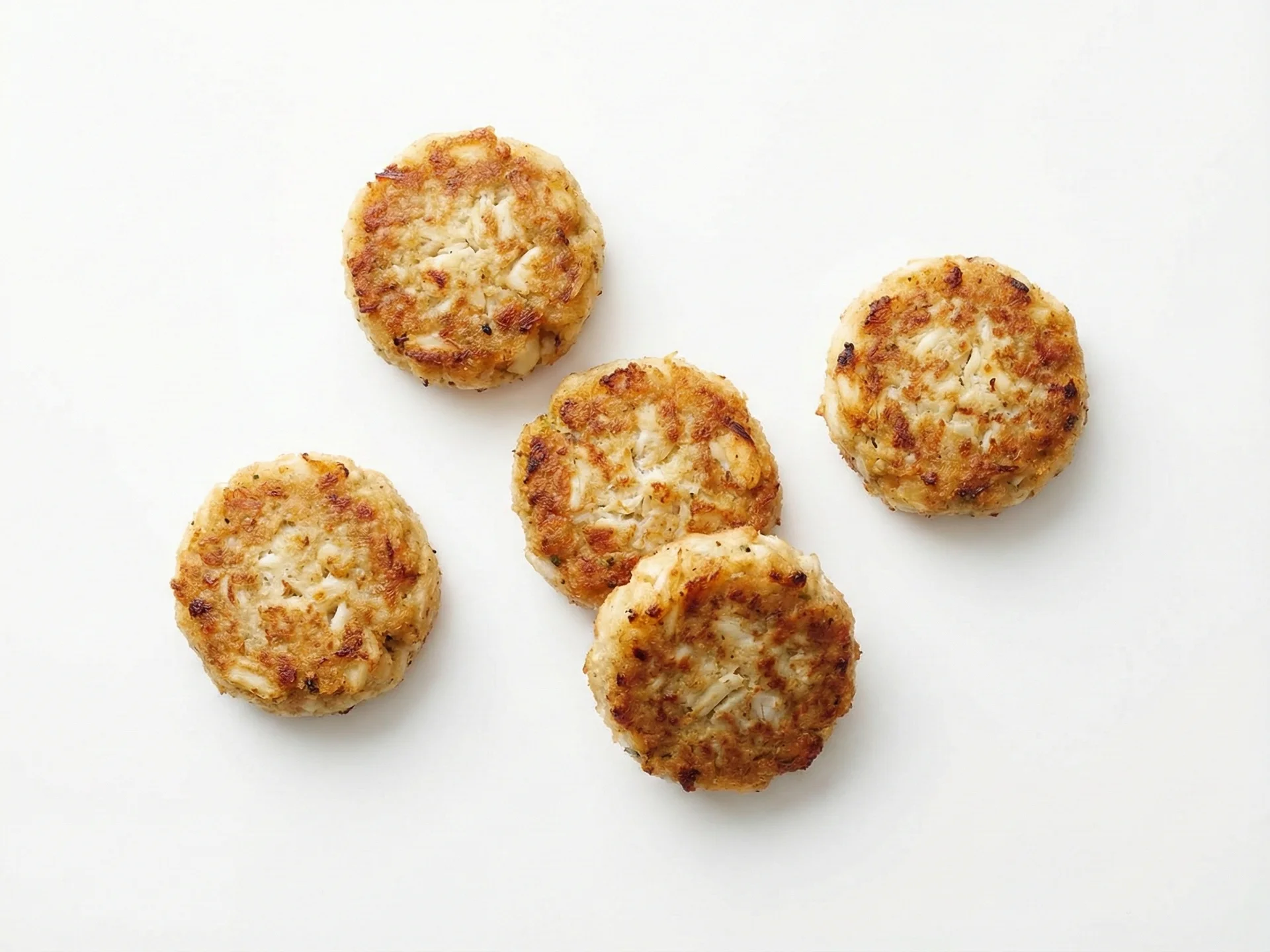
For toddlers 18 months and older, you can offer larger pieces of crab meat that they can practice biting and chewing. Crab cakes or patties made with minimal ingredients are a great option. Continue to ensure all shell fragments are removed before serving.18 months +

For toddlers 18 months and older, you can offer larger pieces of crab meat that they can practice biting and chewing. Crab cakes or patties made with minimal ingredients are a great option. Continue to ensure all shell fragments are removed before serving.

  • Make mini crab cakes with breadcrumbs and egg as binders
  • Offer crab salad on whole grain toast fingers
  • Include crab in pasta dishes or rice bowls
  • Teach your child to check for shell pieces as they eat
  • Pair with dipping sauces like yogurt-based dressings

Safety & allergens

Choking risk: Medium

Crab meat itself has a soft, flaky texture that's generally safe when properly prepared, but the shell fragments pose a significant choking hazard. Always remove all shell pieces thoroughly and check the meat carefully. For younger babies, flake the meat finely and mix with other foods to create a manageable texture.

Common allergen

Shellfish allergies affect about 0.5-2% of the population, with crab being one of the most common shellfish allergens3.

Watch for symptoms:

  • Hives
  • Swelling of lips/face
  • Digestive upset
  • Difficulty breathing
  • Wheezing

Introduce crab in a very small amount (about ¼ teaspoon) and watch for reactions for 3 days4. Since shellfish allergies can be serious, many pediatricians recommend introducing shellfish at home rather than daycare and having children's antihistamine available. Always consult your pediatrician before introducing major allergens5.

Vitamins & minerals

Crab provides excellent nutrition for growing babies. It's rich in Vitamin B12, which supports healthy brain development and nervous system function6. The zinc content helps boost immune function and supports growth7, while selenium acts as an important antioxidant8. Crab also contains copper, which aids in iron absorption and supports bone health9.

Vitamins
Vitamin B12Vitamin B3Vitamin B2Vitamin B6Vitamin B5Vitamin E
Minerals
ZincCopperSeleniumPhosphorusMagnesiumSodium

Nutritional synergy

Pair crab with vitamin C-rich foods like bell peppers or citrus to enhance iron absorption from plant-based foods in the same meal10.

Common questions

How do I select fresh crab for my baby?

Look for fresh crab that smells clean and oceanic, not fishy. For convenience and safety, many parents choose pre-cooked, shelled crab meat from reputable sources. Always check for any remaining shell fragments before serving to your baby.

What if my baby doesn't like the taste of crab?

It's common for babies to need multiple exposures to accept new flavors. Try mixing small amounts of flaked crab into foods your baby already enjoys, like mashed potatoes or avocado. The briny flavor can be strong, so starting with tiny amounts helps your baby adjust gradually.

Can I use canned crab for baby food?

Yes, canned crab can be convenient, but choose varieties packed in water with minimal sodium. Rinse it briefly to reduce sodium content further. Always check for shell fragments just as you would with fresh crab, and consider the texture—canned crab tends to be softer and easier for babies to manage.

Sources & references

  1. 1FAO/WHO, 2007
  2. 2NIH Office of Dietary Supplements, 2022
  3. 3Sicherer et al., 2010
  4. 4American Academy of Pediatrics, 2019
  5. 5Fleischer et al., 2013
  6. 6Black, 2008
  7. 7Prasad, 2013
  8. 8Rayman, 2012
  9. 9Prohaska, 2011
  10. 10Teucher et al., 2004