Tofu

Bean

Tofu

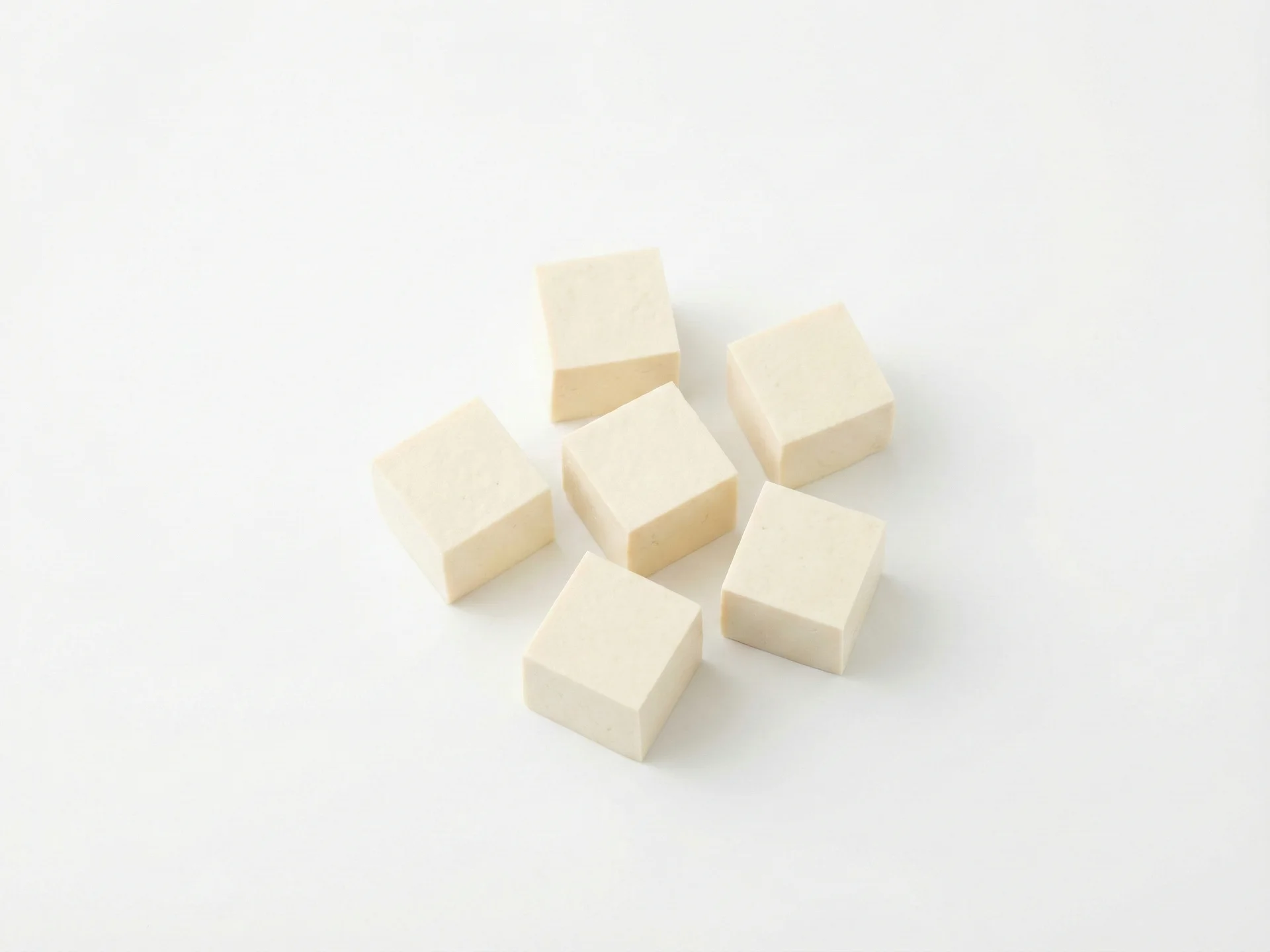
Tofu is a wonderful plant-based protein for your baby, offering a soft, mild-tasting food that's easy to prepare. It's packed with nutrients that support your little one's growth, including calcium for strong bones4 and iron for healthy blood development. Its smooth texture makes it a great first food that most babies enjoy.

PPippin Feeding TeamReviewed by feeding specialists · Updated July 2026
First age6m+
CategoryBean
Common allergenYes
Choking riskLow

When can babies eat Tofu?

You can introduce tofu around 6 months, when your baby starts solids. Since it's a common allergen (soy), it's best to introduce it early and regularly, as recommended by pediatric guidelines.

Storage tip

Keep unopened tofu in the refrigerator and use it by the 'use by' date. Once opened, store it in water in a sealed container in the fridge and use within 3-4 days, changing the water daily to keep it fresh.

How to serve Tofu by age

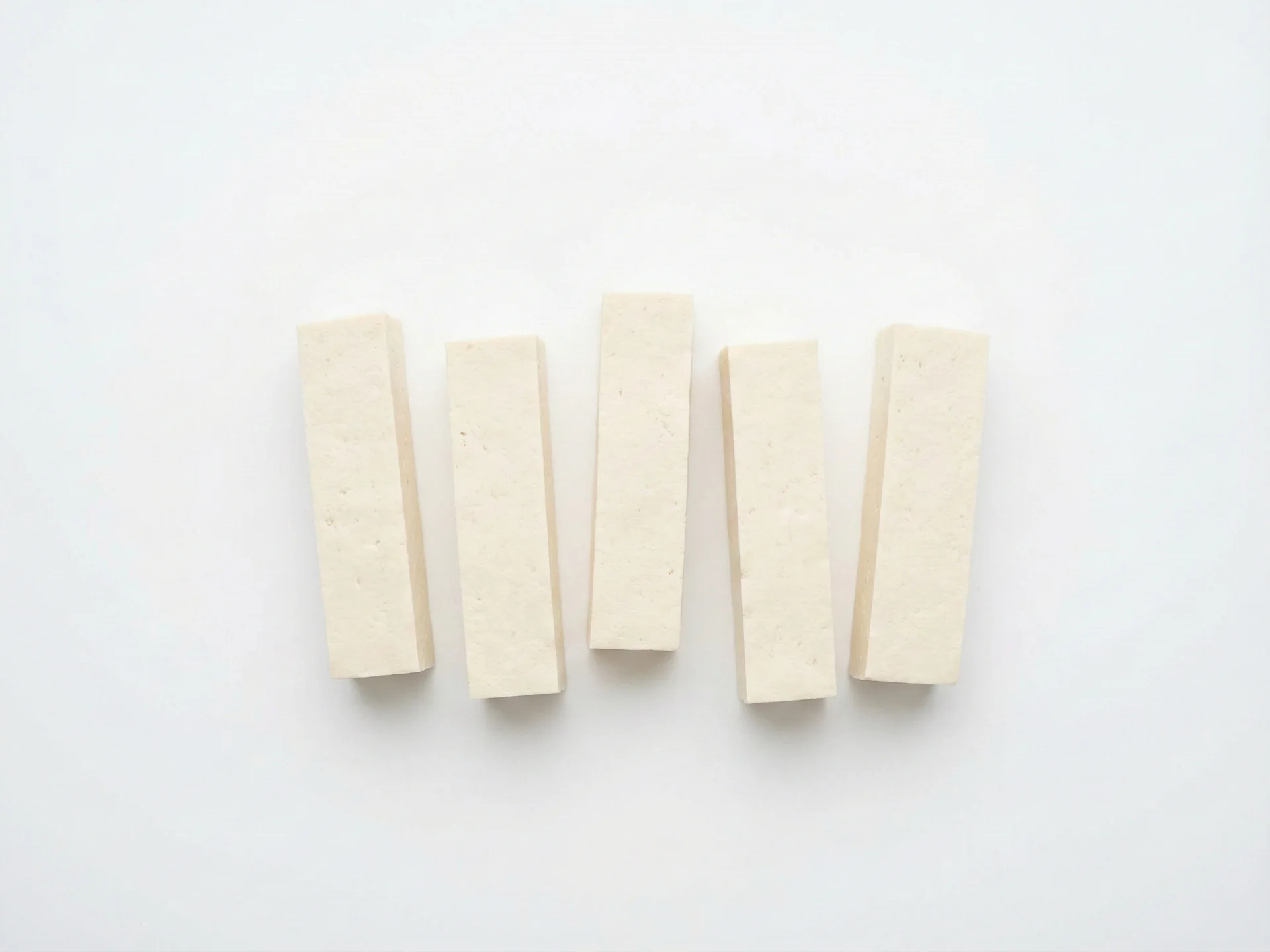
For babies 6-9 months, offer tofu in large, rectangular strips about the size of two adult fingers. This allows them to grasp it easily and gum it to a soft mash. Use firm or extra-firm tofu for better handling, and you can lightly steam or bake it to soften further if needed.6 to 9 months

For babies 6-9 months, offer tofu in large, rectangular strips about the size of two adult fingers. This allows them to grasp it easily and gum it to a soft mash. Use firm or extra-firm tofu for better handling, and you can lightly steam or bake it to soften further if needed.

  • Choose plain tofu without added salt or flavors.
  • Cut into strips roughly 2-3 inches long and 1 inch wide.
  • Serve at room temperature or slightly warmed.
  • Mash a bit with your fingers to show it's soft.
  • Supervise closely to ensure safe eating.
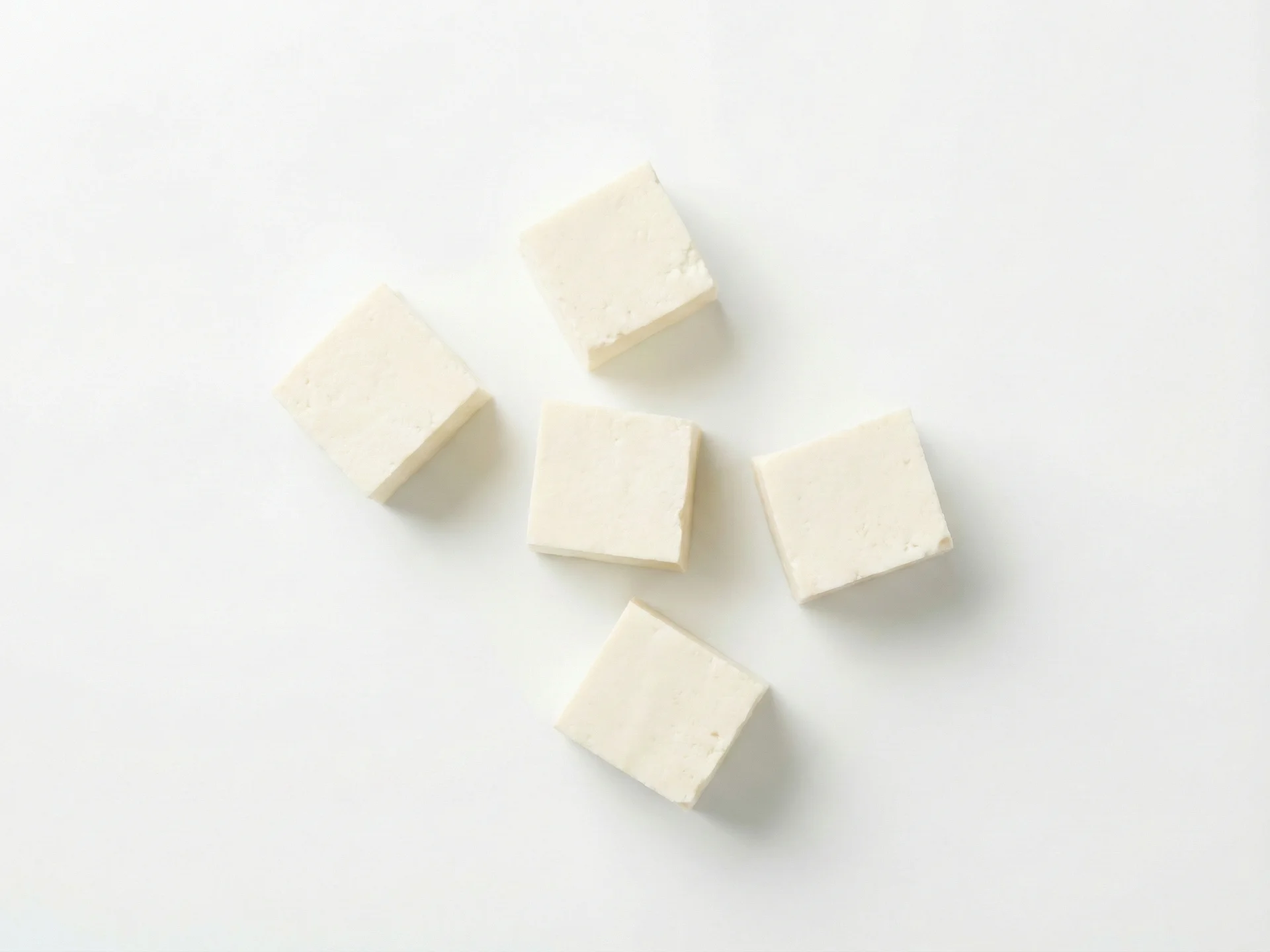
For babies 9-12 months, tofu can be offered in smaller, bite-sized cubes or crumbled pieces as they develop pincer grasp. You can mix it into meals like scrambled eggs or oatmeal, or serve it as finger food. Light cooking can add variety, but keep textures soft.9 to 12 months

For babies 9-12 months, tofu can be offered in smaller, bite-sized cubes or crumbled pieces as they develop pincer grasp. You can mix it into meals like scrambled eggs or oatmeal, or serve it as finger food. Light cooking can add variety, but keep textures soft.

  • Cut into small cubes about 1/2 inch in size.
  • Try crumbling tofu into other foods for texture exposure.
  • Lightly pan-fry or bake for a firmer texture if desired.
  • Combine with herbs or mild spices for flavor.
  • Encourage self-feeding with a spoon if mixed in dishes.
For toddlers 12 months and up, tofu can be served in various forms like cubes in stir-fries, blended into smoothies, or as part of family meals. At this stage, you can introduce firmer textures and more seasonings, but avoid high salt or sugar additions.12 months +

For toddlers 12 months and up, tofu can be served in various forms like cubes in stir-fries, blended into smoothies, or as part of family meals. At this stage, you can introduce firmer textures and more seasonings, but avoid high salt or sugar additions.

  • Incorporate tofu into family meals like soups or pasta.
  • Use as a protein in sandwiches or wraps.
  • Experiment with baking or grilling for different textures.
  • Add mild sauces or marinades for flavor.
  • Continue to monitor for choking with firmer preparations.

Safety & allergens

Choking risk: Low

Tofu is naturally soft and poses a low choking risk when prepared appropriately. For young babies, mash or puree it until smooth. For older babies, you can offer small, soft cubes that are easy to gum. Always supervise your baby during meals.

Common allergen

Soy allergy affects about 0.4% of infants and young children, making it one of the more common food allergies in this age group.2

Watch for symptoms:

  • Hives
  • Swelling
  • Digestive upset
  • Difficulty breathing

Introduce a small amount (about 1 teaspoon) of plain, well-cooked tofu and watch for any reactions over the next few hours. If there's no reaction, you can gradually increase the amount. Since soy is a common allergen, consult your pediatrician if you have a family history of food allergies or if you notice any symptoms.2

Vitamins & minerals

Tofu provides key nutrients for your baby's development. Its calcium and phosphorus work together to build strong bones and teeth4, while its iron supports healthy blood cells. The potassium in tofu helps maintain proper fluid balance and supports heart and muscle function3, and magnesium aids in bone health and energy metabolism5.

Vitamins
Vitamin B1Vitamin B2Vitamin B6Vitamin B9Vitamin K
Minerals
CalciumIronMagnesiumPhosphorusPotassiumSeleniumZinc

Nutritional synergy

Pair tofu with foods rich in vitamin C, like bell peppers or strawberries, to help your baby absorb its iron more effectively. Combining it with healthy fats, like avocado, can also aid in the absorption of fat-soluble vitamins.

Common questions

What type of tofu is best for babies?

Choose firm or extra-firm tofu for easier handling and mashing. Silken tofu works well for purees. Look for plain tofu without added salt or flavors, and organic options are a good choice if available.

How can I make tofu more appealing if my baby seems unsure?

Mix mashed tofu into familiar foods like oatmeal, yogurt, or sweet potato puree. You can also lightly steam or bake it to enhance its texture. Remember, it can take 10-15 tries for babies to accept a new food, so keep offering small amounts without pressure.

Can I freeze tofu for baby food?

Yes! Puree or mash tofu and freeze it in ice cube trays for up to 2 months. Thaw portions in the refrigerator overnight. Freezing changes the texture (making it chewier), which might be better for older babies.

Sources & references

  1. 1TBCA - Tabela Brasileira de Composição de Alimentos
  2. 2Sicherer SH et al., 2014
  3. 3Strohm D et al., 2017
  4. 4Couce ML et al., 2021
  5. 5Lönnerdal B, 1995