Lima Beans

Bean

Lima Beans

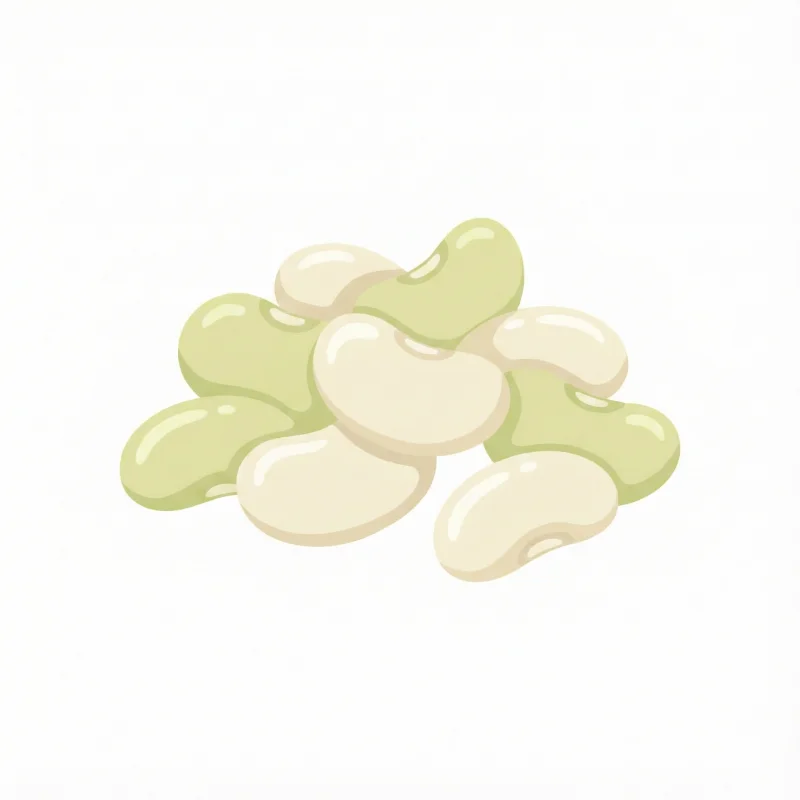
Lima beans are a wonderful first food for your baby, offering a creamy texture and mild, buttery flavor that many little ones enjoy. They're packed with nutrients that support your baby's growth and development, including iron for healthy blood cells1 and fiber for good digestion2. Plus, they're versatile and easy to prepare in various textures as your baby grows.

PPippin Feeding TeamReviewed by feeding specialists · Updated July 2026
First age6m+
CategoryBean
Common allergenNo
Choking riskMedium

When can babies eat Lima Beans?

You can introduce lima beans around 6 months, when your baby starts solids. They're a great option for early finger foods when prepared safely.

Storage tip

Store dried lima beans in a cool, dry place for up to a year. Cooked lima beans can be refrigerated in an airtight container for 3-4 days or frozen for up to 6 months.

How to serve Lima Beans by age

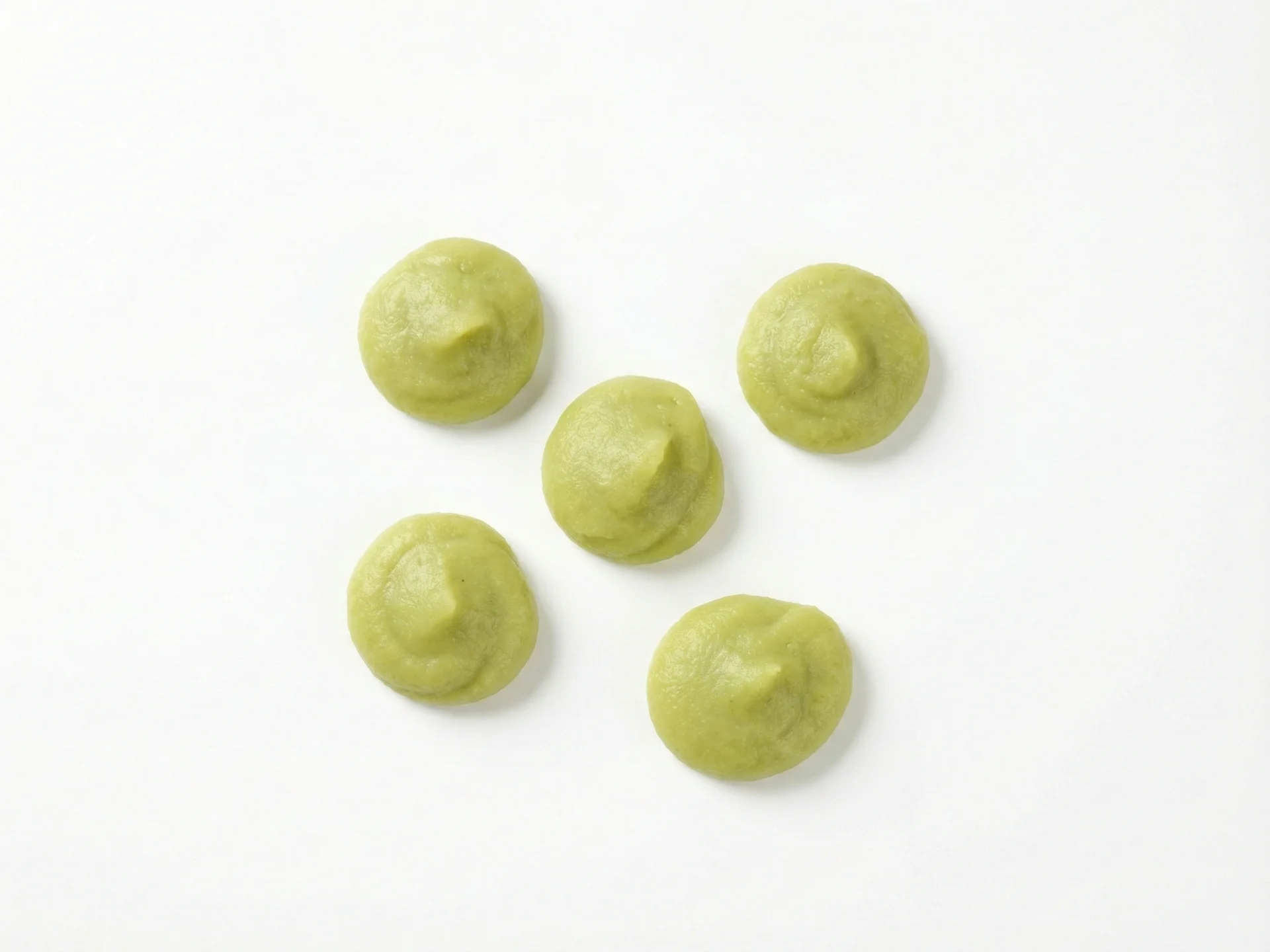
For babies 8-10 months, cook lima beans until very soft and mash them thoroughly with a fork or blend into a smooth paste. You can mix mashed beans with breast milk, formula, or a little olive oil to create a spreadable consistency. Serve on a pre-loaded spoon or spread thinly on toast strips.8 to 10 months

For babies 8-10 months, cook lima beans until very soft and mash them thoroughly with a fork or blend into a smooth paste. You can mix mashed beans with breast milk, formula, or a little olive oil to create a spreadable consistency. Serve on a pre-loaded spoon or spread thinly on toast strips.

  • Cook beans until they mash easily between your fingers
  • Remove any skins that haven't softened during cooking
  • Mix with avocado or sweet potato for added creaminess
  • Offer on a spoon for self-feeding practice
  • Start with 1-2 tablespoons and observe tolerance
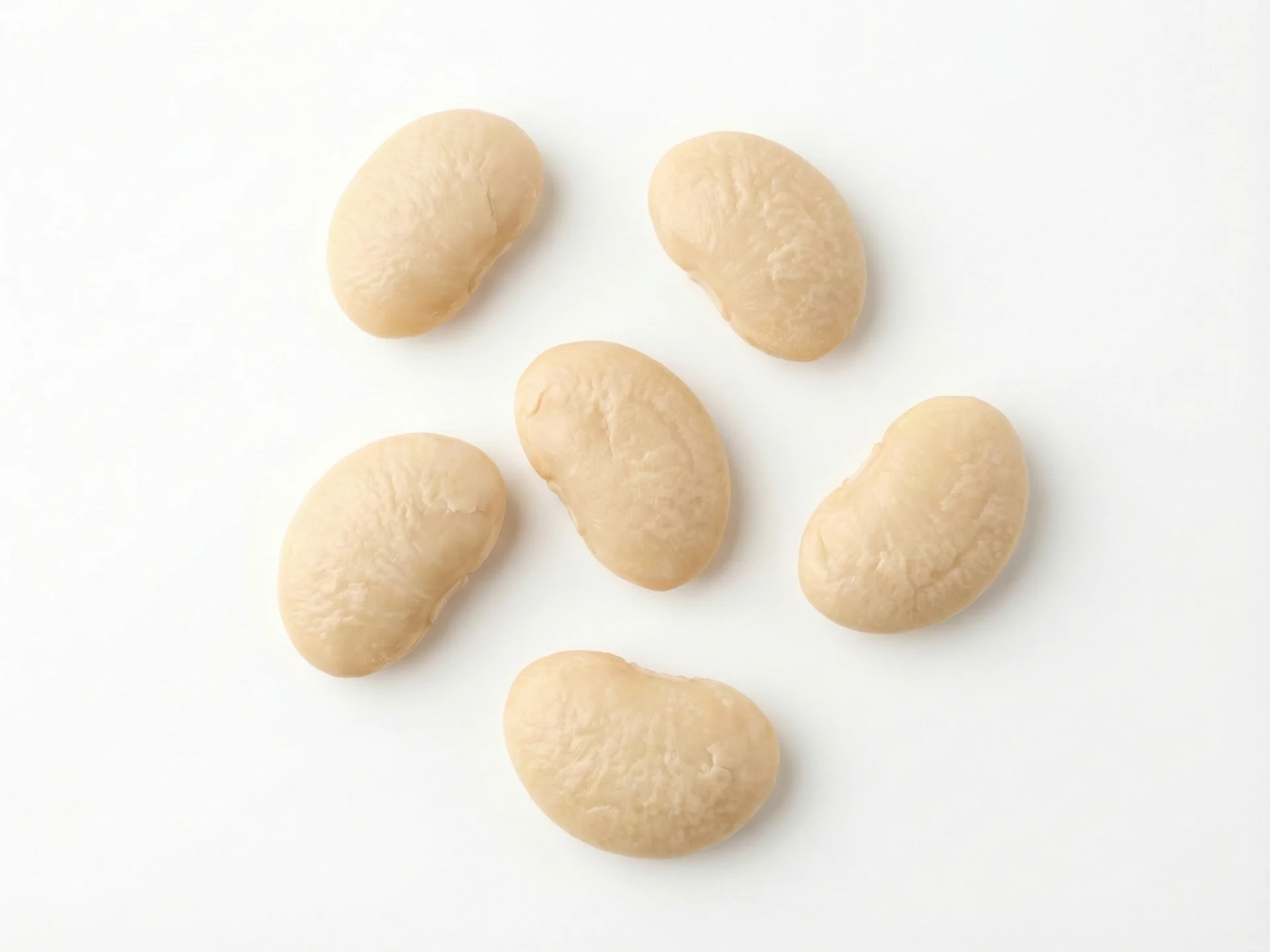
For babies 10 months and older, you can offer whole cooked lima beans that are very soft. Slightly flatten each bean with a fork to reduce the round shape. You can also mix whole beans into other dishes like rice, quinoa, or vegetable medleys to encourage picking practice.10 months +

For babies 10 months and older, you can offer whole cooked lima beans that are very soft. Slightly flatten each bean with a fork to reduce the round shape. You can also mix whole beans into other dishes like rice, quinoa, or vegetable medleys to encourage picking practice.

  • Test bean softness by pressing between thumb and forefinger
  • Flatten beans slightly to reduce choking risk
  • Mix with grains for texture variety
  • Offer as finger food in a bowl or on the high chair tray
  • Include in mixed dishes to develop complex flavor preferences

Safety & allergens

Choking risk: Medium

Whole lima beans are a choking hazard for babies. Always cook until very soft and mash or puree for younger babies. For older babies, you can flatten cooked beans with a fork or cut them into small, manageable pieces. Always supervise your baby during meals.

Not a common allergen

Lima Beans is not a top allergen. As with any new food, offer it on its own and watch for any reaction.

Vitamins & minerals

Lima beans are a nutritional powerhouse for your little one. They provide iron, which is crucial for your baby's brain development and preventing anemia1, and fiber to support a healthy digestive system2. They also contain folate (vitamin B9) for cell growth3 and magnesium for bone health4.

Vitamins
Vitamin B1Vitamin B6Vitamin B9Vitamin K
Minerals
IronMagnesiumPotassiumPhosphorusManganese

Nutritional synergy

Pair lima beans with foods rich in vitamin C, like bell peppers or tomatoes, to help your baby absorb the iron more effectively5.

Common questions

How do I prepare lima beans for my baby?

Start by cooking dried or frozen lima beans until very soft (about 15-20 minutes for frozen, longer for dried). For 6-9 month olds, puree with a little water or breastmilk. For older babies, mash with a fork or serve as soft, flattened pieces. Always avoid adding salt or sugar.

What if my baby seems gassy after eating lima beans?

It's common for beans to cause some gas as babies adjust. Start with small amounts and gradually increase. Thorough cooking and rinsing canned beans can help reduce gas-causing compounds. If discomfort persists, consult your pediatrician.

Can I use canned lima beans?

Yes, but choose low-sodium or no-salt-added varieties and rinse them well under water to remove excess sodium. Cooked fresh or frozen beans are often preferred to control texture and avoid preservatives.

Sources & references

  1. 1Lozoff et al., 2006
  2. 2USDA FoodData Central, 2024
  3. 3Bailey et al., 2015
  4. 4Castiglioni et al., 2013
  5. 5Teucher et al., 2004