Onion

Vegetable

Onion

Onion is a flavorful vegetable that can add depth to your baby's meals while providing important nutrients. It contains vitamin C, which supports a healthy immune system1, and vitamin B9 (folate), which is essential for growth and development2. When cooked until soft, onions develop a mild, sweet taste that many babies enjoy.

PPippin Feeding TeamReviewed by feeding specialists · Updated January 2026
First age6m+
CategoryVegetable
Common allergenNo
Choking riskLow

When can babies eat Onion?

You can introduce cooked onion around 6 months when starting solids. It's best to start with small amounts mixed into other foods to help your baby get used to the flavor.

Storage tip

Store whole onions in a cool, dry place away from potatoes for up to 2 months. Once cut, wrap tightly and refrigerate for 3-5 days. Cooked onion puree can be frozen for up to 2 months.

How to serve Onion by age

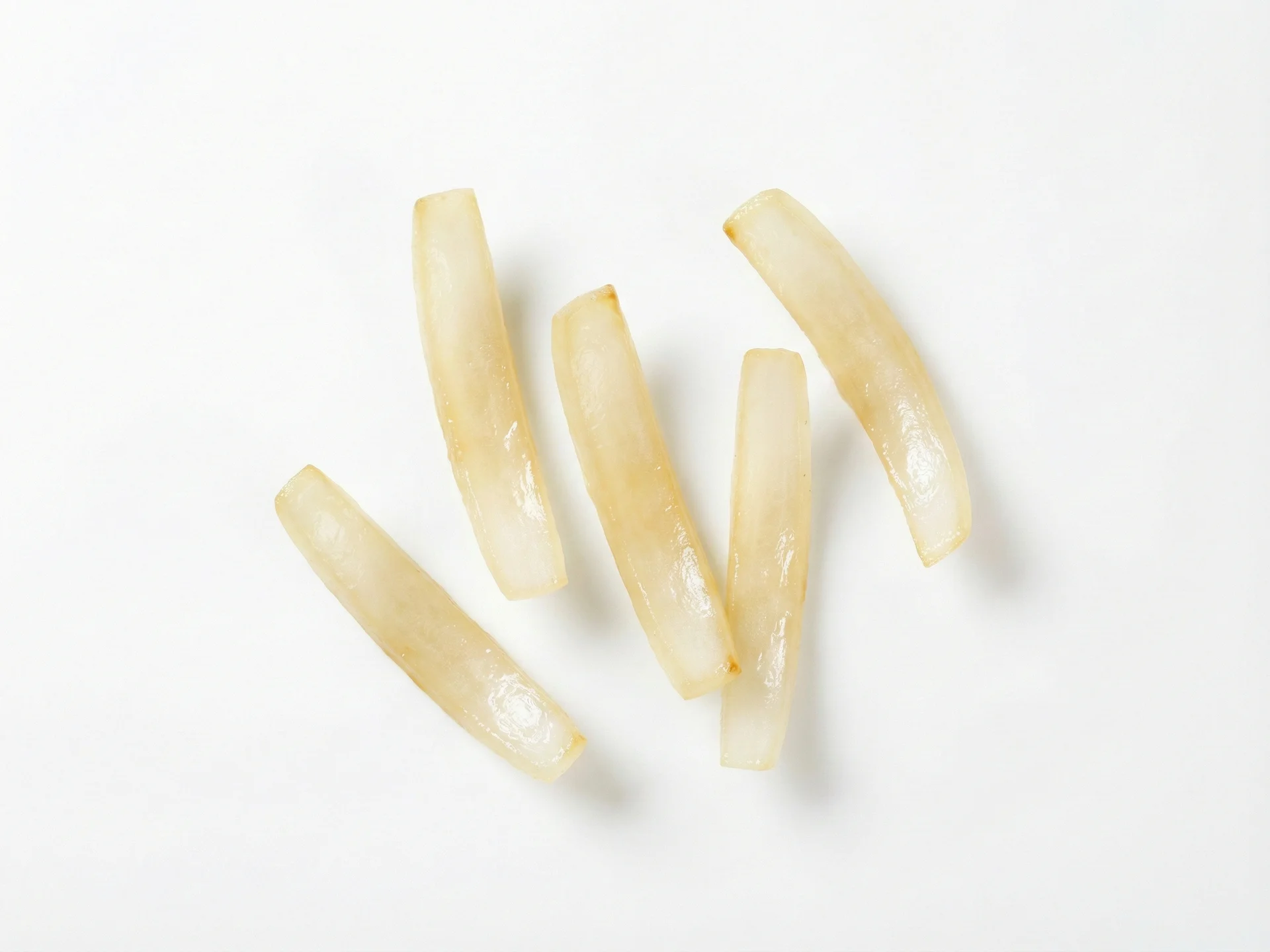
Cook onions until very soft and tender, then cut into long, thick strips (about the size of an adult pinky finger) that are easy for babies to hold. You can also mash cooked onions and mix them into other soft foods like mashed potatoes or lentils.8 to 12 months

Cook onions until very soft and tender, then cut into long, thick strips (about the size of an adult pinky finger) that are easy for babies to hold. You can also mash cooked onions and mix them into other soft foods like mashed potatoes or lentils.

  • Always cook onions thoroughly—sauté, roast, or steam until completely soft
  • Offer large, graspable strips to encourage self-feeding
  • Mix small amounts of cooked onions into familiar foods to help with acceptance
  • Avoid adding salt or strong seasonings
  • Monitor for any digestive discomfort when first introducing
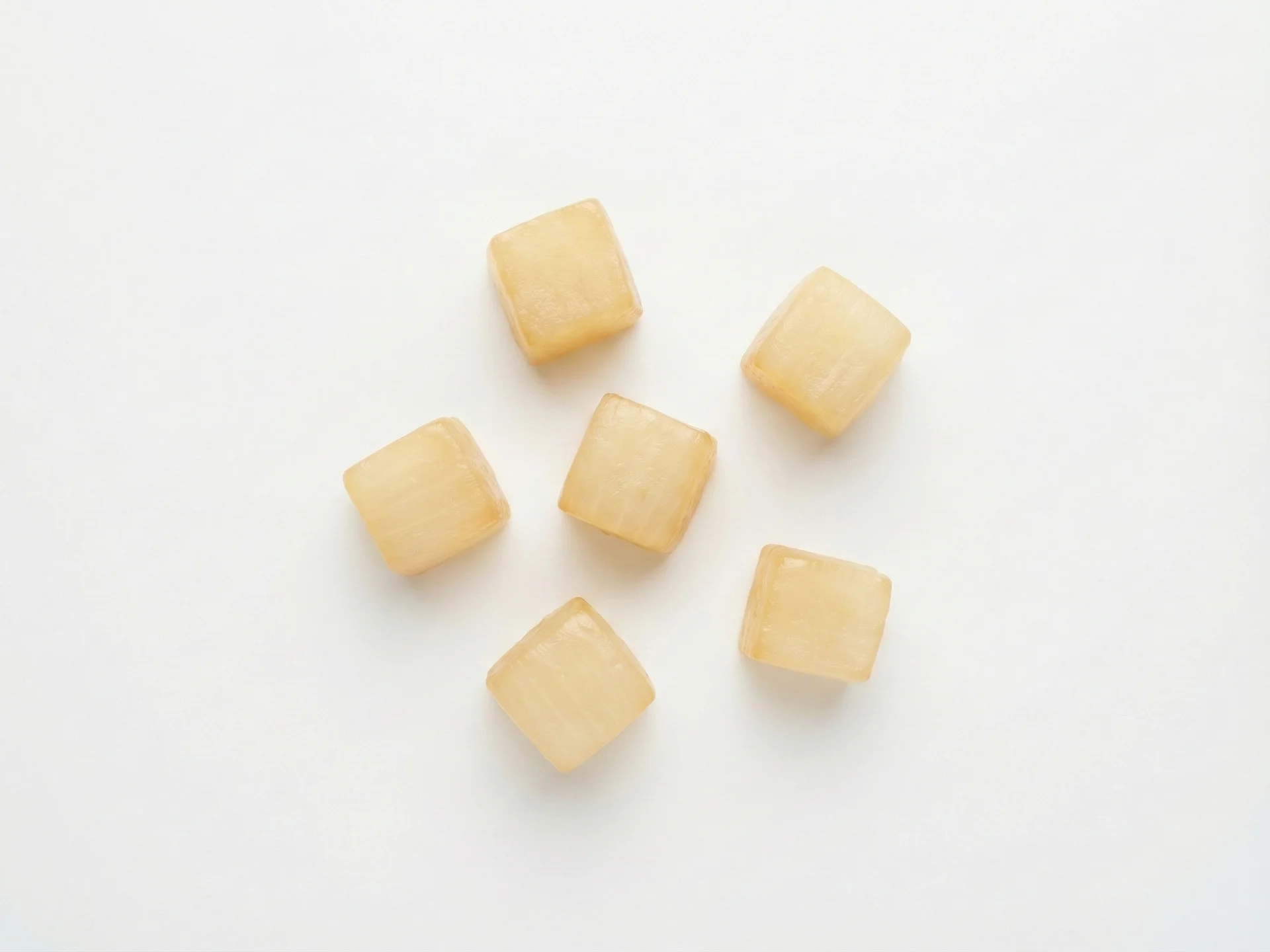
Continue cooking onions until soft, but you can now offer smaller, bite-sized pieces as your baby develops their pincer grasp. Onions can be incorporated into family meals like soups, stews, or stir-fries, ensuring they're soft enough to mash with gums.12 months +

Continue cooking onions until soft, but you can now offer smaller, bite-sized pieces as your baby develops their pincer grasp. Onions can be incorporated into family meals like soups, stews, or stir-fries, ensuring they're soft enough to mash with gums.

  • Chop cooked onions into small, pea-sized pieces for practicing pincer grasp
  • Include onions in mixed dishes to expose baby to complex flavors
  • Try different cooking methods like caramelizing to enhance sweetness
  • Still avoid raw onions as they're difficult to chew
  • Use onions to add flavor to dishes without needing added salt

Safety & allergens

Choking risk: Low

Onion presents minimal choking risk when properly prepared. Always cook onions until very soft and tender—never serve raw to babies. For younger babies, puree or mash thoroughly; for older babies, chop cooked onions into tiny, soft pieces.

Not a common allergen

Onion is not a top allergen. As with any new food, offer it on its own and watch for any reaction.

Vitamins & minerals

Onion provides vitamin C, which helps your baby's body absorb iron from other foods3 and supports immune function1. It also contains potassium for healthy fluid balance4 and vitamin B9 (folate), which is important for cell growth and development2. The manganese in onions contributes to bone health5.

Vitamins
Vitamin CVitamin B6Vitamin B9
Minerals
PotassiumManganese

Nutritional synergy

Pair onion with iron-rich foods like lentils or spinach—the vitamin C in onion enhances iron absorption3, making these combinations especially nutritious for your baby.

Common questions

Will onion make my baby gassy or cause digestive issues?

Some babies might experience mild gas when first trying onion, as it contains compounds that can be hard to digest. Start with small amounts cooked until very soft, and monitor your baby's reaction. If you notice discomfort, wait a few weeks before trying again.

How do I cook onion for my baby to make it safe and tasty?

Cook onion until it's completely soft and translucent—this usually takes 10-15 minutes on low heat with a little water or oil. Cooking mellows the strong flavor and makes it easier for your baby to digest. You can steam, sauté, or roast onions until tender.

What if my baby doesn't like the taste of onion?

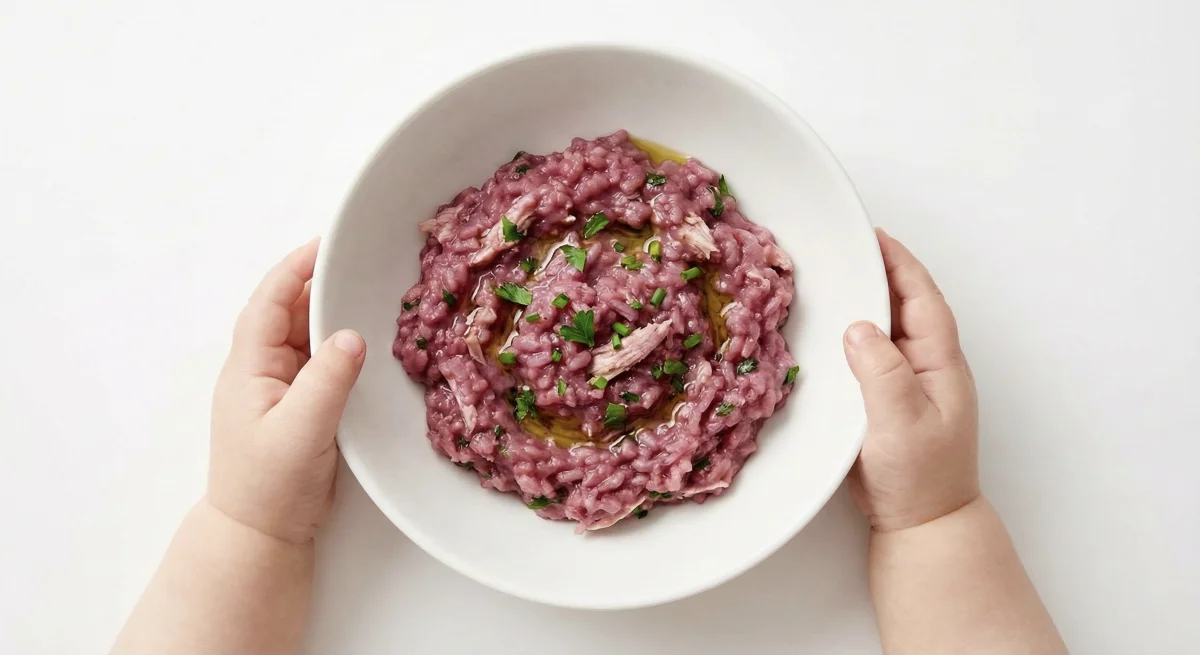
It's common for babies to need time to adjust to new flavors. Try mixing a small amount of cooked, pureed onion into foods your baby already enjoys, like sweet potato or chicken. The familiar taste can help them accept the new flavor gradually.

Sources & references

  1. 1Carr & Maggini, 2017
  2. 2Bailey et al., 2015
  3. 3Lynch & Cook, 1980
  4. 4USDA FoodData Central, 2024
  5. 5Erikson & Aschner, 2003