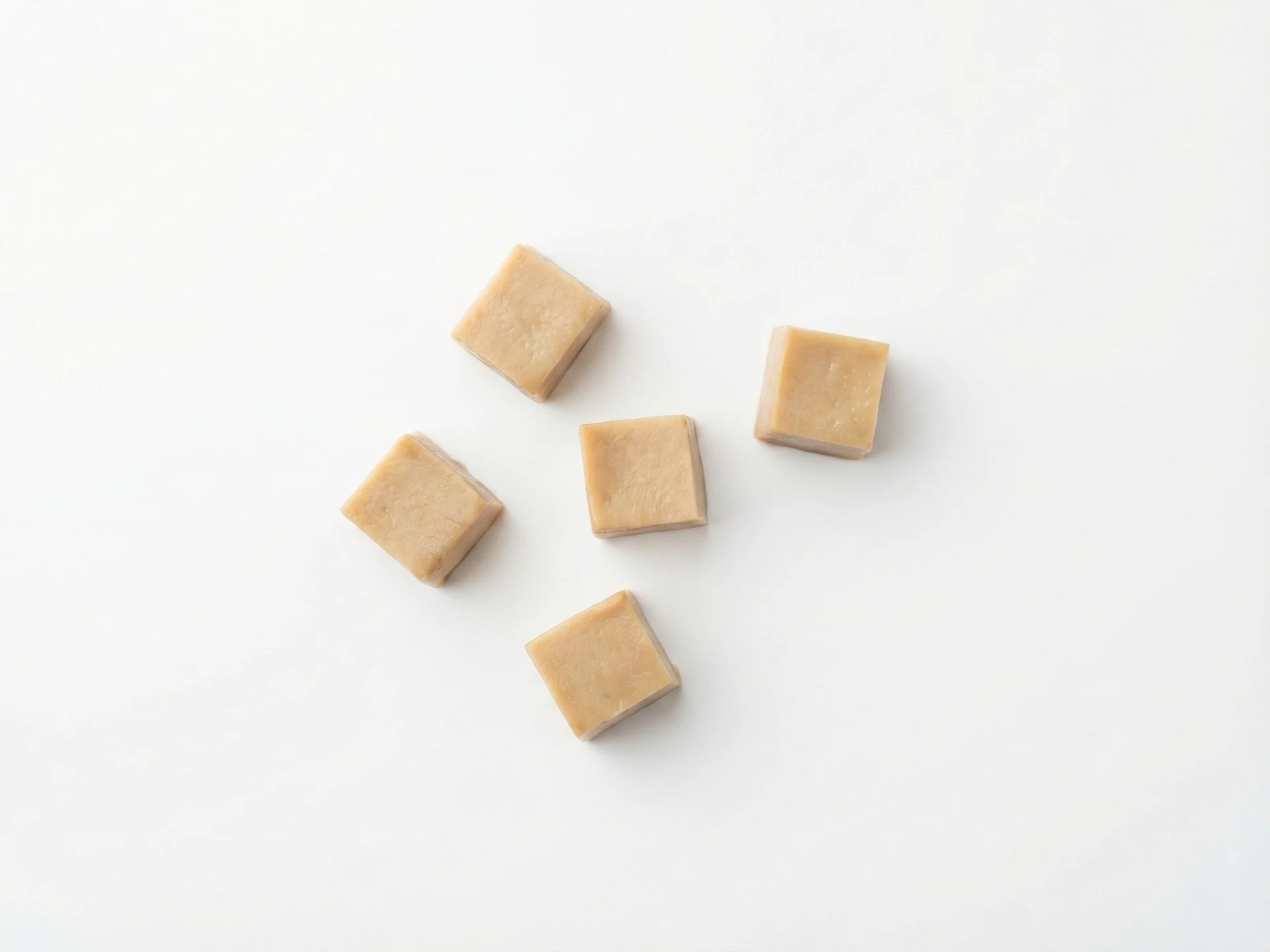
Mushroom

Vegetable

Mushroom

Mushrooms are a unique and savory vegetable that can introduce your baby to earthy flavors and provide important nutrients. They're a natural source of vitamin D, which is essential for bone health and immune function,1 and contain B vitamins that support energy metabolism.2 Their soft texture when cooked makes them easy for little ones to enjoy.

PPippin Feeding TeamReviewed by feeding specialists · Updated January 2026
First age6m+
CategoryVegetable
Common allergenNo
Choking riskMedium

When can babies eat Mushroom?

Mushrooms can be introduced around 6 months when starting solids, but many parents wait until 8-10 months as babies develop more interest in savory foods.

Storage tip

Store fresh mushrooms in a paper bag in the refrigerator for up to 5 days. Cooked mushrooms can be refrigerated for 3-4 days or frozen for up to 2 months.

How to serve Mushroom by age

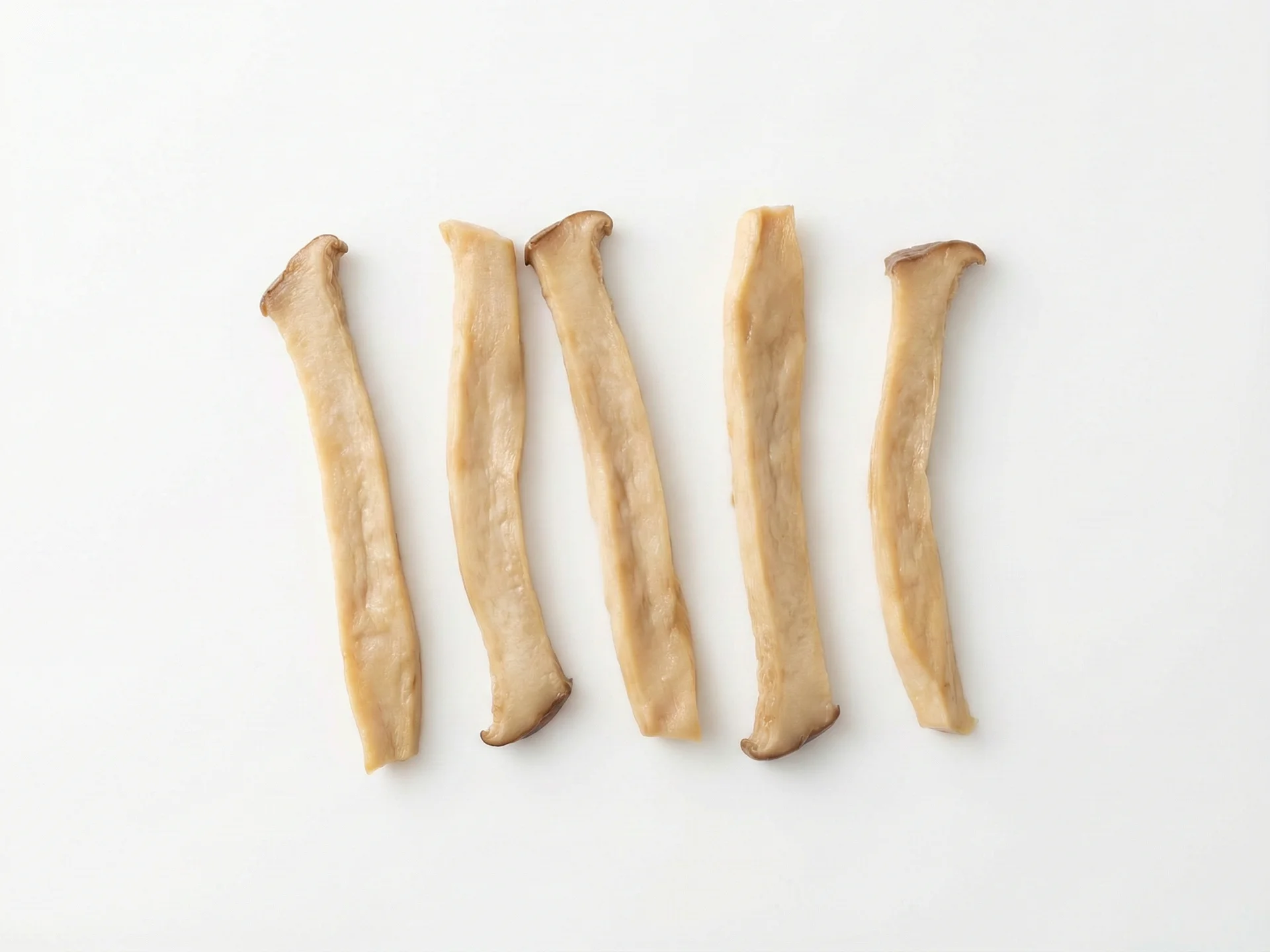
For babies 6-9 months, cook mushrooms until very soft and slice them into long, thin strips (about the size of an adult finger) that are easy for your baby to grasp. You can also mash cooked mushrooms and mix them into other foods like mashed potatoes or yogurt to introduce the flavor.6 to 9 months

For babies 6-9 months, cook mushrooms until very soft and slice them into long, thin strips (about the size of an adult finger) that are easy for your baby to grasp. You can also mash cooked mushrooms and mix them into other foods like mashed potatoes or yogurt to introduce the flavor.

  • Always cook mushrooms thoroughly until tender to avoid choking hazards.
  • Offer mushrooms as finger food in strips to encourage self-feeding.
  • Avoid adding salt or strong seasonings; use mild herbs like thyme if desired.
  • Supervise your baby closely during meals to ensure safe eating.
  • Start with small amounts to check for any digestive tolerance.
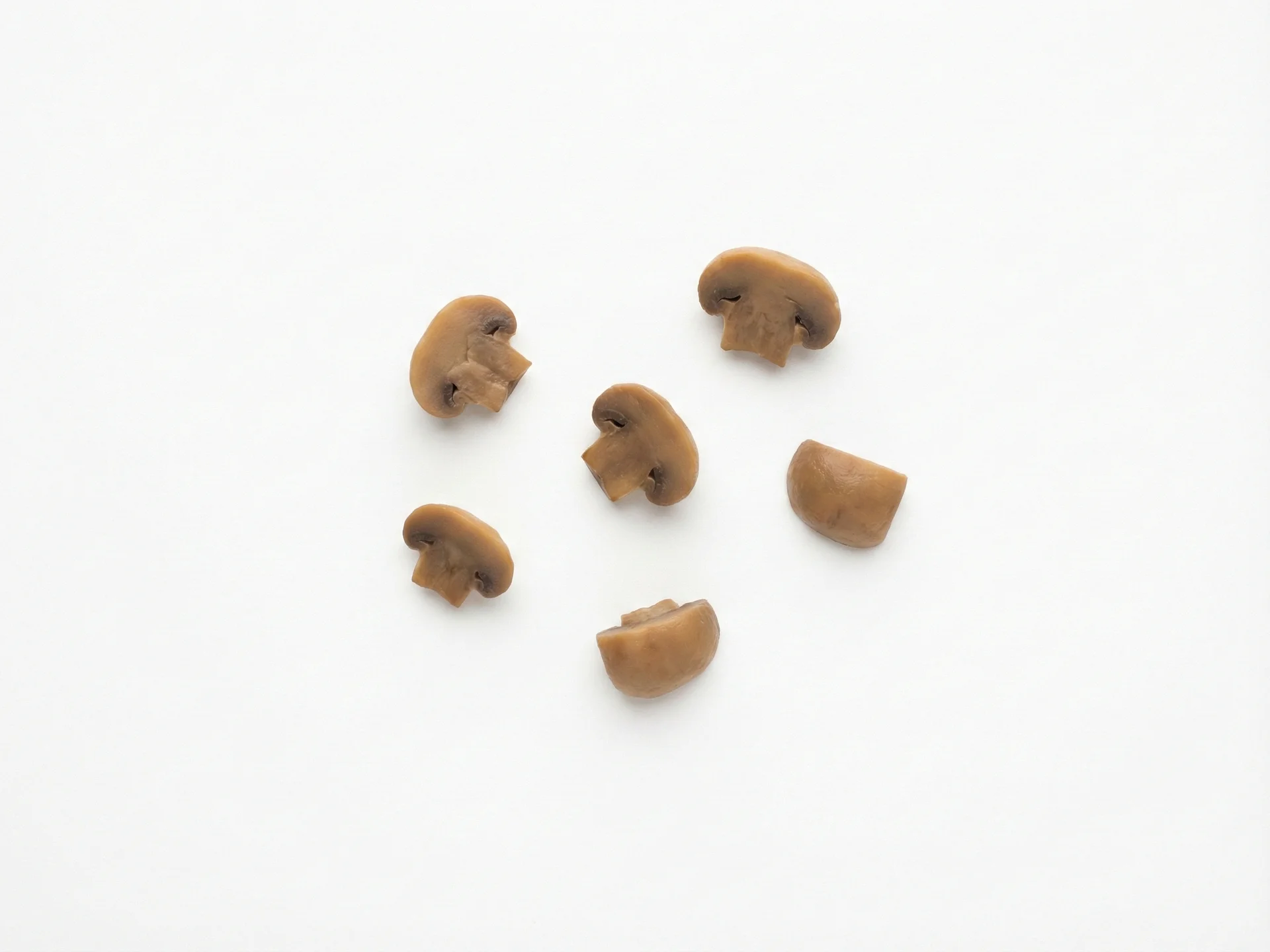
For babies 9-12 months, continue to cook mushrooms until soft but can offer them in smaller, bite-sized pieces (about pea-sized) as your baby develops a pincer grasp. You can also incorporate cooked mushrooms into dishes like omelets, pasta sauces, or rice bowls.9 to 12 months

For babies 9-12 months, continue to cook mushrooms until soft but can offer them in smaller, bite-sized pieces (about pea-sized) as your baby develops a pincer grasp. You can also incorporate cooked mushrooms into dishes like omelets, pasta sauces, or rice bowls.

  • Chop cooked mushrooms into small, manageable pieces to practice fine motor skills.
  • Mix mushrooms with other vegetables or proteins for balanced meals.
  • Experiment with different mushroom varieties like cremini or shiitake for varied flavors.
  • Ensure pieces are soft enough to squish between your fingers to prevent choking.
  • Encourage self-feeding by letting your baby pick up pieces with their hands or a spoon.
For toddlers 12 months and up, you can serve cooked mushrooms in a variety of ways, such as in stir-fries, soups, or as a side dish. At this age, you can introduce slightly firmer textures if your child handles them well, but always ensure they are cooked to a safe softness.12 months +

For toddlers 12 months and up, you can serve cooked mushrooms in a variety of ways, such as in stir-fries, soups, or as a side dish. At this age, you can introduce slightly firmer textures if your child handles them well, but always ensure they are cooked to a safe softness.

  • Incorporate mushrooms into family meals to model healthy eating habits.
  • Use mushrooms as a meat substitute in dishes like burgers or tacos for added nutrition.
  • Teach your child to chew mushrooms thoroughly before swallowing.
  • Avoid raw mushrooms until your child is older and has strong chewing skills.
  • Offer mushrooms regularly to maintain exposure and acceptance.

Safety & allergens

Choking risk: Medium

Mushrooms can be slippery and firm, posing a moderate choking risk if not prepared properly. Always cook mushrooms until very soft and cut them into small, manageable pieces appropriate for your baby's age. Avoid serving whole or large chunks to prevent choking hazards.

Not a common allergen

Mushroom is not a top allergen. As with any new food, offer it on its own and watch for any reaction.

Vitamins & minerals

Mushrooms provide several important nutrients for growing babies. They're one of the few non-animal sources of vitamin D, which helps with calcium absorption for strong bones.1 The B vitamins in mushrooms support energy production from food,2 while minerals like selenium act as antioxidants to protect cells.3

Vitamins
Vitamin DVitamin B2Vitamin B3Vitamin B5Vitamin B9
Minerals
CopperSeleniumPotassiumPhosphorus

Nutritional synergy

Pair mushrooms with foods containing healthy fats like avocado or olive oil to enhance absorption of their fat-soluble vitamin D.4

Common questions

Should I use fresh or canned mushrooms for baby food?

Fresh mushrooms are best for babies since they have better texture and flavor. Canned mushrooms often contain added salt, which isn't recommended for infants. Choose fresh, firm mushrooms without dark spots or sliminess.

How can I tell if my baby is having trouble with mushrooms?

Watch for signs of digestive discomfort like excessive gas or changes in stool, as mushrooms can be harder to digest for some babies. If you notice any skin rashes, swelling, or breathing difficulties (though rare), stop feeding mushrooms and contact your pediatrician.

Can I give my baby wild mushrooms?

Never feed wild mushrooms to babies. Only use commercially grown mushrooms from trusted sources, as some wild varieties can be toxic. Stick with common varieties like white button, cremini, or portobello mushrooms.

Sources & references

  1. 1NIH Office of Dietary Supplements, 2024
  2. 2NIH Office of Dietary Supplements, 2024
  3. 3NIH Office of Dietary Supplements, 2024
  4. 4NIH Office of Dietary Supplements, 2024