Cucurbita maxima

Vegetable

Cucurbita maxima

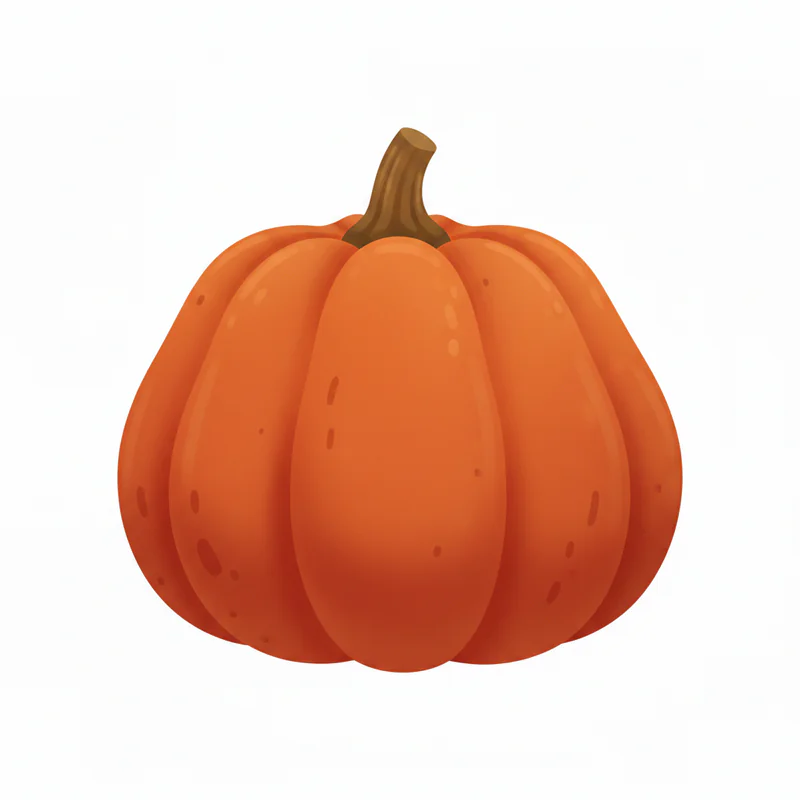
Cucurbita maxima, like butternut and pumpkin squash, is a naturally sweet and creamy vegetable that babies love. It's packed with vitamin A to support healthy vision and a strong immune system.1 Its smooth texture makes it perfect for first purees, and it pairs well with many other foods.

PPippin Feeding TeamReviewed by feeding specialists · Updated July 2026
First age6m+
CategoryVegetable
Common allergenNo
Choking riskLow

When can babies eat Cucurbita maxima?

You can introduce Cucurbita maxima around 6 months, when your baby starts solids. No need to wait—it's a gentle, low-risk first food.

Storage tip

Store whole squash in a cool, dark place for up to a month. Once cut, wrap tightly and refrigerate for up to 5 days. Cooked puree can be frozen in ice cube trays for up to 3 months.

How to serve Cucurbita maxima by age

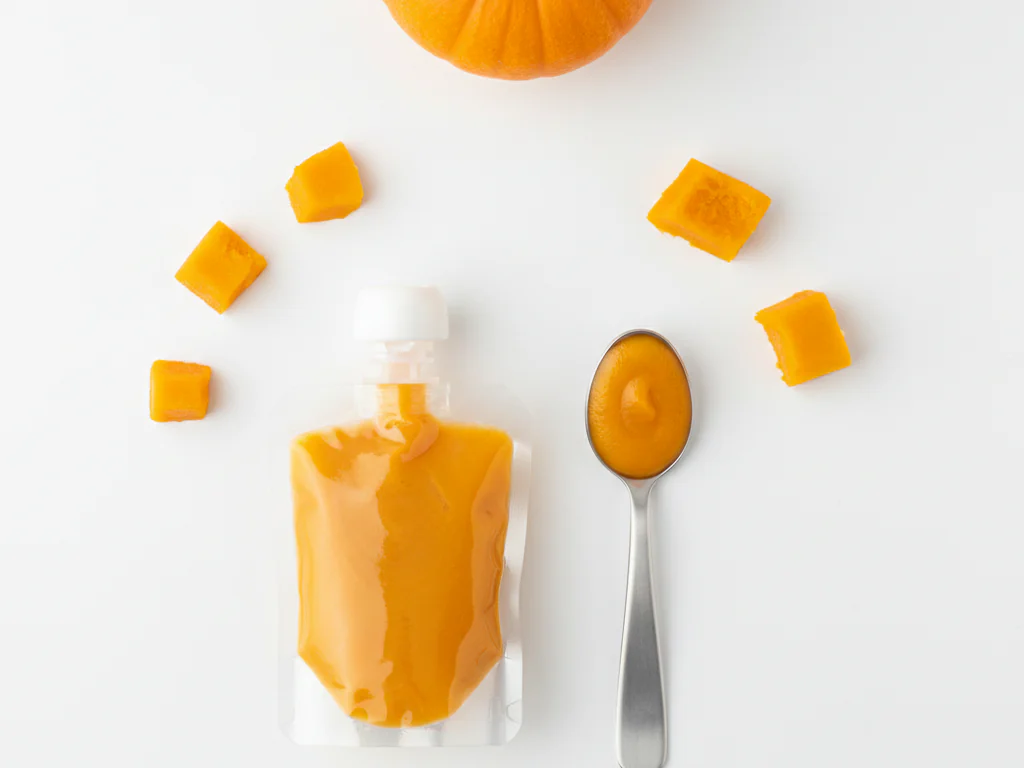
Steam or roast the squash until very tender, then puree until smooth. Add breast milk, formula, or water to reach a thin, pourable consistency. Serve from a spoon or in a self-feeding pouch.6 to 9 months

Steam or roast the squash until very tender, then puree until smooth. Add breast milk, formula, or water to reach a thin, pourable consistency. Serve from a spoon or in a self-feeding pouch.

  • Peel the squash before cooking for a smoother puree.
  • Steaming preserves more nutrients than boiling.
  • Freeze extra puree in ice cube trays for quick meals.
  • Mix with a little cinnamon or nutmeg for flavor (no sugar needed).
  • Avoid adding salt or sweeteners.
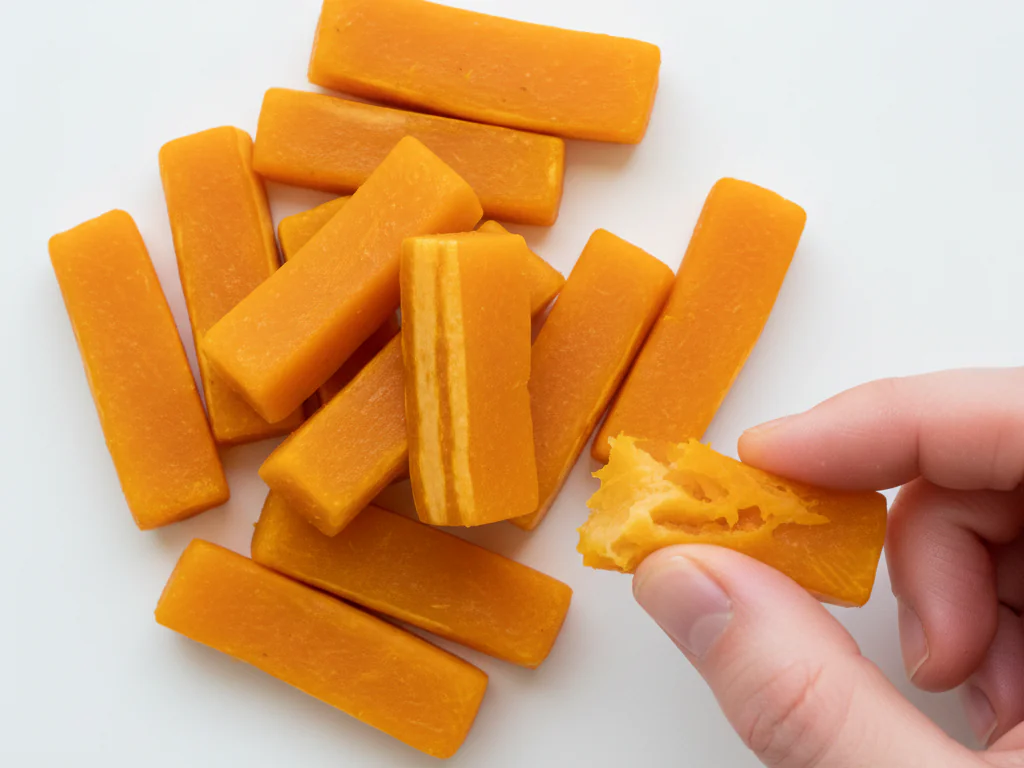
Cut the cooked squash into soft, finger-sized sticks about the length of an adult pinky. These should be easily mashed between your fingers. Serve as a finger food for baby-led weaning.9 to 12 months

Cut the cooked squash into soft, finger-sized sticks about the length of an adult pinky. These should be easily mashed between your fingers. Serve as a finger food for baby-led weaning.

  • Roast the squash with a little oil to caramelize and enhance sweetness.
  • Make sure pieces are soft enough to squish with gentle pressure.
  • Offer alongside other soft finger foods like avocado or steamed carrot sticks.
  • Let your baby practice self-feeding—it's messy but important development.
  • Supervise closely and ensure pieces are not too large or slippery.
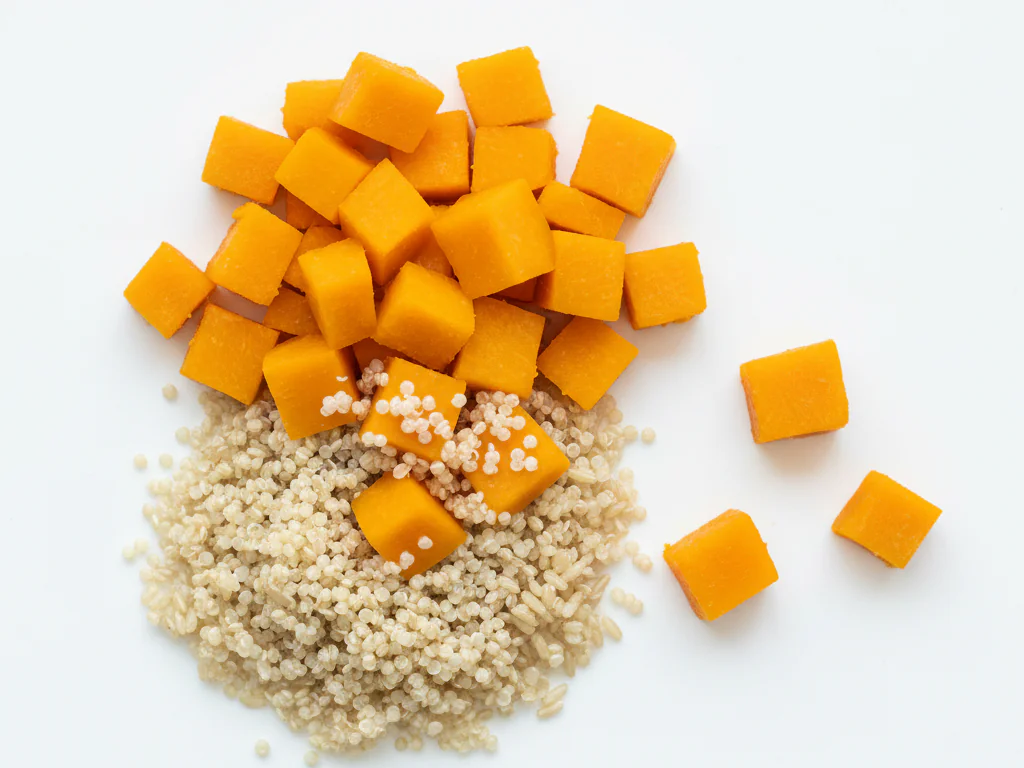
Cut the squash into small, bite-sized cubes (about 1/2 inch) and roast or steam until fork-tender. These can be mixed into grains like quinoa or rice, or served as a side dish.12 months +

Cut the squash into small, bite-sized cubes (about 1/2 inch) and roast or steam until fork-tender. These can be mixed into grains like quinoa or rice, or served as a side dish.

  • Roast with a light coating of olive oil and herbs like thyme or rosemary.
  • Combine with black beans and corn for a toddler-friendly bowl.
  • Mash lightly with a fork if your child prefers a softer texture.
  • Use leftover cubes in soups or pasta dishes.
  • Encourage using a fork by spearing cubes for practice.

Safety & allergens

Choking risk: Low

Cucurbita maxima is soft and easy to mash, posing a low choking risk when properly prepared. For younger babies, serve as a smooth puree. For older babies, cut into soft, finger-sized pieces that dissolve easily.

Not a common allergen

Cucurbita maxima is not a top allergen. As with any new food, offer it on its own and watch for any reaction.

Vitamins & minerals

This squash is an excellent source of vitamin A (beta-carotene), which is essential for vision and immune function.1 It also provides vitamin C, which helps with iron absorption and supports the immune system.2 Additionally, it offers potassium, important for heart and muscle function, and fiber for healthy digestion.3

Vitamins
Vitamin AVitamin CVitamin B6Vitamin B9
Minerals
PotassiumManganeseMagnesiumPhosphorus

Nutritional synergy

Pair squash with a source of healthy fat, like a drizzle of olive oil or a spoonful of yogurt, to help your baby absorb the fat-soluble vitamin A more effectively.4

Pairs well with

Common questions

How do I know when a Cucurbita maxima squash is ripe?

Look for a hard, firm skin with a deep, even color. The stem should be dry and slightly shriveled. Avoid squash with soft spots or mold.

Can I feed my baby canned pumpkin instead?

Yes, but choose plain, unsweetened canned pumpkin (not pumpkin pie filling). It's just cooked and pureed squash, so it's perfectly fine. Check the label for added ingredients.

My baby didn't like squash the first time. What should I do?

It's normal! Offer it again a few days later. You can mix it with a familiar fruit like apple or pear to make it more appealing. Repeated exposure helps babies accept new flavors.

Sources & references

  1. 1USDA FoodData Central, Squash, winter, butternut, raw, 2019
  2. 2National Institutes of Health, Vitamin C Fact Sheet, 2021
  3. 3Harvard T.H. Chan School of Public Health, The Nutrition Source: Potassium, 2020
  4. 4Jäpelt & Jakobsen, Vitamin D in plants: a review, Phytochemistry, 2013