FoodsDairyAmasi
Amasi

Dairy

Amasi

Amasi, a traditional fermented milk similar to yogurt, is a wonderful first dairy for babies with its creamy texture and tangy flavor. It's packed with probiotics that support healthy digestion[1] and provides essential nutrients for growing bones and immune function[2].

6m+Common allergenChoking risk: Low
First age6m+
CategoryDairy
Common allergenYes
Choking riskLow

When can babies eat Amasi?

You can introduce amasi around 6 months when starting solids, as long as your baby shows readiness signs like sitting with support and showing interest in food.

How to serve Amasi by age

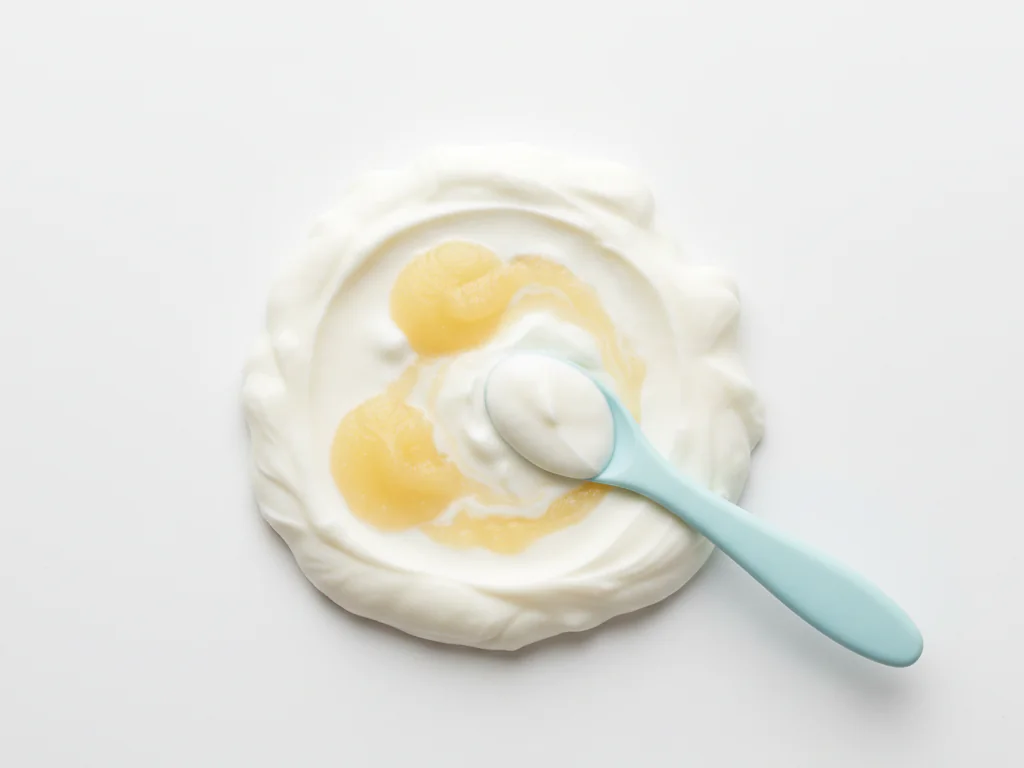
Serve plain, full-fat amasi by itself or mixed with thin purees like apple or pear. Use a soft-tipped spoon and start with 1-2 teaspoons to check for tolerance.
6 to 9 months

Serve plain, full-fat amasi by itself or mixed with thin purees like apple or pear. Use a soft-tipped spoon and start with 1-2 teaspoons to check for tolerance.

  • Choose plain, unsweetened amasi without added sugars or flavors.
  • Mix with breast milk or formula if baby prefers a milder taste.
  • Offer at room temperature or slightly chilled—avoid serving it cold.
  • Watch for signs of dairy intolerance like excessive gas or rash.
  • Practice with a pre-loaded spoon to encourage self-feeding.
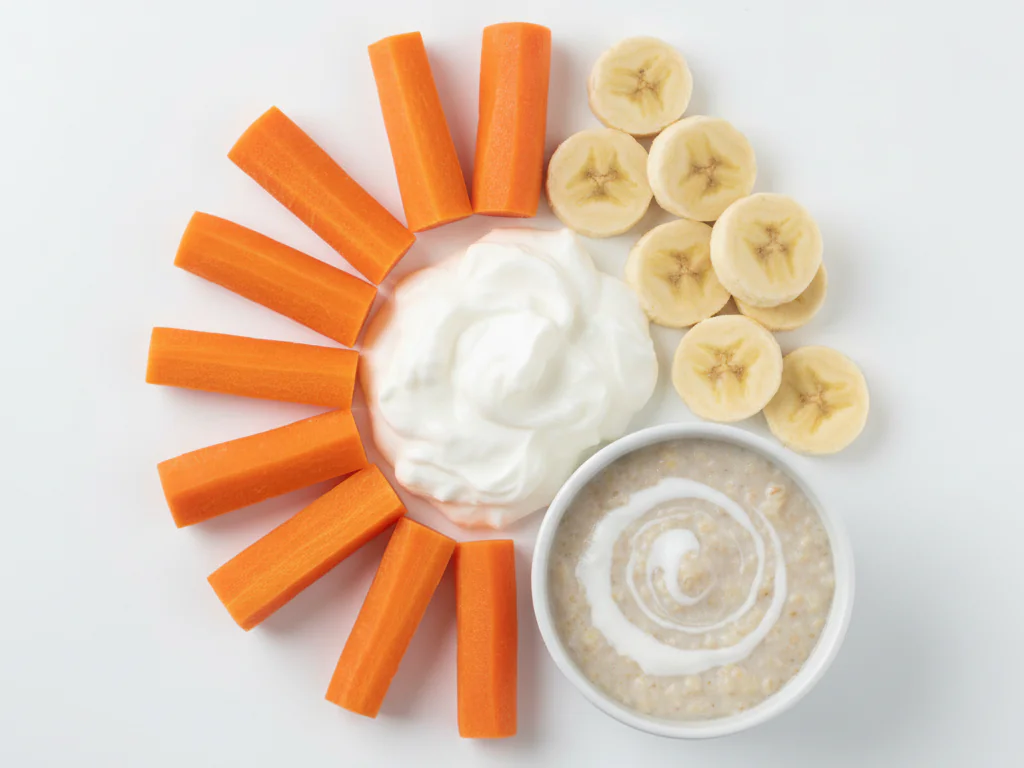
Offer amasi as a dip for soft, gripable foods like steamed carrot sticks or banana slices. You can also stir it into oatmeal or porridge for added creaminess.
9 to 12 months

Offer amasi as a dip for soft, gripable foods like steamed carrot sticks or banana slices. You can also stir it into oatmeal or porridge for added creaminess.

  • Mix with mashed avocado for a nutrient-packed snack.
  • Add finely grated cucumber or mint for flavor variety.
  • Use as a base for fruit parfaits with layers of soft berries.
  • Let baby practice scooping with their hands or a spoon.
  • Combine with cooked quinoa or millet for texture exploration.
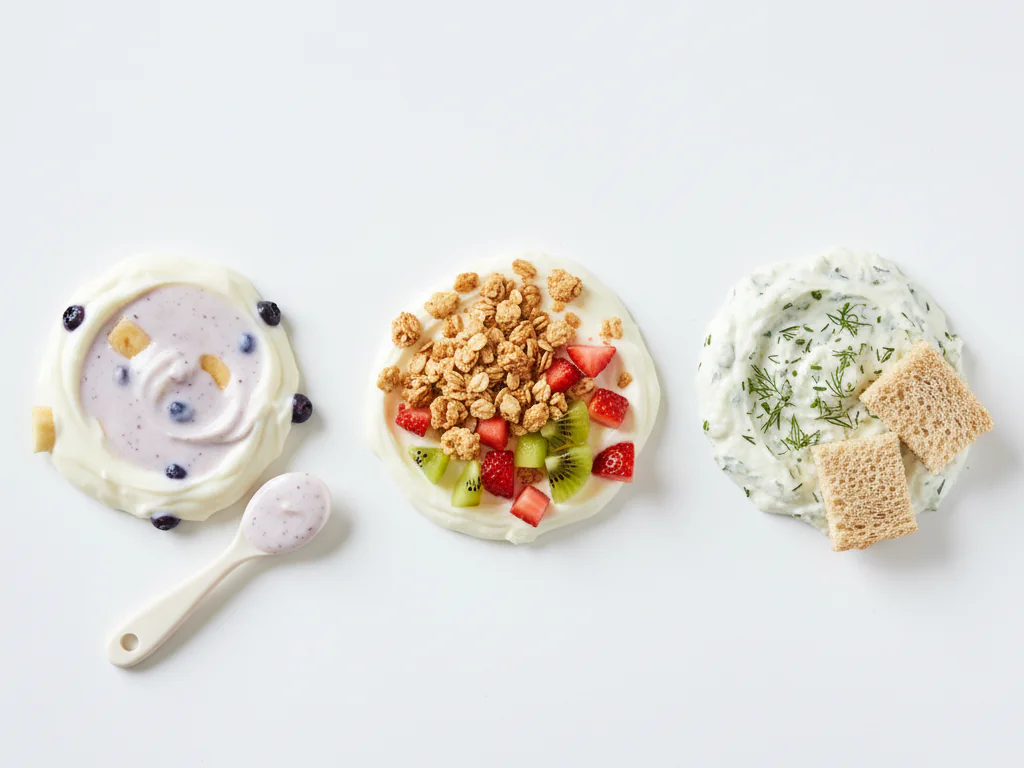
Serve amasi as a snack or part of meals—try it in smoothies, as a topping for pancakes, or mixed with herbs for savory dips. Toddlers can enjoy it with granola or chopped fruit.
12 months +

Serve amasi as a snack or part of meals—try it in smoothies, as a topping for pancakes, or mixed with herbs for savory dips. Toddlers can enjoy it with granola or chopped fruit.

  • Make frozen amasi popsicles with pureed fruit for teething relief.
  • Stir into soups or sauces to add creaminess and probiotics.
  • Offer alongside whole grain crackers or soft bread strips.
  • Experiment with savory additions like dill or mashed peas.
  • Use as a substitute for sour cream in toddler-friendly recipes.

Safety & allergens

Choking risk: Low

Amasi has a smooth, spoonable texture that poses minimal choking risk. Serve it from a spoon or let your baby practice self-feeding with a pre-loaded spoon. Avoid adding whole nuts or large fruit chunks for younger babies.

Common allergen

Introduce on its own and watch closely for any signs of a reaction.

Vitamins & minerals

Amasi is rich in calcium and phosphorus, which work together to build strong bones and teeth[3]. The probiotics from fermentation aid digestion and may help prevent constipation[1], while vitamin B12 supports healthy brain development[4].

Vitamins
Vitamin VITAMIN B2Vitamin VITAMIN B12Vitamin VITAMIN A
Minerals
CalciumPhosphorusZinc

Pairs well with