Stracchino cheese

Dairy

Stracchino cheese

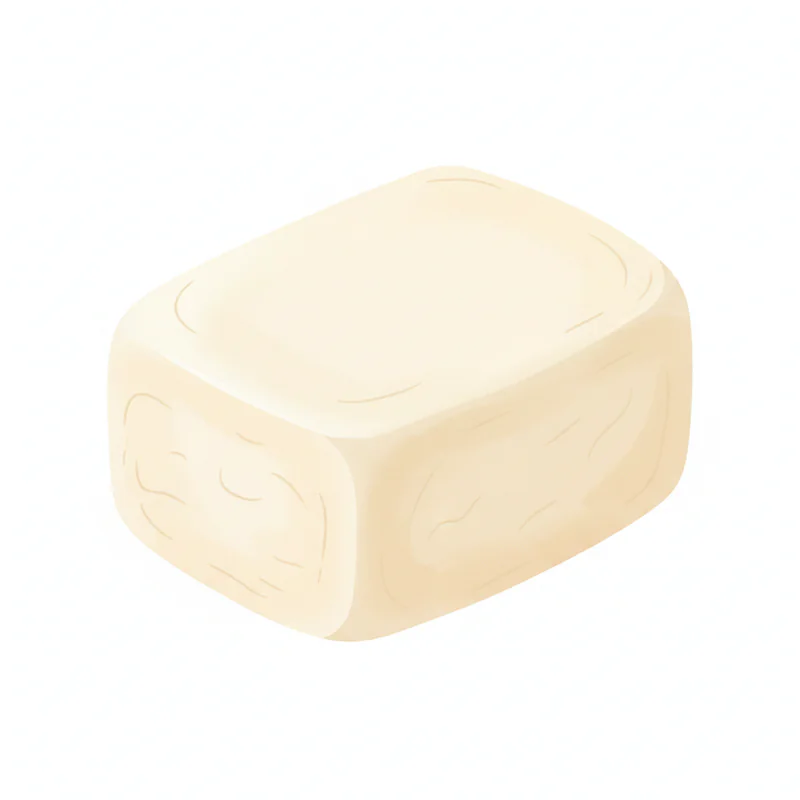
Stracchino cheese is a soft, creamy Italian cheese that's mild and spreadable, making it a gentle introduction to dairy for babies. It's rich in calcium and vitamin D, which are essential for building strong bones and teeth as your baby grows.1 The smooth texture and mild flavor are often appealing to little ones exploring new foods.

PPippin Feeding TeamReviewed by feeding specialists · Updated April 2026
First age6m+
CategoryDairy
Common allergenYes
Choking riskLow

When can babies eat Stracchino cheese?

You can introduce Stracchino cheese around 6 months when starting solids, as long as your baby shows readiness signs like sitting with support and showing interest in food.

Storage tip

Keep Stracchino cheese refrigerated in its original packaging and consume within 3-5 days after opening. It's best served fresh as it can become runny if stored too long.

How to serve Stracchino cheese by age

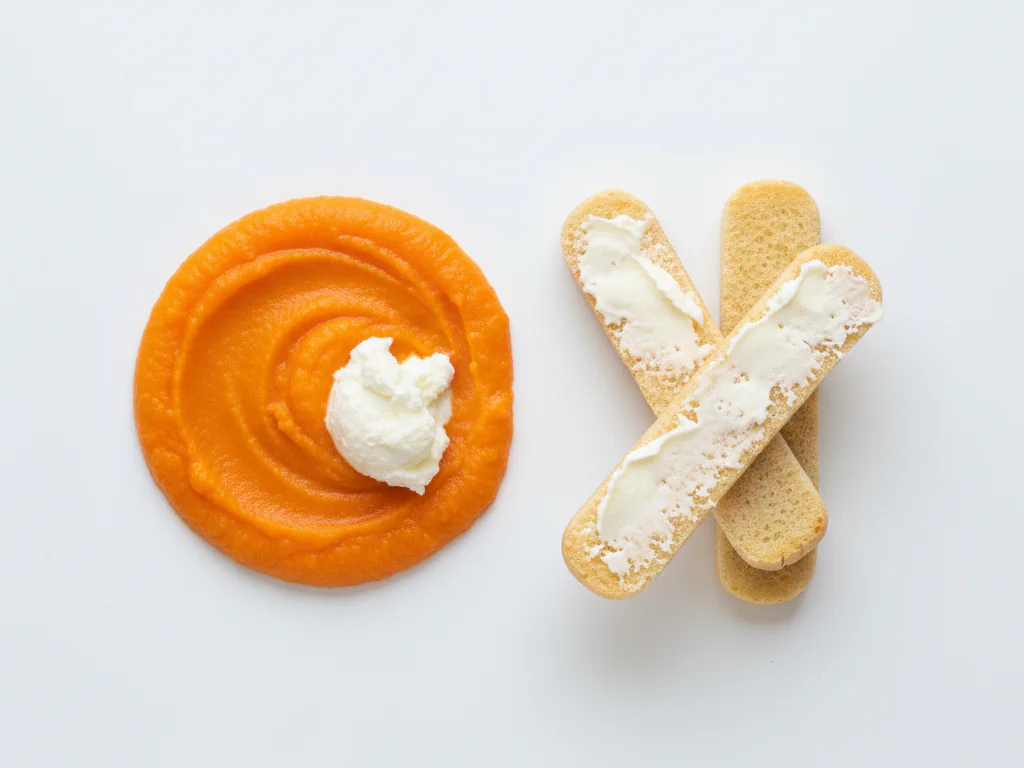
Mix a small amount (1-2 teaspoons) into vegetable or fruit purees to introduce the flavor and texture. You can also spread a very thin layer on soft, toasted bread strips that your baby can gum.6 to 9 months

Mix a small amount (1-2 teaspoons) into vegetable or fruit purees to introduce the flavor and texture. You can also spread a very thin layer on soft, toasted bread strips that your baby can gum.

  • Start with just 1/2 teaspoon mixed into familiar foods
  • Ensure any bread is soft and toasted to reduce gumminess
  • Watch for dairy tolerance signs over 2-3 days
  • Offer after breastfeeding or formula feeding when baby is not too hungry
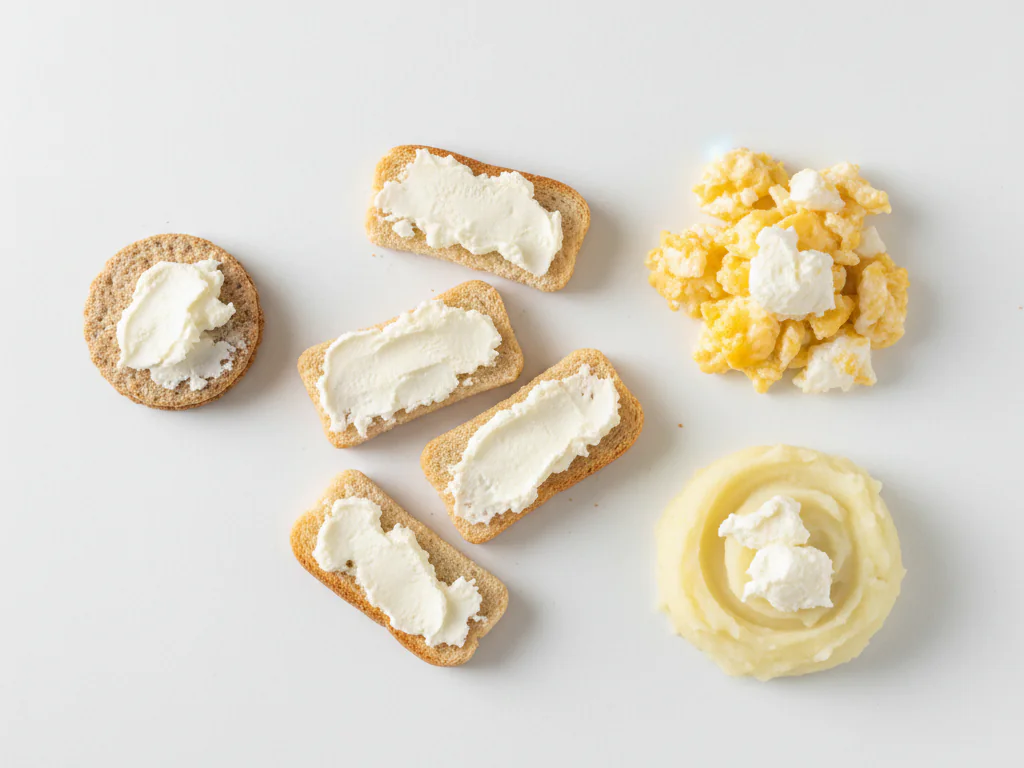
Spread on crackers or toast fingers for self-feeding practice. Mix into scrambled eggs or mashed potatoes for added creaminess and nutrition.9 to 12 months

Spread on crackers or toast fingers for self-feeding practice. Mix into scrambled eggs or mashed potatoes for added creaminess and nutrition.

  • Cut toast with cheese into finger-sized strips for easy grasping
  • Combine with soft cooked vegetables for balanced meals
  • Use as a dip for soft vegetable sticks
  • Limit to 1-2 tablespoons per day as part of varied diet
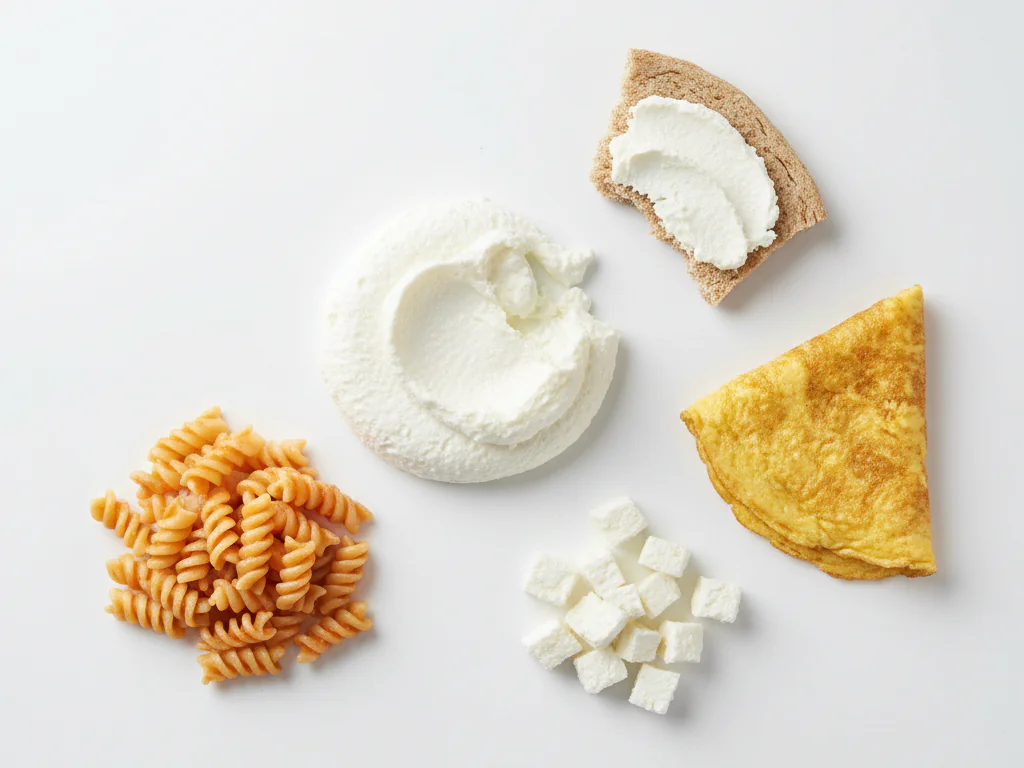
Use as a sandwich spread, mix into pasta sauces, or add to omelets. Your toddler can enjoy it as part of regular meals alongside other foods.12 months +

Use as a sandwich spread, mix into pasta sauces, or add to omelets. Your toddler can enjoy it as part of regular meals alongside other foods.

  • Include in lunchboxes with whole grain crackers
  • Mix with mashed avocado for a nutritious spread
  • Use in grilled cheese sandwiches cut into safe pieces
  • Pair with fruit for balanced snacks

Safety & allergens

Choking risk: Low

Stracchino cheese is naturally soft and spreadable, which minimizes choking risk. For younger babies, spread a thin layer on soft toast or mix into purees. Avoid giving large chunks that could potentially cause gagging.

Common allergen

Cow's milk allergy affects about 2-3% of children under 3 years old.2

Watch for symptoms:

  • Hives
  • Swelling around mouth
  • Vomiting or diarrhea
  • Wheezing or difficulty breathing

Introduce a small amount (about 1/2 teaspoon) and watch for reactions over 2-3 days. If there's no reaction, you can gradually increase the amount. Always consult your pediatrician before introducing dairy if there's a family history of milk allergies.3

Vitamins & minerals

Stracchino cheese provides excellent calcium for bone development and vitamin D that helps the body absorb calcium effectively.1 It also contains vitamin B12, which supports healthy brain and nervous system development in growing babies.4

Vitamins
Vitamin AVitamin B12Vitamin D
Minerals
CalciumPhosphorusSodium

Nutritional synergy

Pair Stracchino cheese with vitamin C-rich foods like mashed berries or bell peppers, as vitamin C enhances iron absorption from other foods in the meal.5

Pairs well with

Common questions

How is Stracchino different from cream cheese for babies?

Stracchino is softer, creamier, and has a milder flavor than most cream cheeses. It spreads more easily and contains more calcium per serving, making it nutritionally beneficial for bone development.1 Both can be introduced around the same time if your baby tolerates dairy well.

What if my baby gets constipated after eating cheese?

Some babies may experience constipation with new dairy foods. Offer plenty of water with meals and include high-fiber foods like pureed pears or prunes. If constipation persists, reduce cheese portions and consult your pediatrician.

Can I use Stracchino cheese in homemade baby food recipes?

Absolutely! Mix a small amount into vegetable purees, spread on soft toast fingers, or stir into cooked pasta. The creamy texture blends well with many foods and adds calcium to your baby's meals.

Sources & references

  1. 1NIH Office of Dietary Supplements, 2023
  2. 2Sicherer et al., 2018
  3. 3American Academy of Pediatrics, 2022
  4. 4NIH Office of Dietary Supplements, 2023
  5. 5Lynch & Cook, 2020