Nagaimo

Vegetable

Nagaimo

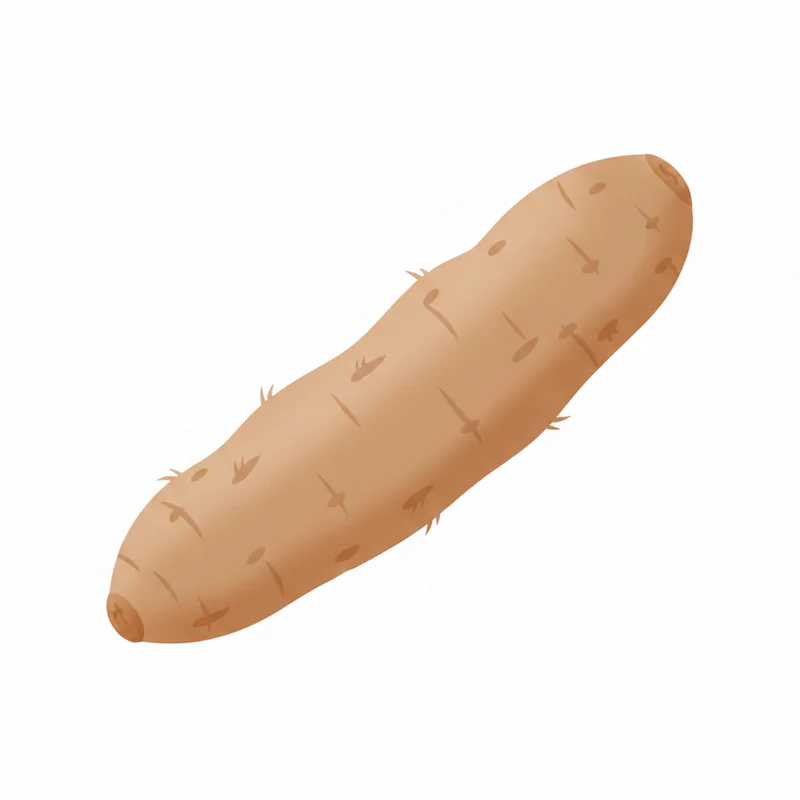
Nagaimo, also known as Chinese yam or mountain yam, is a unique root vegetable with a mild, slightly sweet flavor and a slimy texture when grated. It's a wonderful first food for babies because it's gentle on the stomach and provides important nutrients like vitamin C to support your baby's immune system1 and potassium for healthy heart and muscle function2. The natural mucilage (slimy texture) can even help soothe your baby's digestive tract.

PPippin Feeding TeamReviewed by feeding specialists · Updated July 2026
First age6m+
CategoryVegetable
Common allergenNo
Choking riskLow

When can babies eat Nagaimo?

You can introduce nagaimo around 6 months when your baby starts solids, as it's easy to digest and unlikely to cause allergies.

Storage tip

Store whole nagaimo in a cool, dark place (like a pantry) for up to 2 weeks. Once peeled or cut, wrap tightly in plastic and refrigerate for 2-3 days, or freeze cooked puree for up to 2 months.

How to serve Nagaimo by age

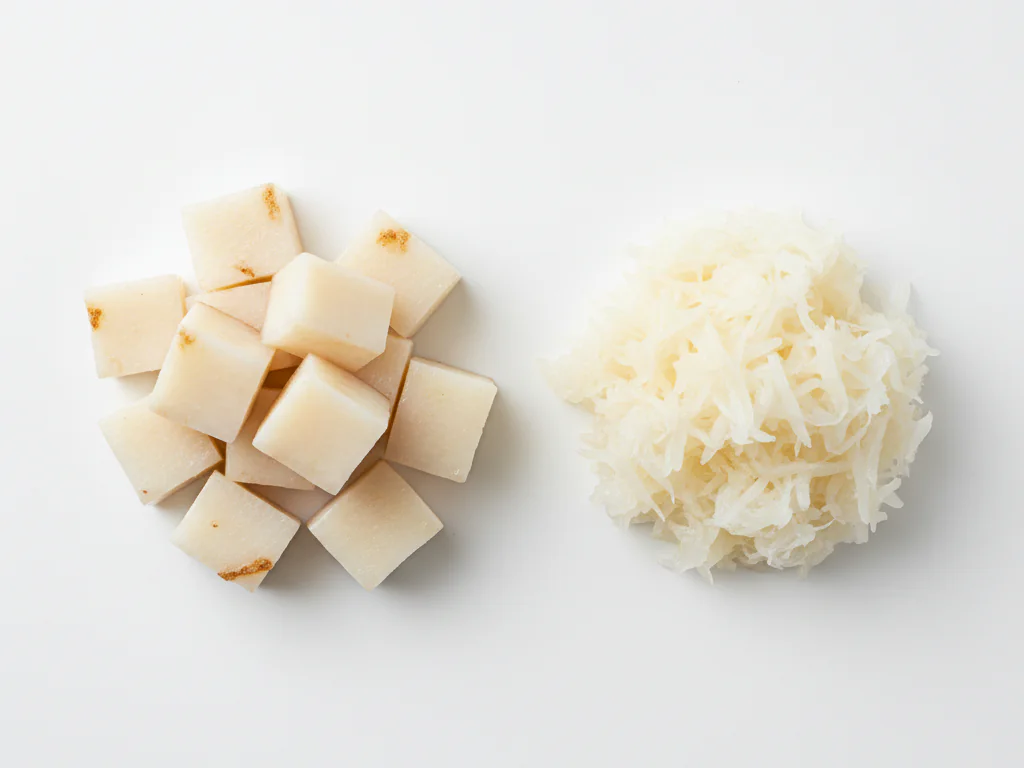
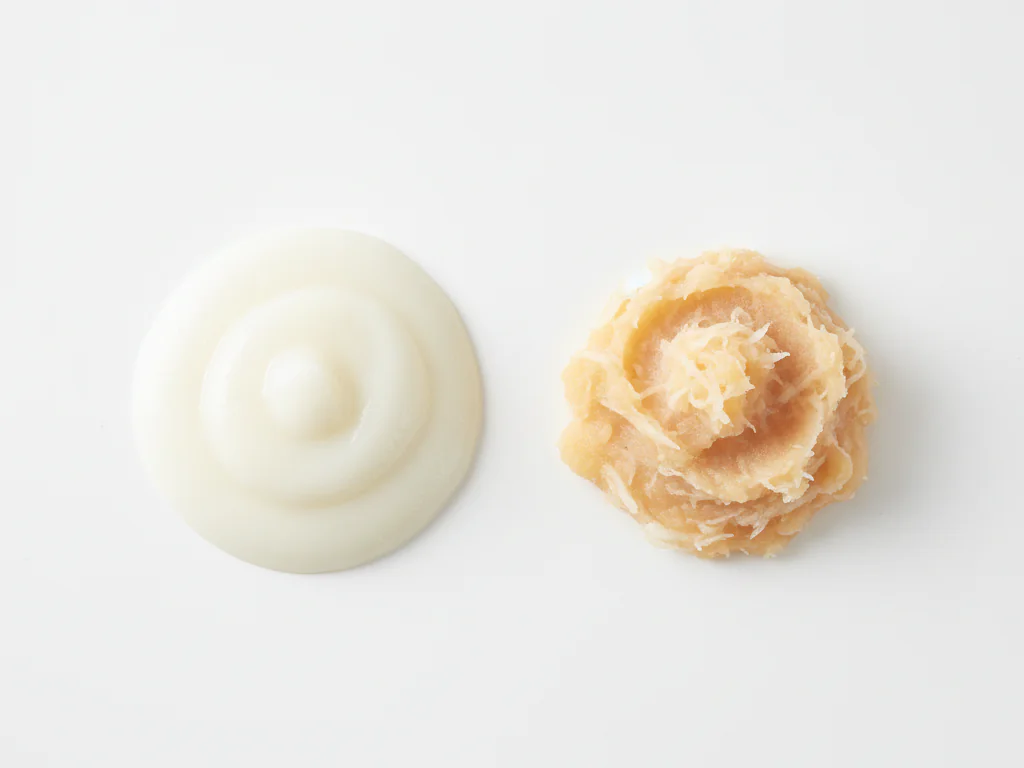
Peel and steam nagaimo until very tender (about 10-15 minutes), then puree until completely smooth with a little breast milk, formula, or water to reach a runny consistency. You can also finely grate raw nagaimo and mix it into other purees for a thinner texture.6 to 9 months

Peel and steam nagaimo until very tender (about 10-15 minutes), then puree until completely smooth with a little breast milk, formula, or water to reach a runny consistency. You can also finely grate raw nagaimo and mix it into other purees for a thinner texture.

  • Always peel nagaimo thoroughly as the skin can be tough.
  • Steam instead of boil to preserve more nutrients.
  • Mix with sweeter veggies like carrot or squash if your baby is hesitant.
  • Use a fine mesh strainer if the puree seems stringy.
  • Start with 1-2 teaspoons and gradually increase.
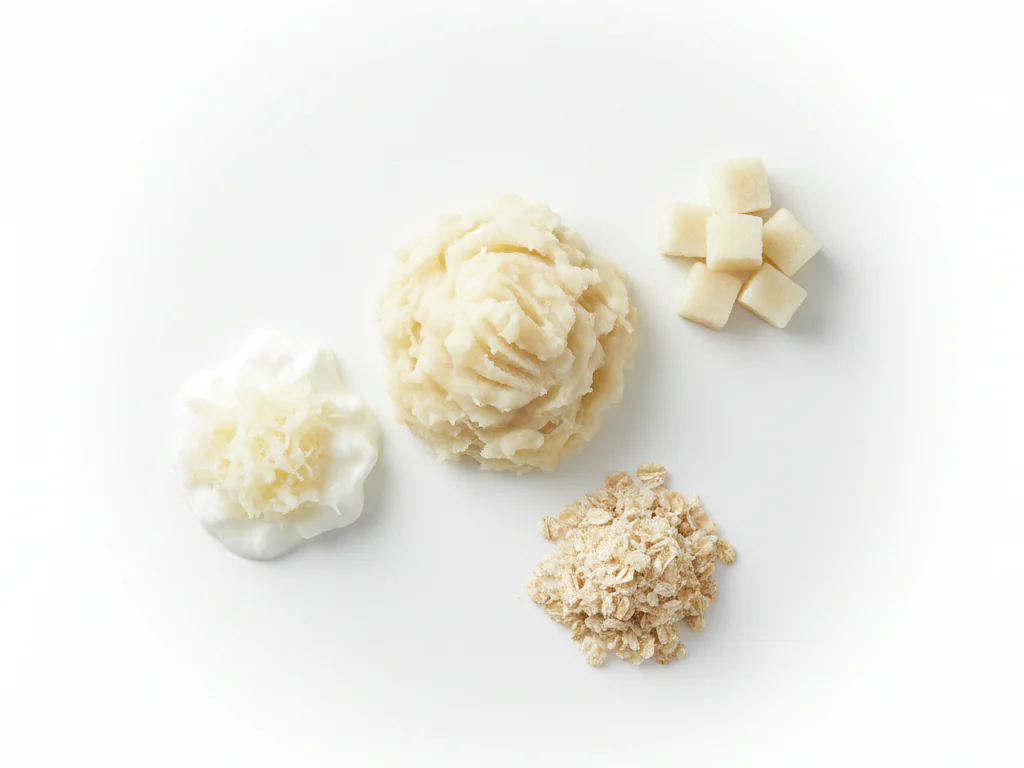
Steam or boil nagaimo until soft but still holding shape, then mash with a fork or cut into small, pea-sized cubes. The texture should be soft enough to squish between your fingers. You can also grate it and mix into oatmeal or yogurt.9 to 12 months

Steam or boil nagaimo until soft but still holding shape, then mash with a fork or cut into small, pea-sized cubes. The texture should be soft enough to squish between your fingers. You can also grate it and mix into oatmeal or yogurt.

  • Let your baby practice picking up small cubes with their fingers.
  • Combine with other soft foods like avocado or banana.
  • If serving grated, mix with drier foods to balance the sliminess.
  • Watch for signs of chewing readiness before offering cubes.
  • Keep pieces smaller than ½ inch.
Offer soft-cooked nagaimo in bite-sized pieces (about ½ inch cubes) or grated into dishes. You can also roast it with a little olive oil for added flavor. Toddlers can handle the sliminess better and might enjoy it in soups or stir-fries.12 months +

Offer soft-cooked nagaimo in bite-sized pieces (about ½ inch cubes) or grated into dishes. You can also roast it with a little olive oil for added flavor. Toddlers can handle the sliminess better and might enjoy it in soups or stir-fries.

  • Try roasting nagaimo with other root veggies for a tasty side.
  • Add grated nagaimo to pancake or fritter batter.
  • Use in place of potato in mild soups.
  • Pair with dipping sauces like yogurt or mild hummus.
  • Always supervise while eating as with any food.

Safety & allergens

Choking risk: Low

Nagaimo has a soft, slippery texture when cooked or grated, making it low-risk for choking. For babies 6-9 months, always serve it as a smooth puree or finely grated. As your baby gets older and develops chewing skills, you can offer small, soft-cooked cubes that mash easily.

Not a common allergen

Nagaimo is not a top allergen. As with any new food, offer it on its own and watch for any reaction.

Vitamins & minerals

Nagaimo is a good source of vitamin C, which helps your baby's body absorb iron from other foods and supports a healthy immune system1. It also contains potassium, which is important for heart function and muscle movements2, and manganese, which plays a role in bone development and metabolism3. The natural fiber in nagaimo can promote gentle digestion.

Vitamins
Vitamin CVitamin B6
Minerals
PotassiumManganese

Nutritional synergy

Pair nagaimo with iron-rich foods like lentils or spinach, as the vitamin C in nagaimo helps your baby's body absorb iron more effectively4.

Pairs well with

Common questions

Why is nagaimo slimy when I grate it, and is that safe for my baby?

The sliminess comes from natural mucilage, which is completely safe and actually gentle on your baby's stomach. Many parents find it helps food go down smoothly. If the texture bothers you, you can mix grated nagaimo into other purees like sweet potato or apple to thin it out.

Can I give my baby raw nagaimo?

It's best to cook nagaimo for babies under 12 months to ensure it's soft and easy to digest. Light steaming or boiling until tender works well. Some cultures consume raw grated nagaimo, but for babies, cooking eliminates any potential irritants and makes it safer.

My baby made a funny face when trying nagaimo. Should I stop offering it?

New textures and flavors can surprise babies! The slimy feel might take some getting used to. Keep offering small amounts mixed with familiar foods—it can take 10-15 tries before babies accept a new food. As long as there's no allergic reaction, persistence usually pays off.

Sources & references

  1. 1Carr & Maggini, 2017
  2. 2Stone et al., 2016
  3. 3NIH Office of Dietary Supplements, 2021
  4. 4Lynch & Cook, 1980