FoodsGrainBarley
Barley

Grain

Barley

Barley is a wonderful whole grain to introduce to your baby, offering a mild, slightly nutty flavor and a soft, chewy texture that many little ones enjoy. It's packed with fiber that can help support healthy digestion[1] and provides essential B vitamins that help your baby's body convert food into energy[2]. This versatile grain is also naturally gluten-free when labeled as such, making it a great option for many families.

6m+Common allergenChoking risk: Low
First age6m+
CategoryGrain
Common allergenYes
Choking riskLow

When can babies eat Barley?

Barley can typically be introduced around 6 months of age when your baby starts solids. It's a gentle grain that's easy to digest for most babies.

How to serve Barley by age

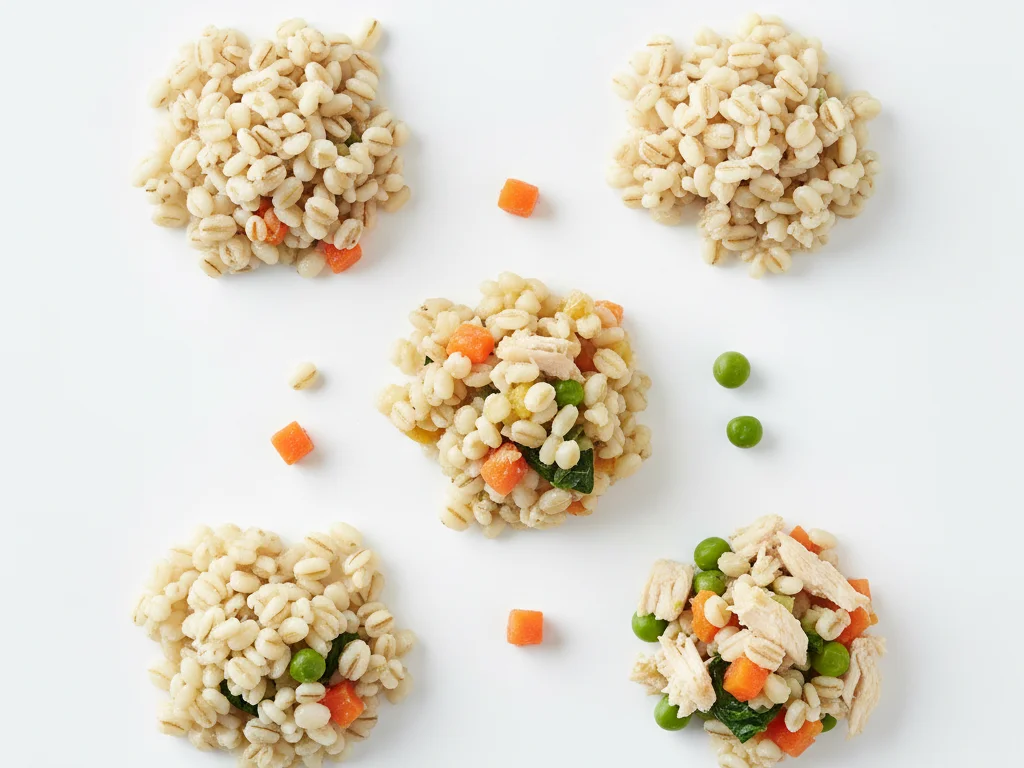
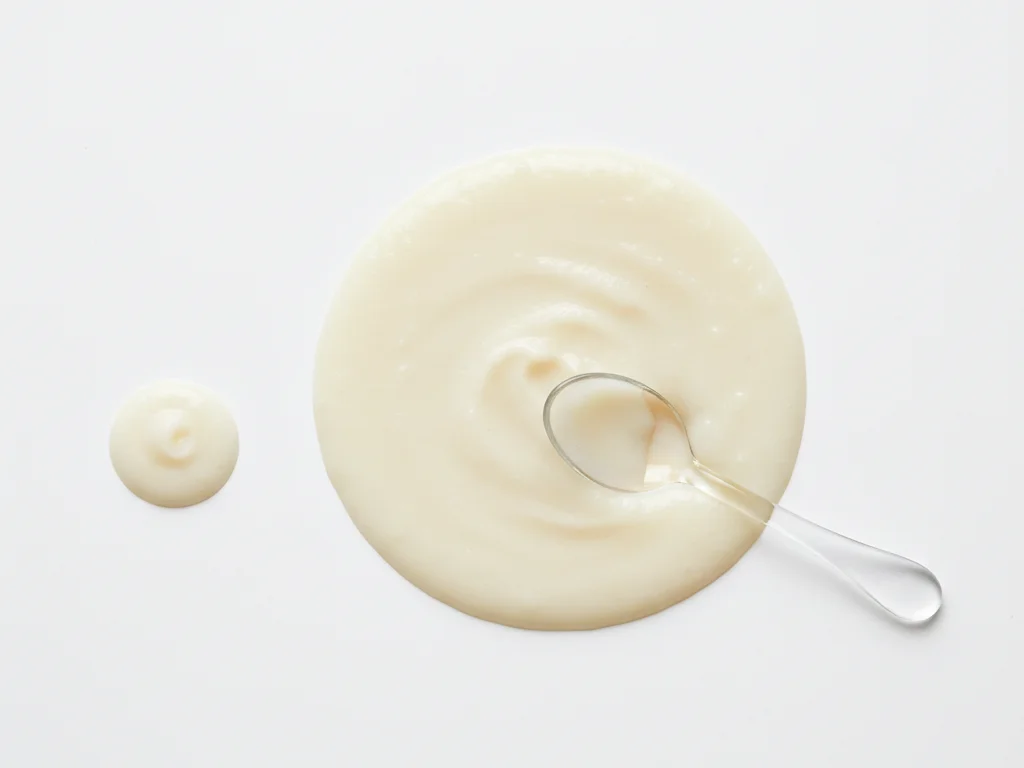
Cook barley until very soft (about 45-60 minutes for pearl barley), then blend with breast milk, formula, or water to create a smooth, thin puree. You can strain it through a fine mesh sieve for an extra-smooth texture for beginners.
6 to 9 months

Cook barley until very soft (about 45-60 minutes for pearl barley), then blend with breast milk, formula, or water to create a smooth, thin puree. You can strain it through a fine mesh sieve for an extra-smooth texture for beginners.

  • Use a 3:1 water-to-barley ratio for cooking
  • Blend while still warm for smoother puree
  • Mix with familiar foods like applesauce or banana
  • Start with just 1-2 teaspoons at first feeding
  • Add a pinch of cinnamon for flavor variety
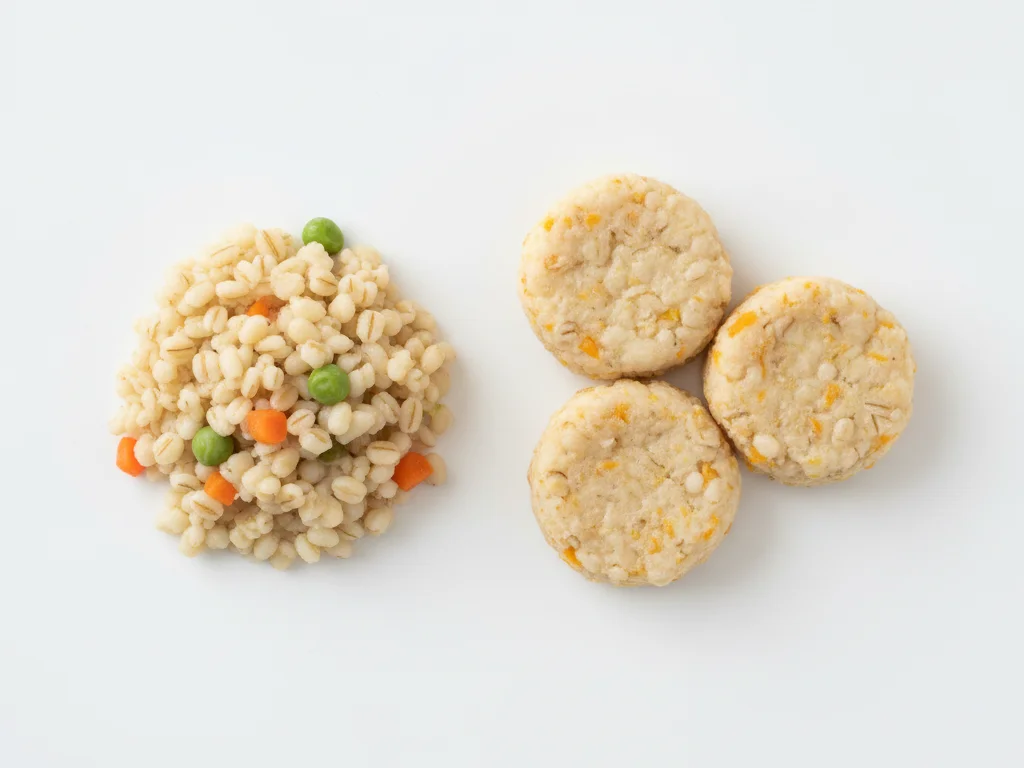
Cook barley until tender but still intact. Mash lightly with a fork or serve as soft, individual grains mixed with other foods. Barley makes a great addition to vegetable mashes or can be formed into soft patties.
9 to 12 months

Cook barley until tender but still intact. Mash lightly with a fork or serve as soft, individual grains mixed with other foods. Barley makes a great addition to vegetable mashes or can be formed into soft patties.

  • Mix cooked barley with mashed avocado or sweet potato
  • Form into soft finger-food patties with egg or mashed beans
  • Combine with finely chopped soft vegetables
  • Use as a base for vegetable and meat mixtures
  • Offer small spoonfuls for self-feeding practice
Serve cooked barley as a side dish or mixed into soups, stews, and salads. Your toddler can enjoy barley in more complex dishes and with varied textures as their chewing skills develop.
12 months +

Serve cooked barley as a side dish or mixed into soups, stews, and salads. Your toddler can enjoy barley in more complex dishes and with varied textures as their chewing skills develop.

  • Add to vegetable soups for extra nutrition
  • Mix with yogurt and fruit for a breakfast bowl
  • Use in place of rice in favorite family recipes
  • Combine with beans and mild spices for toddler-friendly bowls
  • Make barley 'risotto' with mild cheese and vegetables

Safety & allergens

Choking risk: Low

Barley has a low choking risk when properly prepared. For young babies, always serve it well-cooked and mashed or pureed to a smooth consistency. As your baby gets older and develops chewing skills, you can serve it as a soft, cooked grain mixed with other foods.

Common allergen

Introduce on its own and watch closely for any signs of a reaction.

Vitamins & minerals

Barley provides important nutrients for your growing baby. It contains iron that helps support healthy blood development[3] and magnesium that contributes to bone health[4]. The fiber in barley can help promote regular bowel movements[1], and the selenium it contains acts as an antioxidant to protect cells[5].

Vitamins
Vitamin VITAMIN B1Vitamin VITAMIN B3Vitamin VITAMIN B6
Minerals
IronMagnesiumSeleniumManganese

Pairs well with