Goat cheese

Dairy

Goat cheese

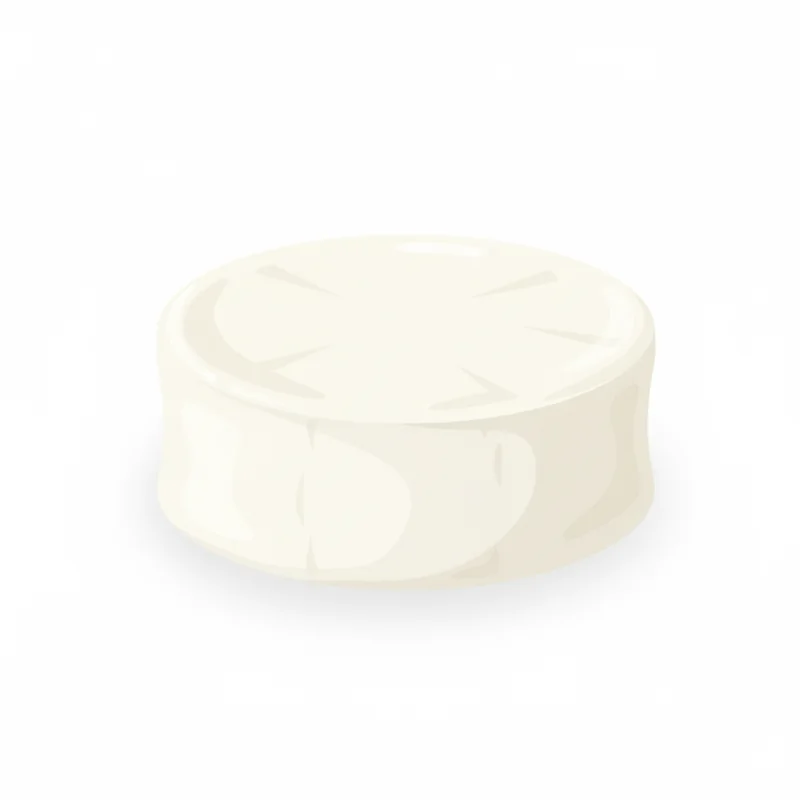
Goat cheese is a creamy, tangy dairy option that can be a nutritious addition to your baby's diet. It's packed with calcium for strong bones and teeth1, and contains vitamin B12 which supports healthy brain development2. Many babies enjoy its soft texture and mild flavor, making it a great way to introduce dairy variety.

PPippin Feeding TeamReviewed by feeding specialists · Updated July 2026
First age6m+
CategoryDairy
Common allergenYes
Choking riskLow

When can babies eat Goat cheese?

You can introduce goat cheese around 6 months when starting solids, but it's best to wait until your baby has tried other dairy products like yogurt first to ensure they tolerate dairy well.

Storage tip

Store goat cheese in the refrigerator in its original packaging or an airtight container for up to 2 weeks. For longer storage, you can freeze it for 1-2 months, though the texture may become crumbly when thawed.

How to serve Goat cheese by age

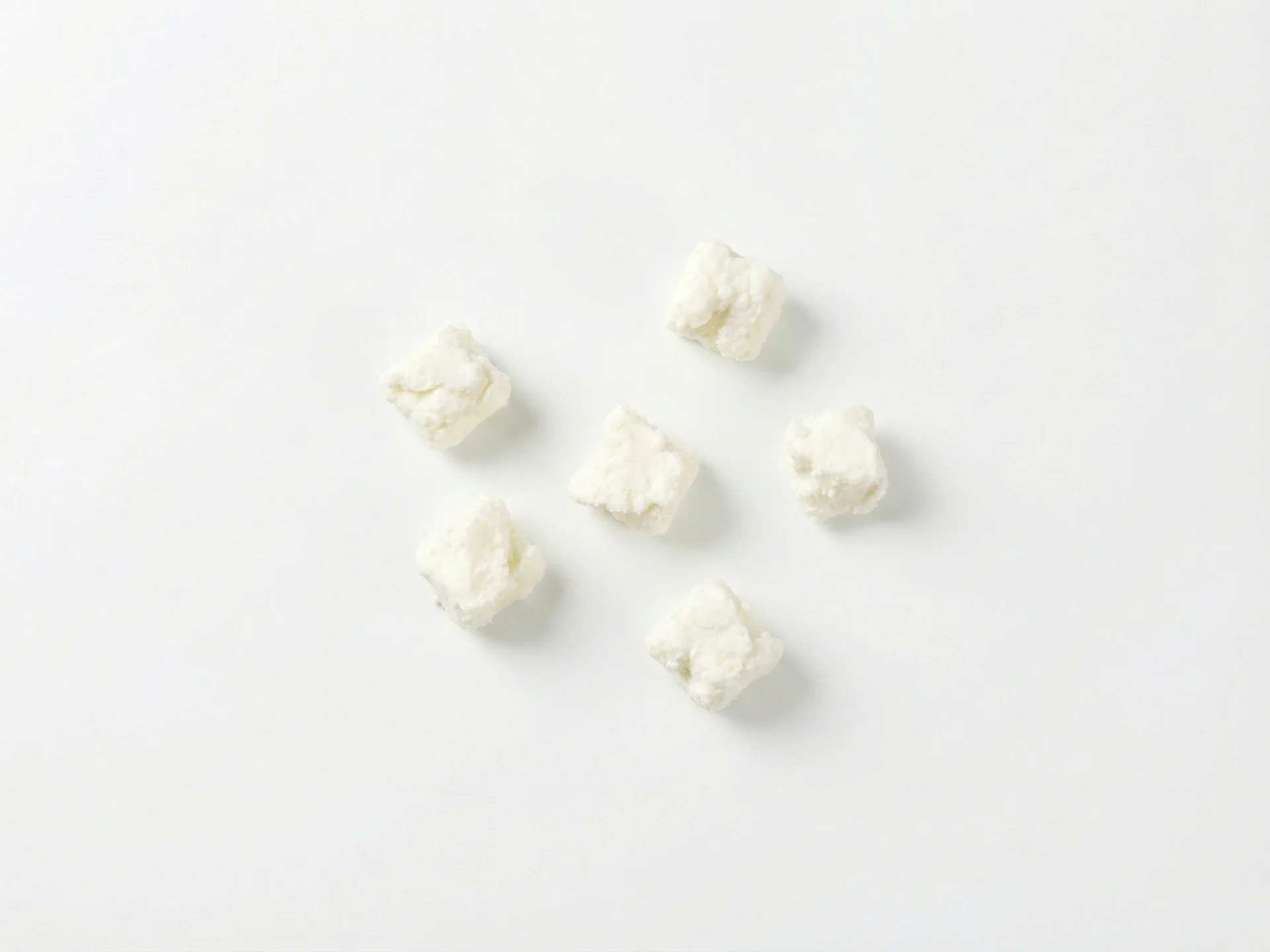
For babies 9-12 months, serve goat cheese in thin, flat slices or small, soft crumbles that are easy to pick up with a palmar grasp. You can also spread a thin layer on soft toast strips or mix it into mashed vegetables. Ensure the pieces are no larger than your baby's fist to prevent choking.9 to 12 months

For babies 9-12 months, serve goat cheese in thin, flat slices or small, soft crumbles that are easy to pick up with a palmar grasp. You can also spread a thin layer on soft toast strips or mix it into mashed vegetables. Ensure the pieces are no larger than your baby's fist to prevent choking.

  • Choose fresh, soft goat cheese (chèvre) over hard or aged varieties.
  • Serve at room temperature to enhance creaminess and flavor.
  • Avoid adding salt or honey to the cheese.
  • Combine with soft fruits like banana for a sweet-savory mix.
  • Supervise closely during meals to ensure safe eating.
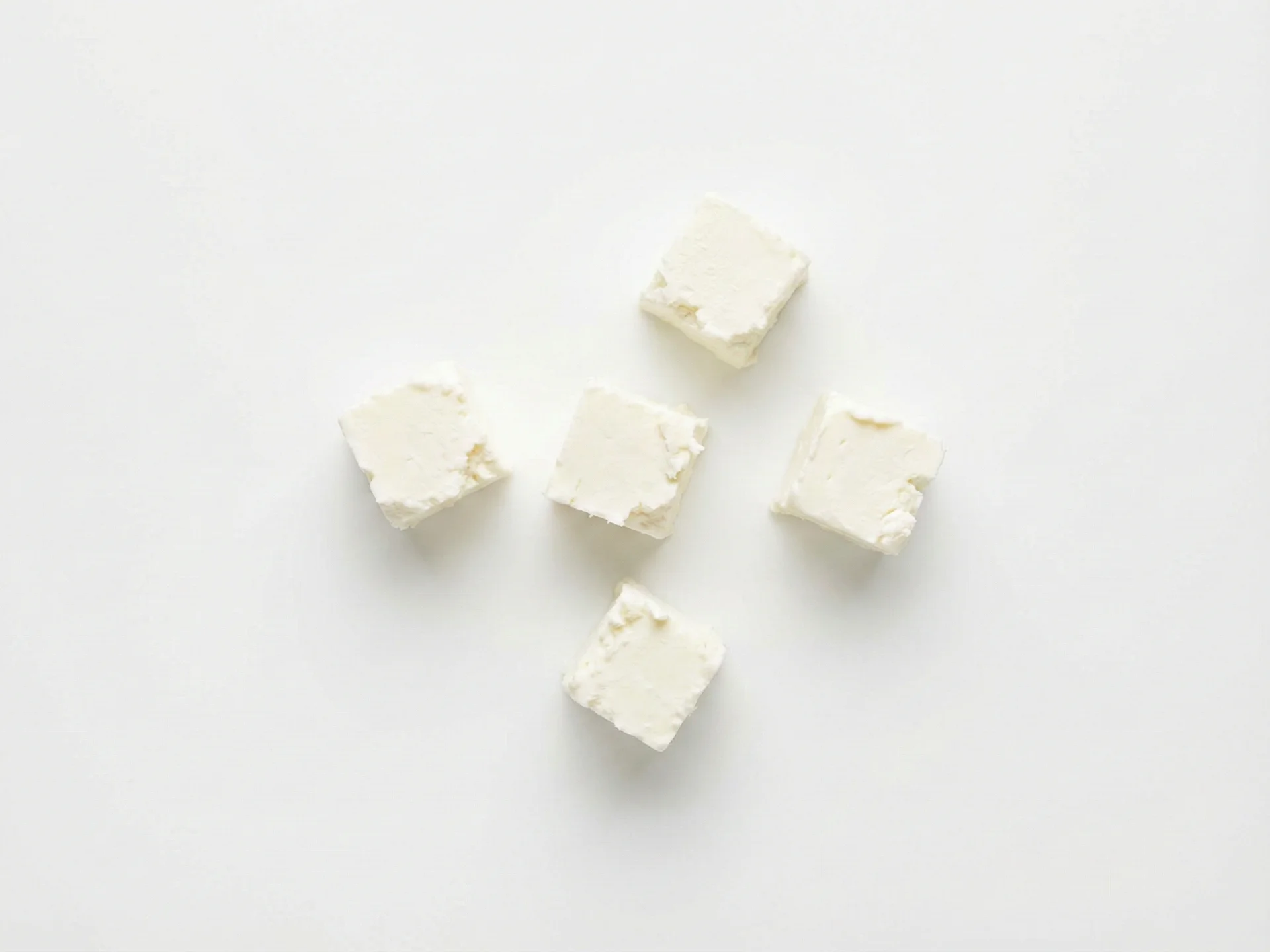
For toddlers 12 months and up, you can offer goat cheese in slightly larger pieces or as part of more complex dishes, such as sprinkled on pasta or melted in omelets. Encourage self-feeding with utensils, and continue to avoid hard chunks that could pose a choking risk.12 months +

For toddlers 12 months and up, you can offer goat cheese in slightly larger pieces or as part of more complex dishes, such as sprinkled on pasta or melted in omelets. Encourage self-feeding with utensils, and continue to avoid hard chunks that could pose a choking risk.

  • Introduce goat cheese in salads or as a topping for soft vegetables.
  • Use it in homemade sauces to add creaminess without heavy spices.
  • Monitor sodium intake by checking labels and opting for low-sodium versions.
  • Pair with whole-grain crackers for a crunchy texture contrast.
  • Involve your toddler in meal prep by letting them sprinkle cheese on their food.

Safety & allergens

Choking risk: Low

Goat cheese is naturally soft and spreadable, making it a low choking risk when served appropriately. For younger babies, spread it thinly on toast or mix into purees. Avoid serving large chunks that could pose a risk, and always supervise your baby during meals.

Common allergen

Cow's milk allergy affects about 2-3% of infants, and some babies with cow's milk allergy may also react to goat's milk due to similar proteins3.

Watch for symptoms:

  • Hives
  • Swelling
  • Vomiting
  • Diarrhea
  • Difficulty breathing

Introduce a small amount (about 1/2 teaspoon) and watch for reactions over 2-3 days. If your baby has a known cow's milk allergy, consult your pediatrician before trying goat cheese3. Always have your pediatrician's contact information handy when introducing new allergens.

Vitamins & minerals

Goat cheese provides excellent nutrition for growing babies. The calcium content supports bone mineralization and development1, while the zinc contributes to immune function and growth4. Vitamin B12 is essential for neurological development and red blood cell formation2.

Vitamins
Vitamin AVitamin B2Vitamin B12
Minerals
CalciumPhosphorusZinc

Nutritional synergy

Pair goat cheese with vitamin C-rich foods like bell peppers or strawberries to enhance iron absorption from other foods in the meal5.

Common questions

Is goat cheese easier to digest than cow's milk cheese for babies?

Some parents find goat cheese is gentler on their baby's stomach because it has different proteins and fats than cow's milk products. However, if your baby has a true milk protein allergy, they may still react to goat cheese. Start with a small amount and watch for any digestive changes.

What type of goat cheese is best for babies?

Choose pasteurized, soft goat cheese (chèvre) without added salt, herbs, or spices. Avoid aged or hard varieties that are higher in sodium. Look for plain, fresh goat cheese at your grocery store's cheese section.

How can I tell if my baby is having an allergic reaction to goat cheese?

Watch for symptoms like hives, facial swelling, vomiting, diarrhea, or breathing difficulties within 2 hours of eating. Mild reactions might include a rash around the mouth or increased fussiness. If you notice any concerning symptoms, stop feeding the cheese and contact your pediatrician.

Sources & references

  1. 1NIH Office of Dietary Supplements, 2023
  2. 2NIH Office of Dietary Supplements, 2023
  3. 3American Academy of Pediatrics, 2023
  4. 4NIH Office of Dietary Supplements, 2023
  5. 5Harvard T.H. Chan School of Public Health, 2023