Plantain

Fruit

Plantain

Plantains are a wonderful first food for babies, offering a naturally sweet taste and soft texture when cooked. They're packed with essential nutrients that support your baby's growth and development, including Vitamin A for healthy vision1 and Vitamin C to boost their immune system2. Their starchy nature makes them easy to digest and a great energy source for your little one.

PPippin Feeding TeamReviewed by feeding specialists · Updated July 2026
First age6m+
CategoryFruit
Common allergenNo
Choking riskLow

When can babies eat Plantain?

Plantains can be introduced around 6 months when your baby starts solids, as they're easy to mash and digest. They're a great option for early eaters because of their mild flavor and versatility.

Storage tip

Store unripe plantains at room temperature until they turn yellow with black spots (ripe). Once ripe, refrigerate for up to 1 week. Cooked plantain puree can be frozen in ice cube trays for up to 2 months.

How to serve Plantain by age

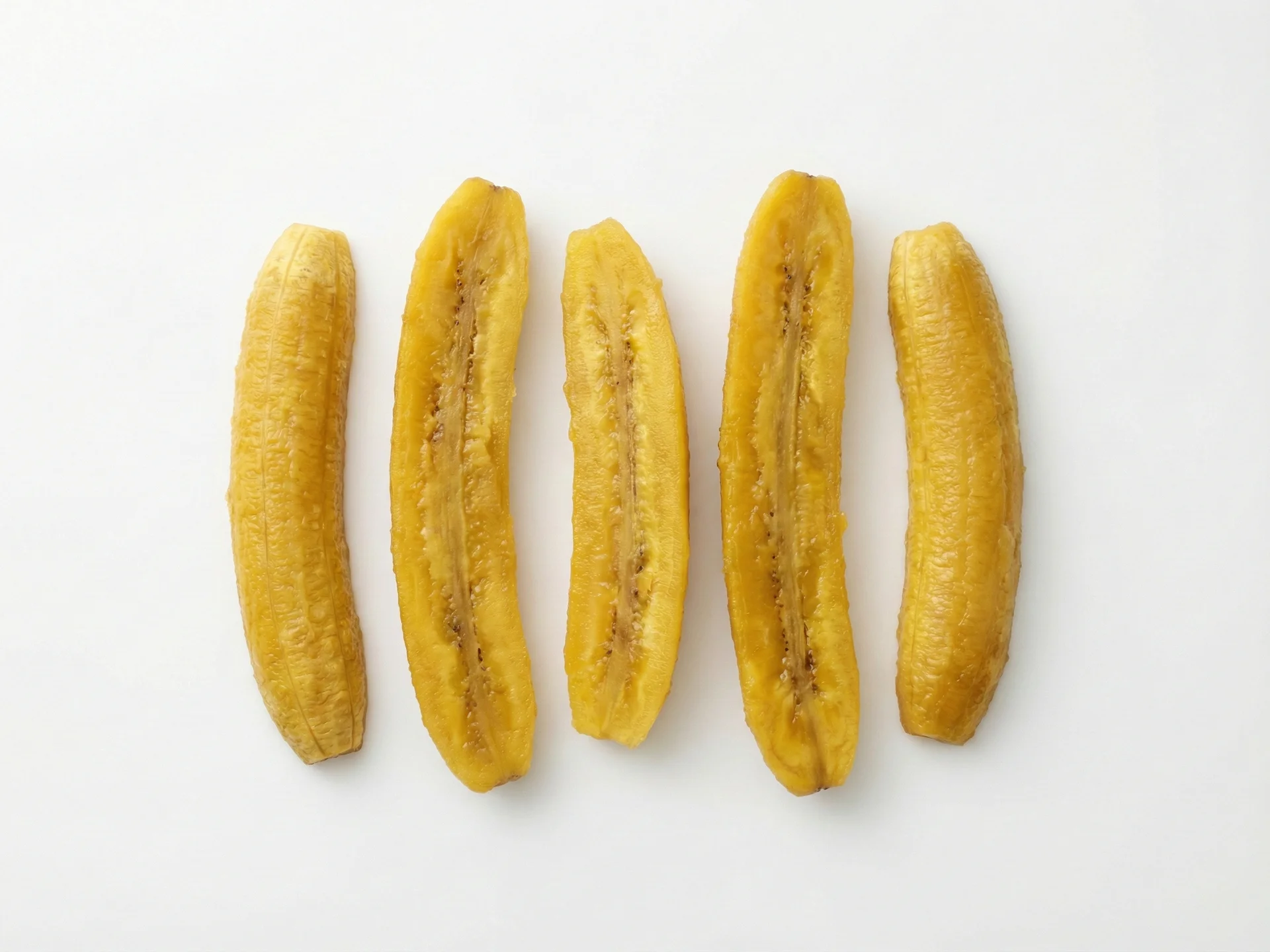
For babies 6-9 months, cook plantains until very soft by steaming, boiling, or baking, then cut into long, thick strips about the size of two adult fingers. This shape is easy for your baby to grasp with their palmar grasp and gum safely. Ensure the strips are soft enough to mash between your fingers.6 to 9 months

For babies 6-9 months, cook plantains until very soft by steaming, boiling, or baking, then cut into long, thick strips about the size of two adult fingers. This shape is easy for your baby to grasp with their palmar grasp and gum safely. Ensure the strips are soft enough to mash between your fingers.

  • Steam or boil plantain pieces for 10-15 minutes until tender
  • Bake at 400°F (200°C) for 20-25 minutes until soft
  • Cut into strips about 3 inches long and 1 inch wide
  • Test softness by pressing with your thumb—it should leave an indent
  • Serve warm, not hot, to avoid burns
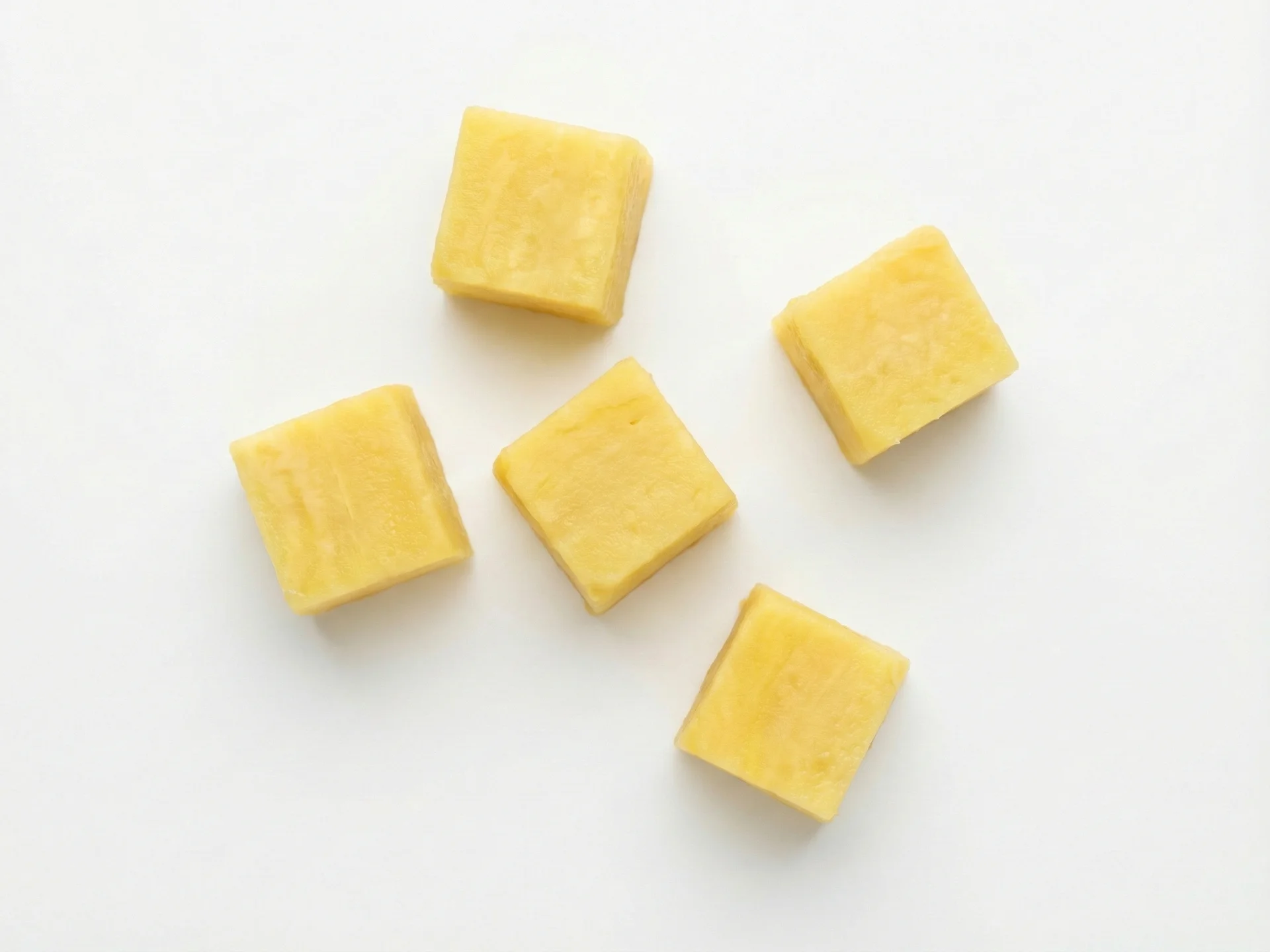
For babies 9-12 months, you can offer smaller, bite-sized pieces as their pincer grasp develops. Cook plantains until soft and cut into small cubes or mash lightly. You can also introduce lightly pan-fried plantain slices for added texture, but ensure they're not crispy or hard.9 to 12 months

For babies 9-12 months, you can offer smaller, bite-sized pieces as their pincer grasp develops. Cook plantains until soft and cut into small cubes or mash lightly. You can also introduce lightly pan-fried plantain slices for added texture, but ensure they're not crispy or hard.

  • Cut cooked plantain into pea-sized pieces for pincer practice
  • Mash with a fork for a smoother texture if preferred
  • Lightly pan-fry in a small amount of oil until golden and soft
  • Mix mashed plantain with oatmeal or yogurt for variety
  • Offer alongside other finger foods to encourage self-feeding
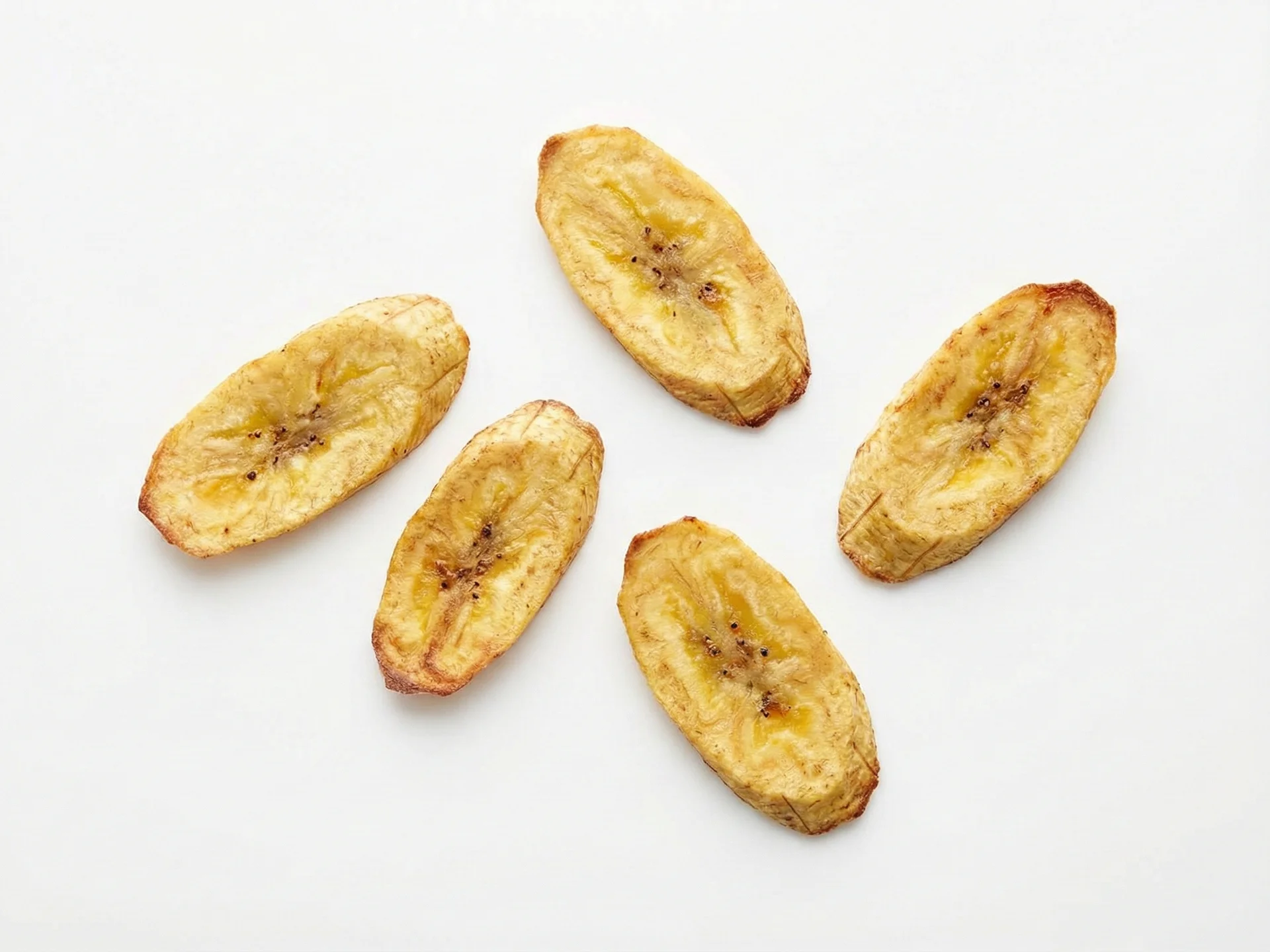
For toddlers 12 months and up, plantains can be served in more varied ways, such as baked plantain chips or added to dishes like stews. Continue to ensure they're cooked until soft, and you can introduce firmer textures as your child's chewing skills improve.12 months +

For toddlers 12 months and up, plantains can be served in more varied ways, such as baked plantain chips or added to dishes like stews. Continue to ensure they're cooked until soft, and you can introduce firmer textures as your child's chewing skills improve.

  • Bake thin slices into soft chips at 375°F (190°C) for 15-20 minutes
  • Add diced plantain to soups or casseroles for extra nutrition
  • Serve as a side dish with proteins like chicken or beans
  • Use mashed plantain as a base for pancakes or muffins
  • Encourage dipping plantain pieces into sauces like yogurt or hummus

Safety & allergens

Choking risk: Low

Plantains are low choking risk when properly prepared. Always cook until very soft and mash or puree thoroughly for younger babies. For older babies, cut cooked plantains into small, soft pieces they can gum easily. Never serve raw plantain to babies as it's hard and difficult to chew.

Not a common allergen

Plantain is not a top allergen. As with any new food, offer it on its own and watch for any reaction.

Vitamins & minerals

Plantains provide important nutrients for your baby's development. They're rich in potassium, which helps maintain healthy fluid balance and supports nerve function3, and magnesium, which is essential for bone development and energy production4. The Vitamin B6 in plantains aids in brain development and helps the body make antibodies to fight infections5.

Vitamins
Vitamin AVitamin CVitamin B6
Minerals
PotassiumMagnesium

Nutritional synergy

Pair plantains with foods containing healthy fats like avocado or coconut milk to help absorb the fat-soluble Vitamin A6. The Vitamin C in plantains also enhances iron absorption when served with iron-rich foods like lentils or spinach7.

Common questions

How do I know when a plantain is ripe enough for my baby?

Look for plantains that are mostly yellow with black spots—they'll be sweetest and softest when cooked. Avoid green, unripe plantains as they're starchy and harder to digest for babies.

Can I give my baby plantain if they're constipated?

Yes! Plantains contain dietary fiber that can help promote regular bowel movements8. Start with small amounts and ensure your baby is drinking enough breast milk or formula, as fiber works best with adequate fluids.

What's the difference between plantains and bananas for baby food?

Plantains are starchier and less sweet than bananas, with a thicker skin. They must be cooked before eating, while bananas can be served raw. Both are nutritious, but plantains offer more Vitamin A and C per serving9.

Sources & references

  1. 1National Institutes of Health, 2021
  2. 2Carr & Maggini, 2017
  3. 3National Institutes of Health, 2022
  4. 4National Institutes of Health, 2021
  5. 5National Institutes of Health, 2023
  6. 6Harrison, 2012
  7. 7Lynch, 2011
  8. 8Anderson et al., 2009
  9. 9USDA FoodData Central, 2024