FoodsBeanSoybeans
Soybeans

Bean

Soybeans

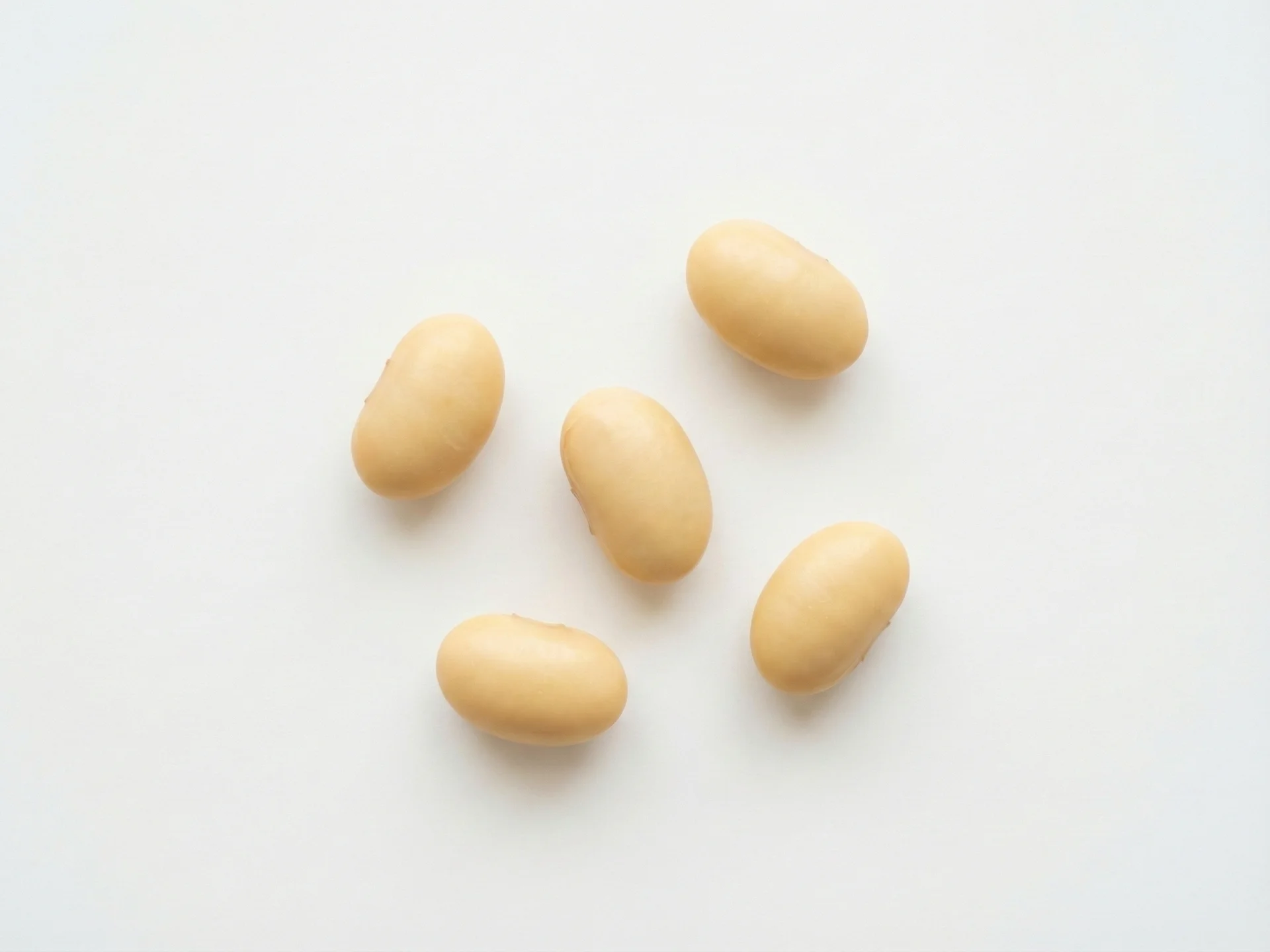
Soybeans are a fantastic plant-based protein source that can help support your baby's growth and development. They have a mild, slightly nutty flavor and a creamy texture when cooked and mashed, making them appealing for little ones. Rich in iron and calcium, soybeans can contribute to healthy blood and strong bones.[1]

6m+Common allergenChoking risk: Medium
First age6m+
CategoryBean
Common allergenYes
Choking riskMedium

When can babies eat Soybeans?

You can introduce soybeans around 6 months when starting solids, but because soy is a common allergen, it's wise to introduce it carefully and watch for any reactions.

How to serve Soybeans by age

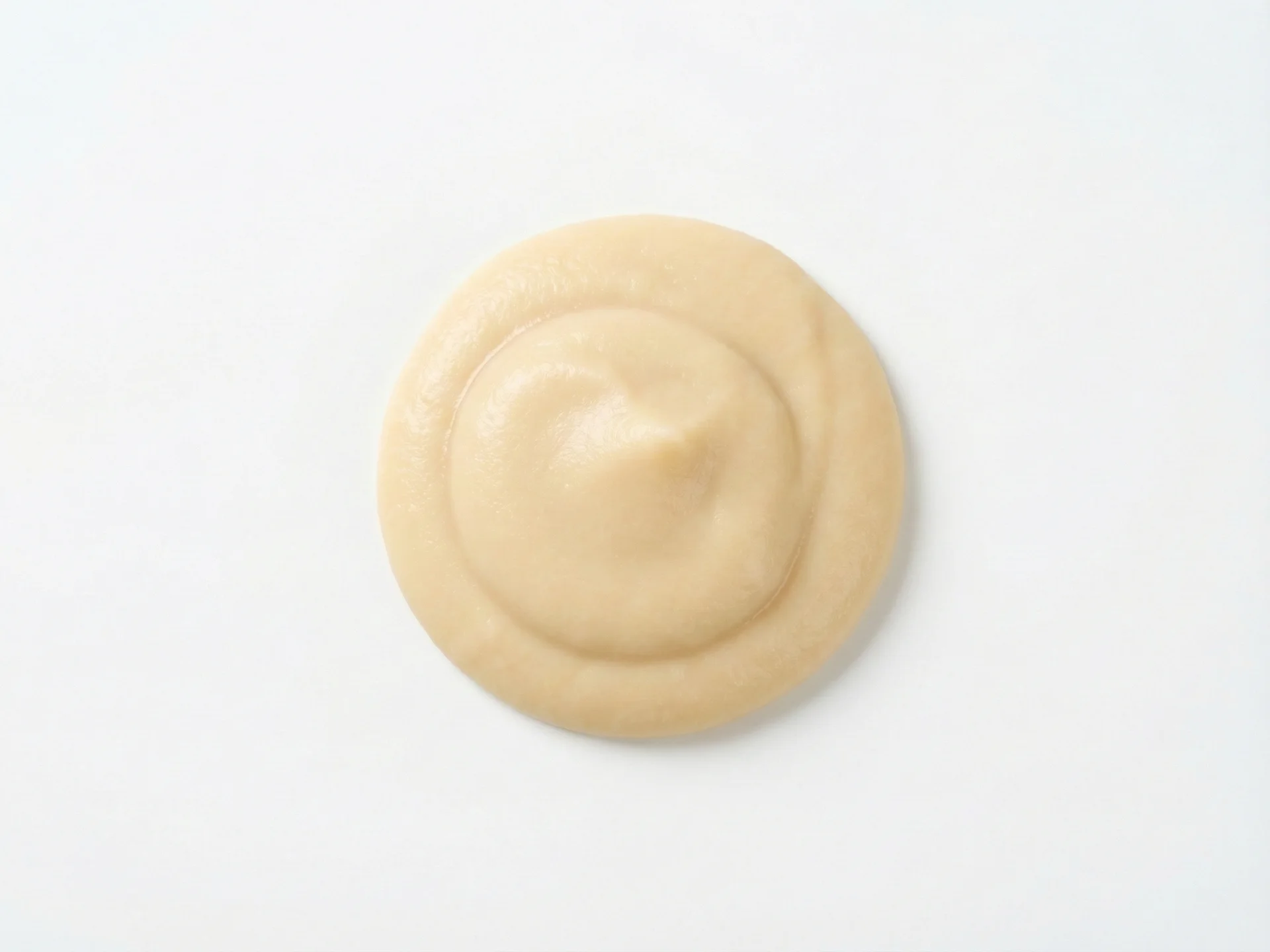
For babies 6-9 months, cook soybeans until very soft, then mash or puree them to a smooth consistency. You can mix with breast milk, formula, or other purees to adjust texture. Avoid whole beans to reduce choking risk.
6 to 9 months

For babies 6-9 months, cook soybeans until very soft, then mash or puree them to a smooth consistency. You can mix with breast milk, formula, or other purees to adjust texture. Avoid whole beans to reduce choking risk.

  • Cook dried soybeans by boiling for 1-2 hours until tender, or use canned soybeans (rinse well to reduce sodium).
  • Mash cooked soybeans with a fork or blend into a puree.
  • Mix with avocado or banana for added creaminess.
  • Serve on a pre-loaded spoon or as a thick spread on soft toast strips.
  • Start with small amounts to monitor for allergies.
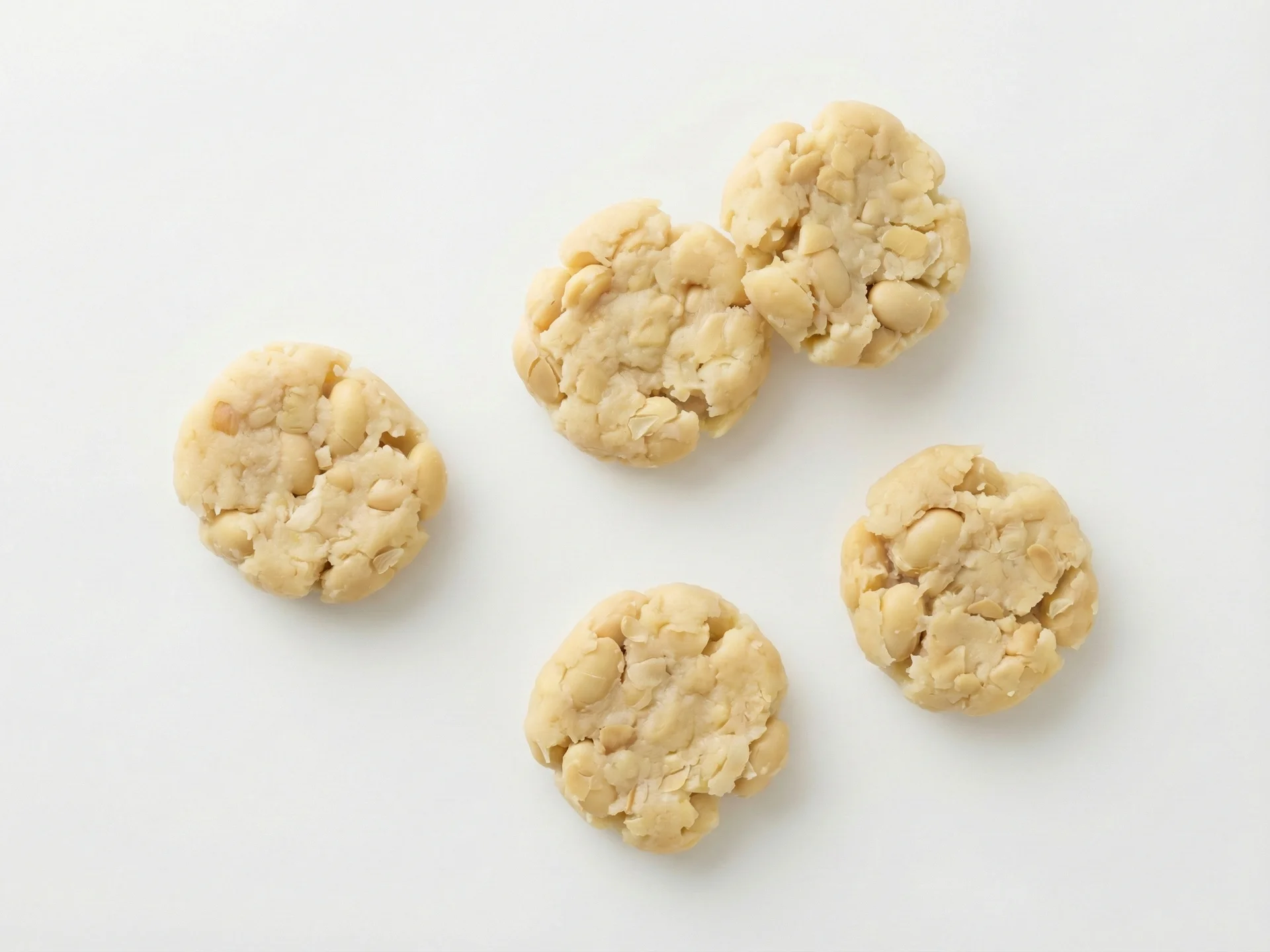
For babies 9-12 months, offer cooked soybeans that are flattened or lightly mashed to a lumpy texture. You can also incorporate them into soft foods like patties or mixed dishes to encourage self-feeding.
9 to 12 months

For babies 9-12 months, offer cooked soybeans that are flattened or lightly mashed to a lumpy texture. You can also incorporate them into soft foods like patties or mixed dishes to encourage self-feeding.

  • Flatten cooked soybeans with a fork to create safer, irregular shapes.
  • Mix mashed soybeans with cooked grains like quinoa or rice to form soft balls.
  • Add to vegetable mashes or soups for extra protein.
  • Offer as finger food in small, manageable portions.
  • Continue to ensure beans are fully cooked and soft.
For toddlers 12 months and up, serve whole cooked soybeans if they're soft and your child has good chewing skills. You can also include soy-based foods like tofu or tempeh in age-appropriate forms.
12 months +

For toddlers 12 months and up, serve whole cooked soybeans if they're soft and your child has good chewing skills. You can also include soy-based foods like tofu or tempeh in age-appropriate forms.

  • Test whole soybeans by squishing them between your fingers to ensure they're soft enough.
  • Introduce tofu cubes or tempeh strips as finger foods.
  • Use soybeans in family meals like stir-fries or salads.
  • Monitor for choking and cut foods into safe sizes.
  • Encourage self-feeding with utensils as skills develop.

Safety & allergens

Choking risk: Medium

Whole soybeans are a choking hazard due to their small, round shape and firm texture. Always cook soybeans until very soft and mash or puree them thoroughly for younger babies. For older babies, you can offer well-cooked, mashed beans or flatten them slightly with a fork to reduce risk.

Common allergen

Soy allergy affects about 0.4% of infants and young children, making it one of the more common food allergies in this age group.[2]

Vitamins & minerals

Soybeans are packed with nutrients important for babies. They provide iron, which is crucial for brain development and preventing anemia.[4] The calcium and magnesium support bone health, while B vitamins like folate (B9) aid in cell growth and energy production.[5]

Vitamins
Vitamin VITAMIN KVitamin VITAMIN B1Vitamin VITAMIN B2Vitamin VITAMIN B6Vitamin VITAMIN B9
Minerals
IronCalciumMagnesiumPotassiumPhosphorusManganese