Spinach

Vegetable

Spinach

Spinach is a wonderful leafy green to introduce to your baby, offering a mild, earthy flavor that many little ones enjoy. It's packed with nutrients that support healthy growth and development, including iron for energy and vitamin K for strong bones.1 Plus, its soft texture when cooked makes it easy to prepare for tiny eaters.

PPippin Feeding TeamReviewed by feeding specialists · Updated January 2026
First age6m+
CategoryVegetable
Common allergenNo
Choking riskLow

When can babies eat Spinach?

Spinach can be introduced around 6 months when your baby starts solids, as it's easy to puree and gentle on their developing digestive system.

Storage tip

Store fresh spinach in the refrigerator in a breathable bag for up to 5 days. Cooked spinach puree can be frozen in ice cube trays for up to 2 months.

How to serve Spinach by age

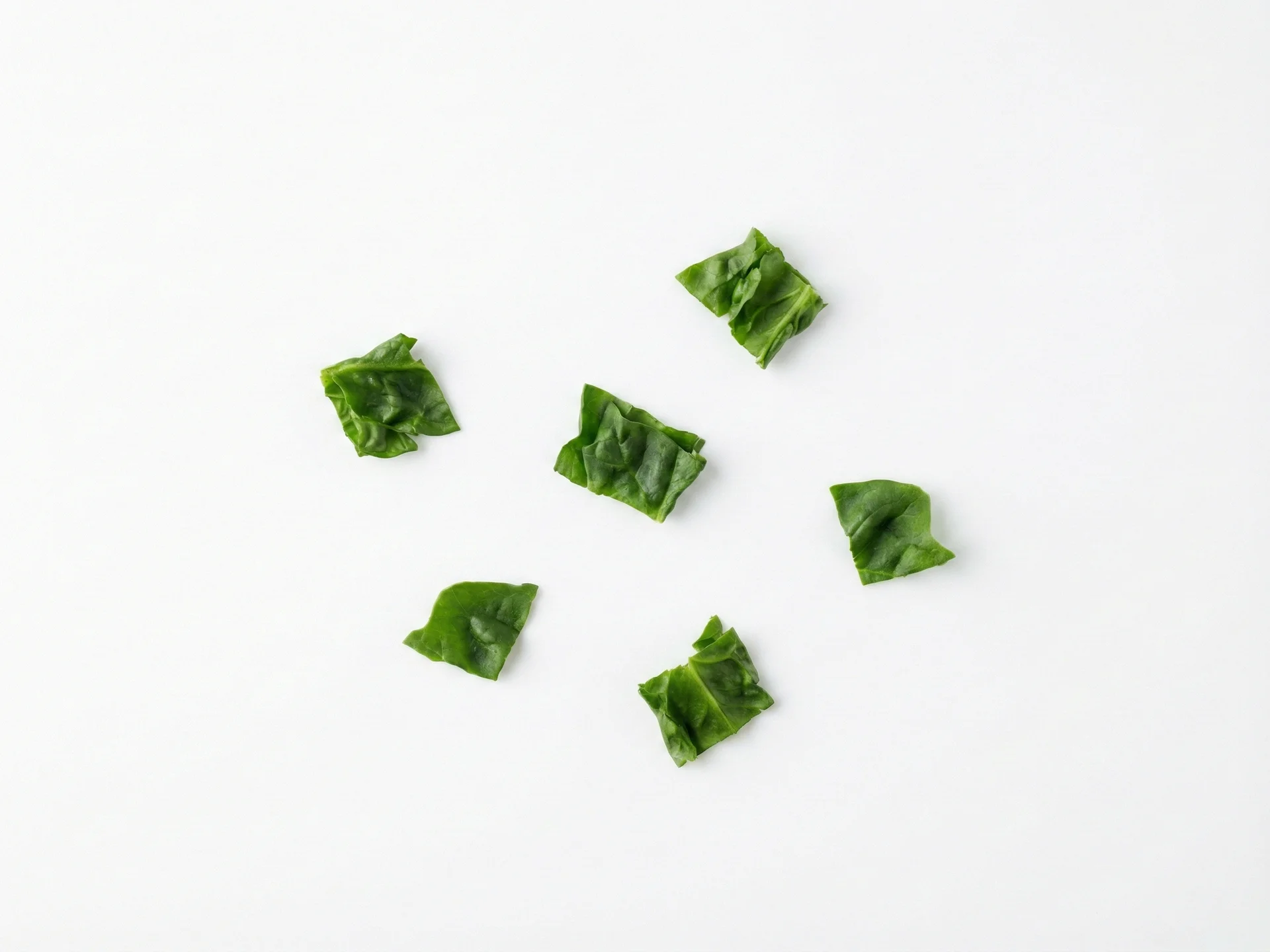
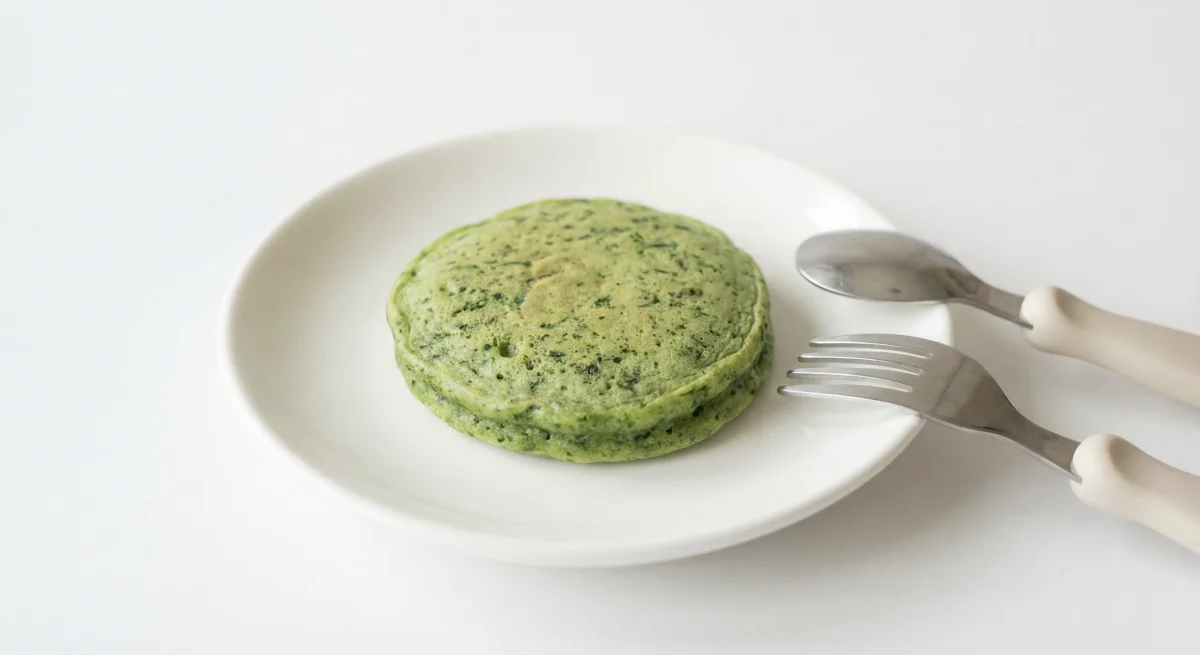
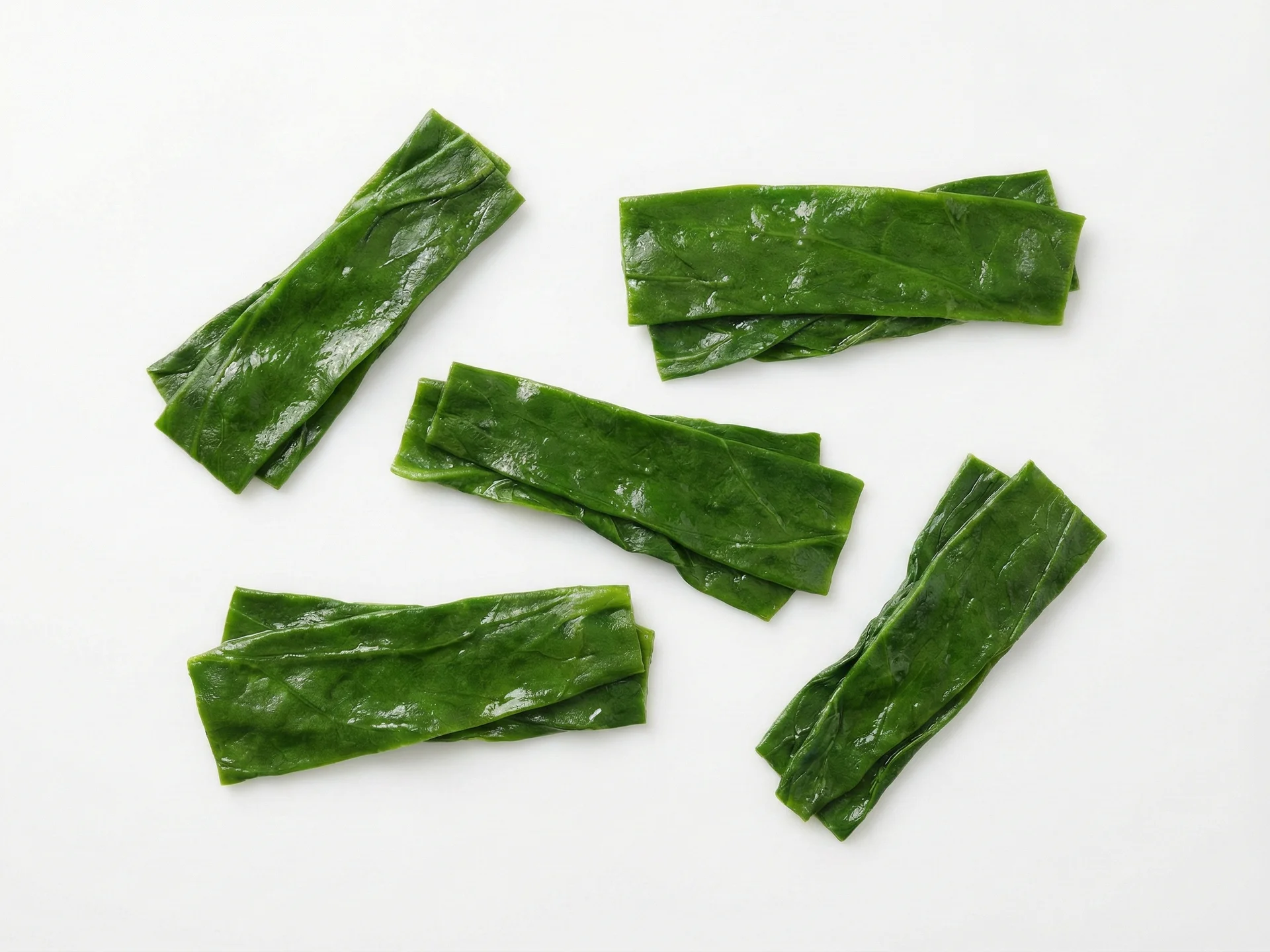
For babies 6-9 months, cook spinach until very soft (steamed or boiled for 5-7 minutes) and serve in large, graspable pieces or strips. This allows your baby to hold and explore the texture while minimizing choking risk. You can also mix finely chopped cooked spinach into other soft foods.6 to 9 months

For babies 6-9 months, cook spinach until very soft (steamed or boiled for 5-7 minutes) and serve in large, graspable pieces or strips. This allows your baby to hold and explore the texture while minimizing choking risk. You can also mix finely chopped cooked spinach into other soft foods.

  • Steam or boil spinach until it's tender and easy to mash with your fingers.
  • Serve in 2-3 inch long strips for easy gripping.
  • Mix into mashed avocado or yogurt for added nutrition.
  • Avoid adding salt or seasonings; let your baby taste the natural flavor.
  • Always test the temperature before serving to prevent burns.
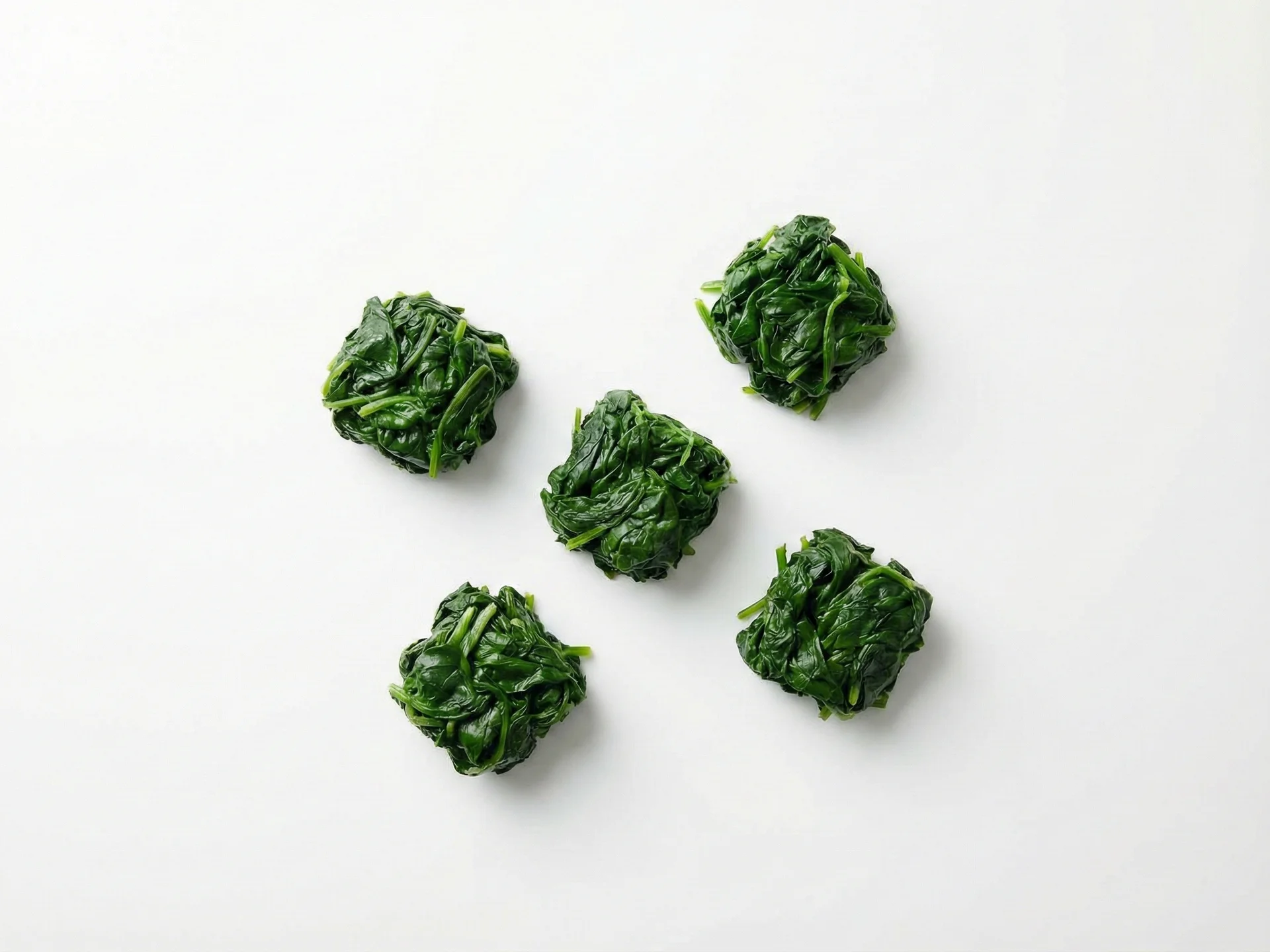
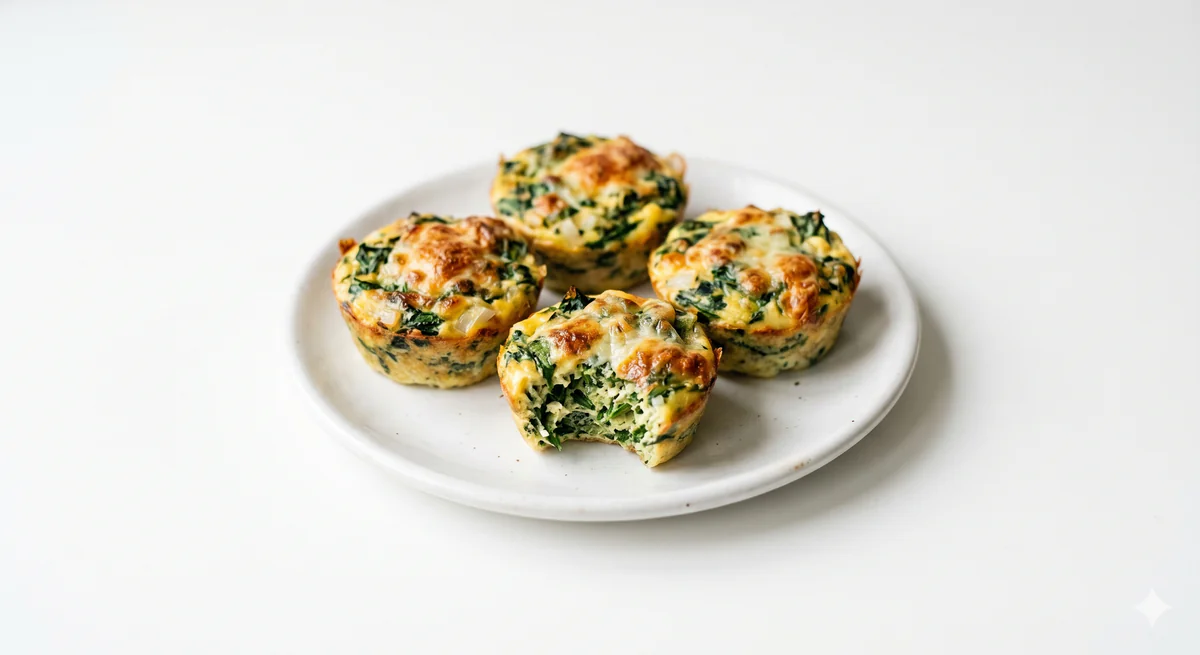
For babies 9-12 months, you can serve cooked spinach in smaller, bite-sized pieces as their pincer grasp develops. Continue cooking it until soft, and consider incorporating it into mixed dishes like omelets or rice bowls to encourage self-feeding.9 to 12 months

For babies 9-12 months, you can serve cooked spinach in smaller, bite-sized pieces as their pincer grasp develops. Continue cooking it until soft, and consider incorporating it into mixed dishes like omelets or rice bowls to encourage self-feeding.

  • Chop cooked spinach into pea-sized pieces for practicing pincer grasp.
  • Add to scrambled eggs or soft-cooked grains for variety.
  • Offer as a side dish with other finger foods to build meal structure.
  • Introduce raw spinach in very small, finely chopped amounts if desired.
  • Monitor for any digestive changes as fiber intake increases.
For toddlers 12 months and up, you can serve spinach in more diverse forms, including raw in salads or sandwiches, as long as it's chopped finely. Continue to include it in cooked dishes to ensure they get the nutritional benefits and develop a taste for greens.12 months +

For toddlers 12 months and up, you can serve spinach in more diverse forms, including raw in salads or sandwiches, as long as it's chopped finely. Continue to include it in cooked dishes to ensure they get the nutritional benefits and develop a taste for greens.

  • Finely chop raw spinach for salads or wraps to reduce choking risk.
  • Use spinach in smoothies, soups, or casseroles to boost nutrition.
  • Encourage self-serving from a shared bowl to promote independence.
  • Pair with citrus fruits or tomatoes to enhance iron absorption.
  • Involve your child in washing or tearing spinach to increase interest.

Safety & allergens

Choking risk: Low

Spinach is low-risk when properly prepared. For young babies, always cook until very soft and puree to a smooth consistency. As your baby grows, you can finely chop cooked spinach to avoid any stringy pieces that might be hard to swallow.

Not a common allergen

Spinach is not a top allergen. As with any new food, offer it on its own and watch for any reaction.

Vitamins & minerals

Spinach is a nutritional powerhouse for babies, providing iron which is essential for healthy blood and brain development.2 It's also rich in vitamin A for good vision and immune function, and vitamin K which helps with blood clotting and bone health.3 The folate (vitamin B9) in spinach supports cell growth and development.4

Vitamins
Vitamin AVitamin CVitamin KVitamin B9
Minerals
IronCalciumMagnesiumPotassium

Nutritional synergy

Pair spinach with foods high in vitamin C, like oranges or bell peppers, to boost iron absorption.5 This helps your baby get the most from this iron-rich green.

Common questions

Why does my baby's poop look green after eating spinach?

This is completely normal! The green color comes from the chlorophyll in spinach and is harmless. It's just a sign that the spinach passed through their system.

Should I worry about nitrates in spinach?

For most healthy babies over 6 months, nitrates in spinach are not a concern when introduced in normal amounts.6 Cooking spinach can reduce nitrate levels, and serving it as part of a varied diet is perfectly safe.

Can I use frozen spinach for baby food?

Yes, frozen spinach works great! It's often more convenient and retains nutrients well. Just thaw and cook according to package directions, then puree or chop as needed for your baby's age.

Sources & references

  1. 1USDA FoodData Central, 2024
  2. 2Lozoff et al., 2006
  3. 3Weber, 2001
  4. 4Bailey et al., 2015
  5. 5Teucher et al., 2004
  6. 6European Food Safety Authority, 2010