Eggplant

Vegetable

Eggplant

Eggplant is a wonderful vegetable to introduce to your baby, offering a soft, creamy texture when cooked and a mild, slightly earthy flavor that many babies enjoy. It's packed with antioxidants and fiber, which support healthy digestion and overall growth.1 Plus, its versatility makes it easy to incorporate into various baby-friendly dishes.

PPippin Feeding TeamReviewed by feeding specialists · Updated July 2026
First age6m+
CategoryVegetable
Common allergenNo
Choking riskLow

When can babies eat Eggplant?

You can introduce eggplant around 6 months of age, when your baby starts solids. It's best to offer it cooked and mashed or pureed to ensure it's easy to digest.

Storage tip

Store whole, uncut eggplant in a cool, dry place or in the refrigerator for up to 5-7 days. Once cooked, keep it in an airtight container in the fridge for 2-3 days, or freeze purees for up to 2 months.

How to serve Eggplant by age

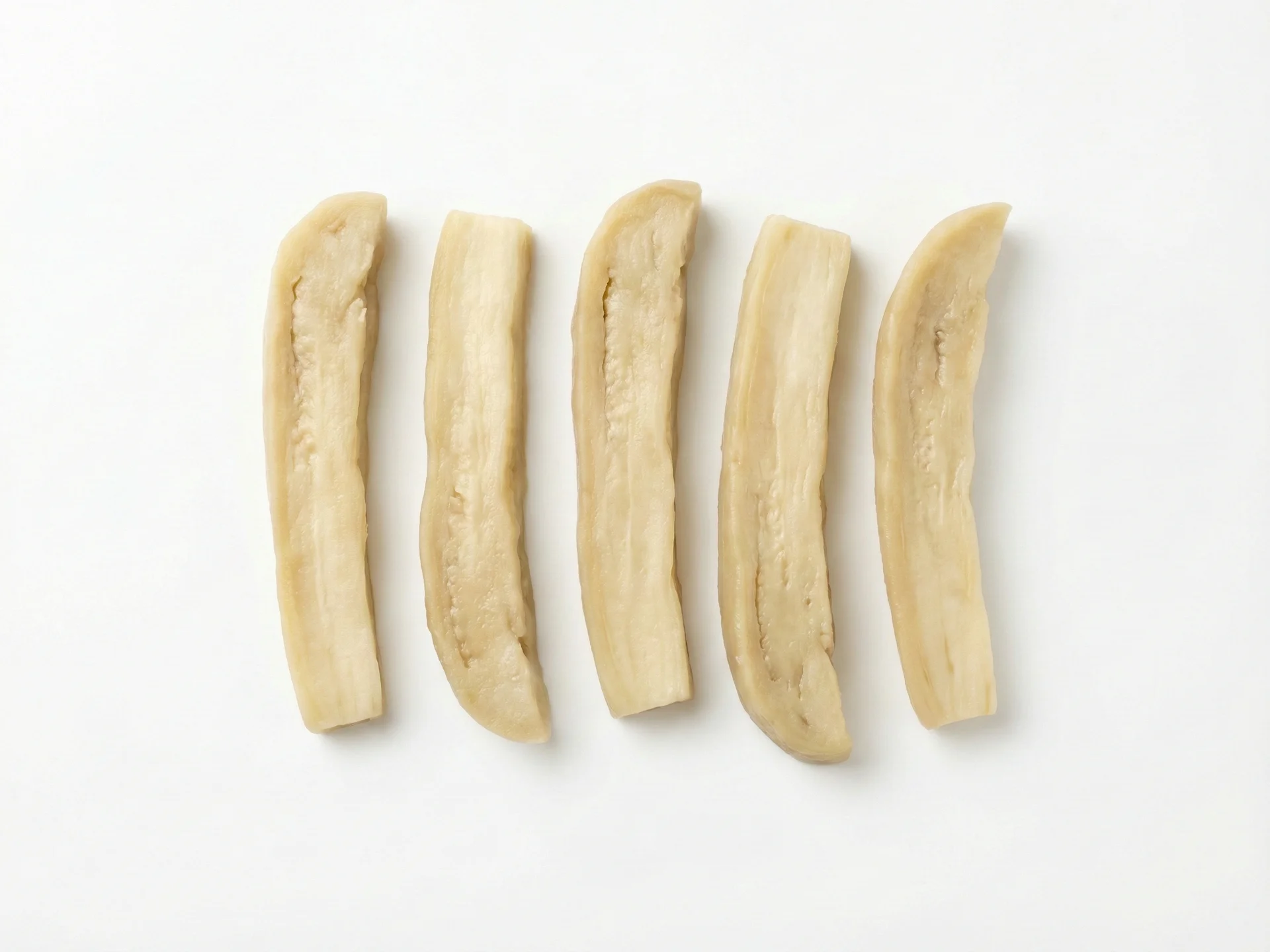
For babies 6-9 months, peel the eggplant and cook until very soft (steam, roast, or sauté). Cut into long, thick strips (about 2-3 inches long and 1 inch wide) that are easy for your baby to hold in their fist. The texture should be mashable with gentle pressure.6 to 9 months

For babies 6-9 months, peel the eggplant and cook until very soft (steam, roast, or sauté). Cut into long, thick strips (about 2-3 inches long and 1 inch wide) that are easy for your baby to hold in their fist. The texture should be mashable with gentle pressure.

  • Peel the eggplant to remove tough skin
  • Cook until it mashes easily with a fork
  • Cut into palm-sized strips for easy grasping
  • Serve warm, not hot, to avoid burns
  • Offer one piece at a time to prevent overstuffing
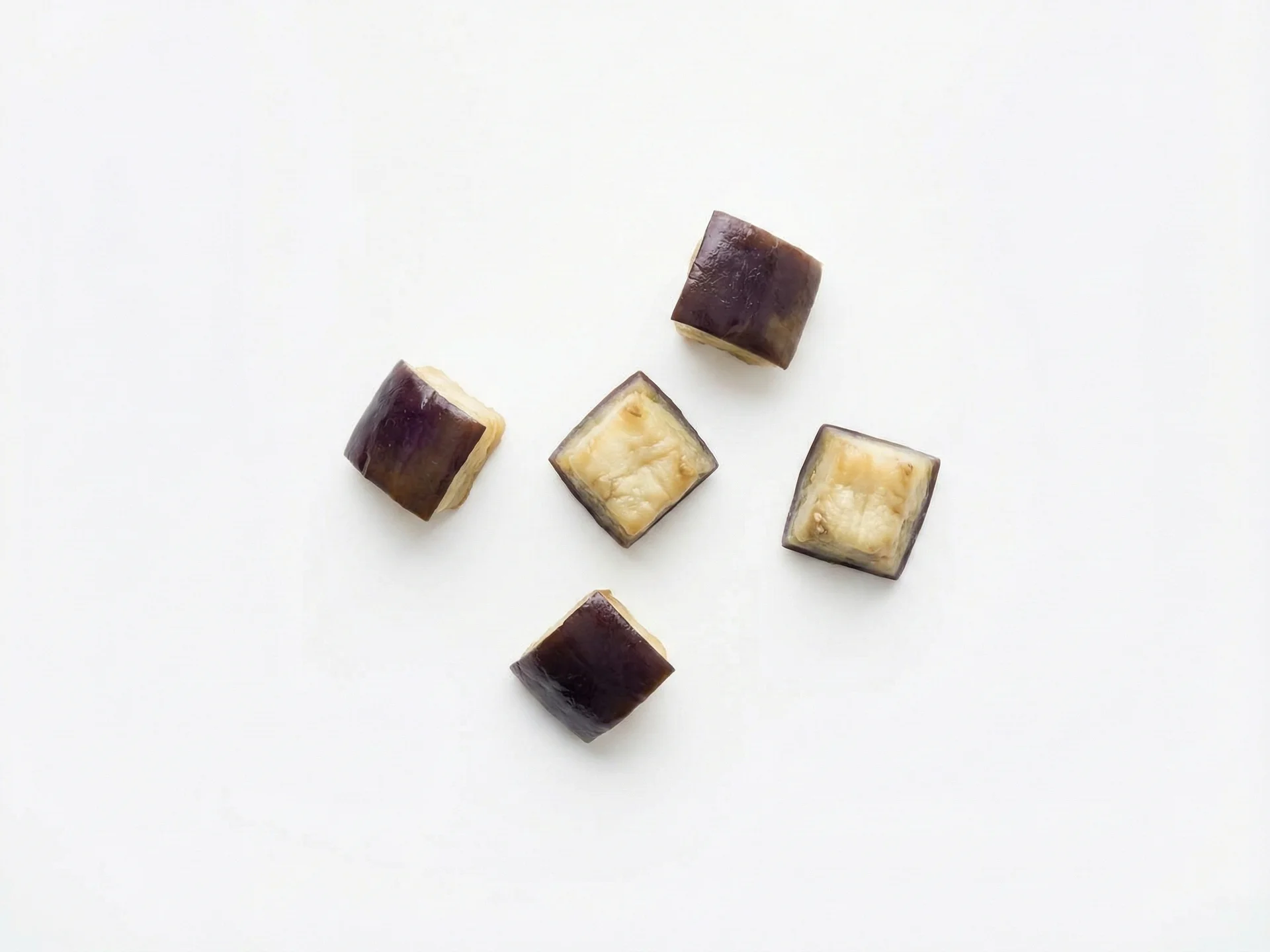
For babies 9-12 months, you can leave the skin on if cooked until very soft. Cut into smaller, bite-sized pieces (about 1/2 inch cubes) that encourage pincer grasp development. The texture should still be soft but can be slightly firmer than for younger babies.9 to 12 months

For babies 9-12 months, you can leave the skin on if cooked until very soft. Cut into smaller, bite-sized pieces (about 1/2 inch cubes) that encourage pincer grasp development. The texture should still be soft but can be slightly firmer than for younger babies.

  • Skin can be left on if thoroughly cooked
  • Cut into small cubes to practice pincer grasp
  • Mix with other soft vegetables for variety
  • Offer as part of a balanced meal
  • Monitor for any signs of digestive sensitivity
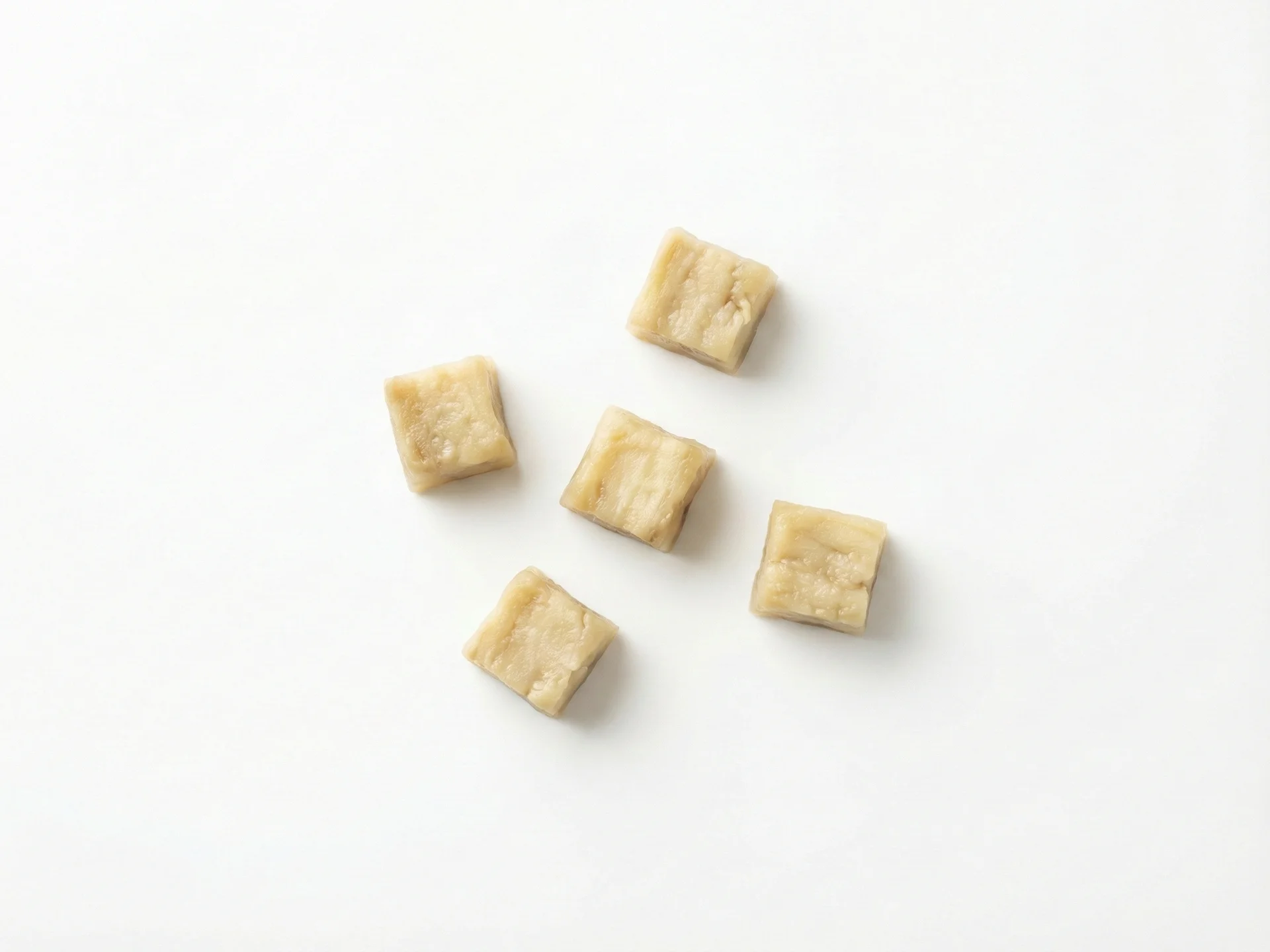
For toddlers 12 months and up, eggplant can be prepared in more varied ways. Cut into smaller pieces or mash and incorporate into dishes like pasta sauces, stews, or casseroles. The texture can be more firm, but still soft enough to chew easily with emerging teeth.12 months +

For toddlers 12 months and up, eggplant can be prepared in more varied ways. Cut into smaller pieces or mash and incorporate into dishes like pasta sauces, stews, or casseroles. The texture can be more firm, but still soft enough to chew easily with emerging teeth.

  • Incorporate into family meals like ratatouille
  • Try baking eggplant fries for a fun texture
  • Combine with grains like quinoa or rice
  • Experiment with mild seasonings like garlic or basil
  • Continue to ensure pieces are bite-sized

Safety & allergens

Choking risk: Low

Eggplant has a low choking risk when prepared properly for babies. Always cook it until very soft and mash or puree it for younger infants. For older babies, cut cooked eggplant into small, soft pieces they can gum easily. Avoid serving it raw or in large, firm chunks.

Not a common allergen

Eggplant is not a top allergen. As with any new food, offer it on its own and watch for any reaction.

Vitamins & minerals

Eggplant provides key nutrients like vitamin C, which supports immune function and helps absorb iron from other foods,2 and vitamin K, important for healthy blood clotting and bones.3 It also contains fiber to aid digestion and antioxidants that protect cells.1

Vitamins
Vitamin CVitamin KVitamin B6Vitamin B9
Minerals
PotassiumManganeseCopper

Nutritional synergy

Pair eggplant with iron-rich foods like lentils or spinach, as its vitamin C content enhances iron absorption, making meals more nutritious for your baby.2

Common questions

How do I pick a good eggplant for my baby?

Choose eggplants that feel firm and heavy for their size, with smooth, shiny skin and no soft spots or wrinkles. Smaller varieties often have fewer seeds and a milder flavor, which babies may prefer.

What if my baby doesn't like the taste of eggplant?

It's common for babies to need multiple tries with new foods. Mix eggplant with familiar favorites like sweet potato or banana to ease acceptance. Keep offering small amounts without pressure—it can take 10-15 exposures for them to enjoy it.

Can I freeze eggplant puree for later use?

Yes! Puree cooked eggplant and freeze it in ice cube trays for up to 2 months. Thaw portions in the refrigerator overnight or gently warm them before serving. This makes meal prep quick and convenient.

Sources & references

  1. 1USDA FoodData Central, 2024
  2. 2Lynch et al., 2018
  3. 3NIH Office of Dietary Supplements, 2021