Corn

Grain

Corn

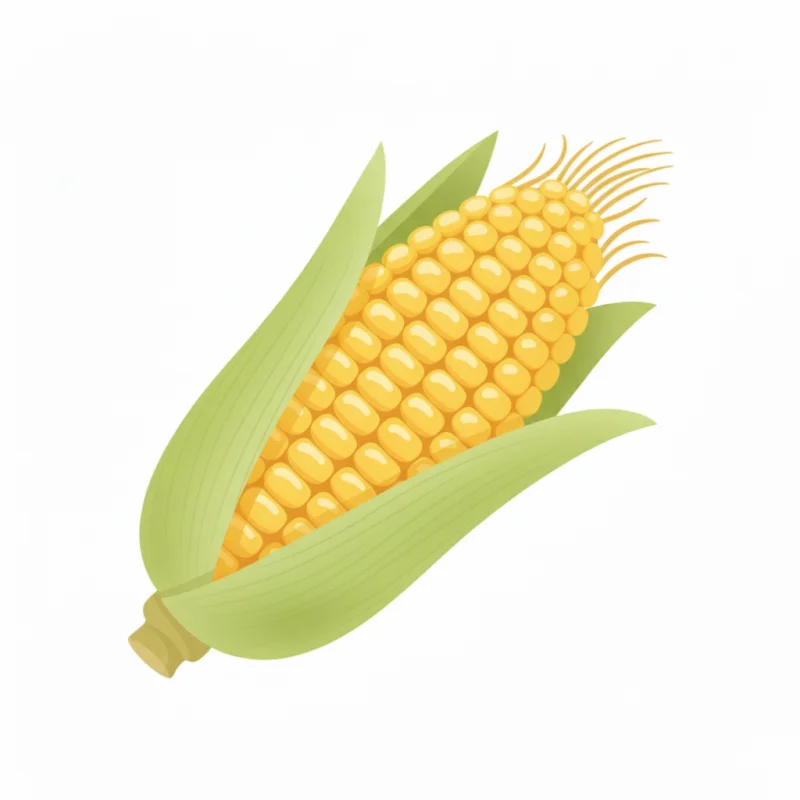
Corn is a sweet, versatile grain that babies often enjoy for its mild flavor and soft texture when cooked. It provides important B vitamins for energy and brain development5, along with vitamin C to support a healthy immune system4. The natural sweetness makes it an appealing first food that can help babies explore new tastes.

PPippin Feeding TeamReviewed by feeding specialists · Updated July 2026
First age6m+
CategoryGrain
Common allergenNo
Choking riskMedium

When can babies eat Corn?

Corn can be introduced around 6 months when your baby starts solids, as long as it's prepared safely to avoid choking. It's best to offer it cooked and mashed or pureed at first.

Storage tip

Store fresh corn in the refrigerator with the husks on for up to 3 days. Cooked corn can be refrigerated for 3-4 days or frozen for up to 6 months.

How to serve Corn by age

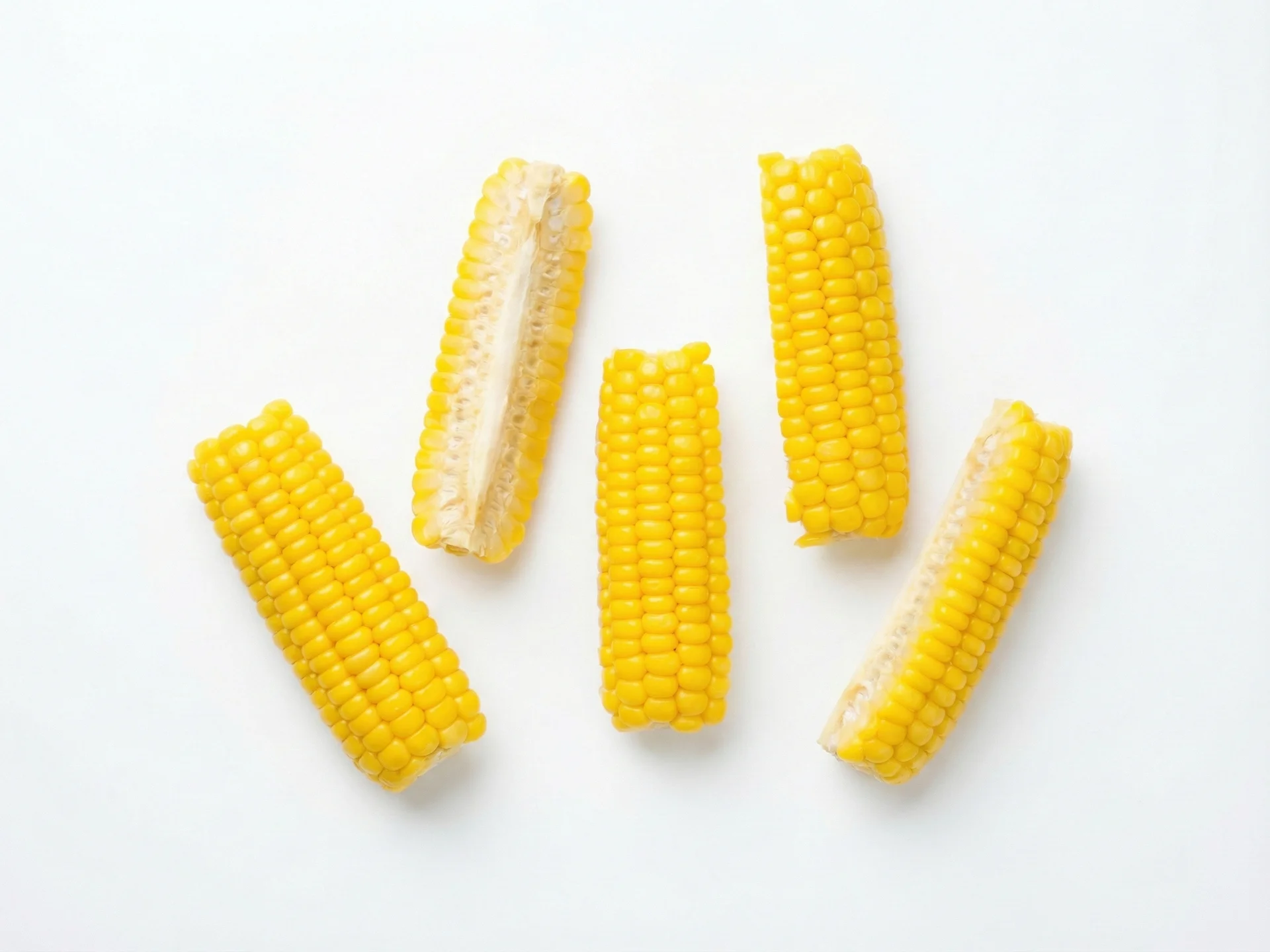
For 6-9 months, serve corn mashed or pureed to a smooth consistency, or offer corn on the cob cut into large, lengthwise strips. The strips should be about the size of an adult finger for easy gripping. Ensure corn is well-cooked until very soft to reduce choking risk.6 to 9 months

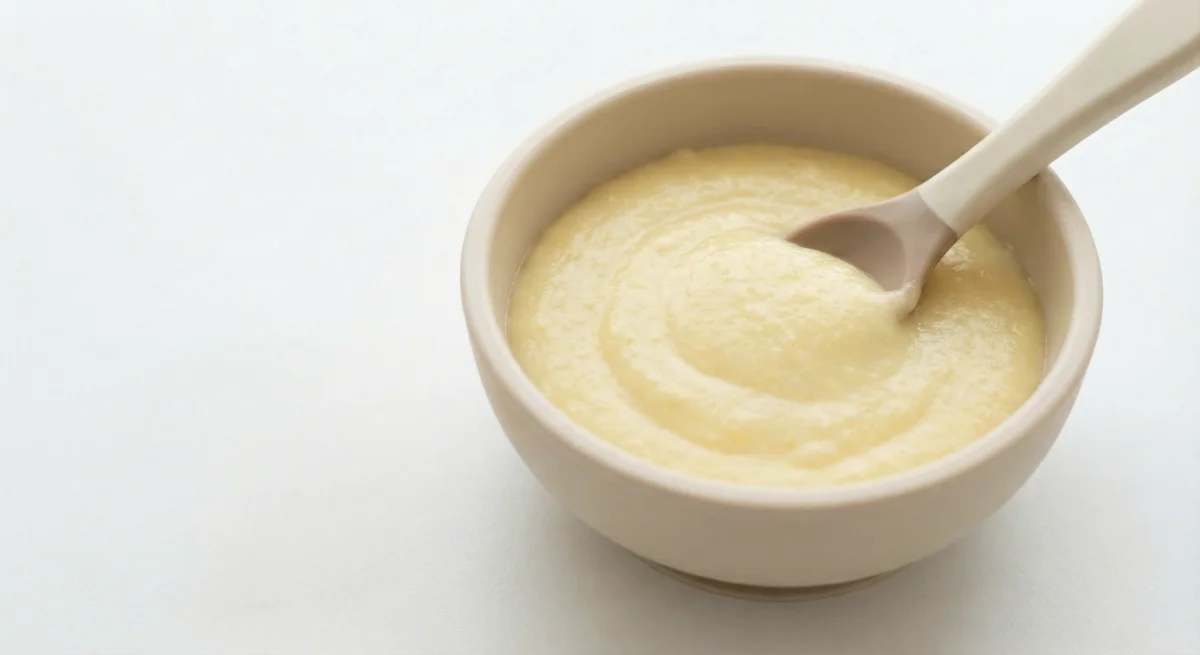
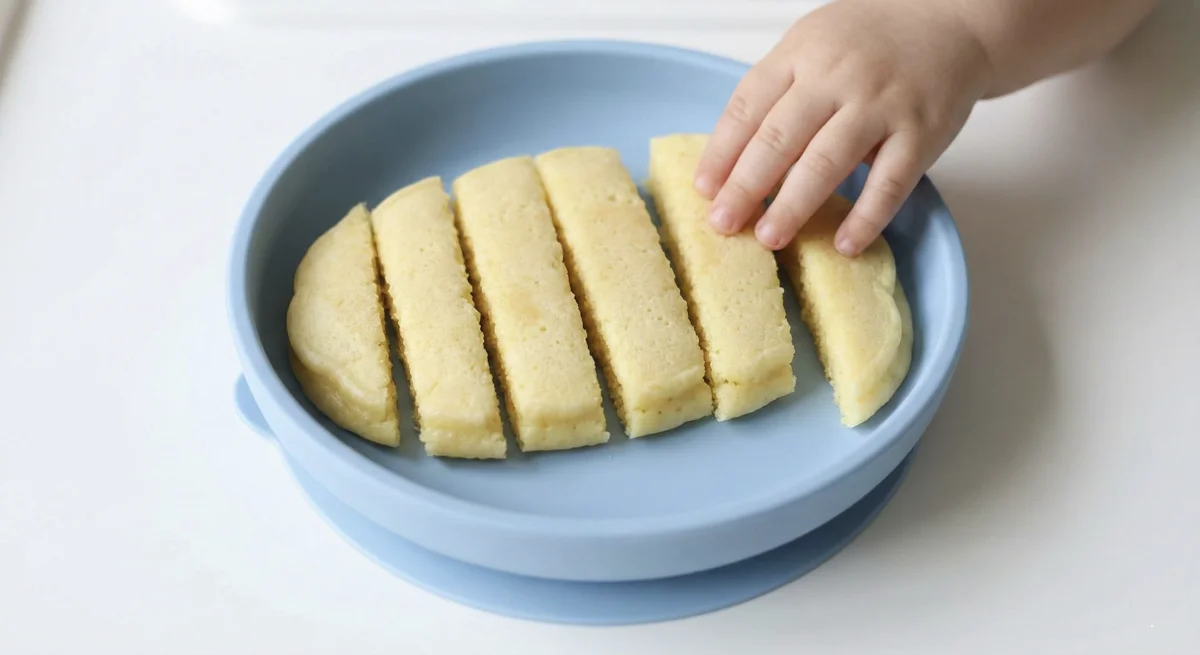
For 6-9 months, serve corn mashed or pureed to a smooth consistency, or offer corn on the cob cut into large, lengthwise strips. The strips should be about the size of an adult finger for easy gripping. Ensure corn is well-cooked until very soft to reduce choking risk.

  • Cook corn until kernels are tender and easily mashed with fingers.
  • Mash cooked corn with a fork or blend into a puree for younger babies.
  • Cut corn on the cob into long strips, not rounds, to prevent choking.
  • Mix mashed corn with breast milk or formula for a smoother texture.
  • Always supervise your baby closely during feeding.
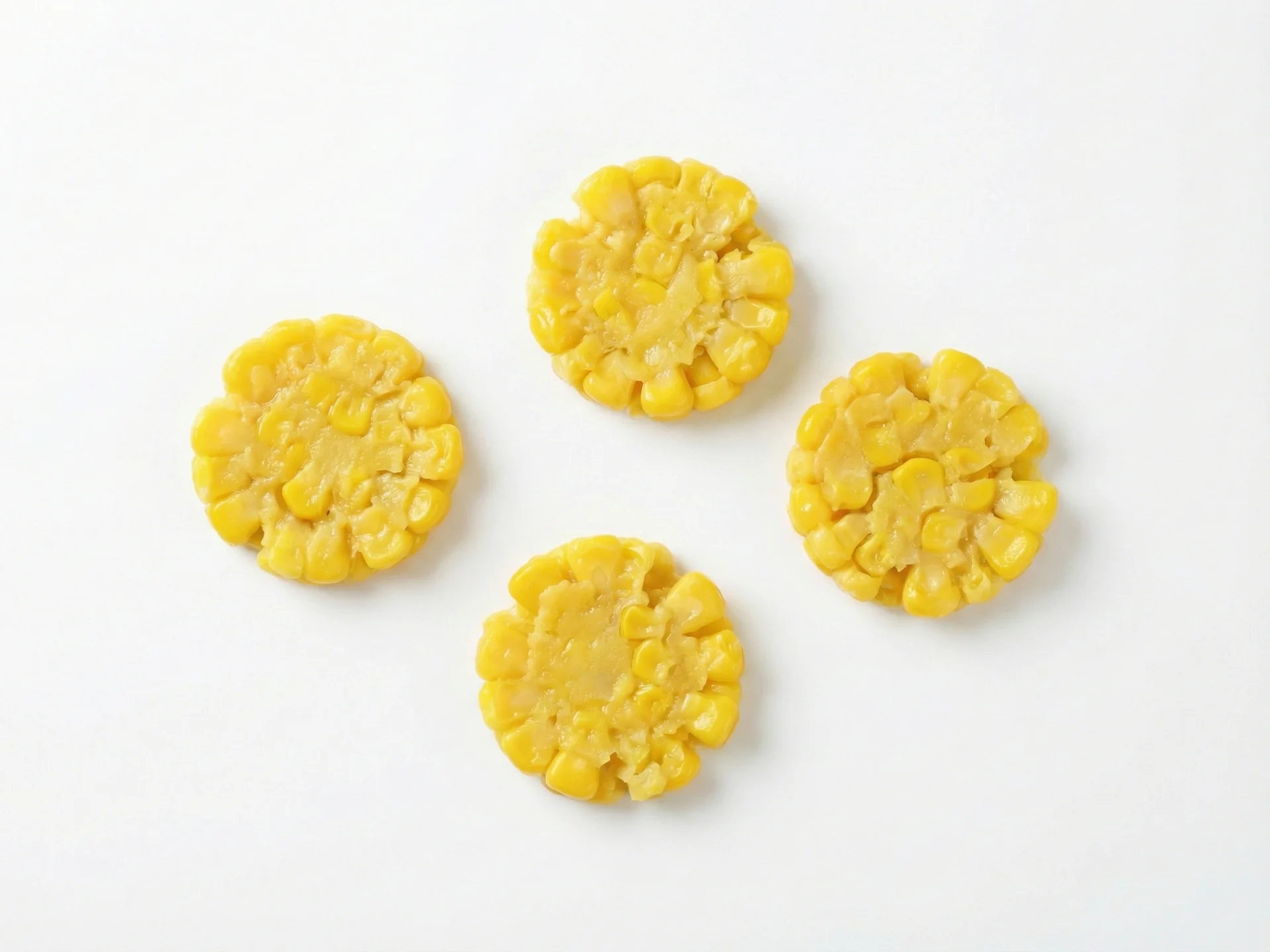
For 9-12 months, you can offer corn kernels cut off the cob and flattened with a fork to make them safer. Babies at this age have better pincer grasp, so small, soft pieces are appropriate. Continue to ensure corn is well-cooked and soft.9 to 12 months

For 9-12 months, you can offer corn kernels cut off the cob and flattened with a fork to make them safer. Babies at this age have better pincer grasp, so small, soft pieces are appropriate. Continue to ensure corn is well-cooked and soft.

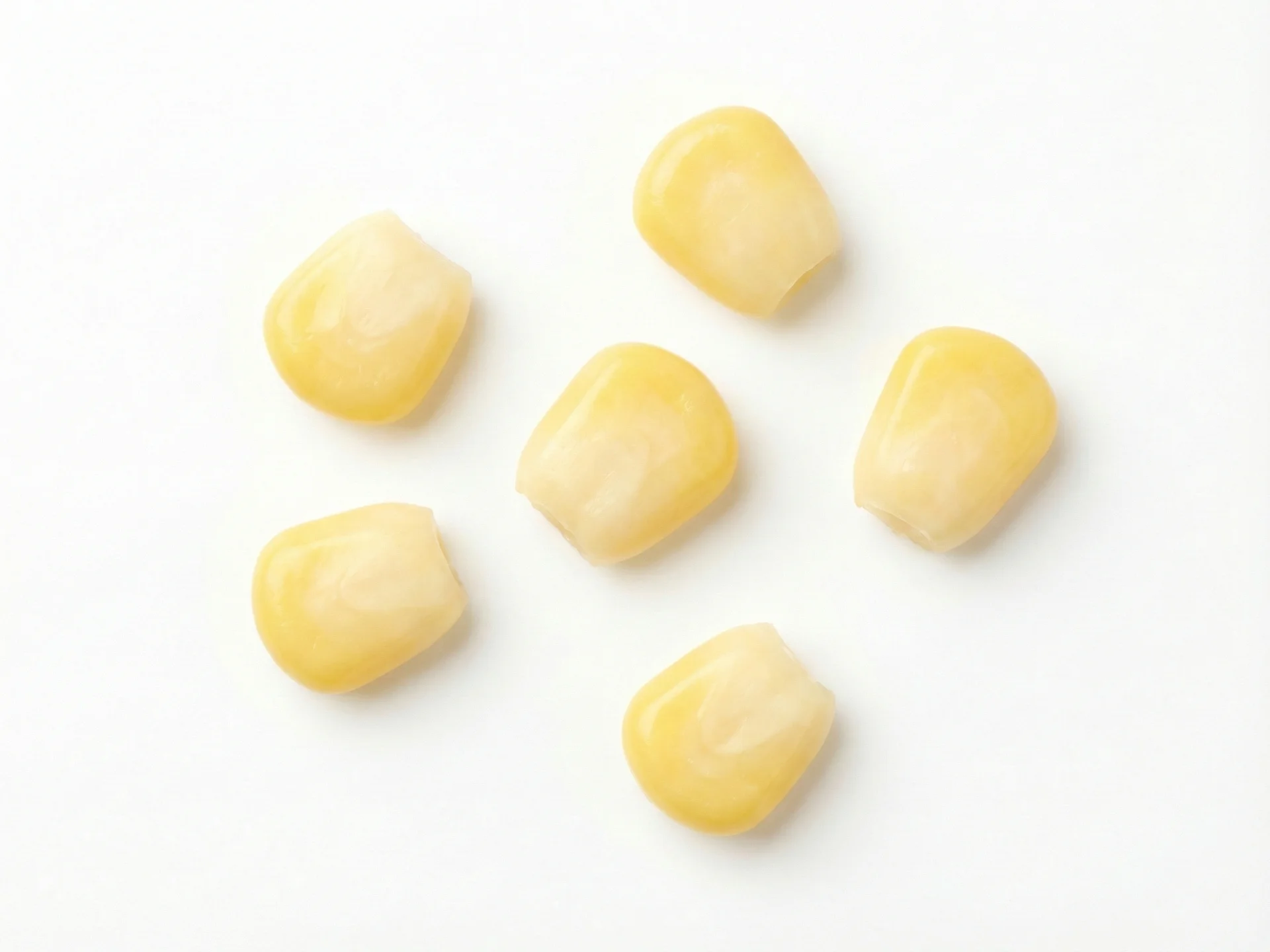
  • Cut kernels off the cob and flatten them slightly with a fork.
  • Serve small, soft pieces that babies can pick up with their fingers.
  • Combine corn with other soft foods like mashed potatoes or beans.
  • Avoid whole kernels; always check texture to ensure it's mashable.
  • Encourage self-feeding to develop motor skills.
For 12 months and up, babies can handle more textured corn, but whole kernels should still be avoided until chewing skills are mature. Serve corn as part of mixed dishes like soups or casseroles, ensuring it's soft and cut into age-appropriate pieces.12 months +

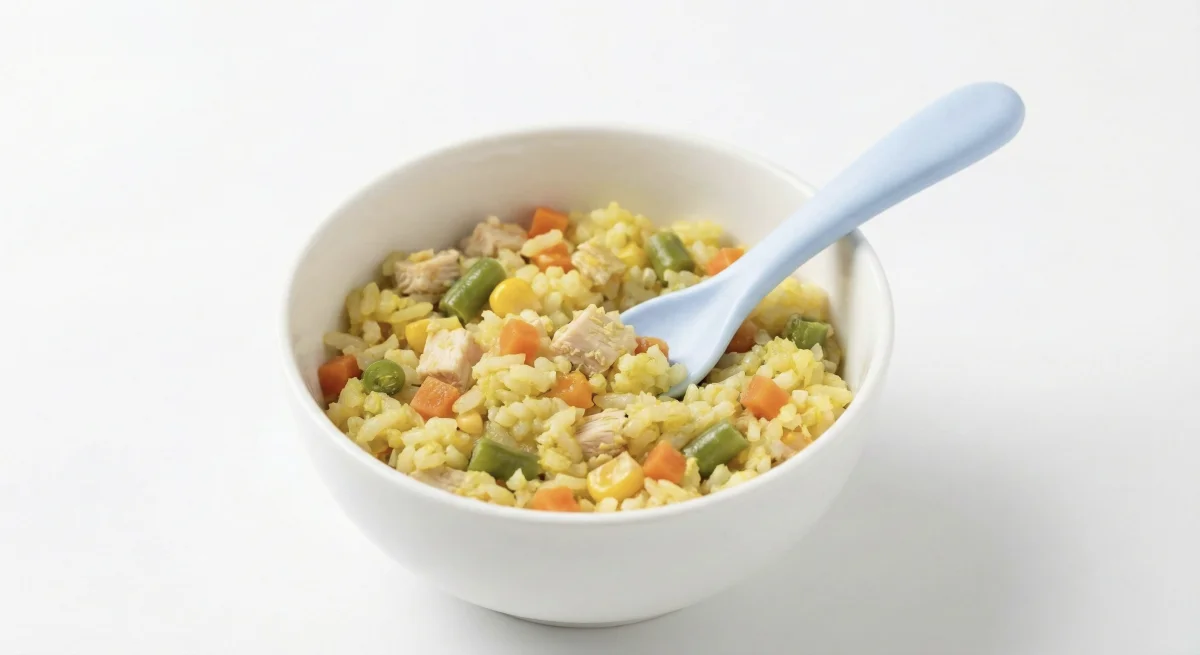
For 12 months and up, babies can handle more textured corn, but whole kernels should still be avoided until chewing skills are mature. Serve corn as part of mixed dishes like soups or casseroles, ensuring it's soft and cut into age-appropriate pieces.

  • Include corn in soft, mixed meals like corn chowder or vegetable medleys.
  • Cut corn into small, bite-sized pieces that are easy to chew.
  • Monitor your child's chewing ability before offering firmer textures.
  • Use corn as a fun addition to meals for color and sweetness.
  • Continue to avoid whole, raw, or undercooked kernels.

Safety & allergens

Choking risk: Medium

Whole corn kernels are a choking hazard for babies and toddlers. Always serve corn mashed, pureed, or cut off the cob in age-appropriate ways. Even for older babies, avoid giving whole kernels until they have mature chewing skills, usually after age 3.

Not a common allergen

Corn is not a top allergen. As with any new food, offer it on its own and watch for any reaction.

Vitamins & minerals

Corn contains iron (3.85mg per 100g) which is important for healthy blood cells, and the vitamin C in corn helps your baby's body absorb this iron better4. The phosphorus (42.5mg per 100g) supports strong bone development alongside calcium2, while potassium (50.8mg per 100g) helps maintain healthy fluid balance and muscle function3.

Vitamins
Vitamin B1Vitamin B5Vitamin B9Vitamin C
Minerals
IronMagnesiumPotassiumPhosphorus

Nutritional synergy

Pair corn with vitamin C-rich foods like bell peppers or tomatoes to enhance iron absorption4, or combine it with calcium sources like yogurt for balanced bone-supporting nutrients2.

Common questions

Should I use fresh, frozen, or canned corn for my baby?

Fresh or frozen corn are excellent choices as they have no added salt. If using canned corn, choose low-sodium varieties and rinse it well to remove excess salt. Frozen corn is convenient and retains nutrients well.

What if my baby passes whole corn kernels in their diaper?

This is normal! Corn has a tough outer shell that can pass through undigested. It doesn't mean your baby isn't getting nutrients from it. Just make sure you're preparing it appropriately for their age to minimize choking risk.

Can I give my baby corn on the cob?

Not until they're much older (usually after age 3) and have mature chewing skills. Even then, supervise closely. For babies, always cut the kernels off the cob and prepare them according to their age and chewing ability.

Sources & references

  1. 1TBCA - Tabela Brasileira de Composição de Alimentos
  2. 2Couce ML et al., 2021
  3. 3Moss CR, 2022
  4. 4Cerullo G et al., 2020
  5. 5Paparella R et al., 2025