Cauliflower

Vegetable

Cauliflower

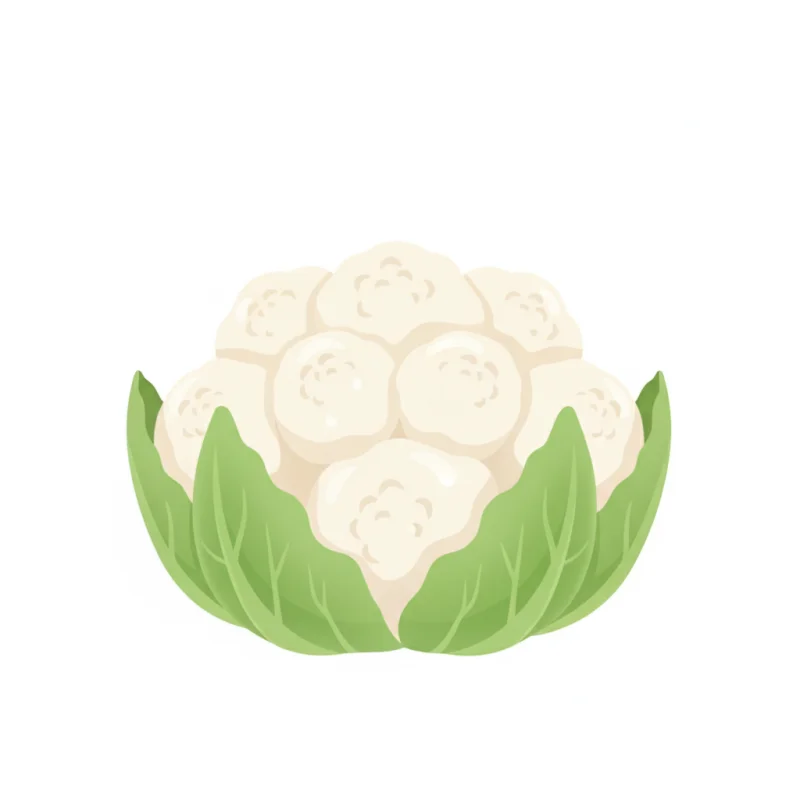
Cauliflower is a wonderful first vegetable for your baby! It has a mild, slightly sweet flavor that many babies enjoy, and its soft texture when cooked makes it easy to prepare. It's packed with nutrients like Vitamin C to support your baby's immune system1 and Vitamin K for healthy bones2.

PPippin Feeding TeamReviewed by feeding specialists · Updated January 2026
First age6m+
CategoryVegetable
Common allergenNo
Choking riskLow

When can babies eat Cauliflower?

You can introduce cauliflower around 6 months when your baby starts solids. It's a great early vegetable because it's easy to digest and versatile.

Storage tip

Store whole cauliflower in the refrigerator crisper drawer for up to a week. Once cooked, keep it in an airtight container in the fridge for 3-4 days.

How to serve Cauliflower by age

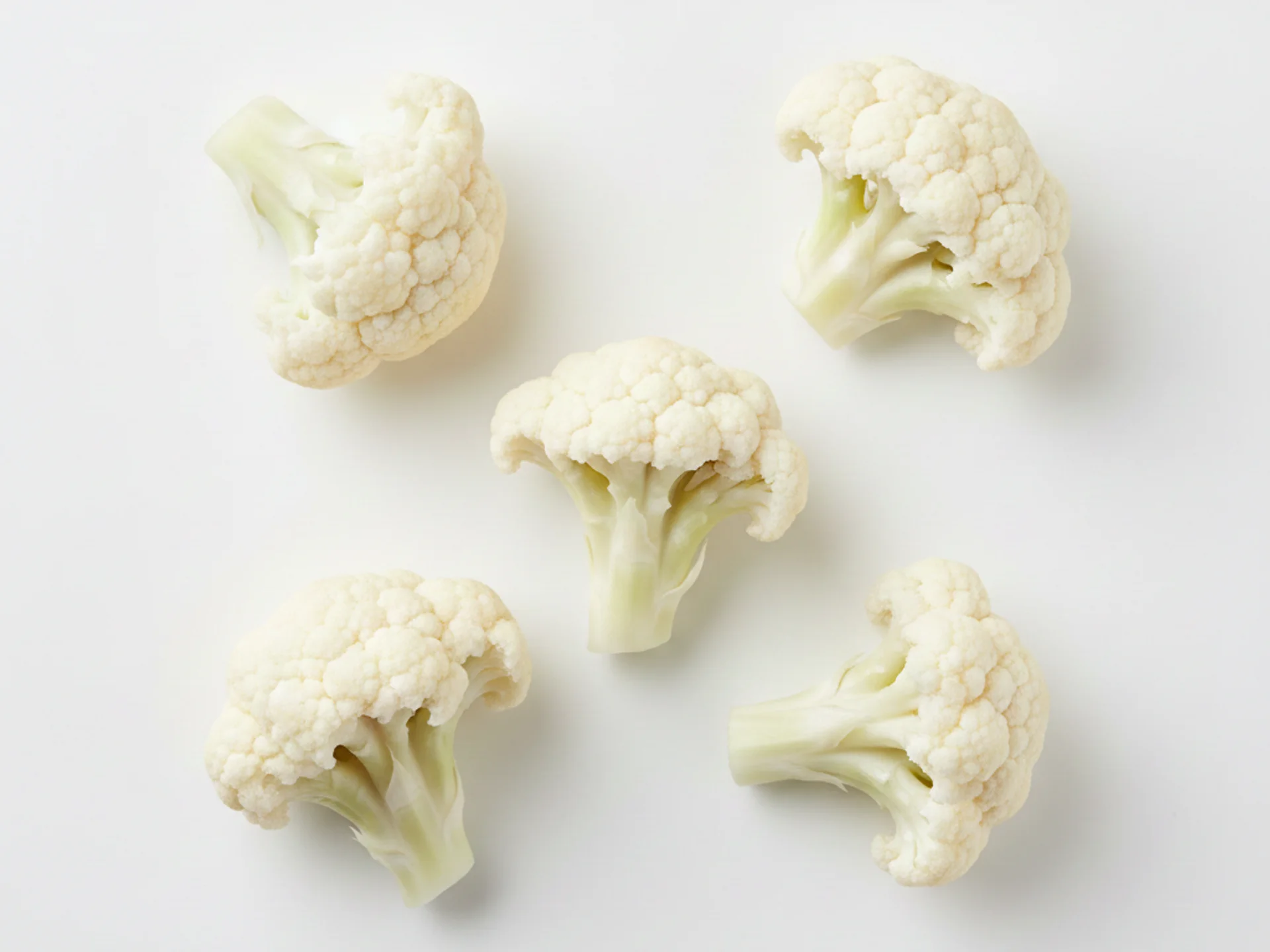
For babies 6-9 months, steam or boil cauliflower until very soft and easily mashed. Cut into large florets (about the size of two adult fingers) so your baby can grasp them with a palmar grip. Serve plain or lightly tossed in olive oil for added healthy fats.6 to 9 months

For babies 6-9 months, steam or boil cauliflower until very soft and easily mashed. Cut into large florets (about the size of two adult fingers) so your baby can grasp them with a palmar grip. Serve plain or lightly tossed in olive oil for added healthy fats.

  • Steam florets for 8-10 minutes until fork-tender.
  • Avoid adding salt or strong seasonings.
  • Let it cool to a safe temperature before serving.
  • Offer one floret at a time to prevent overloading.
  • Mash a bit with your fingers to show your baby how to eat it.
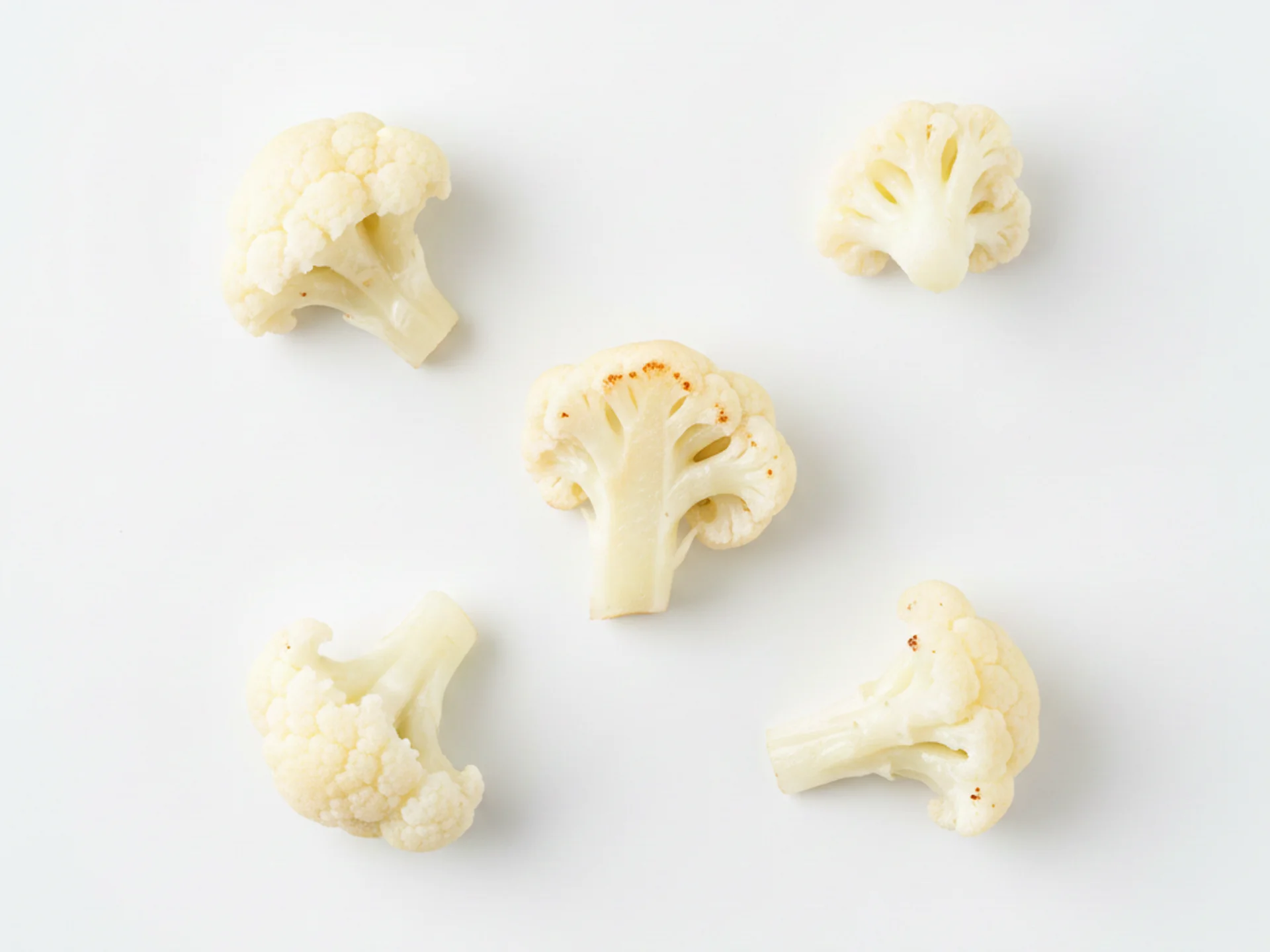
For babies 9 months and up, you can offer smaller, bite-sized pieces of cooked cauliflower as their pincer grasp develops. Roasting can add flavor, but ensure it's still soft. You can also mix it into dishes like mashed potatoes or rice for variety.9 months +

For babies 9 months and up, you can offer smaller, bite-sized pieces of cooked cauliflower as their pincer grasp develops. Roasting can add flavor, but ensure it's still soft. You can also mix it into dishes like mashed potatoes or rice for variety.

  • Cut into pea-sized pieces for self-feeding practice.
  • Try roasting with a drizzle of olive oil for a sweeter taste.
  • Mix with other soft vegetables to encourage exploration.
  • Use as a finger food in lunchboxes or on-the-go.
  • Introduce lightly seasoned versions if your baby enjoys it.

Safety & allergens

Choking risk: Low

Cauliflower has a low choking risk when properly prepared. For young babies, always steam or boil until very soft and mash or puree it. For older babies, cut cooked florets into small, pea-sized pieces to prevent choking.

Not a common allergen

Cauliflower is not a top allergen. As with any new food, offer it on its own and watch for any reaction.

Vitamins & minerals

Cauliflower is a nutrient-dense vegetable that provides Vitamin C to help your baby absorb iron from other foods3, Vitamin K for bone health2, and folate (Vitamin B9) which supports healthy growth and development4. It also contains fiber that can help with healthy digestion5.

Vitamins
Vitamin CVitamin KVitamin B6Vitamin B9
Minerals
PotassiumPhosphorusManganese

Nutritional synergy

Pair cauliflower with iron-rich foods like lentils or beef, as the Vitamin C in cauliflower helps your baby absorb iron more effectively3.

Common questions

How do I pick a good cauliflower at the store?

Look for a cauliflower head that feels heavy for its size with tightly packed, creamy-white florets. Avoid any with brown spots, yellowing, or loose florets. The leaves should look fresh and green, not wilted.

What if my baby doesn't like cauliflower at first?

It's normal for babies to need multiple exposures to accept new foods. Try offering small amounts mixed with foods your baby already enjoys, like mixing cauliflower puree with sweet potato or avocado. Keep offering it without pressure—it can take 10-15 tries!

Can I freeze cauliflower for baby food?

Yes! Steam or boil cauliflower until very soft, then puree it. Freeze in ice cube trays for up to 2 months. Thaw overnight in the refrigerator or gently warm individual cubes as needed.

Sources & references

  1. 1Carr & Maggini, 2017
  2. 2Weber, 2001
  3. 3Lynch & Cook, 1980
  4. 4Bailey et al., 2015
  5. 5Anderson et al., 2009