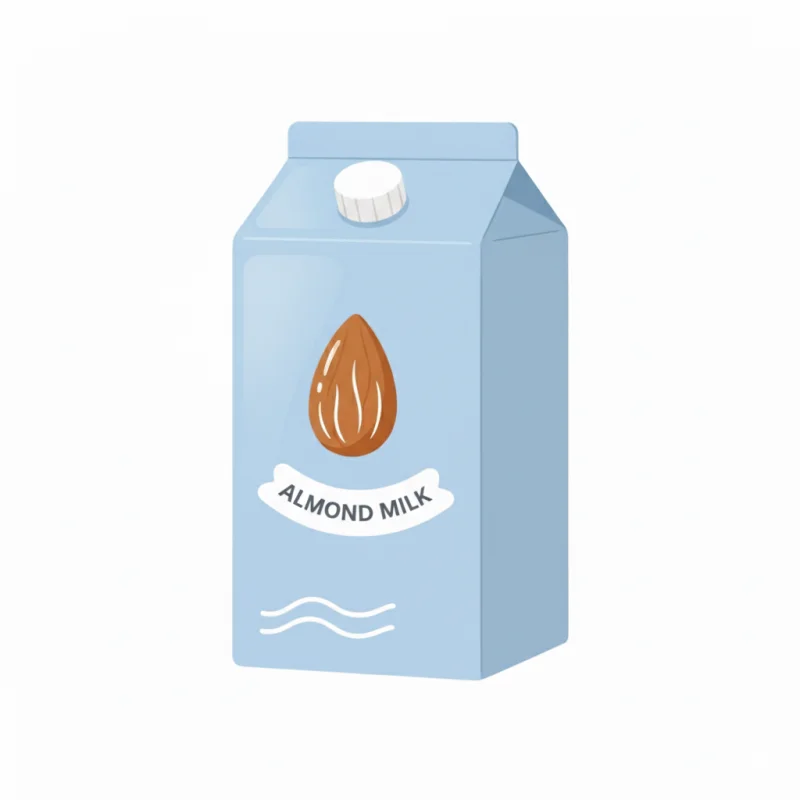
Almond Milk

Nut

Almond Milk

Almond milk is a creamy, dairy-free alternative that many families enjoy. It's often fortified with calcium and vitamin D to support your baby's growing bones and teeth1, and it contains vitamin E, an antioxidant that helps protect cells2. Its mild, slightly nutty flavor can be a nice addition to cereals or smoothies.

PPippin Feeding TeamReviewed by feeding specialists · Updated July 2026
First age12m+
CategoryNut
Common allergenYes
Choking riskLow

When can babies eat Almond Milk?

Wait until your baby is at least 12 months old before offering almond milk as a drink, as it doesn't provide the complete nutrition babies need in their first year3. Before that, you can use small amounts in cooking or baking if desired.

Storage tip

Store unopened almond milk in a cool, dry pantry. Once opened, keep it refrigerated and use within 7-10 days—check the label for the exact date. Shake well before each use, as nutrients can settle.

How to serve Almond Milk by age

Offer almond milk in an open cup or straw cup to encourage drinking skills and reduce tooth decay risk. Serve it chilled or at room temperature in small amounts (about 2-4 ounces per serving) as part of a meal or snack.12 months +

Offer almond milk in an open cup or straw cup to encourage drinking skills and reduce tooth decay risk. Serve it chilled or at room temperature in small amounts (about 2-4 ounces per serving) as part of a meal or snack.

  • Use a small, weighted cup to prevent spills
  • Offer almond milk with meals to complement solid foods
  • Avoid using bottles for almond milk to protect dental health
  • Shake fortified almond milk well to distribute nutrients
  • Limit to 16-24 ounces per day to ensure a balanced diet

Safety & allergens

Choking risk: Low

Almond milk is a liquid, so it poses minimal choking risk when served in a cup. Always supervise your baby while they're drinking, and avoid bottles at mealtime to encourage cup skills and reduce tooth decay risk.

Common allergen

Tree nut allergies, including almond, affect about 0.5-1% of children in the U.S.4

Watch for symptoms:

  • Hives
  • Swelling of lips or face
  • Vomiting or diarrhea
  • Wheezing or difficulty breathing5

Since almonds are a tree nut and a common allergen, introduce a small amount (like a teaspoon mixed into oatmeal) and wait 3-5 days before offering more6. Watch for any reactions, and consult your pediatrician first if there's a family history of nut allergies.

Vitamins & minerals

Fortified almond milk provides calcium and vitamin D, which work together to build strong bones and teeth1. It also contains vitamin E, which supports immune function and skin health2, and magnesium, important for muscle and nerve function7. Note that almond milk is low in protein and fat compared to cow's milk or breastmilk.

Vitamins
Vitamin EVitamin DVitamin B2Vitamin B12
Minerals
CalciumMagnesiumPhosphorusPotassium

Nutritional synergy

Pair almond milk with vitamin C-rich foods like strawberries or oranges to enhance iron absorption from other foods in the meal8.

Common questions

Can I use almond milk instead of formula or breastmilk for my baby under 12 months?

No, almond milk doesn't have the right balance of protein, fat, and nutrients that babies need in their first year3. Stick to breastmilk or formula as the main drink until 12 months, then you can introduce almond milk in small amounts alongside a varied diet.

How do I choose a good almond milk for my baby?

Look for unsweetened, fortified varieties with added calcium and vitamin D. Avoid flavored or sweetened options, as added sugars aren't recommended for babies. Check the label for a short ingredient list—almonds and water should be the main ingredients.

What if my baby has a reaction to almond milk?

Stop offering it immediately and contact your pediatrician if you notice symptoms like hives, swelling, or vomiting5. For severe reactions like trouble breathing, seek emergency care. Keep a food diary to help identify triggers.

Sources & references

  1. 1NIH Office of Dietary Supplements, 2024
  2. 2NIH Office of Dietary Supplements, 2024
  3. 3American Academy of Pediatrics, 2024
  4. 4Sicherer et al., 2018
  5. 5American Academy of Allergy, Asthma & Immunology, 2024
  6. 6American Academy of Pediatrics, 2024
  7. 7NIH Office of Dietary Supplements, 2024
  8. 8Lynch, 2011