Quark cheese

Dairy

Quark cheese

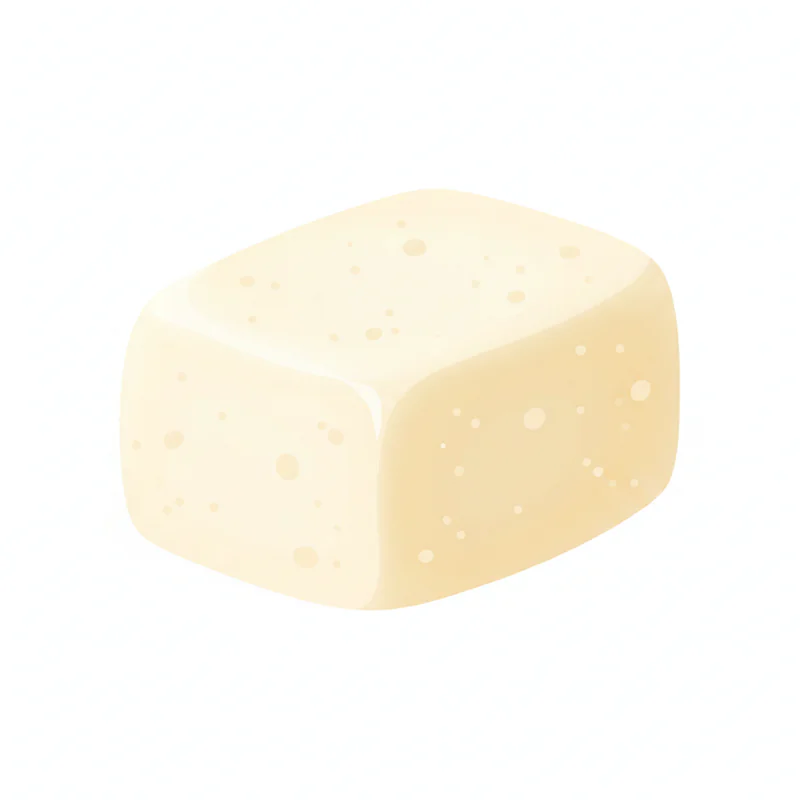
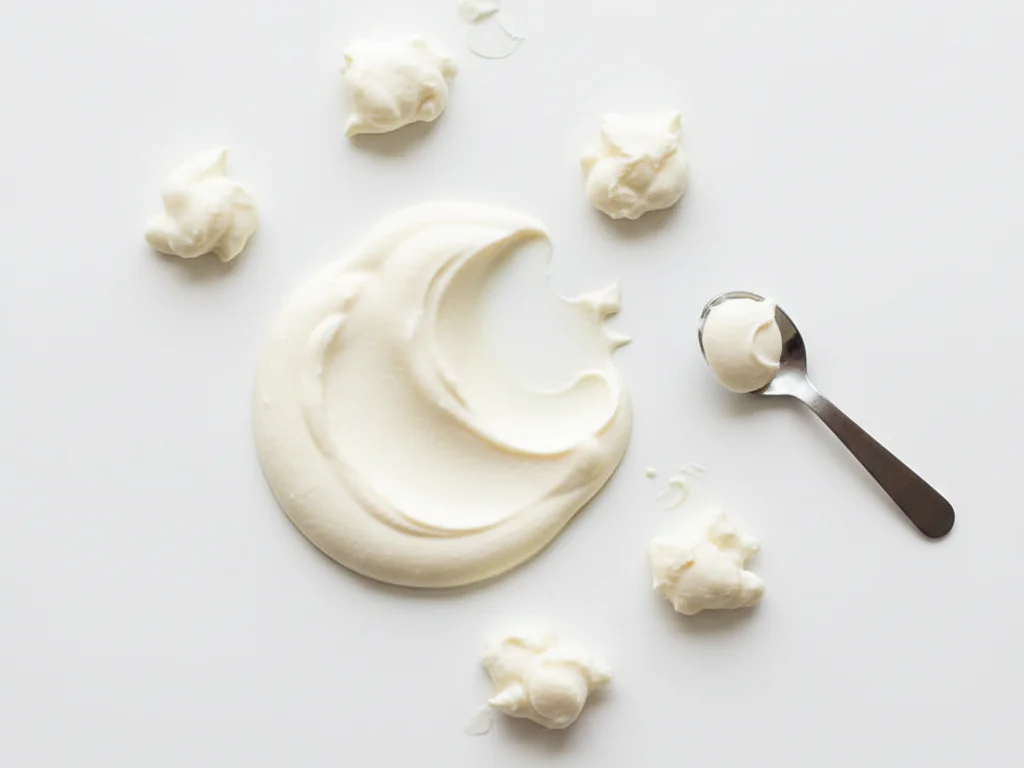
Quark cheese is a creamy, mild-tasting fresh cheese that's wonderful for introducing dairy to your baby. It's packed with protein and calcium to support your little one's growing bones and muscles.1 The smooth texture makes it easy for babies to eat, and its gentle flavor pairs well with both sweet and savory foods.

PPippin Feeding TeamReviewed by feeding specialists · Updated July 2026
First age6m+
CategoryDairy
Common allergenYes
Choking riskLow

When can babies eat Quark cheese?

You can introduce quark cheese around 6 months when starting solids, as long as your baby shows readiness signs like sitting with support and showing interest in food.

Storage tip

Keep quark cheese refrigerated in its original container and use within 3-5 days of opening. Check the expiration date and discard if it develops an off smell or mold.

How to serve Quark cheese by age

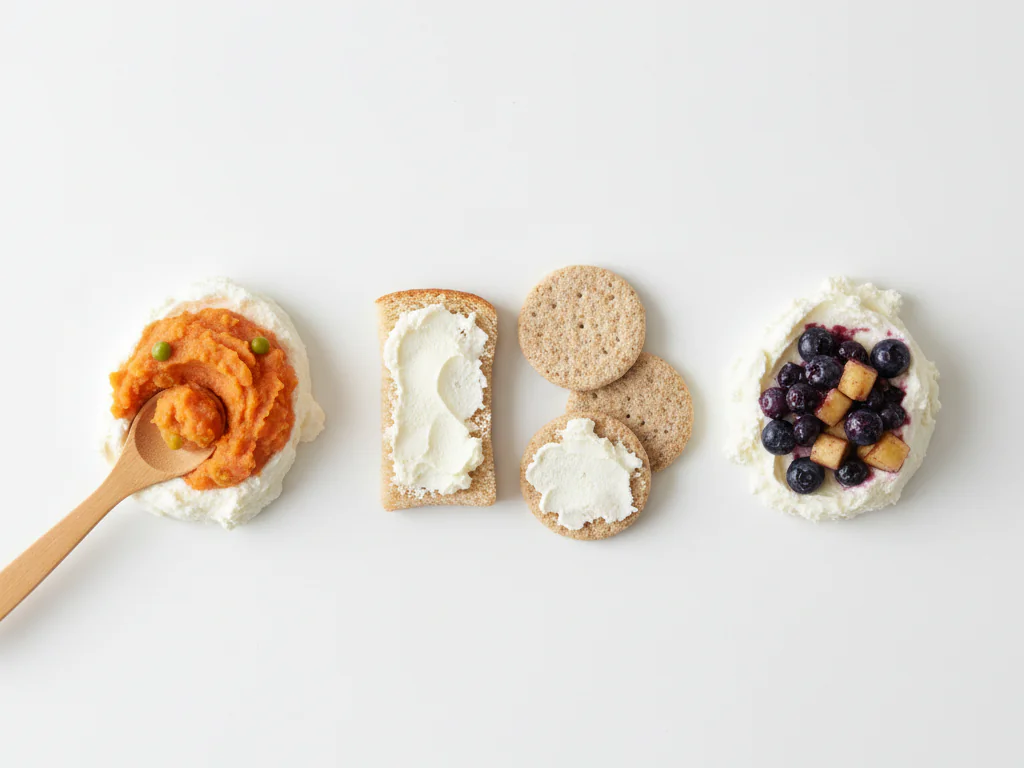
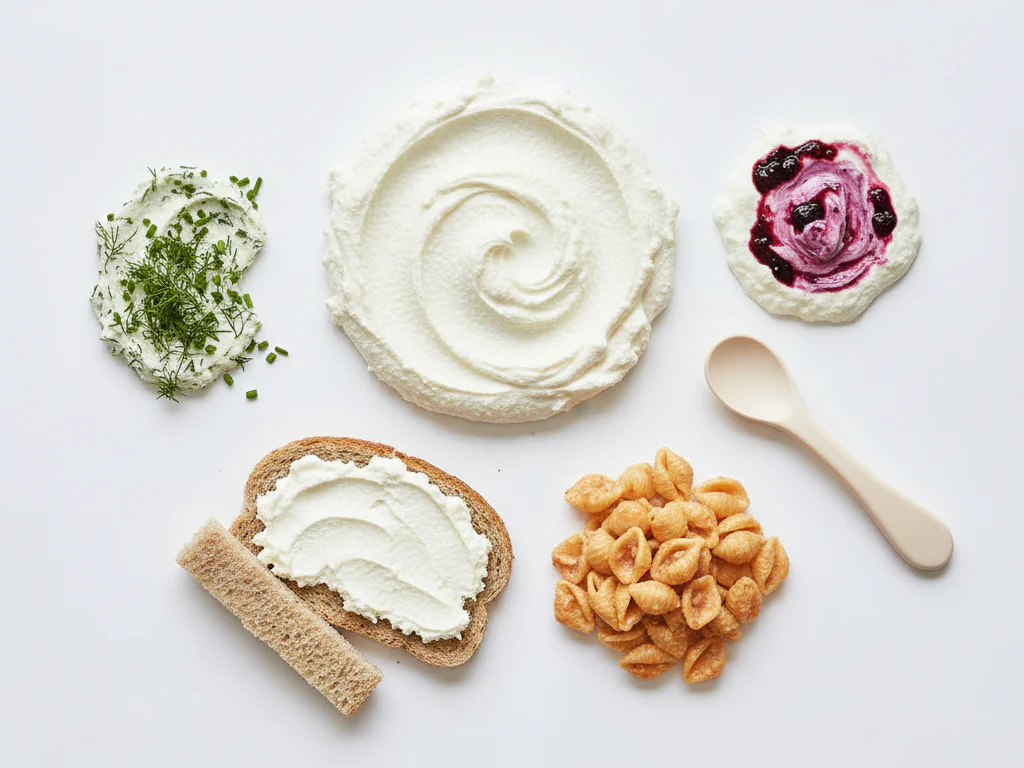
For beginners, serve quark cheese plain or mixed with breast milk/formula to thin it slightly. Offer small spoonfuls or let your baby explore it with their fingers. The smooth texture is perfect for early eaters.6 to 9 months

For beginners, serve quark cheese plain or mixed with breast milk/formula to thin it slightly. Offer small spoonfuls or let your baby explore it with their fingers. The smooth texture is perfect for early eaters.

  • Start with 1-2 teaspoons mixed with familiar purees
  • Ensure it's lump-free and creamy
  • Serve at room temperature for better acceptance
  • Watch for dairy tolerance signs
  • Offer as part of a varied diet
Mix quark cheese with mashed fruits or vegetables for more texture. You can also spread it thinly on toast fingers or soft crackers for self-feeding practice. The protein helps keep your baby full between meals.9 to 12 months

Mix quark cheese with mashed fruits or vegetables for more texture. You can also spread it thinly on toast fingers or soft crackers for self-feeding practice. The protein helps keep your baby full between meals.

  • Combine with soft-cooked vegetables like sweet potato
  • Use as a dip for soft fruit pieces
  • Mix into oatmeal or porridge
  • Offer on pre-loaded spoons for self-feeding
  • Experiment with different flavor combinations
Quark cheese makes a great base for toddler meals. Use it in smoothies, as a sandwich spread, or mixed into pasta sauces. You can also make simple cheese spreads by blending it with herbs.12 months +

Quark cheese makes a great base for toddler meals. Use it in smoothies, as a sandwich spread, or mixed into pasta sauces. You can also make simple cheese spreads by blending it with herbs.

  • Make quark and fruit parfaits with layers of pureed fruit
  • Use in place of mayonnaise in tuna or chicken salad
  • Blend with avocado for a nutritious spread
  • Add to pancake or muffin batter for extra protein
  • Keep portions to 1-2 tablespoons per serving

Safety & allergens

Choking risk: Low

Quark cheese has a naturally soft, spreadable texture that poses minimal choking risk. For extra safety, serve it smooth without lumps, and avoid adding hard mix-ins like nuts or seeds until your baby is older and can handle them safely.

Common allergen

Cow's milk allergy affects about 2-3% of infants under age 1.2

Watch for symptoms:

  • Hives
  • Swelling around the mouth
  • Vomiting or diarrhea
  • Wheezing or difficulty breathing

Introduce a small amount (about ½ teaspoon) of quark cheese and watch for reactions over the next 2-3 days.3 If there's no reaction, you can gradually increase the amount. Always consult your pediatrician if you have concerns about food allergies.

Vitamins & minerals

Quark cheese provides high-quality protein for muscle development and calcium for strong bones and teeth.1 It also contains phosphorus, which works with calcium for bone health, and B vitamins that help convert food into energy.4

Vitamins
Vitamin B2Vitamin B12
Minerals
CalciumPhosphorus

Nutritional synergy

Pair quark cheese with vitamin C-rich fruits like strawberries or oranges to enhance iron absorption from other foods in the meal.5

Pairs well with

Common questions

What's the difference between quark cheese and regular cream cheese?

Quark cheese is made from cultured milk and has a higher protein content and lower fat than most cream cheeses. It has a milder, less tangy flavor and a smoother texture that babies often prefer. Nutritionally, it's a better choice for babies due to its protein and calcium content.

Can I use quark cheese in both sweet and savory baby foods?

Absolutely! For sweet options, mix quark with mashed banana, applesauce, or pureed berries. For savory dishes, blend it with mashed avocado, steamed vegetables, or mix into scrambled eggs. Its neutral flavor makes it very versatile.

What if my baby seems constipated after eating quark cheese?

Some babies may experience constipation when first introduced to dairy. Make sure your baby is getting enough fluids, and pair quark with high-fiber foods like pureed pears or prunes. If constipation persists, consult your pediatrician.

Sources & references

  1. 1USDA FoodData Central, 2024
  2. 2Sicherer et al., 2014
  3. 3American Academy of Pediatrics, 2020
  4. 4National Institutes of Health, 2023
  5. 5Lynch et al., 2018