Mikan

Fruit

Mikan

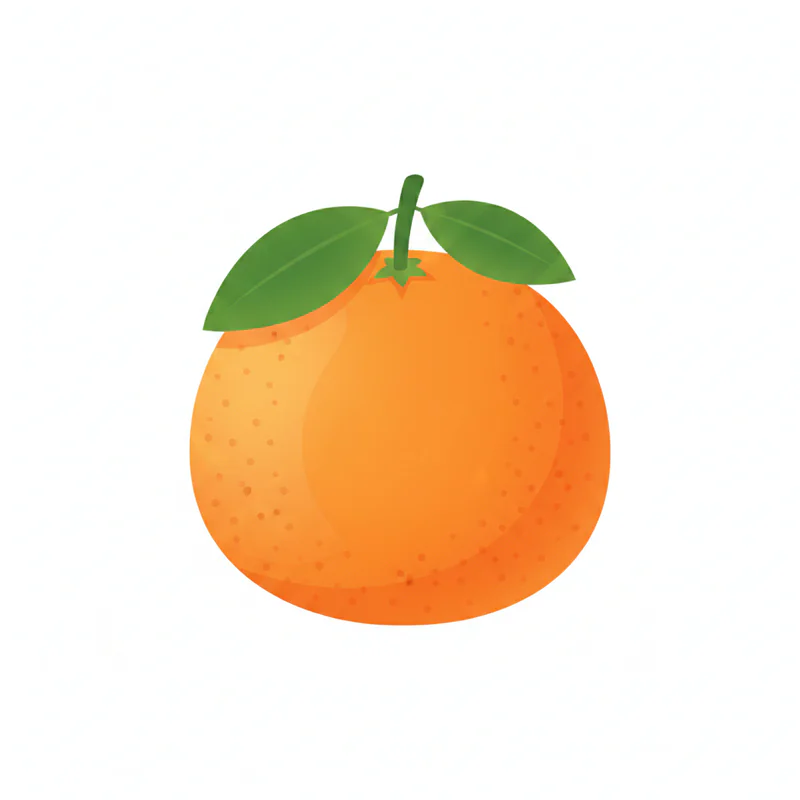
Mikan, also known as mandarin oranges or satsumas, are a sweet, juicy citrus fruit that babies often love for their natural sweetness and easy-to-eat texture. They're packed with vitamin C, which supports your baby's immune system and helps their body absorb iron from other foods.1 The soft segments make them a great finger food as your little one develops their pincer grasp.

PPippin Feeding TeamReviewed by feeding specialists · Updated July 2026
First age6m+
CategoryFruit
Common allergenNo
Choking riskMedium

When can babies eat Mikan?

You can introduce mikan around 6 months when starting solids, as long as it's prepared safely to prevent choking. Some parents wait until 8-9 months when babies have better chewing skills.

Storage tip

Store whole mikan at room temperature for up to a week or in the refrigerator for 2-3 weeks. Once peeled or segmented, store in an airtight container in the refrigerator for 2-3 days.

How to serve Mikan by age

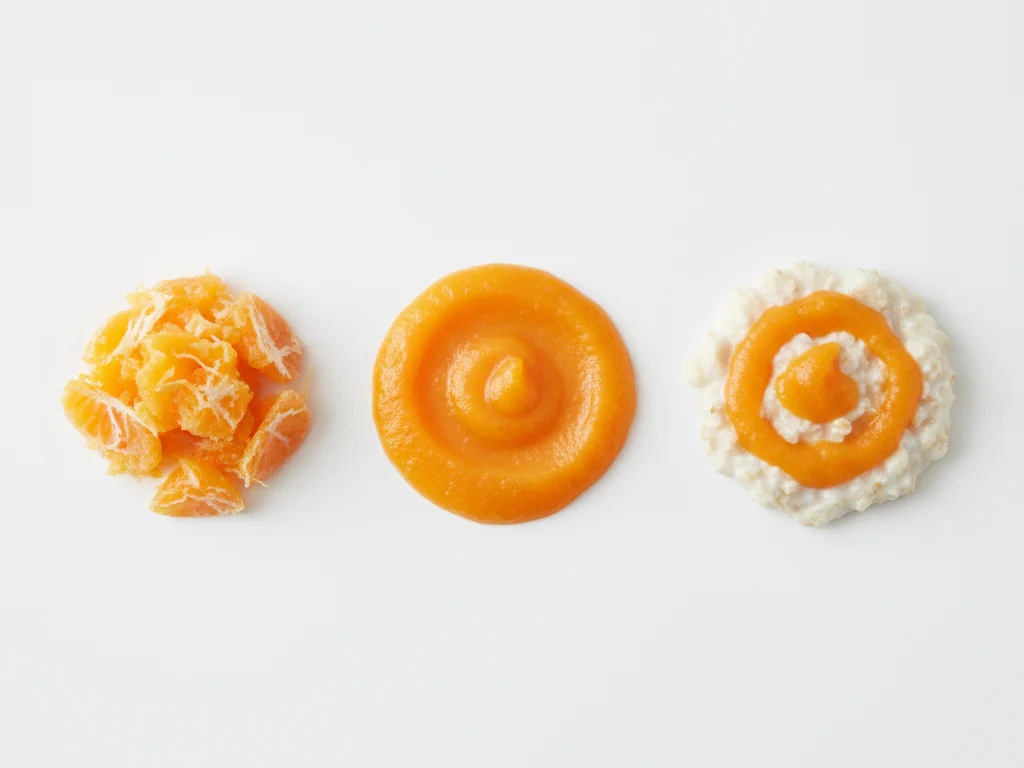
For beginners, peel the mikan completely and remove all seeds and white pith. Consider peeling the thin membrane off each segment to make them extra soft. Mash the segments with a fork or puree until smooth. You can mix with oatmeal or yogurt for added texture.6 to 9 months

For beginners, peel the mikan completely and remove all seeds and white pith. Consider peeling the thin membrane off each segment to make them extra soft. Mash the segments with a fork or puree until smooth. You can mix with oatmeal or yogurt for added texture.

  • Always check for and remove all seeds
  • Test temperature - serve at room temperature or slightly chilled
  • Start with small amounts (1-2 teaspoons) to check for tolerance
  • Mix with breast milk or formula to thin if needed
  • Watch for signs of digestive upset since citrus can be acidic
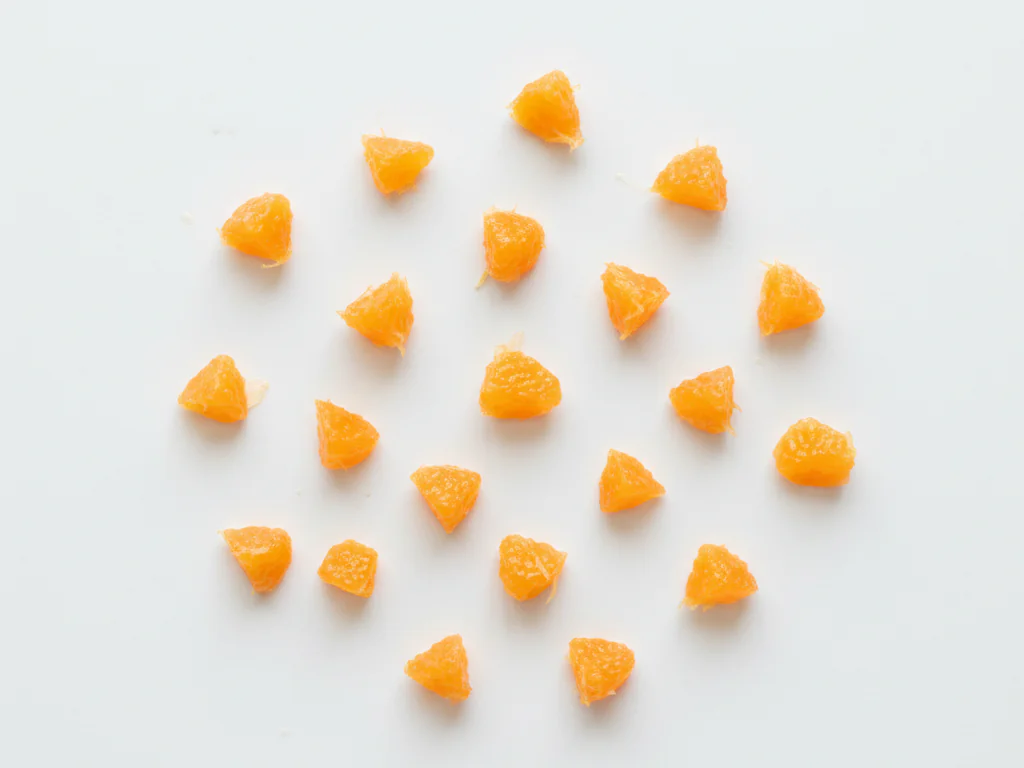
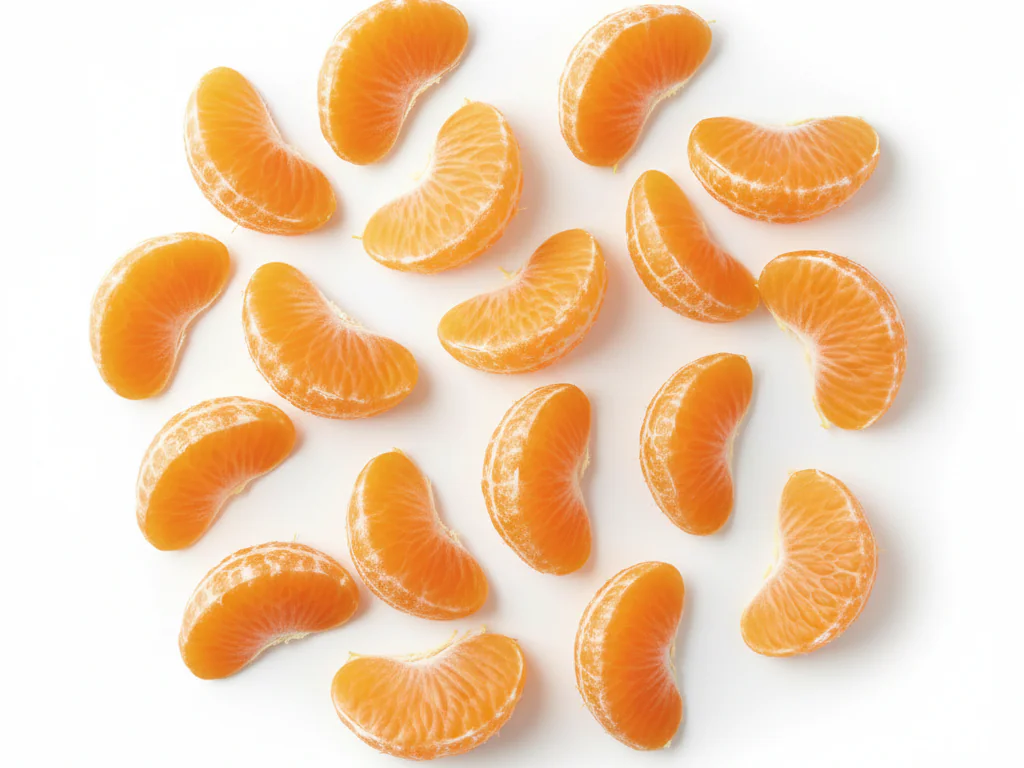
Peel and remove all seeds and pith. Cut segments into small, pea-sized pieces. You can leave the membrane on if your baby handles it well, but consider removing it if they struggle. These make perfect finger food for developing the pincer grasp.9 to 12 months

Peel and remove all seeds and pith. Cut segments into small, pea-sized pieces. You can leave the membrane on if your baby handles it well, but consider removing it if they struggle. These make perfect finger food for developing the pincer grasp.

  • Cut segments into quarters or smaller pieces
  • Serve on a high chair tray for self-feeding practice
  • Combine with other soft fruits like banana or avocado
  • Offer water alongside to help wash down any pieces
  • Supervise closely as they practice chewing
Your toddler can now handle larger pieces. Peel and remove seeds, then separate into segments. You can leave the membrane on for added fiber. Teach them to chew thoroughly before swallowing. Whole peeled segments make a great snack.12 months +

Your toddler can now handle larger pieces. Peel and remove seeds, then separate into segments. You can leave the membrane on for added fiber. Teach them to chew thoroughly before swallowing. Whole peeled segments make a great snack.

  • Teach 'chew, chew, swallow' with demonstration
  • Continue to check for and remove all seeds
  • Pack in lunchboxes for school or outings
  • Combine with protein like cheese or yogurt for balanced snacks
  • Use segments in fruit salads or as dessert

Safety & allergens

Choking risk: Medium

Mikan segments have a membrane that can be tough for babies to chew and may pose a choking risk if not prepared properly. Always remove all seeds and the white pith, and consider peeling the membrane off each segment for younger babies. Cut segments into small, manageable pieces appropriate for your baby's age and chewing ability.

Not a common allergen

Mikan is not a top allergen. As with any new food, offer it on its own and watch for any reaction.

Vitamins & minerals

Mikan are an excellent source of vitamin C, providing about 26.7mg per 100g, which helps support your baby's developing immune system and enhances iron absorption from plant-based foods.12 They also contain vitamin A for healthy vision and potassium for proper muscle and nerve function.3

Vitamins
Vitamin CVitamin A
Minerals
Potassium

Nutritional synergy

Pair mikan with iron-rich foods like lentils or spinach to boost iron absorption, since the vitamin C in mikan helps your baby's body absorb non-heme iron more effectively.2

Pairs well with

Common questions

How do I pick good mikan for my baby?

Look for fruits that feel heavy for their size with smooth, bright orange skin. They should give slightly when gently squeezed. Avoid fruits with soft spots, mold, or dull, wrinkled skin.

What if my baby gets a rash around their mouth after eating mikan?

This is often just a mild skin irritation from the fruit's acidity, not an allergy. Clean your baby's face after eating and consider applying a barrier cream like petroleum jelly before feeding. If the rash spreads or other symptoms appear, contact your pediatrician.

Can I give my baby mikan juice?

It's best to offer the whole fruit instead of juice. Whole fruit provides fiber and teaches chewing skills, while juice is high in sugar and lacks fiber. If you do offer juice, limit it to 4 ounces per day after 12 months and always dilute it with water.

Sources & references

  1. 1Carr & Maggini, 2017
  2. 2Lynch & Cook, 1980
  3. 3USDA FoodData Central, 2024