Trout

Protein

Trout

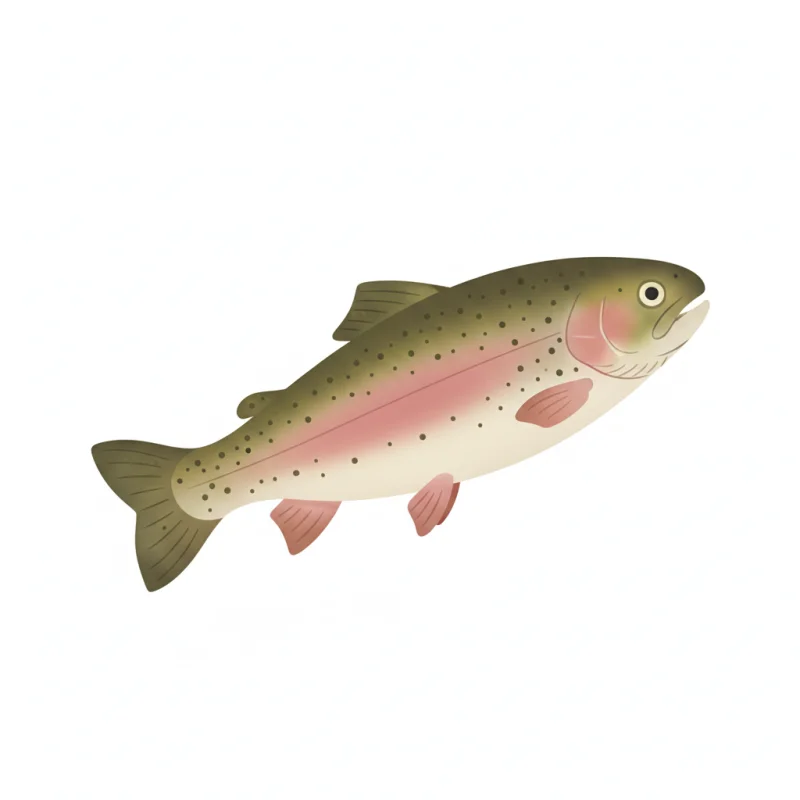
Trout is a delicious, mild-flavored fish that's a wonderful first seafood for babies. Its soft, flaky texture makes it easy to prepare for little ones, and it's packed with nutrients that support your baby's brain development and immune system.1 Introducing fish like trout early can help expand your baby's palate and provide essential healthy fats and protein.

PPippin Feeding TeamReviewed by feeding specialists · Updated March 2026
First age6m+
CategoryProtein
Common allergenYes
Choking riskMedium

When can babies eat Trout?

You can introduce trout around 6 months when starting solids, as long as it's prepared safely to minimize choking risk. Many pediatricians recommend introducing fish early to help reduce allergy risk.2

Storage tip

Store fresh trout in the coldest part of your refrigerator and use within 1-2 days. Cooked trout can be refrigerated for up to 3 days or frozen for 2-3 months in airtight containers.

How to serve Trout by age

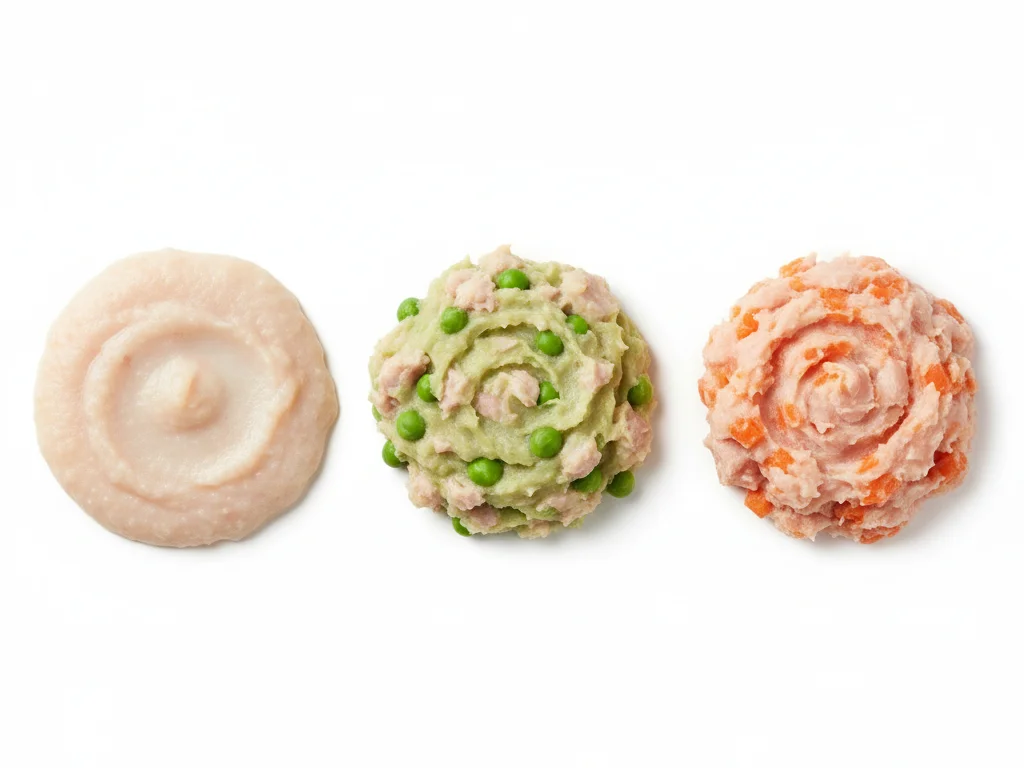
Steam, bake, or poach trout until fully cooked and flaky. Remove all bones and skin, then mash or puree with breast milk, formula, or water to create a smooth consistency. You can mix it with vegetables like peas or carrots for added nutrition and flavor.6 to 9 months

Steam, bake, or poach trout until fully cooked and flaky. Remove all bones and skin, then mash or puree with breast milk, formula, or water to create a smooth consistency. You can mix it with vegetables like peas or carrots for added nutrition and flavor.

  • Double-check for tiny bones by running fingers through flaked fish
  • Mix with familiar foods to help acceptance
  • Start with 1-2 teaspoons and gradually increase
  • Use fresh or frozen trout rather than smoked varieties
  • Avoid adding salt, butter, or seasonings
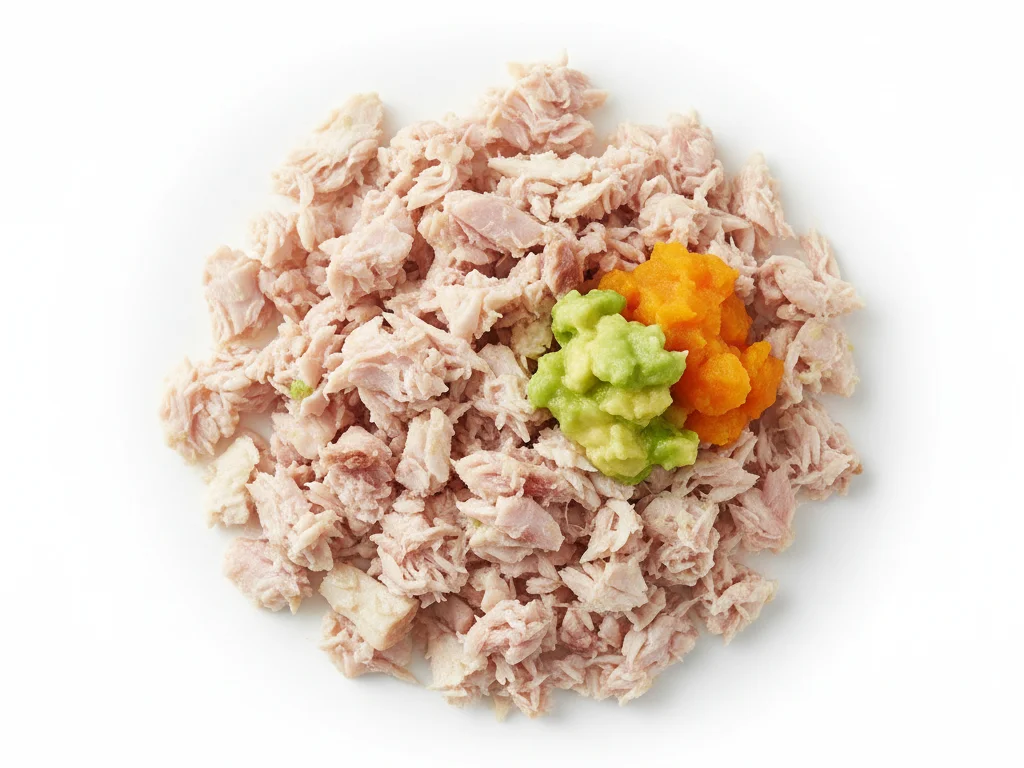
Cook trout as above and flake into very small, soft pieces. You can serve these flakes alone or mixed into other foods. The texture should be soft enough to mash easily with gums - think smaller than pea-sized pieces.9 to 12 months

Cook trout as above and flake into very small, soft pieces. You can serve these flakes alone or mixed into other foods. The texture should be soft enough to mash easily with gums - think smaller than pea-sized pieces.

  • Let baby practice picking up small flakes with fingers
  • Mix with cooked quinoa or soft rice for texture variety
  • Try making small fish cakes or patties with mashed vegetables
  • Continue to check thoroughly for bones
  • Offer water with meals to help swallowing
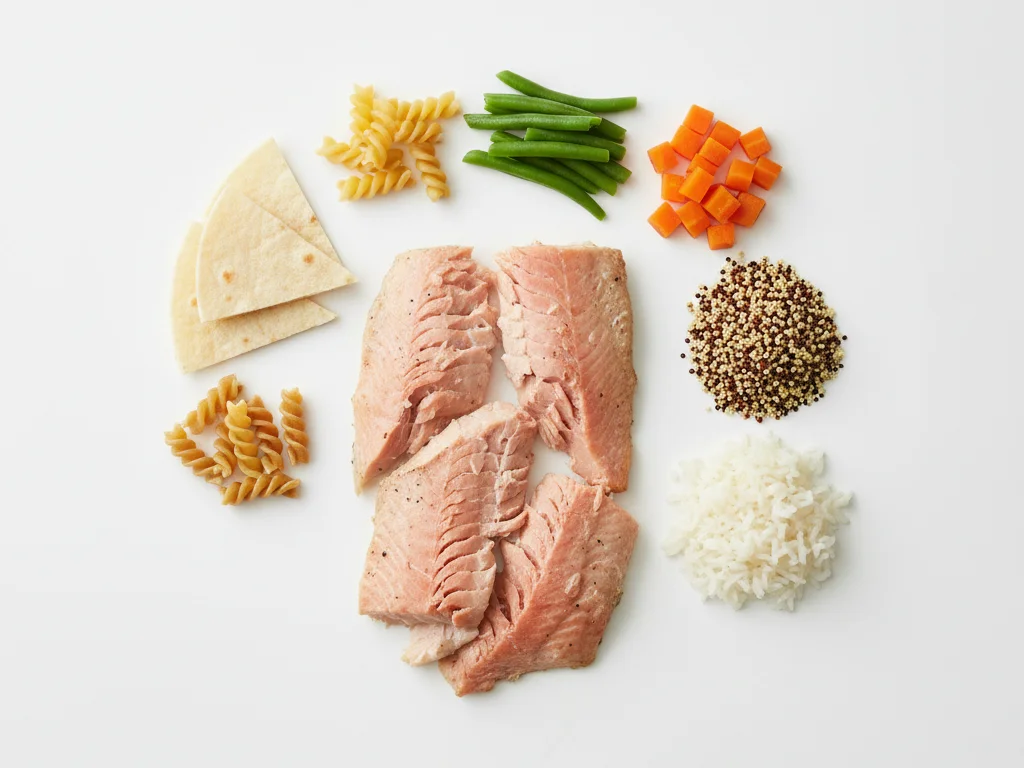
Serve flaked trout in slightly larger pieces that toddler can pick up or use a fork. You can include trout in family meals like fish tacos (soft tortillas), pasta dishes, or as part of a balanced plate with vegetables and grains.12 months +

Serve flaked trout in slightly larger pieces that toddler can pick up or use a fork. You can include trout in family meals like fish tacos (soft tortillas), pasta dishes, or as part of a balanced plate with vegetables and grains.

  • Involve toddler in preparation (watching you cook)
  • Try different cooking methods like baking with herbs
  • Cut into finger-sized strips for easy handling
  • Pair with dipping sauces like yogurt or avocado
  • Continue to model enjoying fish yourself

Safety & allergens

Choking risk: Medium

Trout has small bones that can pose a choking hazard. Always check carefully for bones and remove them completely before serving. For babies, flake the cooked trout into tiny pieces and mix with other foods like mashed vegetables to create a safer texture.

Common allergen

Fish allergies affect about 0.2-0.5% of children, with trout being one of the fish that can trigger reactions.2

Watch for symptoms:

  • Hives or skin rash
  • Swelling of lips, face, or tongue
  • Digestive upset (vomiting, diarrhea)
  • Difficulty breathing or wheezing

Start with a small amount (about 1 teaspoon) of well-cooked trout and watch for reactions for 3 days. If there's no reaction, you can gradually increase the amount. Consult your pediatrician before introducing trout if there's a family history of fish allergies.3

Vitamins & minerals

Trout is an excellent source of high-quality protein for your baby's growth and development.4 It's rich in omega-3 fatty acids, particularly DHA, which supports brain and eye development.1 The iron in trout helps prevent anemia and supports cognitive development, while vitamin D promotes bone health and immune function.5

Vitamins
Vitamin B12Vitamin DVitamin B3Vitamin B6
Minerals
IronSeleniumPhosphorusPotassium

Nutritional synergy

Pair trout with vitamin C-rich foods like sweet potatoes or broccoli to enhance iron absorption.6 The healthy fats in trout also help your baby absorb fat-soluble vitamins from other foods.

Pairs well with

Common questions

How do I know if trout is fresh and safe for my baby?

Look for trout with clear, bright eyes (if whole), firm flesh that springs back when pressed, and a fresh, mild smell. Avoid fish with a strong 'fishy' odor or slimy texture. Always cook trout thoroughly until it flakes easily with a fork.

What if my baby doesn't like the taste of trout?

It can take 10-15 exposures for babies to accept new flavors. Try mixing small amounts of flaked trout into foods your baby already enjoys, like mashed potatoes or rice cereal. You can also try different cooking methods - baking or steaming often produces a milder flavor than frying.

Can I use canned trout for baby food?

Yes, but choose low-sodium or no-salt-added canned trout packed in water. Drain it well and check carefully for bones. Fresh or frozen trout is often preferred as you have more control over preparation, but canned can be a convenient option when prepared safely.

Sources & references

  1. 1Swanson et al., 2012
  2. 2Sicherer et al., 2014
  3. 3Fleischer et al., 2013
  4. 4USDA FoodData Central, 2024
  5. 5Wagner et al., 2008
  6. 6Lynch et al., 2018