Sunflower seeds

Seed

Sunflower seeds

Sunflower seeds are tiny nutritional powerhouses that can be a wonderful addition to your baby's diet. They have a mild, nutty flavor and a satisfying crunch when toasted, which can help babies explore different textures. Rich in healthy fats and essential nutrients, they support your baby's growth and development.1

PPippin Feeding TeamReviewed by feeding specialists · Updated March 2026
First age6m+
CategorySeed
Common allergenNo
Choking riskHigh

When can babies eat Sunflower seeds?

You can introduce sunflower seeds around 6 months when starting solids, but always serve them ground or as a thin butter to prevent choking.

Storage tip

Store raw or roasted sunflower seeds in an airtight container in a cool, dark place for up to 3 months, or in the refrigerator for up to 6 months to keep them fresh.

How to serve Sunflower seeds by age

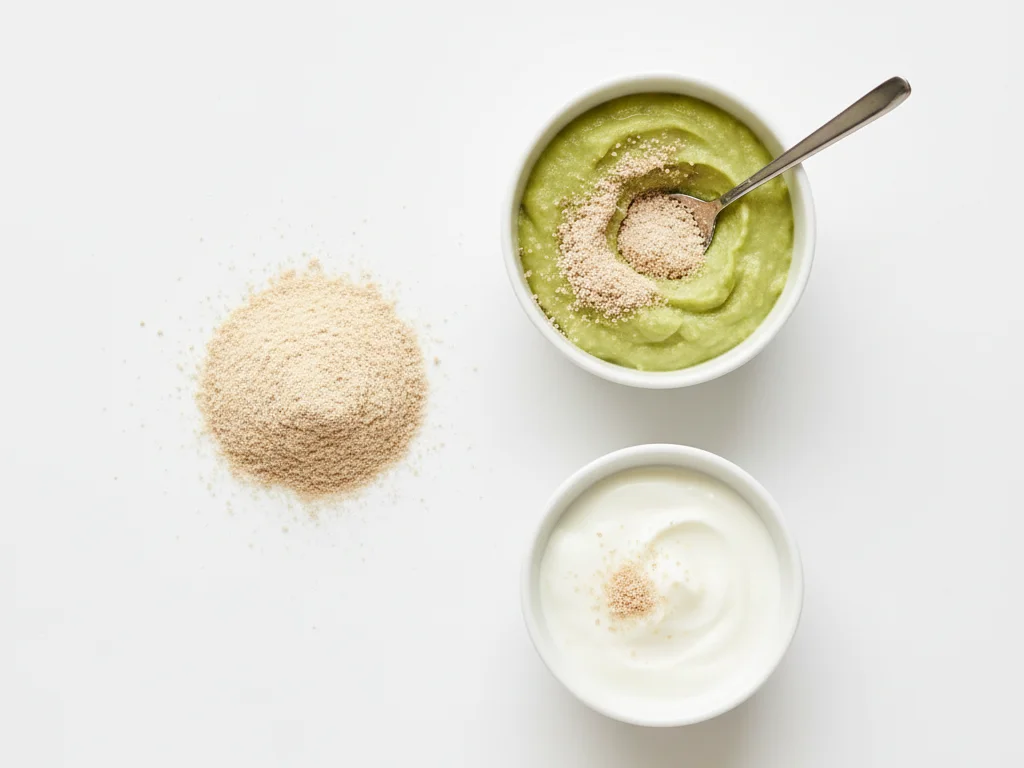
Grind raw or roasted sunflower seeds into a very fine powder using a clean coffee grinder or food processor. Mix a small amount (¼ to ½ teaspoon) into smooth purees, infant cereal, or yogurt. Ensure no coarse pieces remain.6 to 9 months

Grind raw or roasted sunflower seeds into a very fine powder using a clean coffee grinder or food processor. Mix a small amount (¼ to ½ teaspoon) into smooth purees, infant cereal, or yogurt. Ensure no coarse pieces remain.

  • Start with a tiny amount to check for tolerance
  • Mix thoroughly to avoid clumps
  • Use roasted seeds for easier digestion
  • Combine with familiar foods like banana or avocado puree
  • Store extra ground powder in an airtight container in the fridge for up to a week
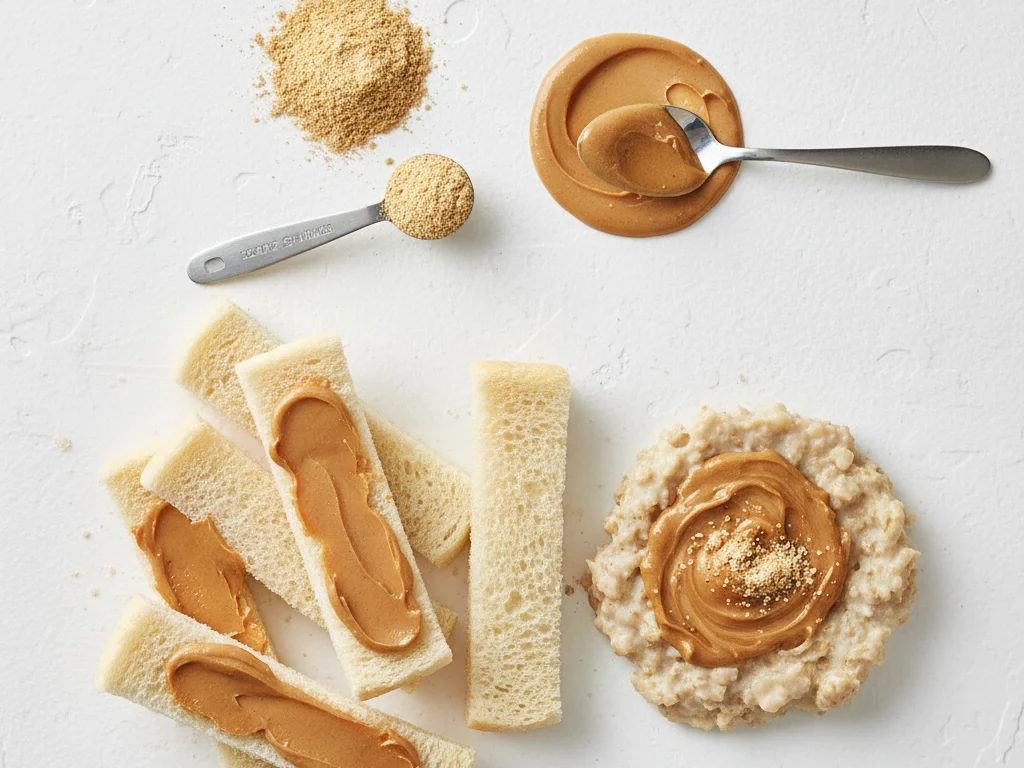
Continue using finely ground sunflower seed powder, increasing to ½ to 1 teaspoon mixed into thicker foods. You can also use smooth, runny sunflower seed butter thinned with breast milk, formula, or water. Spread thinly on soft toast strips or mix into oatmeal.9 to 12 months

Continue using finely ground sunflower seed powder, increasing to ½ to 1 teaspoon mixed into thicker foods. You can also use smooth, runny sunflower seed butter thinned with breast milk, formula, or water. Spread thinly on soft toast strips or mix into oatmeal.

  • Thin sunflower seed butter to a drippy consistency
  • Mix into mashed foods like sweet potato or banana
  • Offer on soft, easy-to-grip toast strips
  • Combine with fruits for natural sweetness
  • Watch for any signs of texture aversion
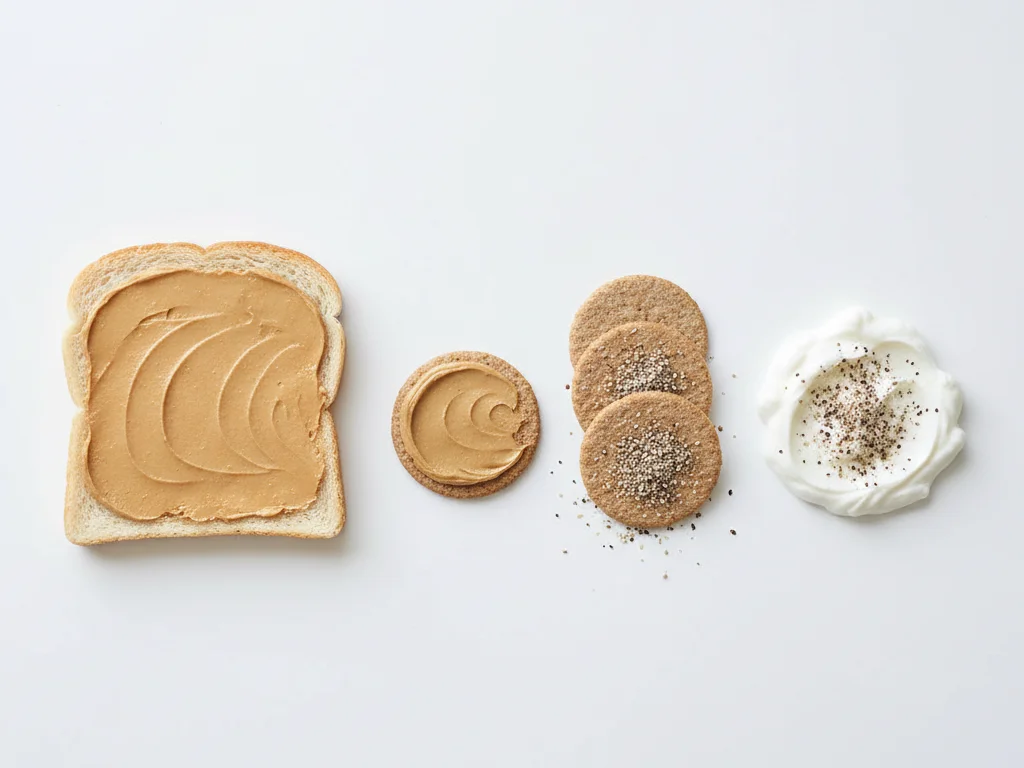
Offer smooth sunflower seed butter spread thinly on bread or crackers. You can also sprinkle a small amount of finely ground seeds onto foods like yogurt or cottage cheese. Continue to avoid whole seeds due to choking risk.12 months +

Offer smooth sunflower seed butter spread thinly on bread or crackers. You can also sprinkle a small amount of finely ground seeds onto foods like yogurt or cottage cheese. Continue to avoid whole seeds due to choking risk.

  • Use as a peanut butter alternative if needed
  • Mix into pancake or muffin batter
  • Combine with oats for homemade energy bites
  • Offer with apple slices for dipping
  • Monitor chewing skills closely

Safety & allergens

Choking risk: High

Whole sunflower seeds are a high choking risk for babies and toddlers due to their small, hard size and shape. Always serve them finely ground into a powder or as a thin, smooth butter mixed into other foods like yogurt or oatmeal. Avoid whole seeds until your child is at least 4 years old and can chew thoroughly.

Not a common allergen

Sunflower seeds is not a top allergen. As with any new food, offer it on its own and watch for any reaction.

Vitamins & minerals

Sunflower seeds are packed with nutrients important for your baby. They're an excellent source of vitamin E, which acts as an antioxidant to protect cells.2 They also provide copper for healthy blood cells and manganese for bone development.3 The healthy fats in sunflower seeds support brain growth and help absorb fat-soluble vitamins.4

Vitamins
Vitamin EVitamin B1Vitamin B6Vitamin B9
Minerals
CopperManganeseSeleniumMagnesiumPhosphorus

Nutritional synergy

Pair sunflower seeds with vitamin C-rich foods like strawberries or bell peppers to enhance iron absorption from plant sources, making meals even more nutritious for your baby.5

Pairs well with

Common questions

How do I prepare sunflower seeds for my baby?

For babies 6+ months, grind raw or roasted sunflower seeds into a fine powder using a clean coffee grinder or food processor. You can mix this powder into purees, oatmeal, or yogurt. For older babies, you can use smooth sunflower seed butter thinned with breast milk, formula, or water.

What if my baby doesn't like the texture?

Start with a small amount of ground sunflower seed powder mixed into foods your baby already enjoys. The mild flavor often blends well. If they seem unsure, try again in a few days—it can take 10-15 exposures for babies to accept new foods.

Can I use sunflower seed butter instead of grinding seeds?

Yes, sunflower seed butter is a convenient option. Choose unsweetened varieties with no added salt or sugar. Thin it with liquid to a safe consistency for your baby's age, and always check the label to ensure it's smooth without seed pieces.

Sources & references

  1. 1USDA FoodData Central, 2024
  2. 2Traber & Stevens, 2011
  3. 3NIH Office of Dietary Supplements, 2023
  4. 4Innis, 2014
  5. 5Lynch & Cook, 1980