Rabbit

Protein

Rabbit

Rabbit is a lean, tender meat that can be a wonderful first protein for your baby. It's naturally mild in flavor and easy to digest, making it a gentle introduction to meats. Rabbit provides high-quality protein to support your baby's rapid growth and development.6

PPippin Feeding TeamReviewed by feeding specialists · Updated July 2026
First age6m+
CategoryProtein
Common allergenNo
Choking riskLow

When can babies eat Rabbit?

Rabbit can be introduced around 6 months of age, when your baby is ready for solid foods. It's a great option after your baby has tried a few fruits and vegetables.

Storage tip

Store fresh rabbit in the coldest part of your refrigerator and use within 1-2 days. For longer storage, freeze it tightly wrapped for up to 3 months. Cooked rabbit can be refrigerated for 3-4 days.

How to serve Rabbit by age

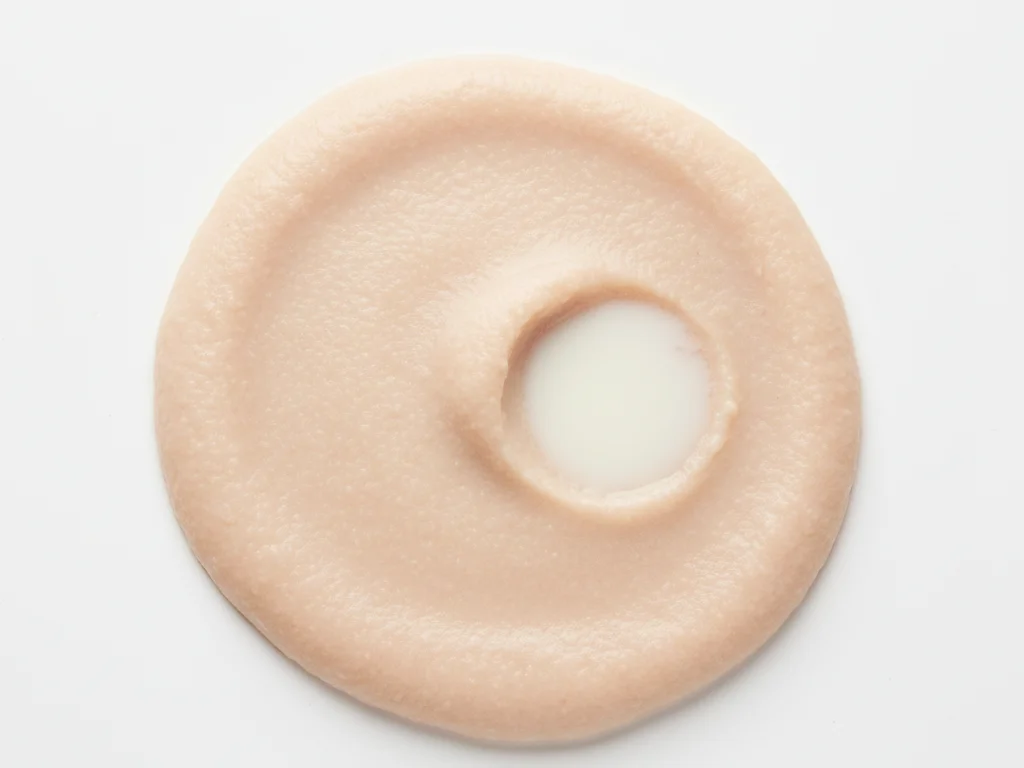
Cook rabbit until very tender (braising or slow cooking works well), then puree it until completely smooth. You may need to add breast milk, formula, or water to achieve the right consistency for your baby.6 to 9 months

Cook rabbit until very tender (braising or slow cooking works well), then puree it until completely smooth. You may need to add breast milk, formula, or water to achieve the right consistency for your baby.

  • Remove all bones and any tough connective tissue before pureeing.
  • Start with small amounts mixed into vegetable purees your baby already enjoys.
  • Use a high-powered blender or food processor for the smoothest texture.
  • Cook with mild herbs like thyme or rosemary for added flavor (remove before pureeing).
  • Freeze extra puree in ice cube trays for easy portioning.
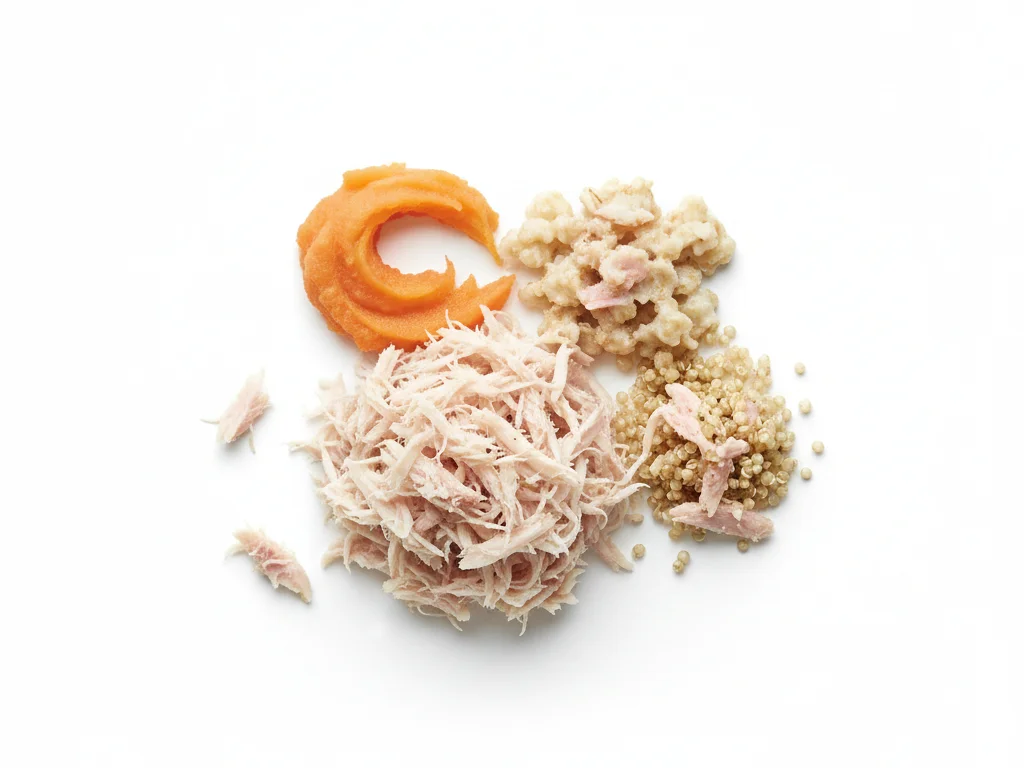
Cook rabbit until fork-tender, then shred it into very small, soft pieces. You can mix shredded rabbit into mashed vegetables, oatmeal, or soft cooked grains.9 to 12 months

Cook rabbit until fork-tender, then shred it into very small, soft pieces. You can mix shredded rabbit into mashed vegetables, oatmeal, or soft cooked grains.

  • Ensure pieces are no larger than a pea for safe self-feeding.
  • Moisten shredded rabbit with a little broth or cooking liquid to prevent dryness.
  • Combine with soft foods like avocado or cooked lentils for varied textures.
  • Offer as finger food alongside other soft options your baby can pick up.
  • Watch closely as your baby practices chewing these soft shreds.
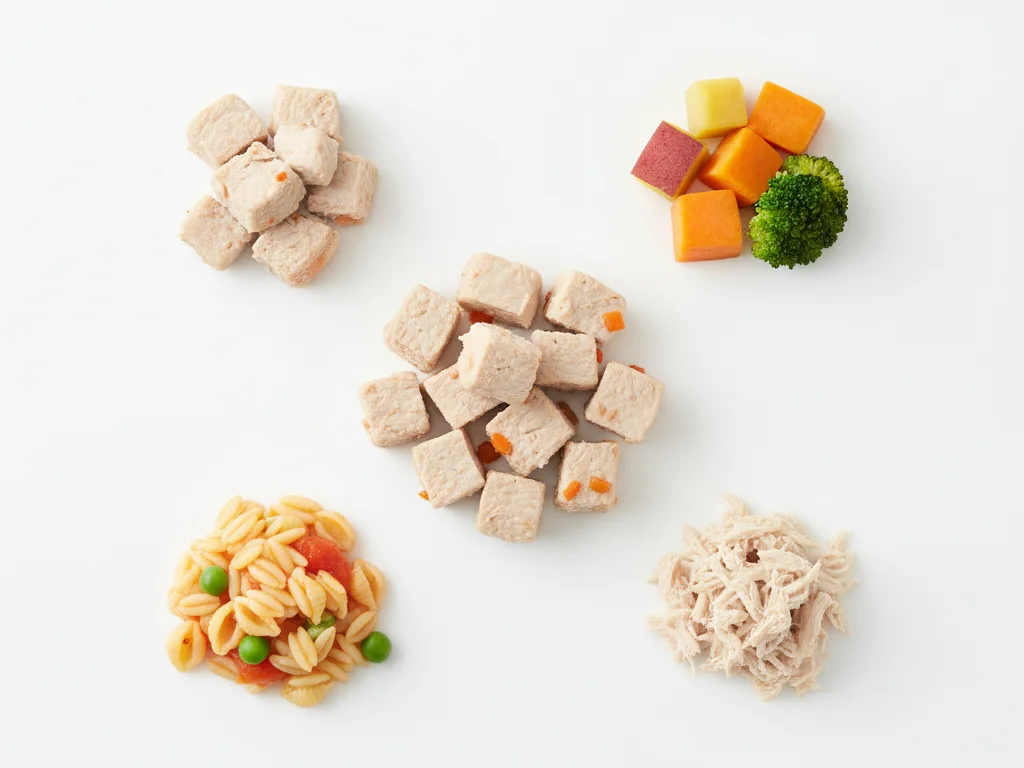
Serve small, bite-sized pieces of tender cooked rabbit that your toddler can easily chew. You can include rabbit in stews, pasta dishes, or as part of a balanced meal.12 months +

Serve small, bite-sized pieces of tender cooked rabbit that your toddler can easily chew. You can include rabbit in stews, pasta dishes, or as part of a balanced meal.

  • Cut pieces into small cubes (about 1/4 inch) that are easy to manage.
  • Continue to cook rabbit until very tender to prevent chewing difficulties.
  • Pair with favorite dipping sauces like mild yogurt or applesauce.
  • Include rabbit in family meals to encourage acceptance.
  • Always supervise mealtimes as your toddler develops chewing skills.

Safety & allergens

Choking risk: Low

Rabbit meat is naturally tender and low in fat, which makes it easy to prepare safely. For babies, always serve it cooked until very soft and shredded or pureed to a smooth texture. Avoid large chunks or pieces with gristle.

Not a common allergen

Rabbit is not a top allergen. As with any new food, offer it on its own and watch for any reaction.

Vitamins & minerals

Rabbit is an excellent source of protein, providing about 22g per 100g serving to support your baby's muscle growth and development.6 It's also rich in iron, which is crucial for healthy blood and brain development, and contains potassium for proper heart and muscle function.23 The magnesium in rabbit supports bone health and energy metabolism.4

Minerals
IronPotassiumMagnesium

Nutritional synergy

Pair rabbit with vitamin C-rich foods like sweet potato or bell pepper to help your baby absorb its iron more effectively.5

Common questions

How do I know if rabbit is cooked safely for my baby?

Cook rabbit until it reaches an internal temperature of 165°F (74°C) and is tender enough to shred easily with a fork. For purees, cook it until very soft, then blend with a little breast milk, formula, or water to achieve a smooth consistency.

What if my baby doesn't like the taste of rabbit?

Rabbit has a mild flavor, but if your baby seems unsure, try mixing it with familiar foods they already enjoy, like mashed banana or sweet potato. It can take 10-15 exposures for babies to accept new foods, so keep offering small amounts without pressure.

Can I use frozen rabbit for baby food?

Yes, frozen rabbit works well. Thaw it completely in the refrigerator before cooking. Once cooked and pureed, you can freeze baby portions in ice cube trays for up to 2 months for quick, convenient meals.

Sources & references

  1. 1USDA FoodData Central
  2. 2Moss CR, 2022
  3. 3Strohm D et al., 2017
  4. 4Lönnerdal B, 1995
  5. 5Lönnerdal B, 1997
  6. 6Amissah EA et al., 2020