Mustard greens

Vegetable

Mustard greens

Mustard greens are a nutrient-packed leafy green that can be a wonderful addition to your baby's diet. They have a slightly peppery flavor that becomes milder when cooked, and their soft texture makes them easy to prepare for little ones. These greens are rich in vitamins and minerals that support your baby's growth and development.1

PPippin Feeding TeamReviewed by feeding specialists · Updated July 2026
First age6m+
CategoryVegetable
Common allergenYes
Choking riskLow

When can babies eat Mustard greens?

You can introduce mustard greens around 6 months when starting solids, as long as they are cooked until very soft and pureed or mashed to an appropriate texture for your baby's age.

Storage tip

Store fresh mustard greens in a plastic bag in the refrigerator crisper drawer for up to 5 days. Wash them just before using to prevent wilting.

How to serve Mustard greens by age

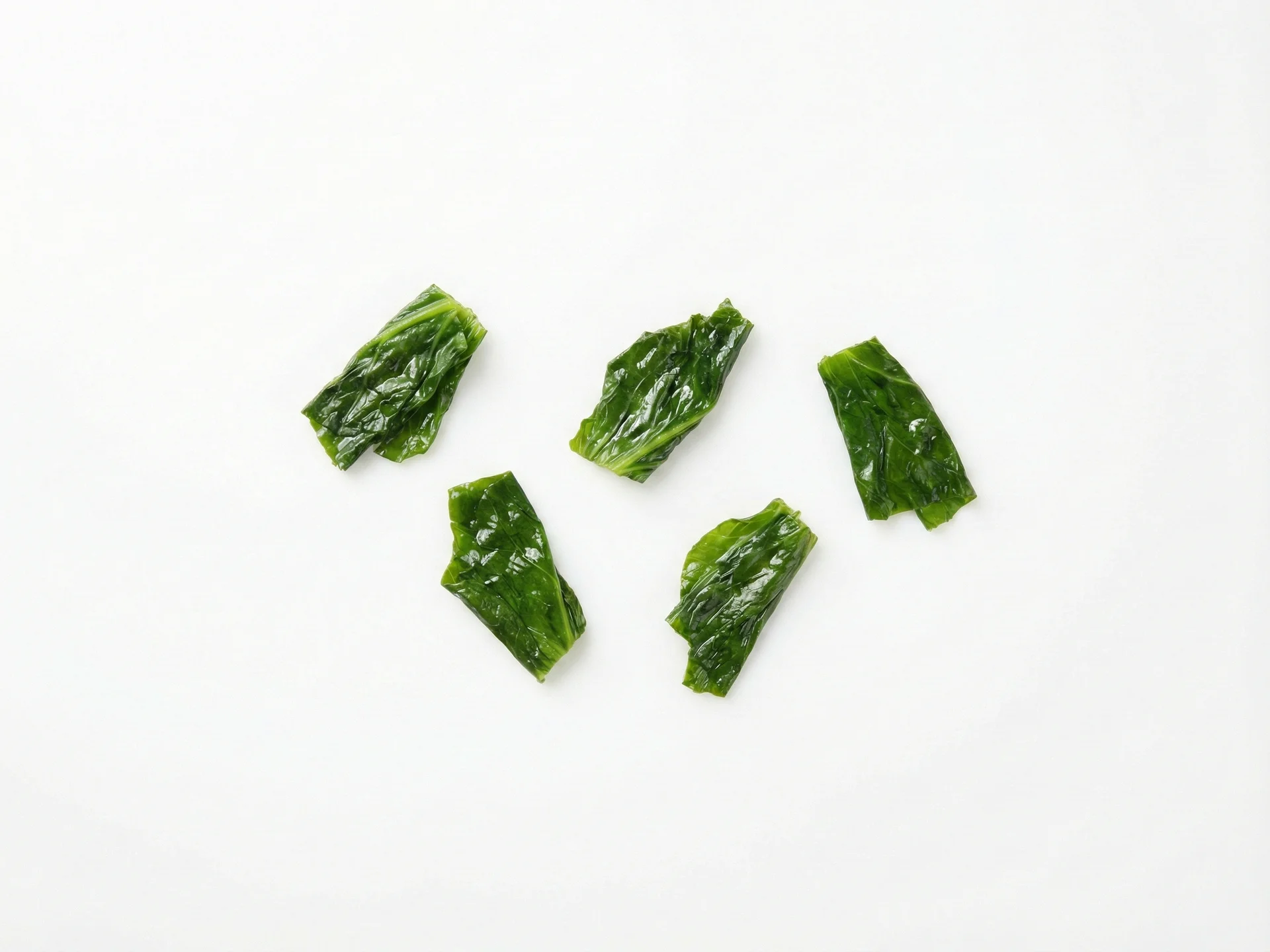
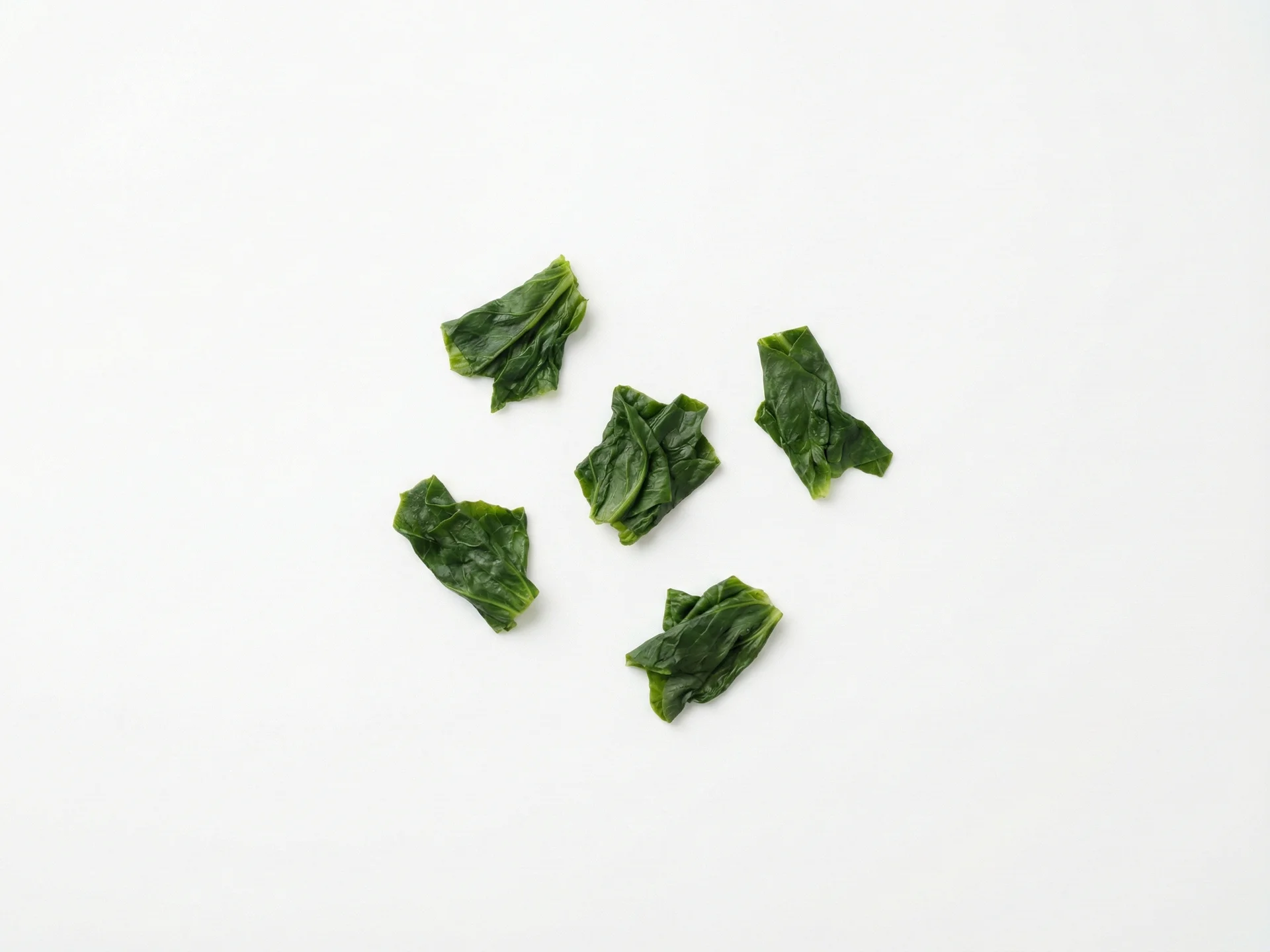
For babies 6-9 months, cook mustard greens until very soft—steam or sauté them for 8-10 minutes until they're easily mashed. Remove all tough stems and chop the leaves into small, manageable pieces. You can also blend cooked greens into a smooth puree to mix with other foods.6 to 9 months

For babies 6-9 months, cook mustard greens until very soft—steam or sauté them for 8-10 minutes until they're easily mashed. Remove all tough stems and chop the leaves into small, manageable pieces. You can also blend cooked greens into a smooth puree to mix with other foods.

  • Steam mustard greens until they're very tender and easily mashed
  • Remove all tough stems before serving
  • Chop cooked leaves into small pieces about the size of your baby's fingertip
  • Mix with mashed avocado or sweet potato to balance the flavor
  • Offer on a pre-loaded spoon for self-feeding practice
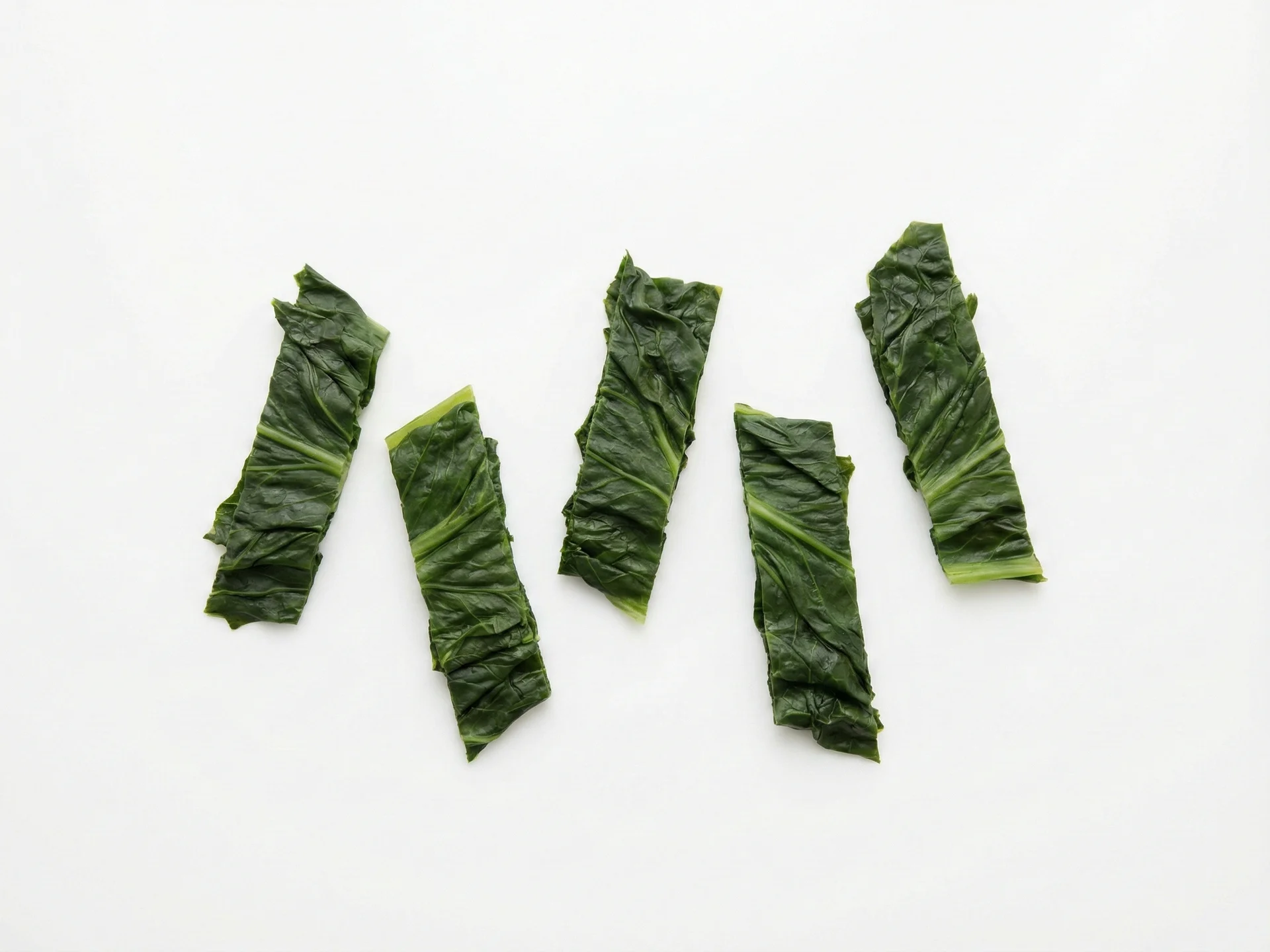
For babies 9-12 months, cook mustard greens until soft but with slightly more texture. Sauté or steam for 5-7 minutes until tender. Cut into larger pieces that your baby can grasp, or incorporate into soft finger foods like omelet strips or fritters.9 to 12 months

For babies 9-12 months, cook mustard greens until soft but with slightly more texture. Sauté or steam for 5-7 minutes until tender. Cut into larger pieces that your baby can grasp, or incorporate into soft finger foods like omelet strips or fritters.

  • Cook until soft but with some texture to encourage chewing
  • Cut into larger strips that are easy for baby to hold
  • Mix into scrambled eggs or soft cheese dishes
  • Combine with grains like quinoa or rice for texture variety
  • Offer as part of mixed vegetable medleys
For toddlers 12 months and up, you can offer mustard greens with less cooking time for more texture. Lightly sauté or steam for 3-5 minutes until wilted but still slightly crisp. Serve as part of family meals, chopped into bite-sized pieces or incorporated into soups and stews.12 months +

For toddlers 12 months and up, you can offer mustard greens with less cooking time for more texture. Lightly sauté or steam for 3-5 minutes until wilted but still slightly crisp. Serve as part of family meals, chopped into bite-sized pieces or incorporated into soups and stews.

  • Lightly cook to retain more texture and nutrients
  • Chop into bite-sized pieces for self-feeding
  • Add to soups, stews, or pasta dishes
  • Mix with beans or lentils for protein-packed meals
  • Encourage dipping in mild sauces or yogurt

Safety & allergens

Choking risk: Low

Mustard greens have a low choking risk when prepared properly. Always cook them until very soft and mash or puree them for younger babies. For older babies who can handle more texture, chop cooked greens finely to prevent any stringy pieces that could be difficult to swallow.

Common allergen

Introduce on its own and watch closely for any signs of a reaction.

Vitamins & minerals

Mustard greens are packed with nutrients that benefit your baby. They're an excellent source of vitamin K, which is important for healthy blood clotting and bone development.2 The vitamin A supports vision and immune function,3 while the iron helps prevent anemia and supports brain development.4 The vitamin C content also helps your baby absorb iron more effectively from plant sources.5

Vitamins
Vitamin AVitamin CVitamin KVitamin B9
Minerals
CalciumIronPotassiumMagnesium

Nutritional synergy

Pair mustard greens with foods rich in vitamin C (like bell peppers or citrus) to enhance iron absorption from the greens.5

Common questions

How do I prepare mustard greens to reduce their peppery taste?

Cooking mustard greens thoroughly helps mellow their peppery flavor. Steaming or boiling them until very soft works well. You can also mix them with sweeter vegetables like sweet potatoes or carrots to balance the taste for your baby.

Can I freeze cooked mustard greens for baby food?

Yes! Puree cooked mustard greens and freeze in ice cube trays for up to 3 months. Thaw in the refrigerator overnight or gently warm before serving. This makes meal prep much easier.

What if my baby doesn't like mustard greens at first?

It's normal for babies to need multiple exposures to accept new flavors. Try mixing a small amount of mustard greens with foods your baby already enjoys, like applesauce or mashed potatoes. Keep offering them without pressure—it can take 10-15 tries before babies accept new foods.

Sources & references

  1. 1USDA FoodData Central, 2024
  2. 2Weber, 2001
  3. 3Sommer & Vyas, 2012
  4. 4Lozoff et al., 2006
  5. 5Teucher et al., 2004