Rice noodles

Grain

Rice noodles

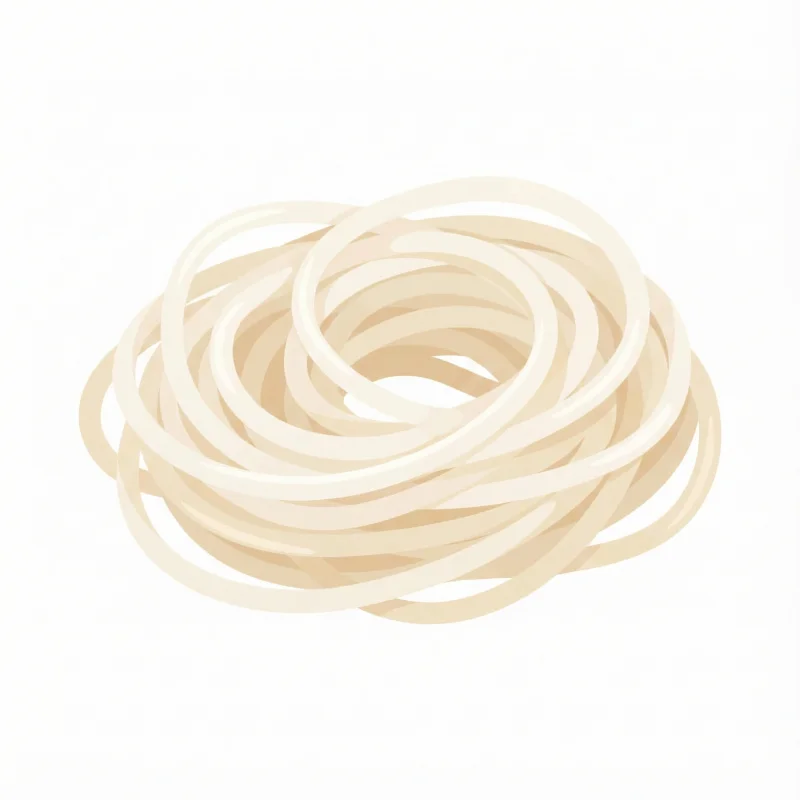
Rice noodles are a wonderful first grain for your baby, offering a soft, easy-to-chew texture that's gentle on little gums. They're naturally gluten-free, making them a great option for families avoiding wheat, and they provide essential B vitamins that help your baby's body convert food into energy.1 Their mild flavor also makes them a perfect canvas for mixing with other favorite foods.

PPippin Feeding TeamReviewed by feeding specialists · Updated July 2026
First age6m+
CategoryGrain
Common allergenNo
Choking riskLow

When can babies eat Rice noodles?

You can introduce rice noodles around 6 months, once your baby is showing signs of readiness for solids like sitting up with support and showing interest in food.

Storage tip

Store uncooked rice noodles in a cool, dry place in their original packaging. Once cooked, keep them in an airtight container in the refrigerator for 3-4 days.

How to serve Rice noodles by age

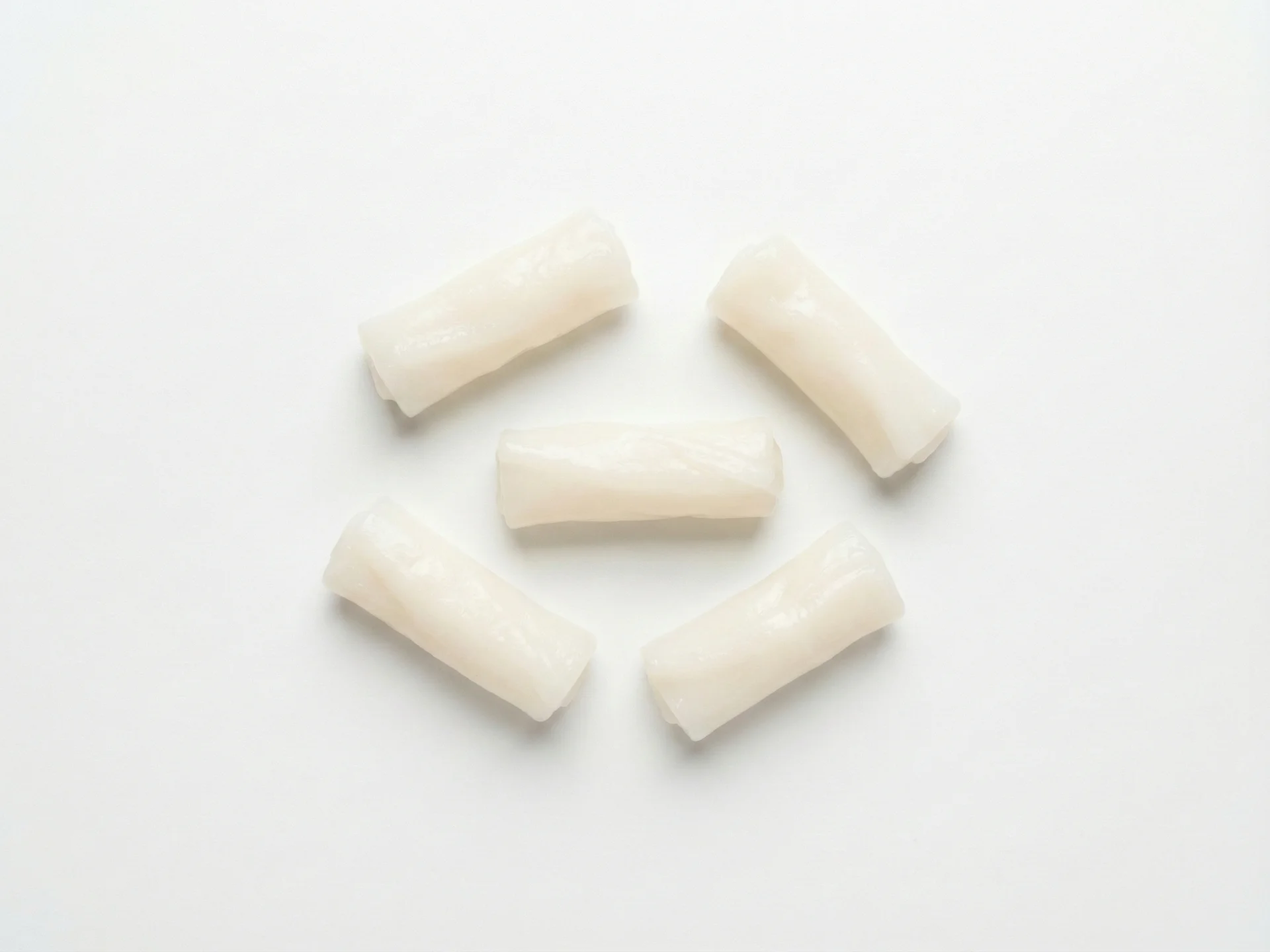
For babies 6-9 months, cook rice noodles until very soft and mushy, then cut into short, thick pieces about 1-2 inches long. You can serve them plain or lightly tossed in broth to add flavor and moisture, making them easy to pick up with a palmar grasp.6 to 9 months

For babies 6-9 months, cook rice noodles until very soft and mushy, then cut into short, thick pieces about 1-2 inches long. You can serve them plain or lightly tossed in broth to add flavor and moisture, making them easy to pick up with a palmar grasp.

  • Cook noodles until they break apart easily with gentle pressure.
  • Serve in clumps or short pieces to prevent slipping.
  • Avoid adding salt or strong seasonings.
  • Offer alongside soft vegetables or proteins for variety.
  • Supervise closely during meals to ensure safe eating.
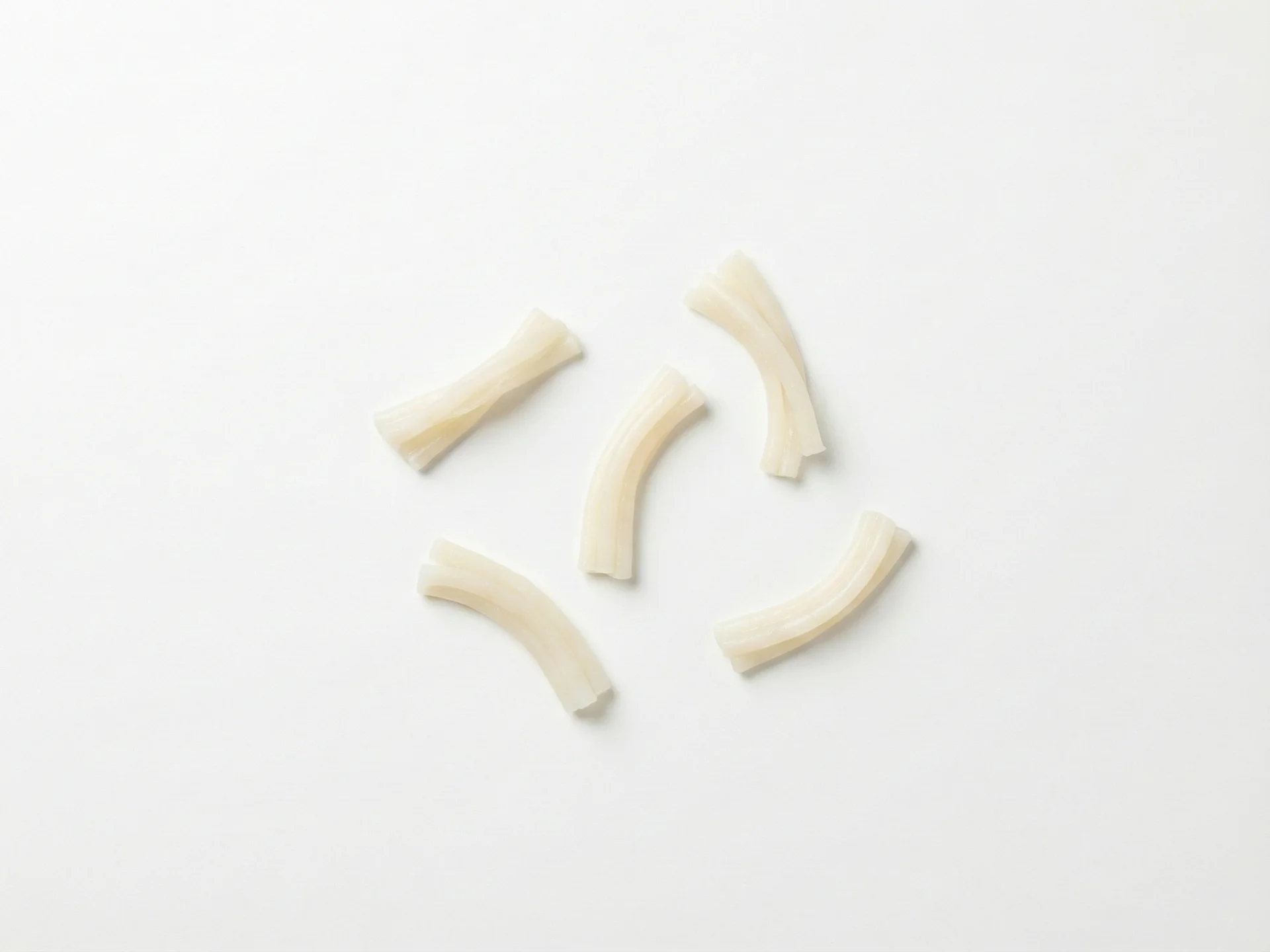
For babies 9 months and up, you can offer rice noodles in slightly firmer textures and longer strands as chewing skills improve. Cut into bite-sized pieces or serve in manageable portions, and introduce mild sauces or mixed dishes to encourage exploration of flavors.9 months +

For babies 9 months and up, you can offer rice noodles in slightly firmer textures and longer strands as chewing skills improve. Cut into bite-sized pieces or serve in manageable portions, and introduce mild sauces or mixed dishes to encourage exploration of flavors.

  • Gradually increase noodle firmness as your baby tolerates.
  • Mix with finely chopped vegetables or proteins for balanced meals.
  • Use fun shapes like spirals or stars to engage interest.
  • Encourage self-feeding with utensils as coordination develops.
  • Continue to avoid added sugars and excessive salt.

Safety & allergens

Choking risk: Low

Rice noodles are naturally soft when cooked, making them a low choking risk. For extra safety, ensure they're well-cooked until tender and cut into small, manageable pieces appropriate for your baby's age. Always supervise your baby during meals.

Not a common allergen

Rice noodles is not a top allergen. As with any new food, offer it on its own and watch for any reaction.

Vitamins & minerals

Rice noodles provide B vitamins like B1 (thiamine) which supports your baby's nervous system development, and B9 (folate) which is crucial for healthy cell growth.2 They also contain iron, an important mineral for preventing anemia and supporting brain development, though plant-based iron is less easily absorbed than from animal sources.3

Vitamins
Vitamin B1Vitamin B3Vitamin B5Vitamin B6Vitamin B9
Minerals
IronMagnesiumPhosphorusManganeseSelenium

Nutritional synergy

Pair rice noodles with vitamin C-rich foods like bell peppers or tomatoes to help your baby absorb the iron more effectively.4

Common questions

How do I cook rice noodles for my baby?

Cook them according to package directions until very tender—usually 4-6 minutes. Rinse with cool water to remove excess starch and prevent sticking. For younger babies, you can chop them into tiny pieces or even puree them with a little broth or water for a smoother texture.

What if my baby seems constipated after eating rice noodles?

Rice noodles are low in fiber, which can sometimes lead to firmer stools. If this happens, try pairing them with high-fiber foods like pureed peas or prunes, and ensure your baby is getting enough fluids. Most babies adjust within a few days.

Can I use rice noodles in baby-led weaning?

Absolutely! For baby-led weaning, cook noodles until soft, then cut into short strands (about 1-2 inches long) that are easy for little hands to grasp. You can also mix them with a sauce or puree to help them stick together better.

Sources & references

  1. 1NIH Office of Dietary Supplements, 2022
  2. 2NIH Office of Dietary Supplements, 2022
  3. 3American Academy of Pediatrics, 2023
  4. 4Hallberg et al., 1989