Spaghetti

Grain

Spaghetti

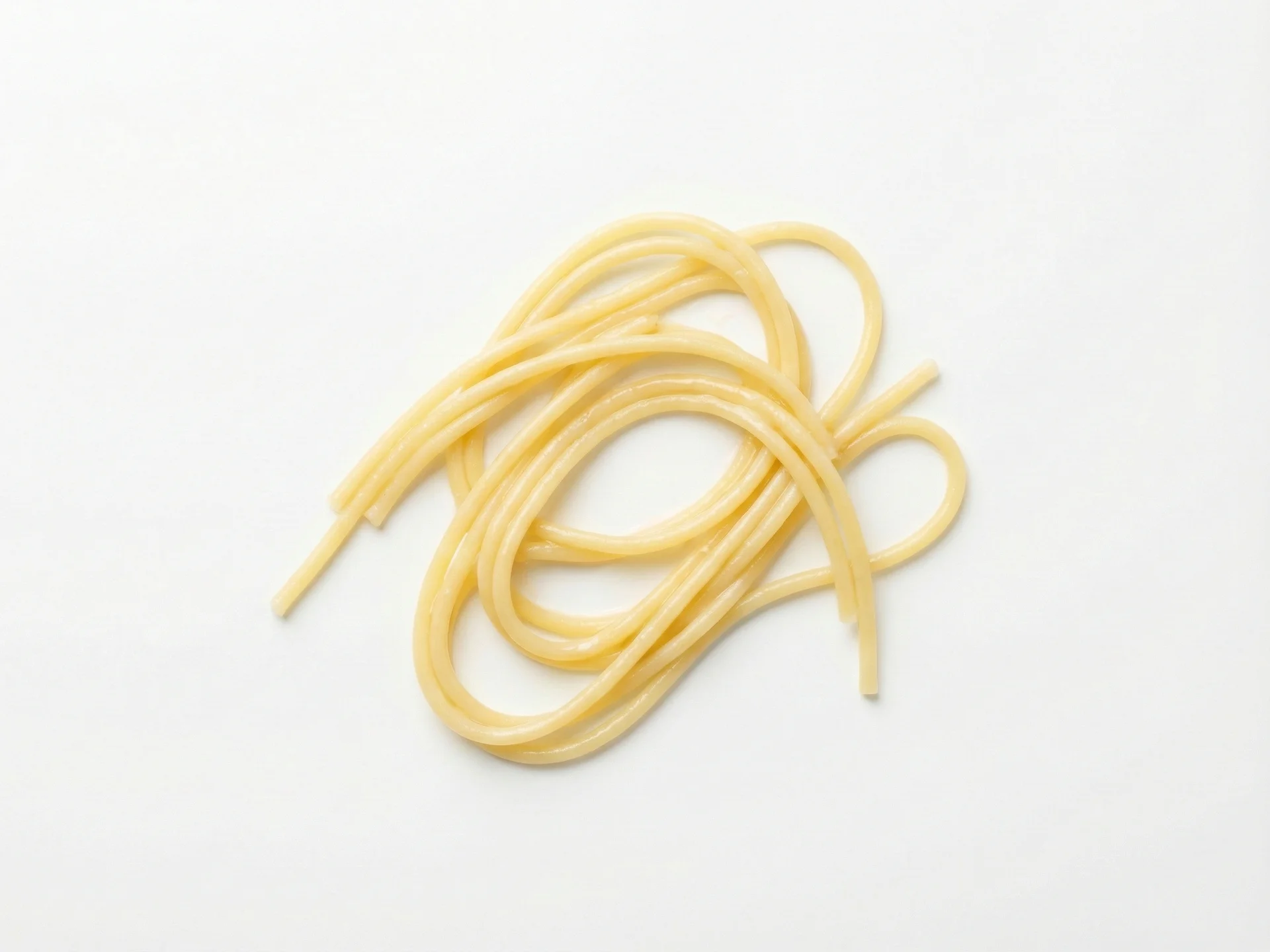
Spaghetti is a wonderful first pasta for babies, offering a soft, easy-to-chew texture that little ones love. Made from wheat, it provides essential B vitamins that support your baby's energy metabolism and brain development.1 Plus, it's a versatile base that pairs beautifully with many nutritious sauces and vegetables.

PPippin Feeding TeamReviewed by feeding specialists · Updated January 2026
First age6m+
CategoryGrain
Common allergenYes
Choking riskMedium

When can babies eat Spaghetti?

You can introduce spaghetti around 6 months when your baby starts solids, as long as it's prepared safely to minimize choking risk. It's best served plain or with simple sauces at first to monitor for any reactions.

Storage tip

Store dry spaghetti in a cool, dry place in its original packaging or an airtight container—it lasts for 1-2 years. Cooked spaghetti can be refrigerated in a sealed container for 3-5 days or frozen for up to 2 months.

How to serve Spaghetti by age

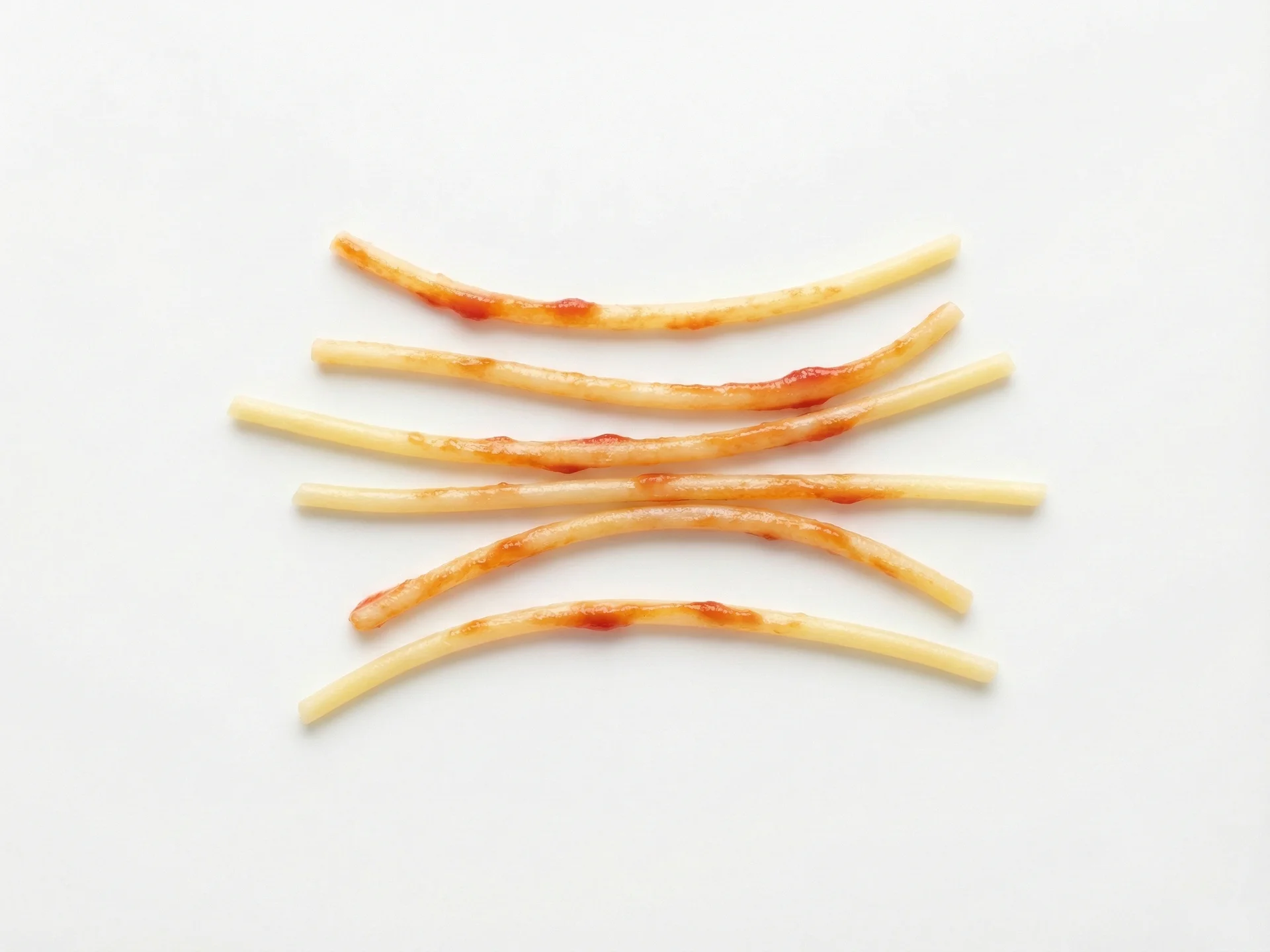
Cook spaghetti until very soft and mushy—almost overcooked. Cut into 1-2 inch strands or small pieces that are easy for baby to grasp. Serve plain or with a thin coating of sauce to prevent sticking. The texture should be soft enough to mash between gums.6 to 9 months

Cook spaghetti until very soft and mushy—almost overcooked. Cut into 1-2 inch strands or small pieces that are easy for baby to grasp. Serve plain or with a thin coating of sauce to prevent sticking. The texture should be soft enough to mash between gums.

  • Cook 1-2 minutes longer than package directions for extra softness
  • Test softness by pressing between your fingers—it should mash easily
  • Cut strands shorter than baby's fist length
  • Avoid slippery sauces that make grasping difficult
  • Offer a few pieces at a time to prevent overwhelming baby
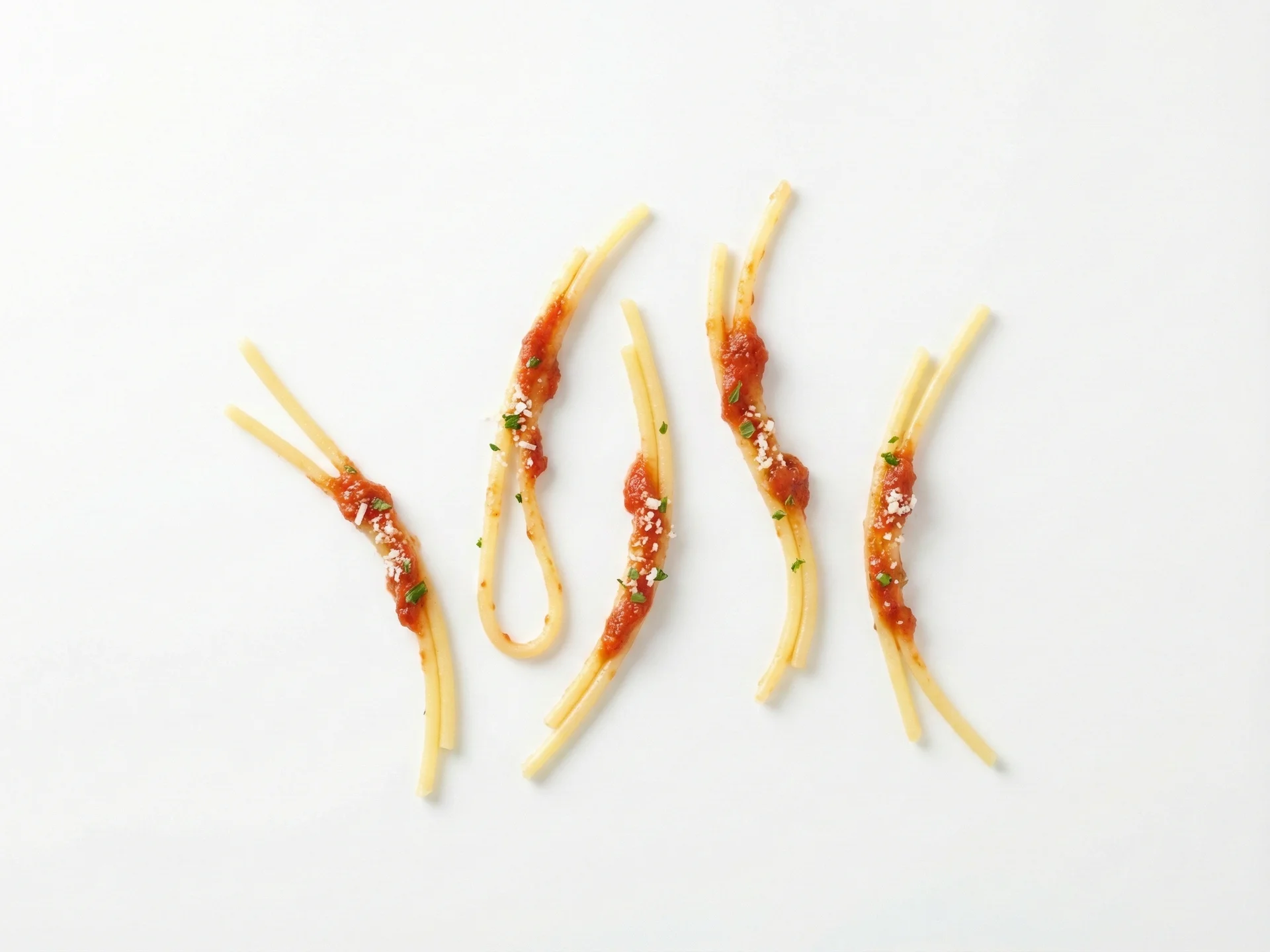
Cook spaghetti until tender but with slightly more texture. You can serve in longer strands (3-4 inches) that baby can practice twirling or cutting with gums. Introduce thicker sauces and mix-ins like finely chopped vegetables or grated cheese.9 to 12 months

Cook spaghetti until tender but with slightly more texture. You can serve in longer strands (3-4 inches) that baby can practice twirling or cutting with gums. Introduce thicker sauces and mix-ins like finely chopped vegetables or grated cheese.

  • Allow baby to practice self-feeding with longer strands
  • Mix with small, soft vegetables like peas or diced carrots
  • Add a protein source like finely ground meat or lentils
  • Use whole wheat spaghetti for more fiber and nutrients
  • Let baby explore different shapes like fusilli or penne
Serve spaghetti al dente or according to family preferences. Toddlers can handle regular-length strands and more complex sauces. Include a variety of pasta shapes to develop chewing skills and make meals engaging.12 months +

Serve spaghetti al dente or according to family preferences. Toddlers can handle regular-length strands and more complex sauces. Include a variety of pasta shapes to develop chewing skills and make meals engaging.

  • Involve toddler in simple preparation like stirring sauce
  • Offer different shapes to maintain interest
  • Add more texture with chopped vegetables or proteins
  • Teach proper twirling technique with a fork
  • Pair with salad or steamed vegetables for balanced meals

Safety & allergens

Choking risk: Medium

Spaghetti can pose a choking risk if served in long strands, as babies might swallow them whole. To make it safe, always cut cooked spaghetti into small, bite-sized pieces (no longer than 1/2 inch) and ensure it's soft and well-cooked. Avoid serving it al dente or with hard add-ins like large meatballs.

Common allergen

Wheat allergy affects about 0.4% to 1% of children, making it one of the more common food allergies in infants.2

Watch for symptoms:

  • Hives
  • Swelling
  • Digestive upset
  • Difficulty breathing

Introduce a small amount of plain spaghetti first and watch for any symptoms over 2-3 days.3 If there's no reaction, you can gradually increase the portion. Always consult your pediatrician if you have concerns about allergies or a family history.

Vitamins & minerals

Spaghetti is a good source of B vitamins like thiamine (B1) and folate (B9), which are crucial for your baby's energy production and cell growth.1 It also contains iron for healthy blood development and magnesium for bone health, though the iron from plant-based foods like wheat is less easily absorbed than from animal sources.4

Vitamins
Vitamin B1Vitamin B2Vitamin B3Vitamin B9
Minerals
IronMagnesiumPhosphorusSelenium

Nutritional synergy

Pair spaghetti with vitamin C-rich foods like tomato sauce or bell peppers to enhance iron absorption, as vitamin C helps convert plant-based iron into a more usable form for your baby's body.4

Common questions

How do I cook spaghetti so it's soft enough for my baby?

Cook spaghetti until it's very soft—usually a minute or two longer than the package directions. Test it by mashing a piece between your fingers; it should squish easily. For younger babies, you can even puree it briefly with a sauce for a smoother texture.

What if my baby gags on spaghetti?

Gagging is normal as babies learn to handle new textures. Stay calm and let your baby work it out. To reduce gagging, ensure spaghetti is cut into tiny pieces and served with a moist sauce. If gagging persists or turns into choking, stop feeding and consult your pediatrician.

Can I use whole wheat spaghetti for my baby?

Yes, whole wheat spaghetti offers more fiber and nutrients, but introduce it gradually as the extra fiber might cause digestive changes. Start with small portions and monitor for any tummy discomfort, as some babies need time to adjust to higher-fiber foods.

Sources & references

  1. 1National Institutes of Health, 2021
  2. 2Sicherer et al., 2014
  3. 3American Academy of Pediatrics, 2023
  4. 4Lynch et al., 2018