Wheat

Grain

Wheat

Wheat is a nutritious grain that can be a great addition to your baby's diet, offering a mild, slightly nutty flavor and a soft texture when cooked. It's packed with B vitamins that help support your baby's energy levels and brain development1, and provides important minerals like iron and zinc for healthy growth2. Starting with simple wheat cereals or soft-cooked grains can help introduce your little one to new textures and flavors.

PPippin Feeding TeamReviewed by feeding specialists · Updated January 2026
First age6m+
CategoryGrain
Common allergenYes
Choking riskLow

When can babies eat Wheat?

Wheat can typically be introduced around 6 months of age, once your baby is showing signs of readiness for solids, like sitting up with support and showing interest in food.

Storage tip

Store dry wheat products like flour, pasta, or cereal in a cool, dry place in airtight containers to prevent moisture and pests. Cooked wheat dishes should be refrigerated and consumed within 2-3 days.

How to serve Wheat by age

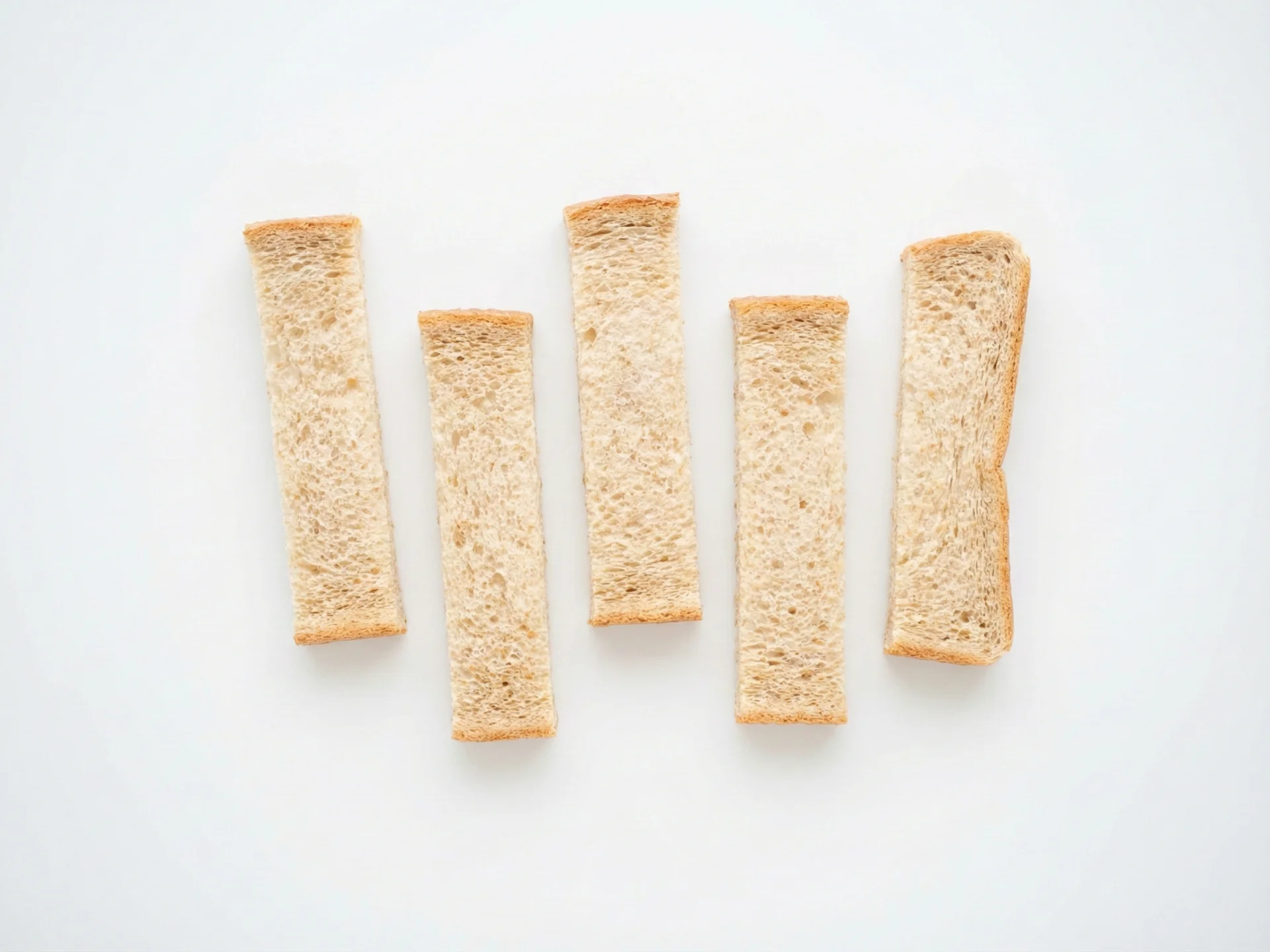
For beginners, offer soft-cooked whole wheat pasta like fusilli or penne cut into bite-sized pieces, or wheat cereal mixed to a thick, spoonable consistency. Lightly toast whole wheat bread and cut into strips about the size of two adult fingers for easy gripping. Ensure all textures are mashable between your fingers to prevent choking.6 to 9 months

For beginners, offer soft-cooked whole wheat pasta like fusilli or penne cut into bite-sized pieces, or wheat cereal mixed to a thick, spoonable consistency. Lightly toast whole wheat bread and cut into strips about the size of two adult fingers for easy gripping. Ensure all textures are mashable between your fingers to prevent choking.

  • Cook pasta until very soft—test by squishing between your fingers.
  • Moisten bread strips with a bit of water or puree to prevent gumminess.
  • Avoid adding salt or sugar to wheat preparations.
  • Supervise closely during meals to ensure safe eating.
  • Start with small portions to monitor for allergies.
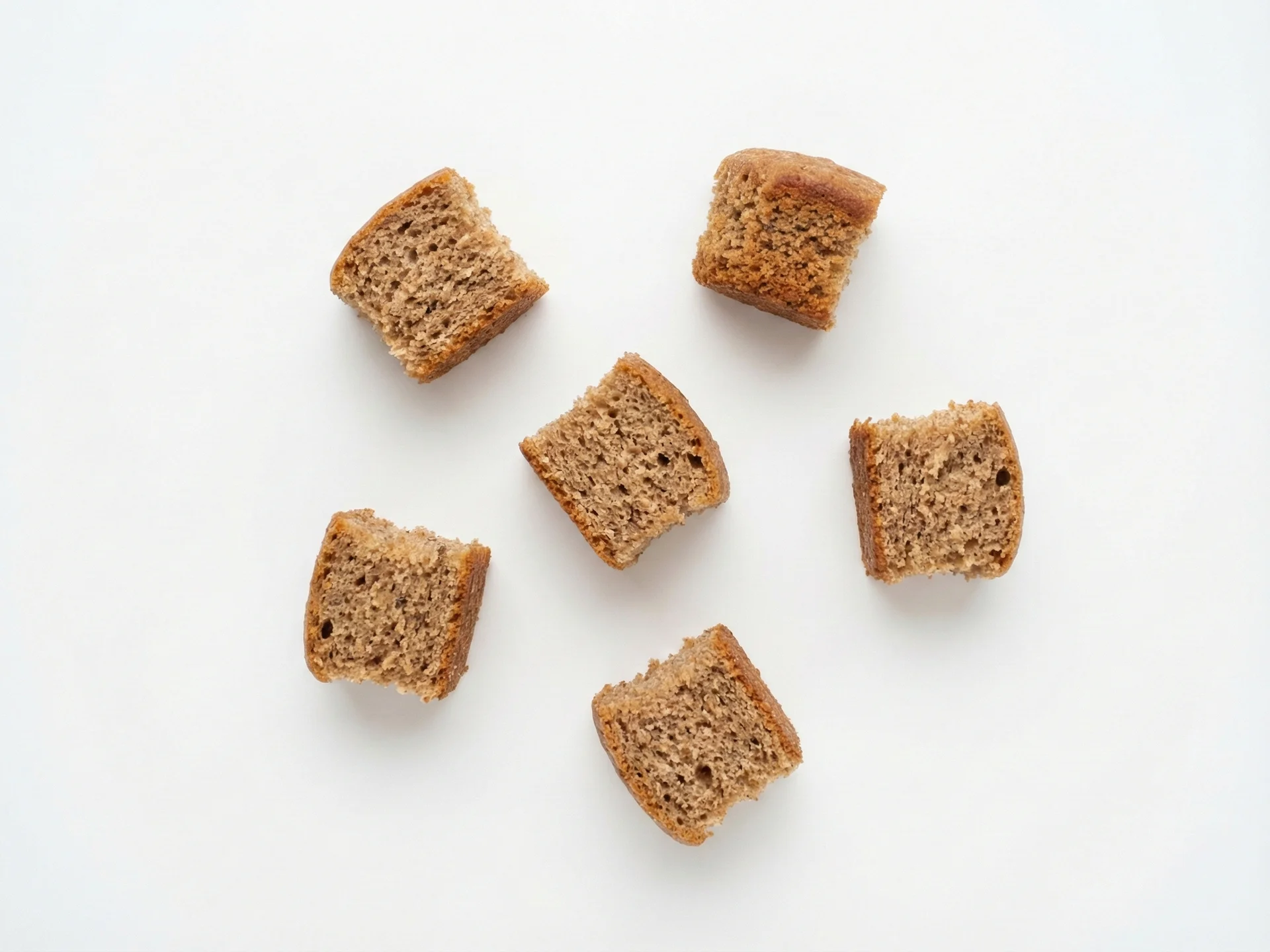
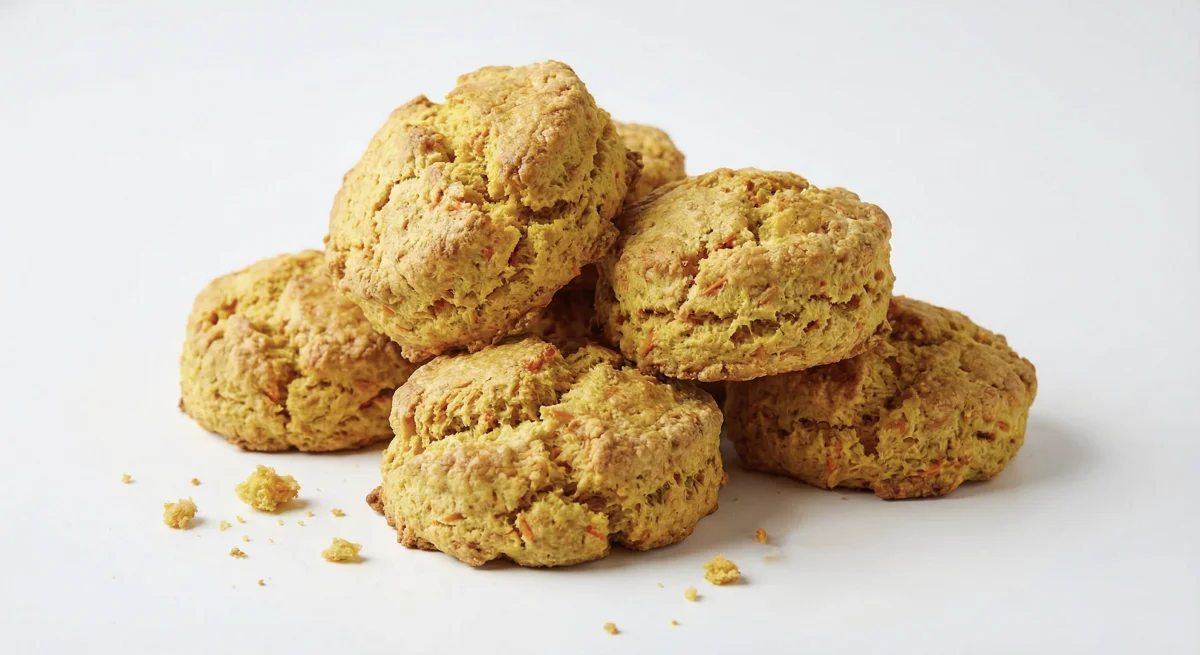
As your baby develops pincer grasp, offer smaller pieces of soft-cooked pasta or small chunks of whole wheat bread. You can introduce more textured wheat foods like whole wheat pancakes or muffins cut into small cubes. Continue to ensure foods are soft and easy to chew.9 to 12 months

As your baby develops pincer grasp, offer smaller pieces of soft-cooked pasta or small chunks of whole wheat bread. You can introduce more textured wheat foods like whole wheat pancakes or muffins cut into small cubes. Continue to ensure foods are soft and easy to chew.

  • Encourage self-feeding with finger-sized pieces or small chunks.
  • Mix wheat with other foods like mashed vegetables for variety.
  • Avoid hard wheat products like crackers or dry cereals.
  • Watch for signs of improved chewing and swallowing.
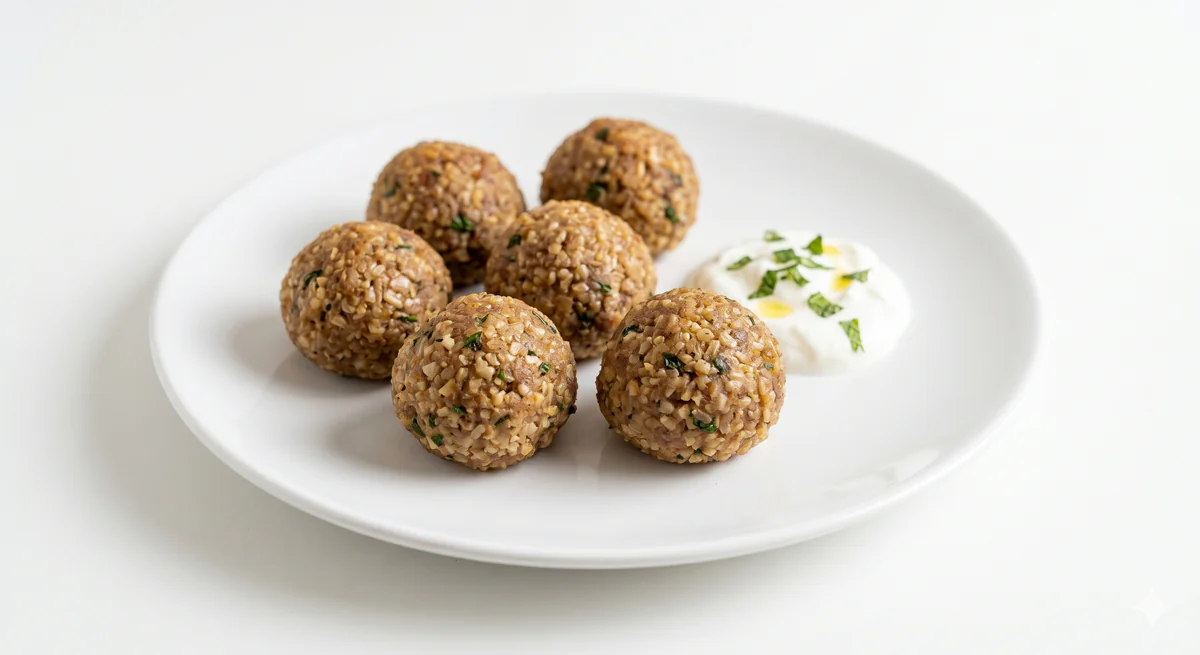
  • Include wheat in mixed dishes like soft wheat berry salads.
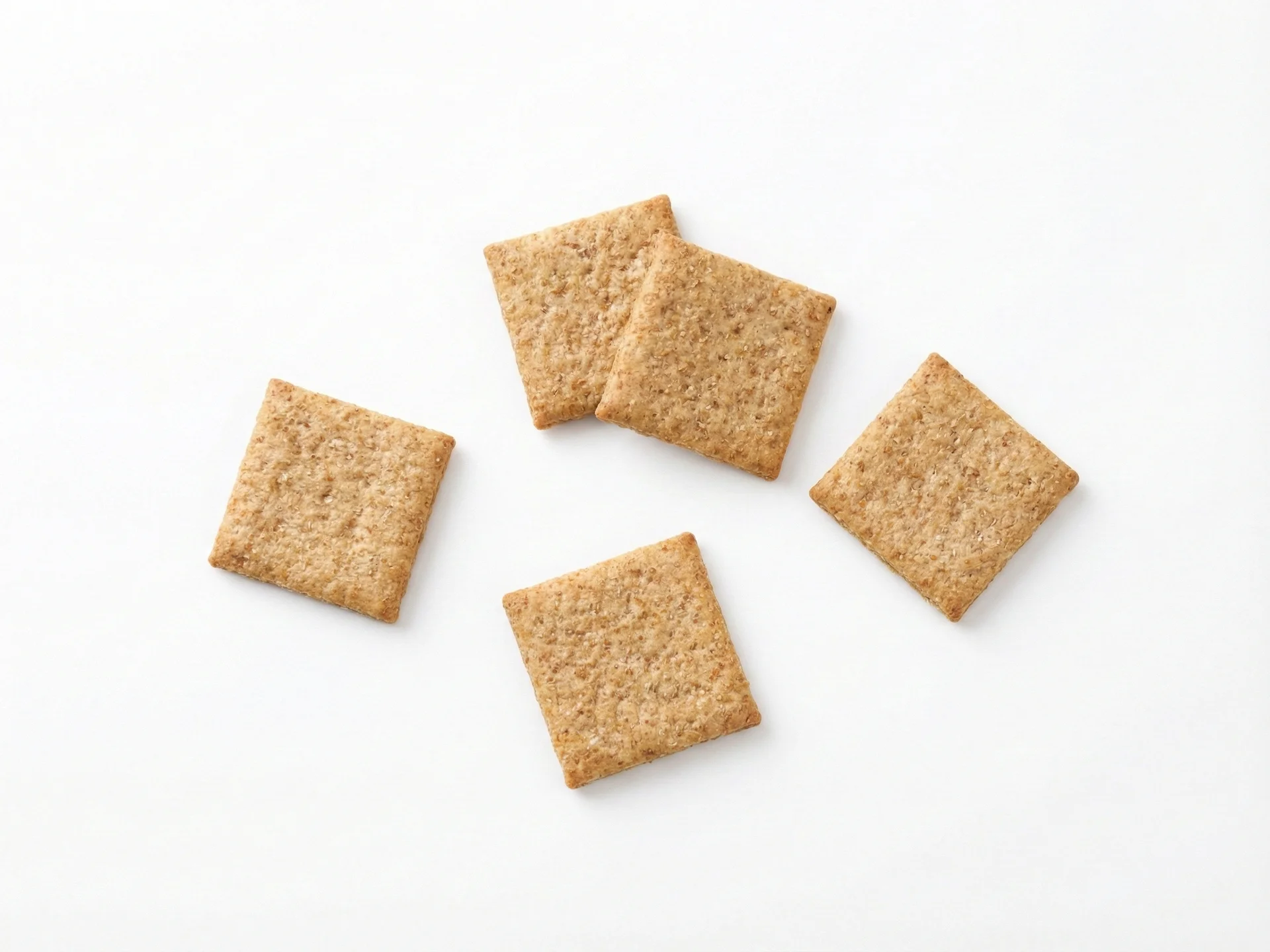
Toddlers can enjoy a wider variety of wheat foods, including whole wheat crackers, sandwiches, and more complex dishes. Focus on whole grain options for added nutrition and continue to avoid overly hard or sticky textures that might pose choking risks.12 months +

Toddlers can enjoy a wider variety of wheat foods, including whole wheat crackers, sandwiches, and more complex dishes. Focus on whole grain options for added nutrition and continue to avoid overly hard or sticky textures that might pose choking risks.

  • Introduce whole wheat crackers or dry cereals as snacks.
  • Use wheat in family meals like whole wheat pasta dishes.
  • Monitor portion sizes to balance with other food groups.
  • Encourage drinking water with wheat meals to aid digestion.
  • Be mindful of added sugars in processed wheat products.

Safety & allergens

Choking risk: Low

Wheat products like soft-cooked grains, pasta, or cereals pose a low choking risk when prepared appropriately. Always ensure grains are fully cooked until soft and mushy for younger babies, and avoid serving dry, hard wheat products like crackers or bread crusts until your baby has more chewing skills.

Common allergen

Wheat allergy affects about 0.4% to 1% of children, making it one of the more common food allergies in early childhood3.

Watch for symptoms:

  • Hives
  • Swelling
  • Digestive upset
  • Difficulty breathing
  • Eczema flare-ups

Introduce wheat in a small amount initially, such as a teaspoon of iron-fortified infant cereal mixed with breast milk or formula, and watch for any reactions over the next few days4. If there's no family history of wheat allergy or celiac disease, you can gradually increase the amount. Always consult your pediatrician if you have concerns about allergies or notice any symptoms.

Vitamins & minerals

Wheat is a good source of B vitamins, which play a key role in energy metabolism and supporting your baby's developing nervous system1. It also contains minerals like iron, essential for healthy blood and cognitive development2, and zinc, which supports immune function and growth5. The fiber in whole wheat can aid in digestion, but introduce it gradually to avoid tummy upset.

Vitamins
Vitamin B1Vitamin B2Vitamin B3Vitamin B5Vitamin B6Vitamin B9
Minerals
IronMagnesiumPhosphorusZincManganeseSelenium

Nutritional synergy

Pairing wheat with vitamin C-rich foods like fruits or vegetables can enhance iron absorption from the grain, helping your baby get the most nutritional benefit6.

Common questions

What's the best way to start introducing wheat to my baby?

Begin with a small amount of iron-fortified infant wheat cereal mixed to a thin, smooth consistency with breast milk, formula, or water. This allows you to monitor for any allergic reactions while providing an easy-to-digest first food. Gradually thicken the texture as your baby gets used to it.

Can I give my baby whole wheat products, or should I stick to refined wheat?

Both can be introduced, but start with refined wheat products like infant cereal or white pasta, as they're easier to digest. Once your baby tolerates it well, you can slowly introduce whole wheat options for added fiber and nutrients, watching for any digestive changes like gas or constipation.

What if my baby seems gassy or constipated after eating wheat?

Some babies may experience mild digestive adjustments when first trying wheat due to its fiber content. Offer smaller portions and ensure adequate hydration. If symptoms persist or worsen, consult your pediatrician to rule out sensitivities.

Sources & references

  1. 1Kennedy, D.O., 2016. B Vitamins and the Brain: Mechanisms, Dose and Efficacy—A Review. Nutrients, 8(2), p.68.
  2. 2Lozoff, B., 2007. Iron deficiency and child development. Food and Nutrition Bulletin, 28(4_suppl4), pp.S560-S571.
  3. 3Sicherer, S.H. and Sampson, H.A., 2014. Food allergy: Epidemiology, pathogenesis, diagnosis, and treatment. Journal of Allergy and Clinical Immunology, 133(2), pp.291-307.
  4. 4Fleischer, D.M., et al., 2013. Primary prevention of allergic disease through nutritional interventions. Journal of Allergy and Clinical Immunology: In Practice, 1(1), pp.29-36.
  5. 5Wessels, K.R. and Brown, K.H., 2012. Estimating the global prevalence of zinc deficiency: results based on zinc availability in national food supplies and the prevalence of stunting. PloS one, 7(11), p.e50568.
  6. 6Teucher, B., Olivares, M. and Cori, H., 2004. Enhancers of iron absorption: ascorbic acid and other organic acids. International Journal for Vitamin and Nutrition Research, 74(6), pp.403-419.