Lobster

Protein

Lobster

Lobster is a delicious, lean protein that offers a unique flavor experience for your baby. It's packed with essential nutrients like vitamin B12, which supports healthy brain development1, and zinc, important for immune function2. The firm, slightly sweet meat can be a fun new texture for babies exploring solid foods.

PPippin Feeding TeamReviewed by feeding specialists · Updated July 2026
First age12m+
CategoryProtein
Common allergenYes
Choking riskMedium

When can babies eat Lobster?

Lobster can be introduced around 12 months, once your baby is comfortably eating other solid foods. It's best to wait until this age because shellfish allergies can be serious, and introducing later allows you to watch for reactions more easily.

Storage tip

Store fresh, cooked lobster in an airtight container in the refrigerator for up to 2 days. For longer storage, remove the meat from the shell and freeze in small portions for up to 2 months.

How to serve Lobster by age

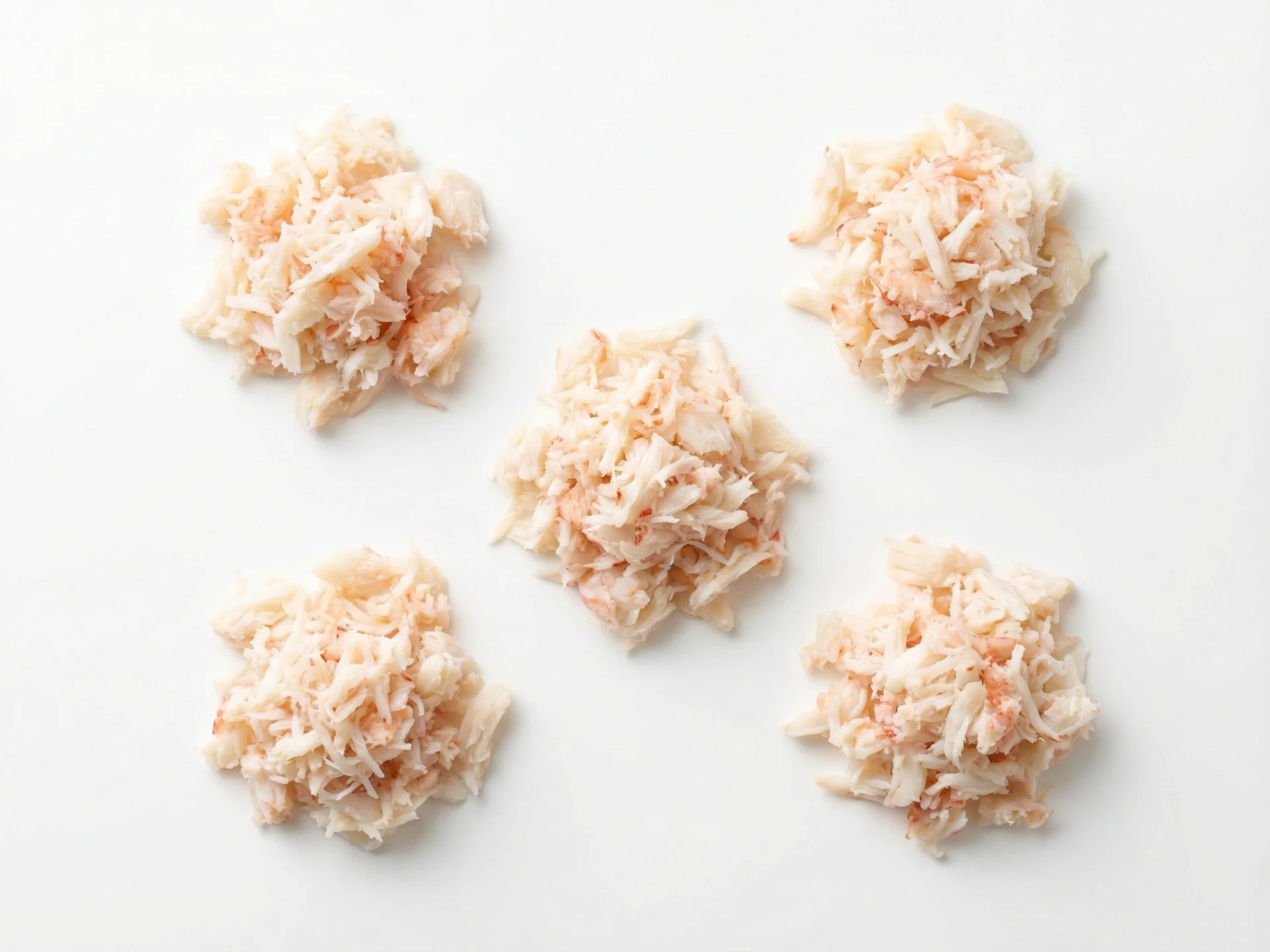
For babies 12-18 months, finely shred cooked lobster meat into tiny, manageable pieces. Mix with mashed avocado or yogurt to add moisture and make it easier to swallow. Serve in small portions to monitor for allergic reactions.12 to 18 months

For babies 12-18 months, finely shred cooked lobster meat into tiny, manageable pieces. Mix with mashed avocado or yogurt to add moisture and make it easier to swallow. Serve in small portions to monitor for allergic reactions.

  • Remove every bit of shell—check carefully
  • Shred against the grain for tender pieces
  • Mix with a soft food like sweet potato
  • Offer just 1-2 teaspoons initially
  • Serve at room temperature to preserve texture
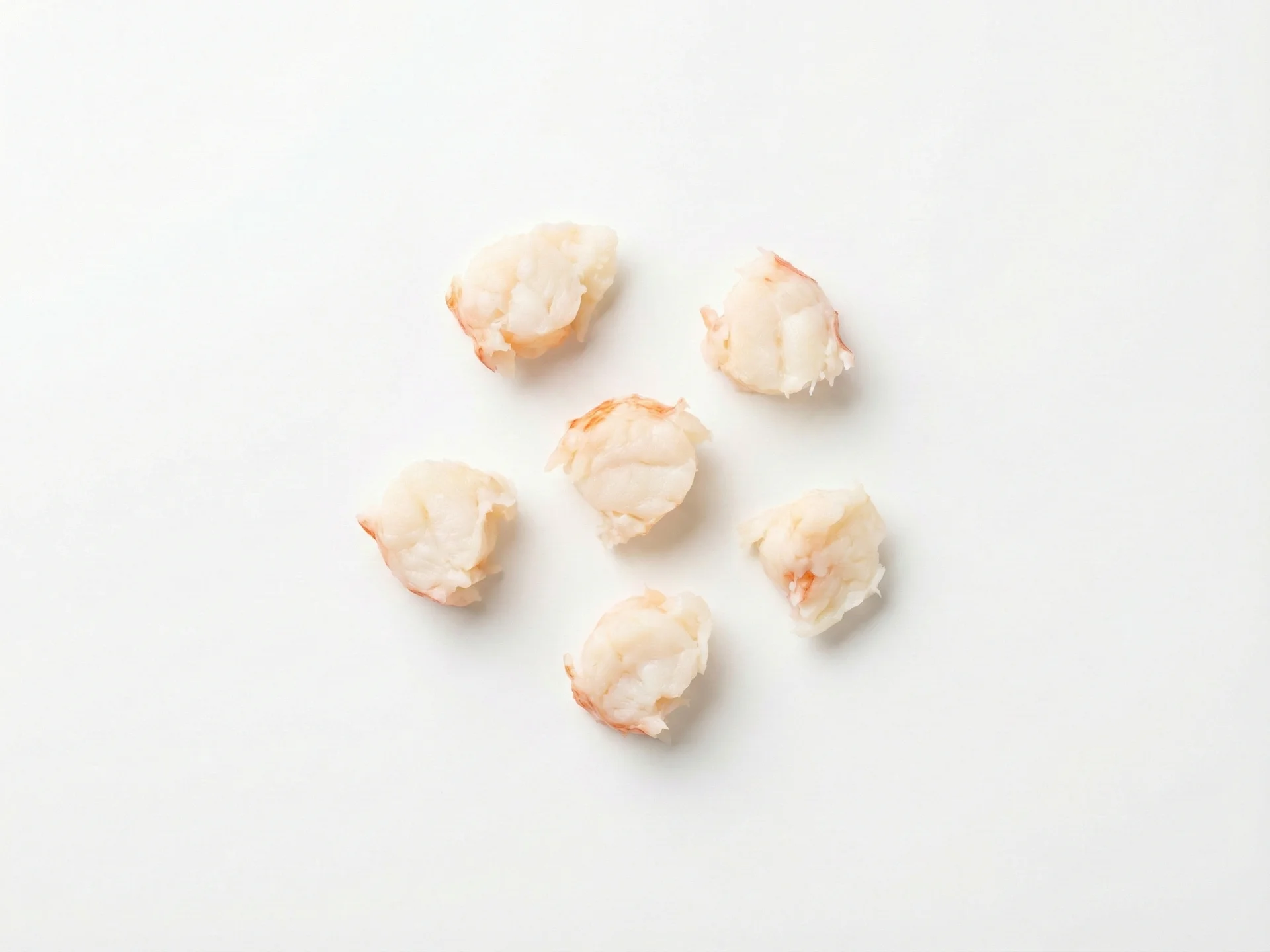
For toddlers 18 months and up, you can offer small, bite-sized pieces of lobster meat that they can pick up themselves. Ensure pieces are no larger than pea-sized and still tender. Lobster can be incorporated into mixed dishes like pasta or rice.18 months +

For toddlers 18 months and up, you can offer small, bite-sized pieces of lobster meat that they can pick up themselves. Ensure pieces are no larger than pea-sized and still tender. Lobster can be incorporated into mixed dishes like pasta or rice.

  • Cut into pea-sized cubes
  • Combine with cooked vegetables in a stir-fry
  • Avoid tough claw meat—use tail meat
  • Skip rich sauces and butter
  • Always supervise during meals

Safety & allergens

Choking risk: Medium

Lobster meat can be firm and chewy, posing a moderate choking risk if not prepared properly. Always remove all shell fragments completely, and for younger babies, finely chop or shred the meat to avoid large, tough pieces. Supervise your baby closely during meals.

Common allergen

Shellfish allergies, including to lobster, affect about 0.5-2% of the population, with reactions often starting in childhood3.

Watch for symptoms:

  • Hives
  • Swelling
  • Vomiting
  • Difficulty breathing
  • Wheezing

Introduce a very small amount (like 1/4 teaspoon) of well-cooked lobster and watch for any reactions for 2-3 days4. If there's no reaction, you can gradually increase the amount. Always consult your pediatrician before introducing shellfish, especially if there's a family history of allergies.

Vitamins & minerals

Lobster is an excellent source of vitamin B12, crucial for your baby's nervous system development and red blood cell formation1. It also provides zinc, which supports a healthy immune system and wound healing2, and selenium, an antioxidant that helps protect cells5. The copper in lobster aids in iron absorption and energy production6.

Vitamins
Vitamin B12Vitamin B3Vitamin B6Vitamin B5Vitamin E
Minerals
CopperZincSeleniumPhosphorusMagnesium

Nutritional synergy

Pair lobster with vitamin C-rich foods like bell peppers or oranges, as vitamin C enhances the absorption of iron from the meat7, helping support your baby's growth.

Common questions

How do I prepare lobster safely for my baby?

Always cook lobster thoroughly until the meat is opaque and firm to kill any bacteria. Remove ALL shell pieces—even tiny fragments can be a choking hazard. For babies under 12 months, finely chop or shred the meat; for toddlers, you can offer small, bite-sized pieces.

What if my baby has a reaction to lobster?

Stop feeding immediately and contact your pediatrician or seek emergency care if symptoms like hives, swelling, or breathing difficulties occur. For mild reactions like a rash, note it down and discuss with your doctor before trying again.

Can I use canned or frozen lobster for baby food?

Yes, but opt for plain, cooked lobster without added salt, butter, or sauces. Rinse canned lobster to reduce sodium, and ensure frozen lobster is fully thawed and reheated before serving to your baby.

Sources & references

  1. 1NIH Office of Dietary Supplements, 2024
  2. 2NIH Office of Dietary Supplements, 2024
  3. 3Sicherer et al., 2014
  4. 4American Academy of Pediatrics, 2020
  5. 5NIH Office of Dietary Supplements, 2024
  6. 6NIH Office of Dietary Supplements, 2024
  7. 7Lynch et al., 2018