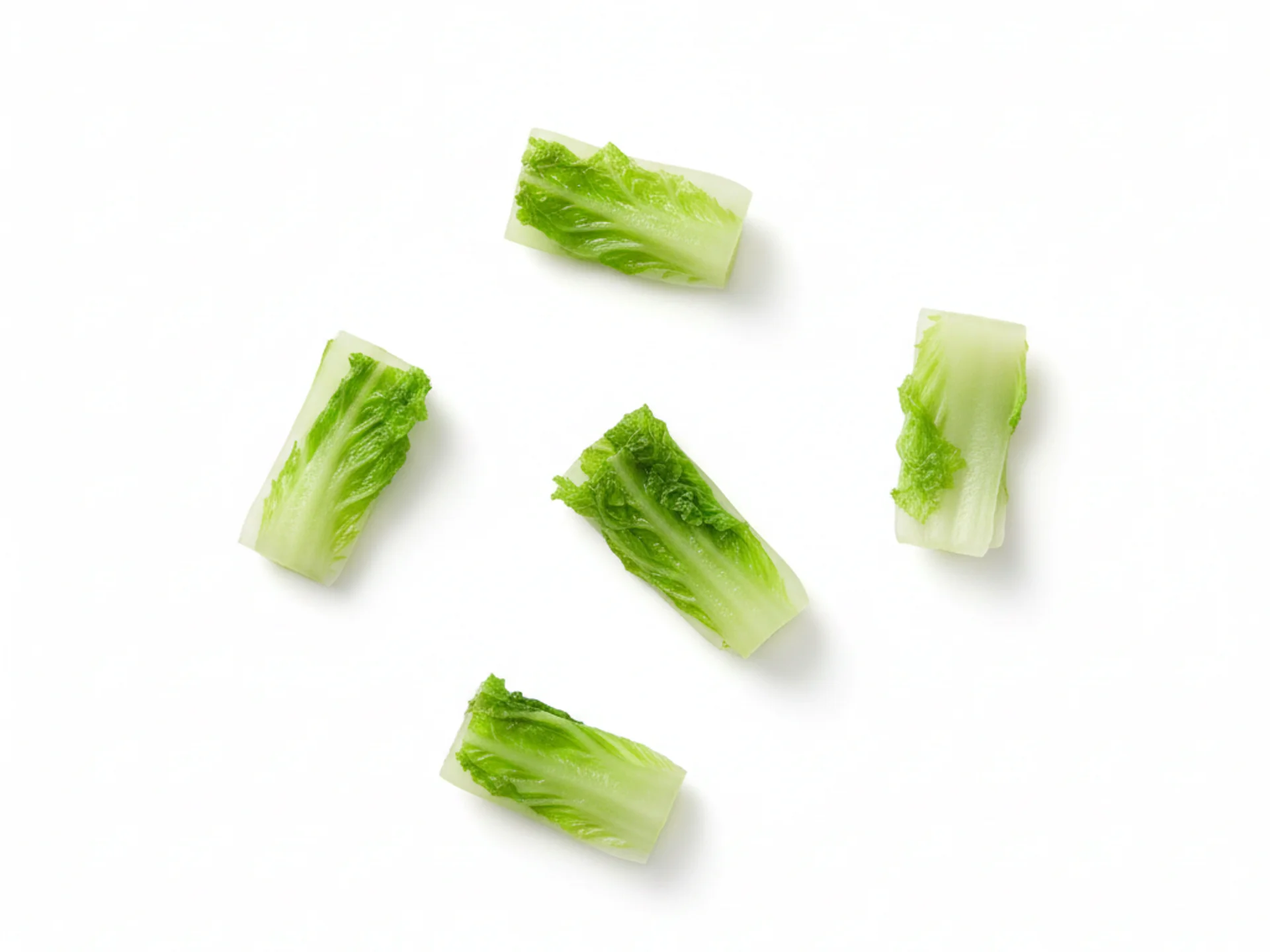
Chinese cabbage

Vegetable

Chinese cabbage

Chinese cabbage is a wonderful first vegetable for your baby! It has a mild, slightly sweet flavor that many babies enjoy, and its soft texture makes it easy to prepare. This leafy green is packed with nutrients that support your baby's growth and development, including Vitamin C for immune health1 and Vitamin K for healthy blood clotting2.

PPippin Feeding TeamReviewed by feeding specialists · Updated July 2026
First age6m+
CategoryVegetable
Common allergenNo
Choking riskLow

When can babies eat Chinese cabbage?

You can introduce Chinese cabbage around 6 months when your baby starts solids, as it's easy to digest and unlikely to cause allergies.

Storage tip

Store whole Chinese cabbage in a plastic bag in the refrigerator crisper drawer for up to 1-2 weeks. Once cooked and pureed, it can be frozen in ice cube trays for up to 2 months.

How to serve Chinese cabbage by age

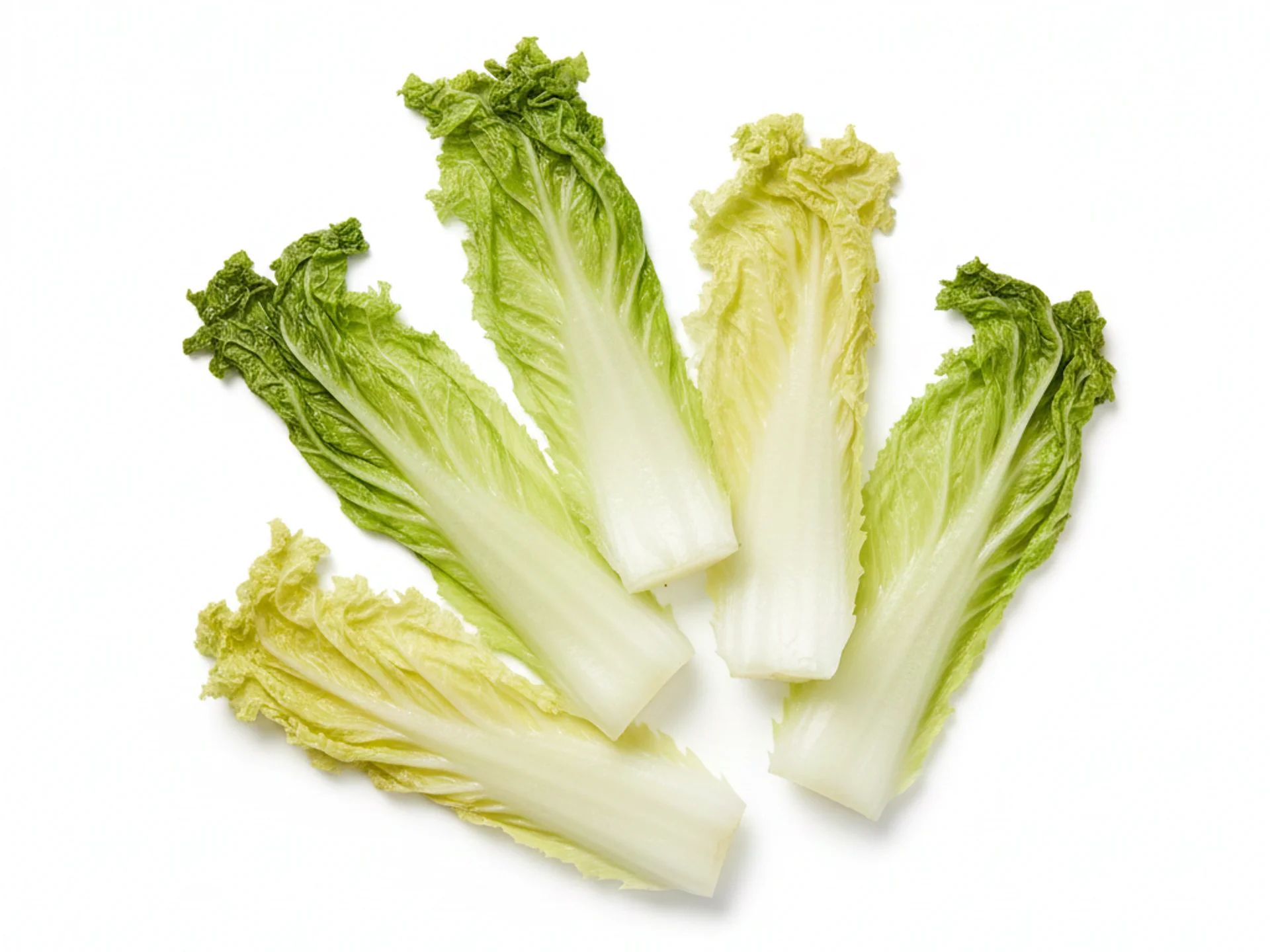
For babies 6-9 months, steam or boil Chinese cabbage leaves until very soft and tender (about 8-10 minutes). Serve whole leaves or large strips that your baby can easily grasp with their fist. The stem should be soft enough to mash between your fingers.6 to 9 months

For babies 6-9 months, steam or boil Chinese cabbage leaves until very soft and tender (about 8-10 minutes). Serve whole leaves or large strips that your baby can easily grasp with their fist. The stem should be soft enough to mash between your fingers.

  • Remove any tough central ribs before cooking
  • Test softness by pressing between your fingers - it should mash easily
  • Serve at room temperature to avoid burns
  • Offer large pieces (about the size of your finger) for easy grasping
  • Mix with a favorite puree if needed for acceptance
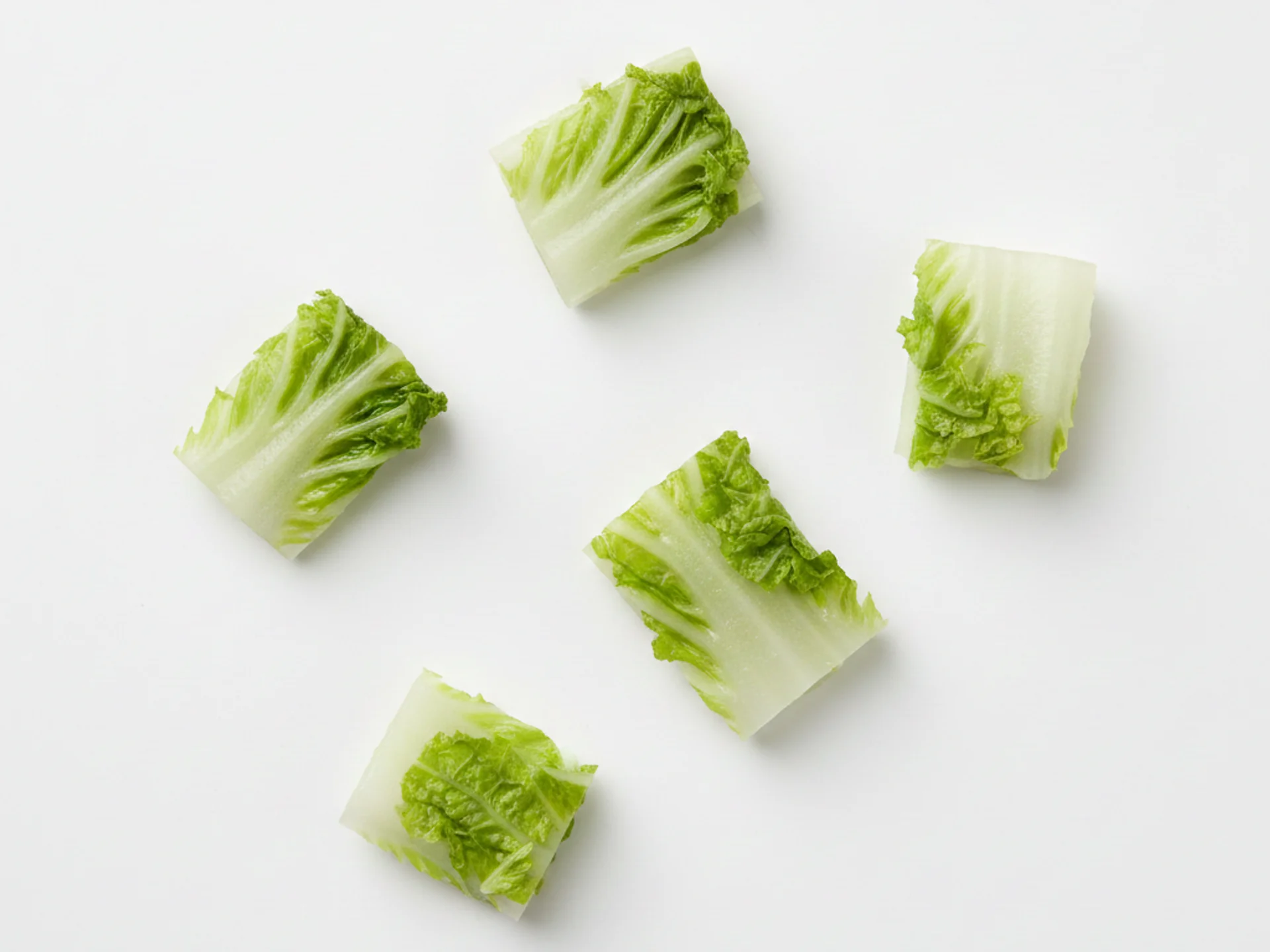
For babies 9-12 months, cook Chinese cabbage until soft but slightly firmer than for younger babies. Cut into bite-sized pieces (about 1/2 inch) that your baby can practice picking up with their developing pincer grasp. You can also incorporate it into mixed dishes.9 to 12 months

For babies 9-12 months, cook Chinese cabbage until soft but slightly firmer than for younger babies. Cut into bite-sized pieces (about 1/2 inch) that your baby can practice picking up with their developing pincer grasp. You can also incorporate it into mixed dishes.

  • Chop into small, manageable pieces after cooking
  • Combine with other soft foods like rice or beans
  • Try lightly sautéing with a small amount of olive oil
  • Include in soups or stews where it becomes very tender
  • Offer both as a standalone vegetable and mixed with other foods
For toddlers 12 months and up, Chinese cabbage can be served cooked to desired tenderness or raw in small amounts. Incorporate it into family meals like stir-fries, soups, or salads. Continue to monitor chewing and cut into age-appropriate sizes.12 months +

For toddlers 12 months and up, Chinese cabbage can be served cooked to desired tenderness or raw in small amounts. Incorporate it into family meals like stir-fries, soups, or salads. Continue to monitor chewing and cut into age-appropriate sizes.

  • Introduce raw, finely shredded cabbage in small quantities
  • Include in family stir-fries with other vegetables
  • Add to soups during the last few minutes of cooking
  • Use as a wrap for other fillings like ground meat or beans
  • Encourage self-feeding with child-safe utensils

Safety & allergens

Choking risk: Low

Chinese cabbage has a low choking risk when properly prepared. For young babies, always cook until very soft and puree or mash thoroughly. For older babies, cook until tender and cut into small, manageable pieces to prevent any choking hazards.

Not a common allergen

Chinese cabbage is not a top allergen. As with any new food, offer it on its own and watch for any reaction.

Vitamins & minerals

Chinese cabbage provides excellent nutrition for growing babies. It's rich in Vitamin C, which helps boost the immune system and enhances iron absorption1. The Vitamin K supports bone health and proper blood clotting2, while the folate (Vitamin B9) is crucial for cell growth and development3. It also contains calcium for strong bones and potassium for healthy muscle function.

Vitamins
Vitamin CVitamin KVitamin AVitamin B9
Minerals
CalciumPotassiumIronManganese

Nutritional synergy

Pair Chinese cabbage with iron-rich foods like lentils or beef, as the Vitamin C in the cabbage helps your baby absorb iron more effectively1.

Common questions

How do I select a good Chinese cabbage for my baby?

Look for firm, crisp heads with bright green leaves and no signs of wilting or yellowing. Smaller heads tend to be more tender and sweeter, which babies often prefer.

What if my baby doesn't like the taste at first?

It's completely normal! Babies often need 10-15 exposures to accept new flavors. Try mixing a small amount with foods your baby already enjoys, like sweet potato or applesauce, and keep offering without pressure.

Can Chinese cabbage cause gas or digestive issues?

Like many cruciferous vegetables, Chinese cabbage contains fiber that can sometimes cause mild gas. Start with small amounts and cook it thoroughly to make it easier to digest. If you notice discomfort, reduce the portion size and try again in a few days.

Sources & references

  1. 1Carr & Maggini, 2017
  2. 2Shearer & Newman, 2014
  3. 3Bailey et al., 2015