Rice

Grain

Rice

Rice is a wonderful first food for babies because it's gentle on tiny tummies and has a mild flavor that most little ones enjoy. It's packed with B vitamins that help your baby's body turn food into energy1 and provides important minerals like iron for healthy blood cells2. The soft, easy-to-swallow texture makes it a comforting choice as you start your solid food journey together.

PPippin Feeding TeamReviewed by feeding specialists · Updated January 2026
First age6m+
CategoryGrain
Common allergenNo
Choking riskLow

When can babies eat Rice?

Rice can be introduced around 6 months when your baby shows signs of readiness for solids, like sitting up with support and showing interest in food.

Storage tip

Store uncooked rice in a cool, dry place for up to a year. Cooked rice should be refrigerated and used within 3-4 days, or frozen for up to 2 months.

How to serve Rice by age

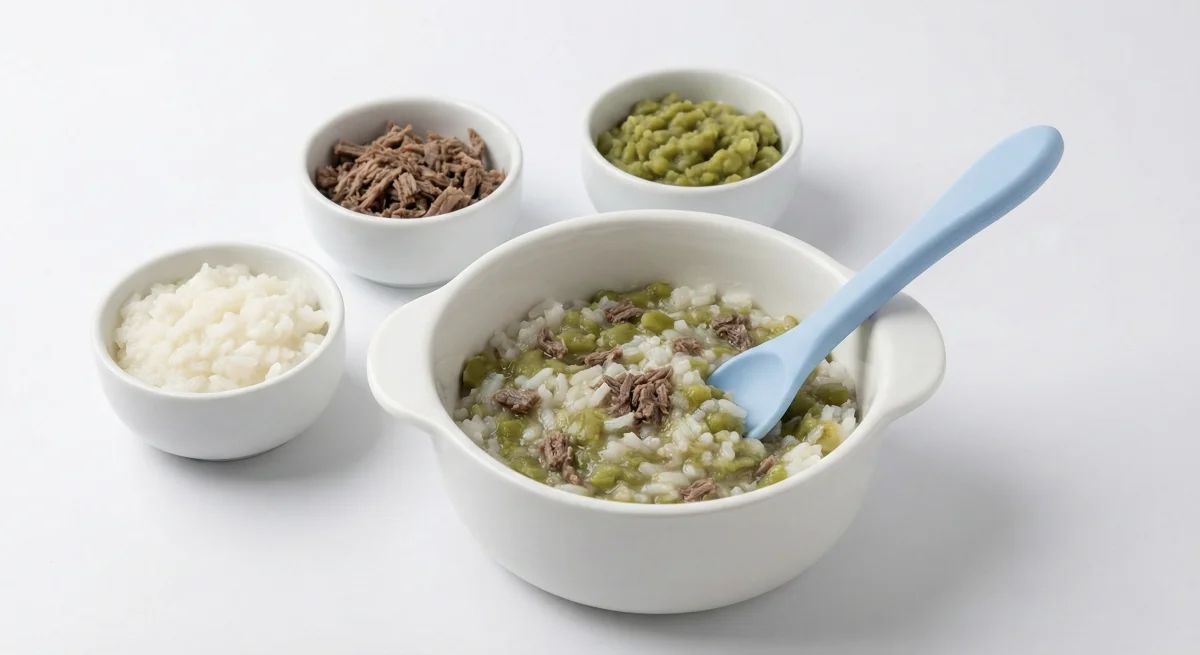
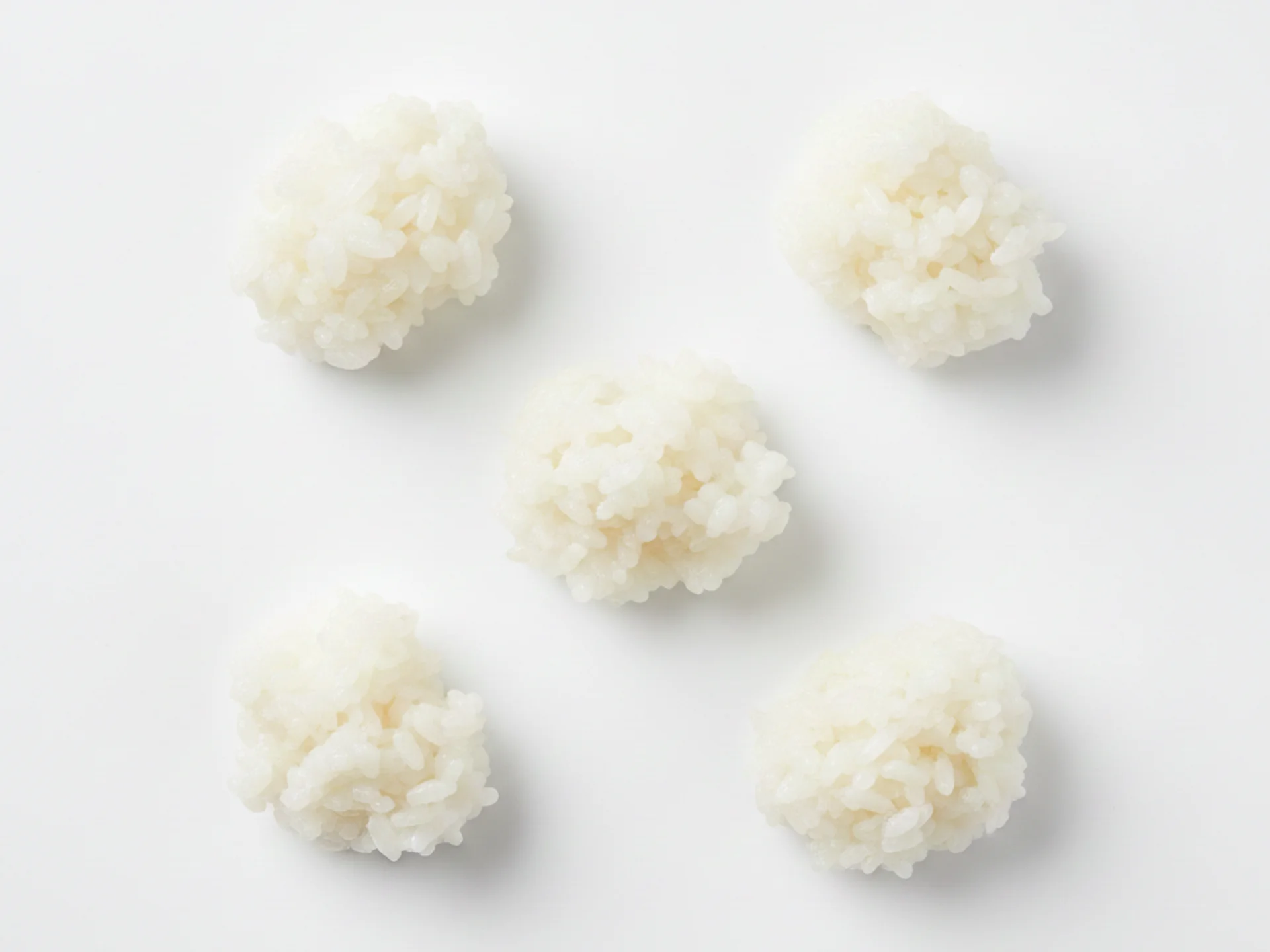
For babies 6-9 months, cook rice until very soft and mushy, almost porridge-like in consistency. Serve it in small, sticky clumps or mixed into purees to make it easier to pick up and swallow. Avoid loose grains that could pose a choking hazard.6 to 9 months

For babies 6-9 months, cook rice until very soft and mushy, almost porridge-like in consistency. Serve it in small, sticky clumps or mixed into purees to make it easier to pick up and swallow. Avoid loose grains that could pose a choking hazard.

  • Use white rice for easier digestion
  • Cook with extra water to achieve a soft texture
  • Mix with breast milk or formula to add moisture
  • Form into small, graspable balls
  • Always supervise closely during meals
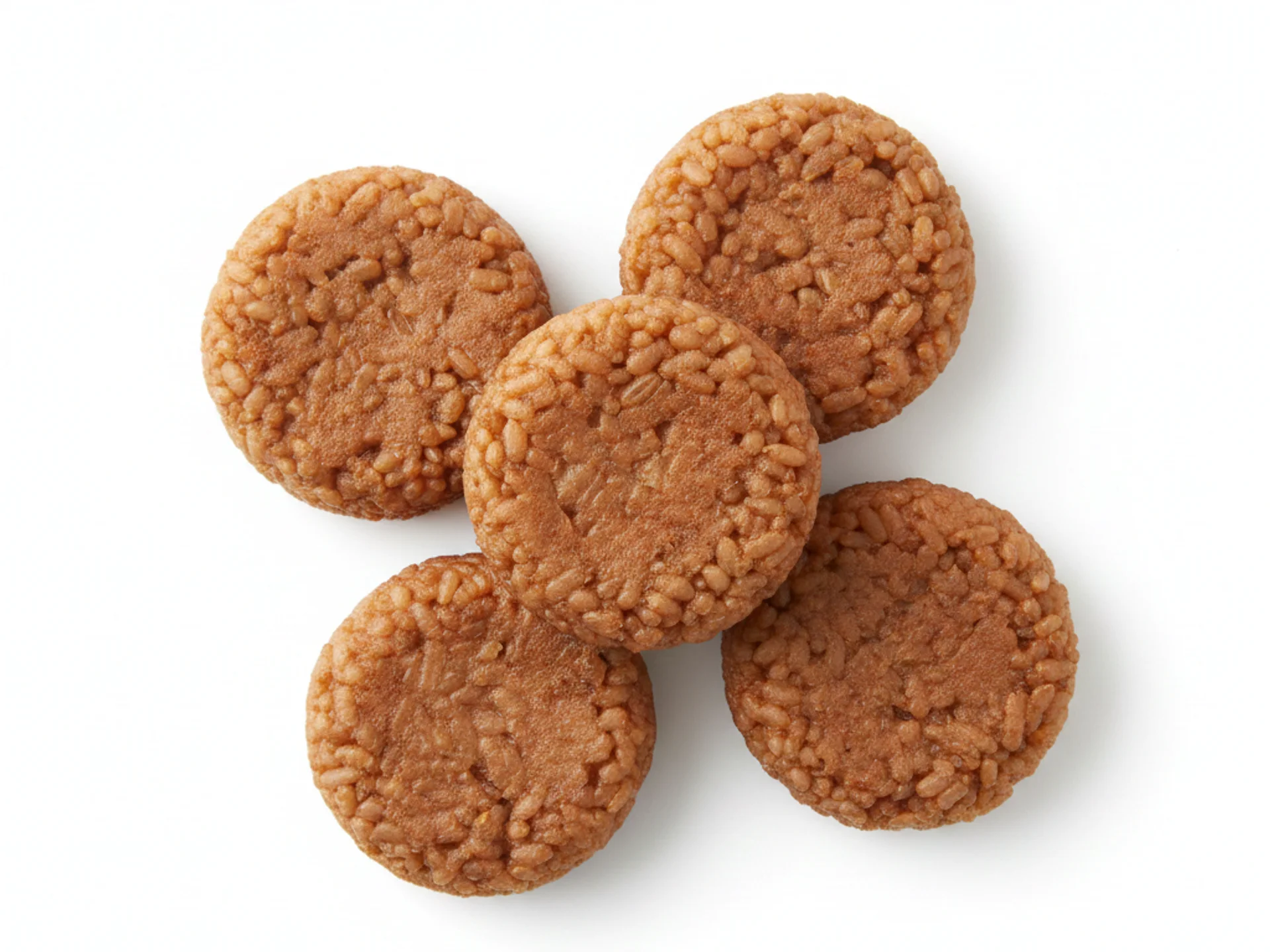
As your baby develops better chewing skills, you can offer slightly firmer rice, but still ensure it's well-cooked and soft. Introduce brown rice for added fiber and nutrients, and serve it in dishes like rice cakes or mixed with vegetables.9 to 12 months

As your baby develops better chewing skills, you can offer slightly firmer rice, but still ensure it's well-cooked and soft. Introduce brown rice for added fiber and nutrients, and serve it in dishes like rice cakes or mixed with vegetables.

  • Gradually introduce brown rice
  • Combine rice with soft-cooked veggies for variety
  • Use rice as a base for finger foods like patties
  • Encourage self-feeding with a spoon
  • Monitor for any digestive changes
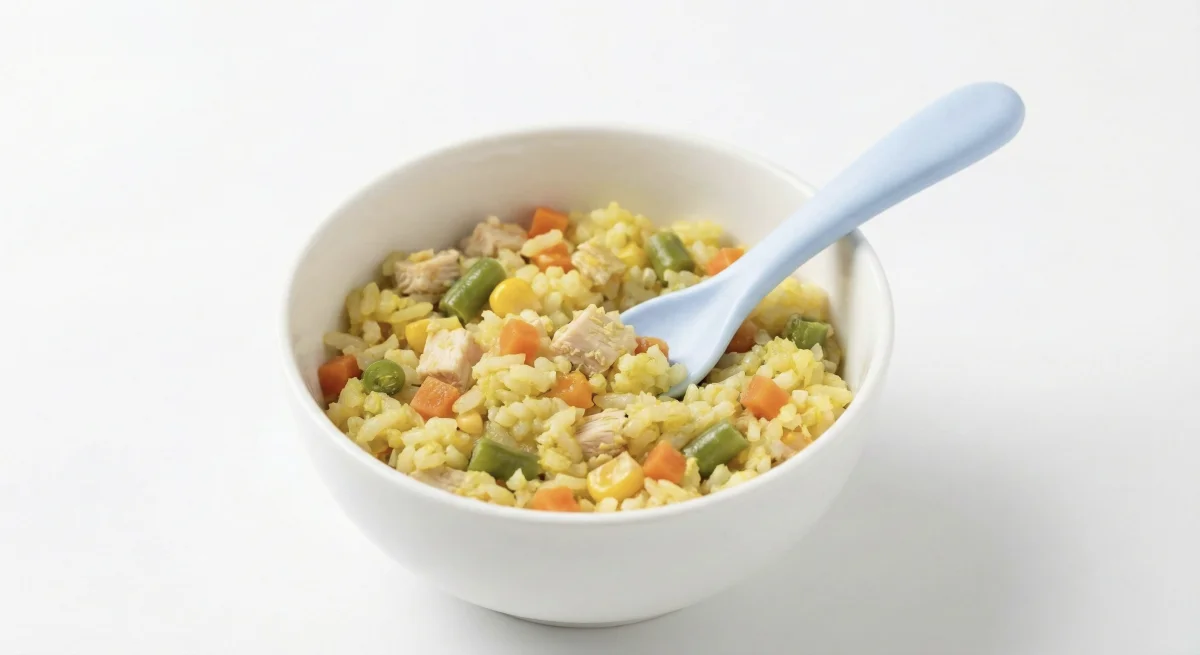
For toddlers 12 months and up, rice can be served in more diverse forms, such as in stir-fries, salads, or as a side dish. Ensure it's cooked to a safe texture but can be more separate, and continue to avoid undercooked or dry grains.12 months +

For toddlers 12 months and up, rice can be served in more diverse forms, such as in stir-fries, salads, or as a side dish. Ensure it's cooked to a safe texture but can be more separate, and continue to avoid undercooked or dry grains.

  • Experiment with different rice varieties like basmati or jasmine
  • Include rice in family meals to model eating
  • Teach proper chewing with firmer textures
  • Offer rice with protein sources like beans or chicken
  • Maintain variety to prevent picky eating

Safety & allergens

Choking risk: Low

Rice is naturally soft when cooked, making it a low choking risk. For extra safety, make sure it's well-cooked and mushy for younger babies. Avoid serving rice that's too dry or sticky, and always supervise your baby during meals.

Not a common allergen

Rice is not a top allergen. As with any new food, offer it on its own and watch for any reaction.

Vitamins & minerals

Rice provides B vitamins that help your baby's body convert food into energy for growth and development1. The iron in rice supports healthy red blood cell formation2, while magnesium contributes to bone health3. These nutrients work together to give your little one a nutritious start to solid foods.

Vitamins
Vitamin B1Vitamin B3Vitamin B5Vitamin B6Vitamin B9
Minerals
ManganeseMagnesiumPhosphorusSeleniumIron

Nutritional synergy

Pair rice with vitamin C-rich foods like bell peppers or tomatoes to help your baby absorb the iron better4. This combination makes both nutrients more available for your baby's growing body.

Common questions

Should I choose white rice or brown rice for my baby?

Both are fine options! White rice is easier to digest and has a milder flavor that babies often prefer. Brown rice has more fiber and nutrients but can be harder for little tummies to process. Start with white rice and introduce brown rice gradually after 8-9 months.

How can I make rice easier for my baby to eat?

Cook rice with extra water until it's very soft and mushy. For younger babies, you can blend it into a smooth puree. As your baby gets older, you can make it slightly thicker. Adding a little breast milk, formula, or water can help achieve the right consistency.

My baby seems constipated after eating rice. What should I do?

Rice can be binding for some babies. Try offering more water or breast milk/formula with meals, and pair rice with fruits like prunes or pears that have natural fiber. If constipation continues, consult your pediatrician for personalized advice.

Sources & references

  1. 1Kennedy D.O., 2016
  2. 2Abbaspour N. et al., 2014
  3. 3Rude R.K. et al., 2009
  4. 4Lynch S.R., 2000