Cabbage

Vegetable

Cabbage

Cabbage is a wonderful first vegetable for your baby, offering a mild, slightly sweet flavor that many little ones enjoy. It's packed with nutrients that support healthy growth, including vitamin C for immune function1 and vitamin K for bone health2. The fiber in cabbage can also help promote regular digestion, which is especially helpful as your baby adjusts to solid foods3.

PPippin Feeding TeamReviewed by feeding specialists · Updated January 2026
First age6m+
CategoryVegetable
Common allergenNo
Choking riskLow

When can babies eat Cabbage?

Cabbage can be introduced around 6 months of age, once your baby is showing signs of readiness for solids. It's a great vegetable to include in early meals alongside other single-ingredient purees.

Storage tip

Store whole cabbage in the refrigerator crisper drawer for up to 2 weeks. Once cut, wrap tightly in plastic wrap and use within a few days. Cooked cabbage puree can be frozen in ice cube trays for up to 2 months.

How to serve Cabbage by age

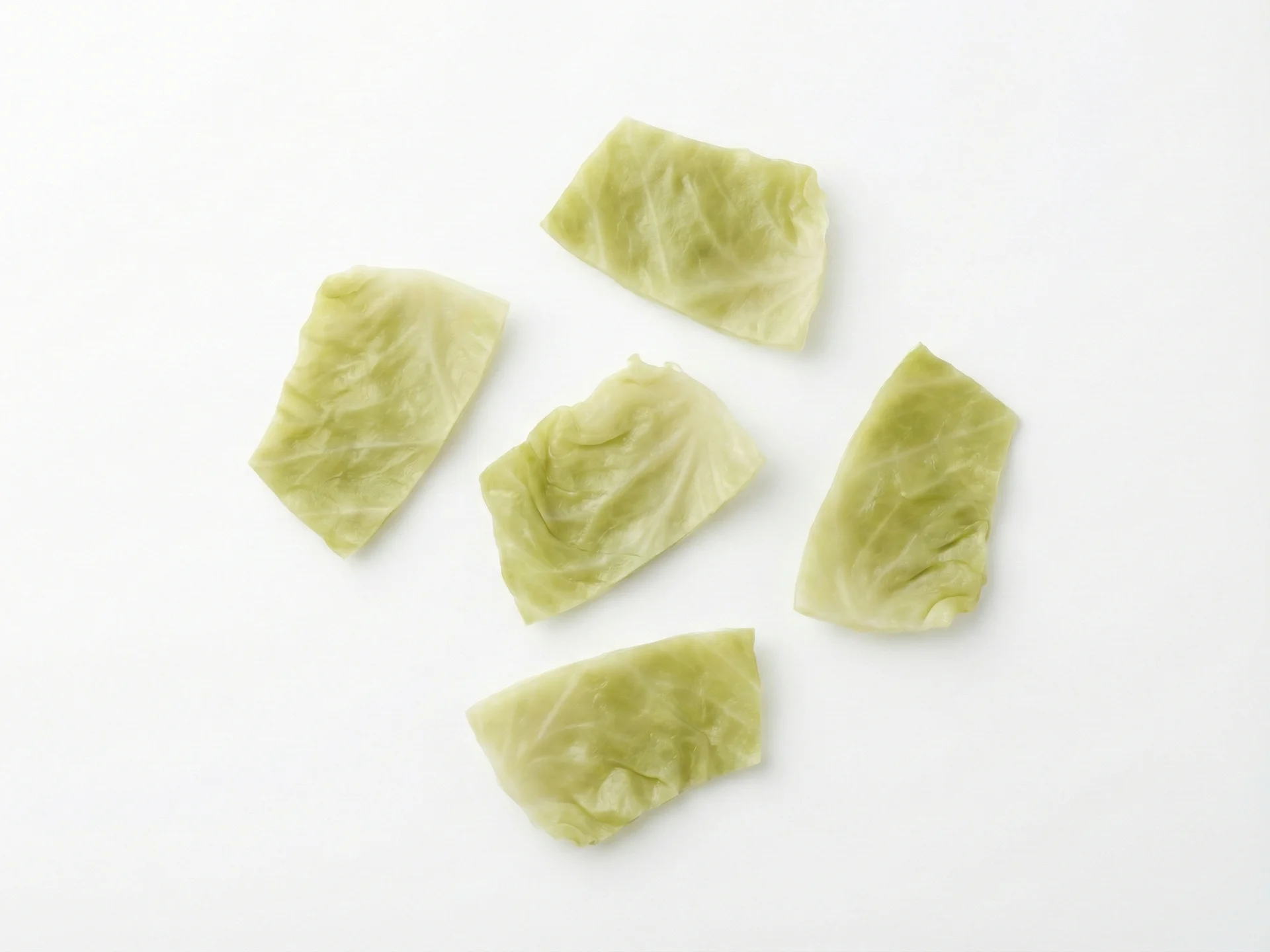
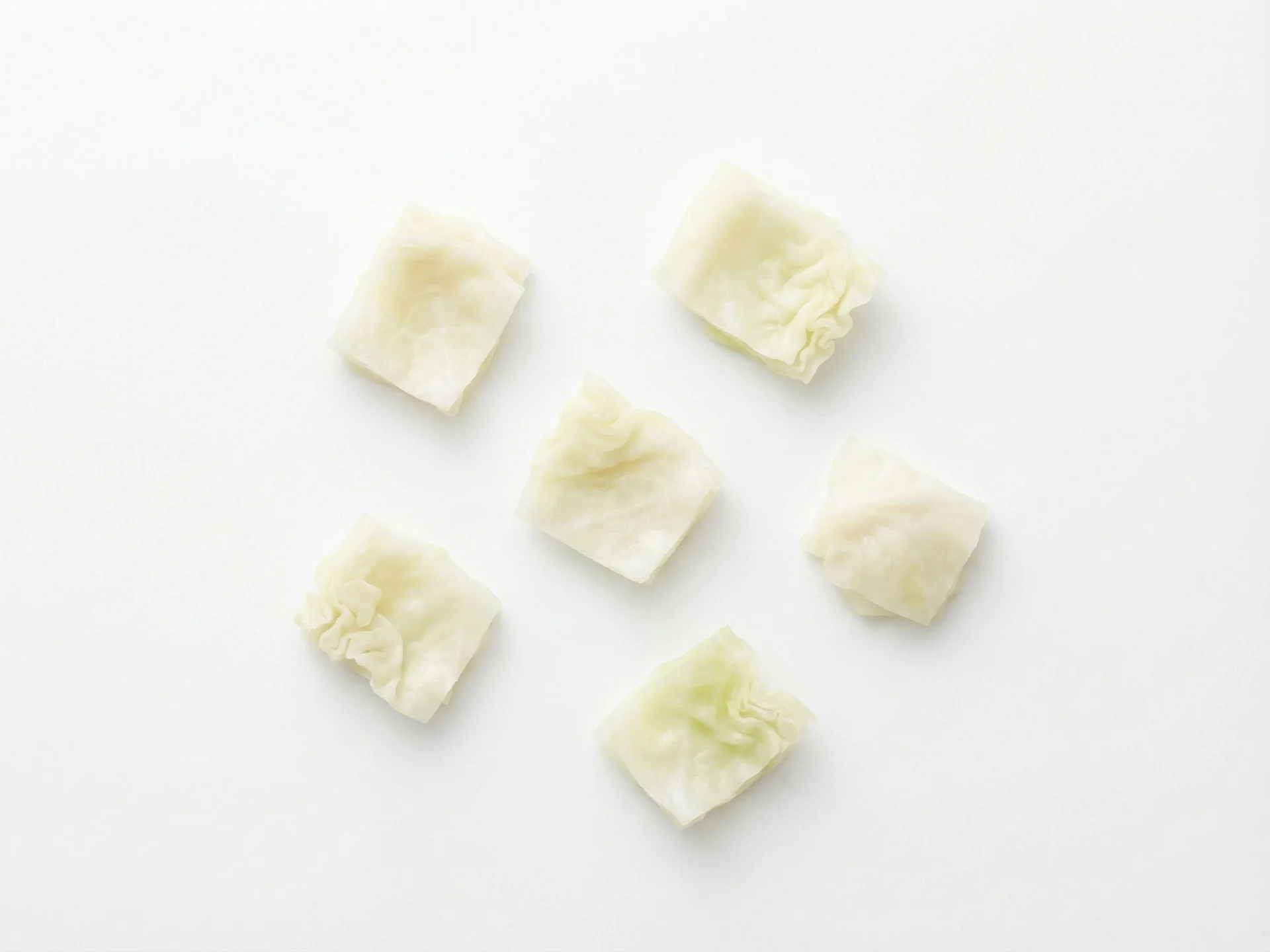
For 6-9 month olds, cook cabbage until very soft and mash or puree it to a smooth consistency. You can mix it with breast milk, formula, or other pureed foods. Alternatively, offer large, flat pieces of well-cooked cabbage that are easy for baby to hold and gum.6 to 9 months

For 6-9 month olds, cook cabbage until very soft and mash or puree it to a smooth consistency. You can mix it with breast milk, formula, or other pureed foods. Alternatively, offer large, flat pieces of well-cooked cabbage that are easy for baby to hold and gum.

  • Steam or boil cabbage until completely soft (15-20 minutes)
  • Mash with a fork or blend into a smooth puree
  • Offer on a pre-loaded spoon for self-feeding
  • Mix with sweet potato or apple puree for added flavor
  • Always test temperature before serving
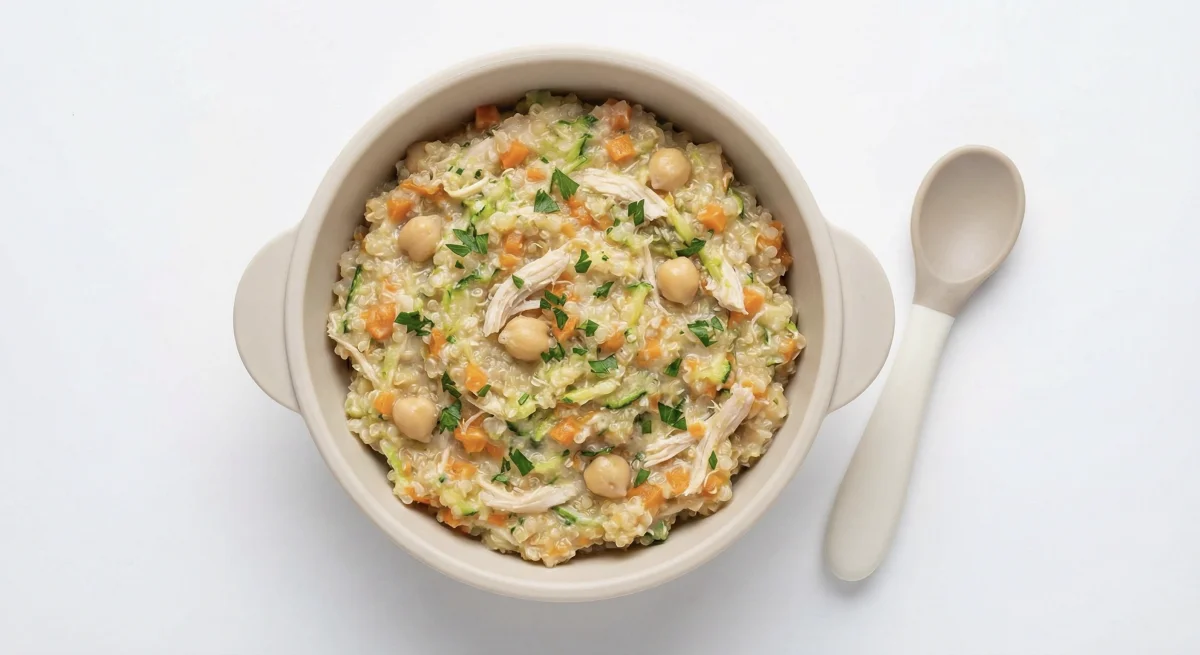
For 9-12 month olds, continue cooking cabbage until soft but you can leave it slightly more textured. Cut into small, bite-sized pieces or offer as part of mixed dishes. Babies at this age can handle more variety in texture.9 to 12 months

For 9-12 month olds, continue cooking cabbage until soft but you can leave it slightly more textured. Cut into small, bite-sized pieces or offer as part of mixed dishes. Babies at this age can handle more variety in texture.

  • Cook until soft but not mushy (10-15 minutes)
  • Cut into pea-sized pieces for pincer grasp practice
  • Mix with grains like quinoa or rice
  • Add to soups or stews for extra nutrition
  • Offer alongside proteins like beans or shredded chicken
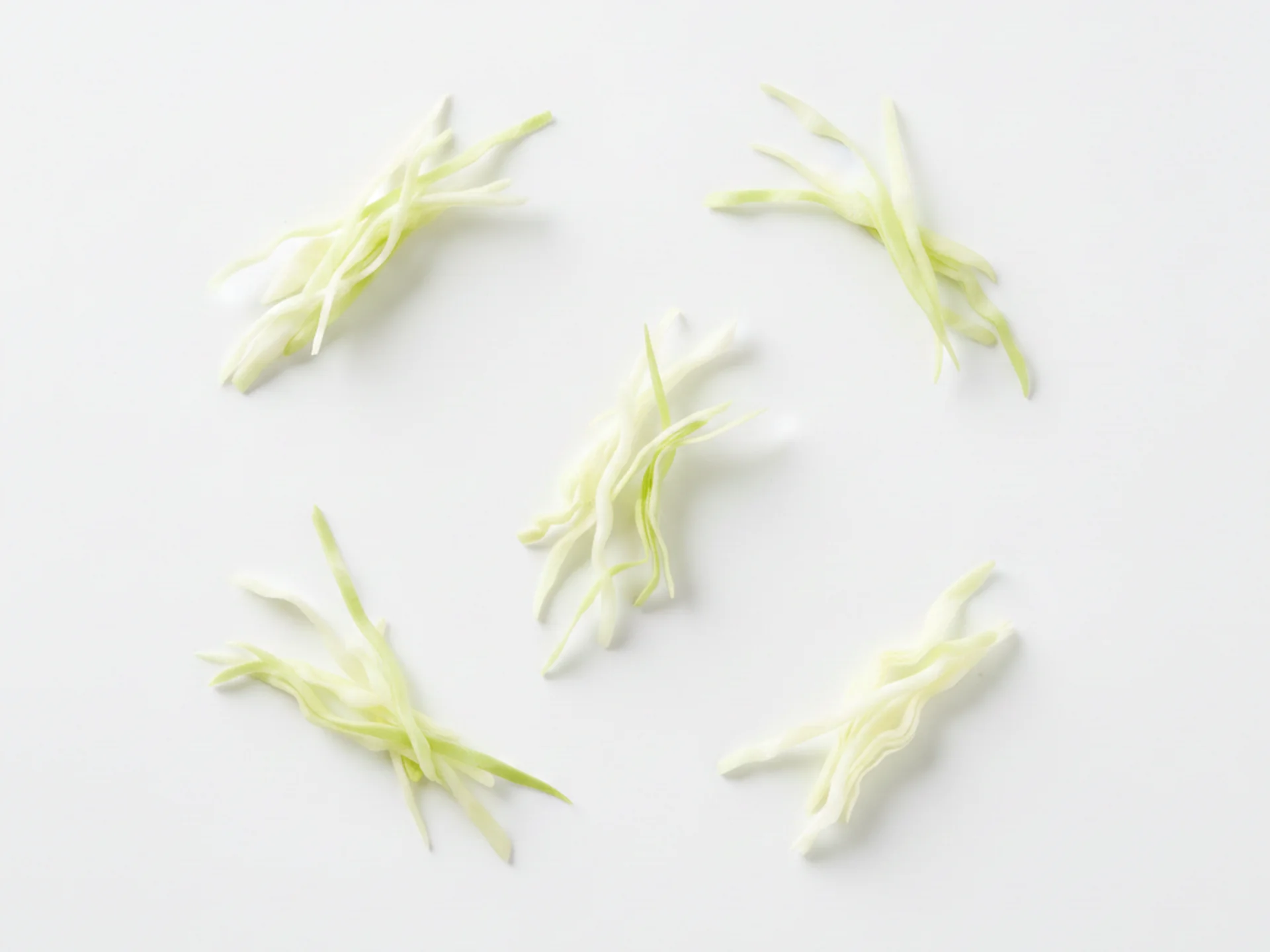
For toddlers 12 months and up, cabbage can be prepared in more varied ways. You can offer finely shredded raw cabbage in salads or slaws, or cooked cabbage in family meals. Continue to ensure it's cut appropriately to prevent choking.12 months +

For toddlers 12 months and up, cabbage can be prepared in more varied ways. You can offer finely shredded raw cabbage in salads or slaws, or cooked cabbage in family meals. Continue to ensure it's cut appropriately to prevent choking.

  • Introduce finely shredded raw cabbage in small amounts
  • Include in stir-fries, soups, and casseroles
  • Cut cooked cabbage into small, manageable pieces
  • Experiment with different types (green, red, savoy)
  • Involve your toddler in washing and tearing cabbage leaves

Safety & allergens

Choking risk: Low

Cabbage has a low choking risk when properly prepared. For young babies, always cook until very soft and puree to a smooth consistency. As your baby grows, you can offer small, soft-cooked pieces that mash easily between your fingers. Avoid raw cabbage until your child is older and has developed chewing skills.

Not a common allergen

Cabbage is not a top allergen. As with any new food, offer it on its own and watch for any reaction.

Vitamins & minerals

Cabbage provides important nutrients for your baby's development. The vitamin C content helps support your baby's immune system1, while vitamin K plays a role in bone health2. The fiber in cabbage can aid digestion and promote regular bowel movements3. Cabbage also contains iron, which is important for healthy blood cells4, and the vitamin C helps enhance iron absorption when paired with iron-rich foods5.

Vitamins
Vitamin CVitamin KVitamin B6Vitamin B9
Minerals
PotassiumManganeseCalciumIron

Nutritional synergy

Pair cabbage with iron-rich foods like lentils or beef to enhance iron absorption, thanks to cabbage's vitamin C content5. The combination makes both nutrients more available to your baby's body.

Common questions

What's the best way to cook cabbage for my baby?

Steaming or boiling until very soft works best for young babies. This makes it easy to puree to a smooth consistency. For older babies, you can roast or sauté cabbage until tender enough to mash with a fork. Always let it cool completely before serving.

My baby seems gassy after eating cabbage. Is this normal?

Yes, this is common! Cabbage contains fiber and natural compounds that can cause gas as your baby's digestive system adjusts. Start with small amounts and gradually increase. The gas usually decreases as your baby's gut gets used to the new food.

Can I mix cabbage with other foods?

Absolutely! Cabbage pairs well with many foods. Try mixing it with apples for natural sweetness, potatoes for creaminess, or carrots for extra nutrients. These combinations can make cabbage more appealing to picky eaters.

Sources & references

  1. 1Carr & Maggini, 2017
  2. 2Weber, 2001
  3. 3Anderson et al., 2009
  4. 4Abbaspour et al., 2014
  5. 5Teucher et al., 2004