Arugula

Vegetable

Arugula

Arugula is a leafy green with a slightly peppery flavor that can introduce your baby to new tastes while providing important nutrients. It's packed with Vitamin K for healthy blood clotting and bone development1, Vitamin A for vision and immune support2, and Vitamin C to boost iron absorption and immunity3. The tender leaves blend well into purees or can be finely chopped for older babies.

PPippin Feeding TeamReviewed by feeding specialists · Updated July 2026
First age6m+
CategoryVegetable
Common allergenNo
Choking riskLow

When can babies eat Arugula?

Arugula can be introduced around 6 months when your baby starts solids, as long as it's prepared safely to minimize choking risk. Its strong flavor might take some getting used to, so start with small amounts mixed with milder foods.

Storage tip

Store fresh arugula in a plastic bag in the refrigerator for up to 3-4 days. For longer storage, you can blanch and freeze pureed arugula in ice cube trays for up to 2 months.

How to serve Arugula by age

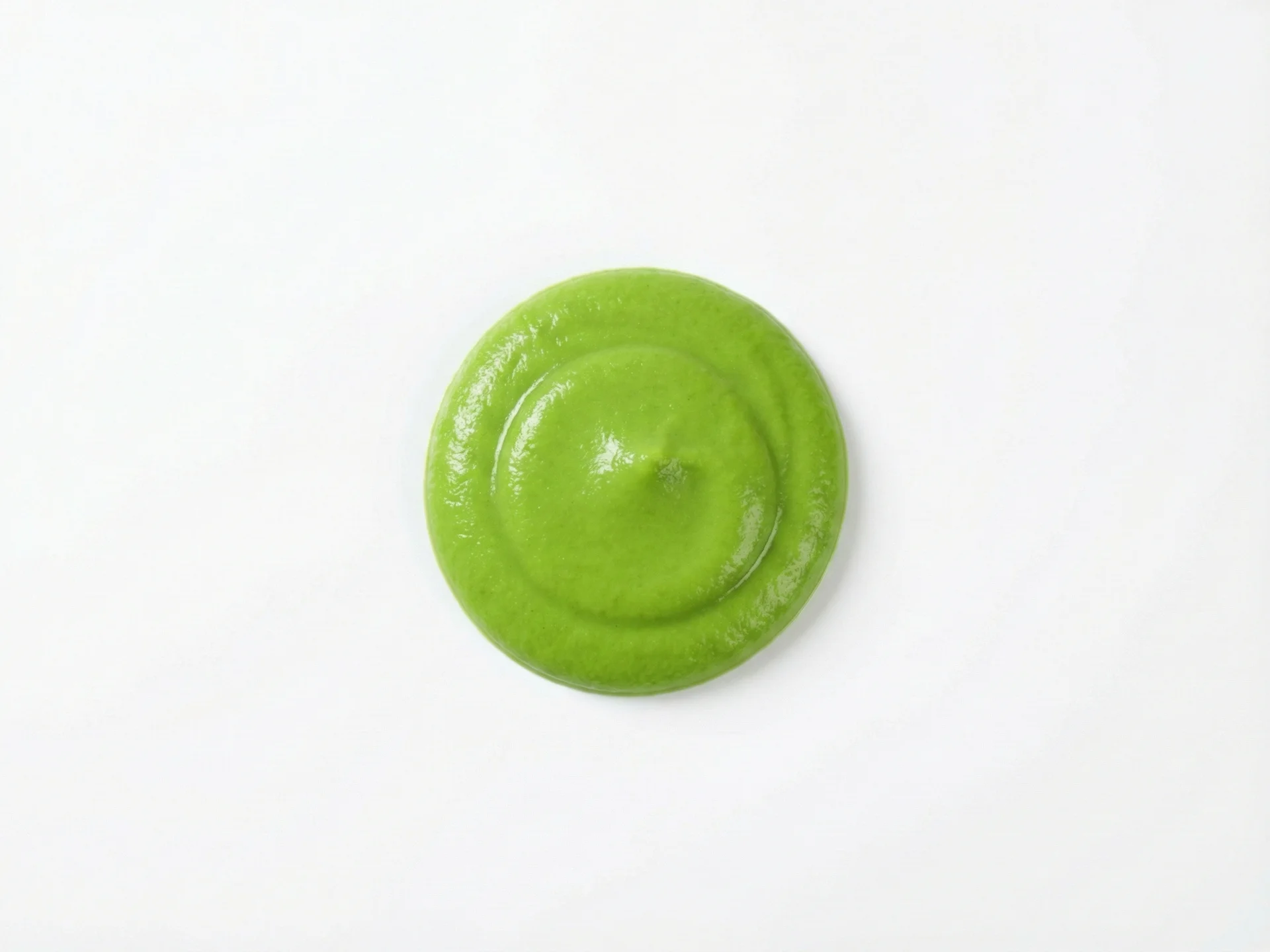
For babies 6-9 months, cook arugula until very soft by steaming or sautéing, then finely chop or blend it into a smooth puree. You can mix it with other foods like sweet potato or avocado to balance the flavor and texture.6 to 9 months

For babies 6-9 months, cook arugula until very soft by steaming or sautéing, then finely chop or blend it into a smooth puree. You can mix it with other foods like sweet potato or avocado to balance the flavor and texture.

  • Steam arugula for 3-5 minutes until wilted and tender.
  • Blend cooked arugula with breast milk, formula, or water for a smoother consistency.
  • Mix with mashed banana or avocado to soften the peppery taste.
  • Serve in small spoonfuls or let your baby self-feed with pre-loaded spoons.
  • Always test the temperature before offering to avoid burns.
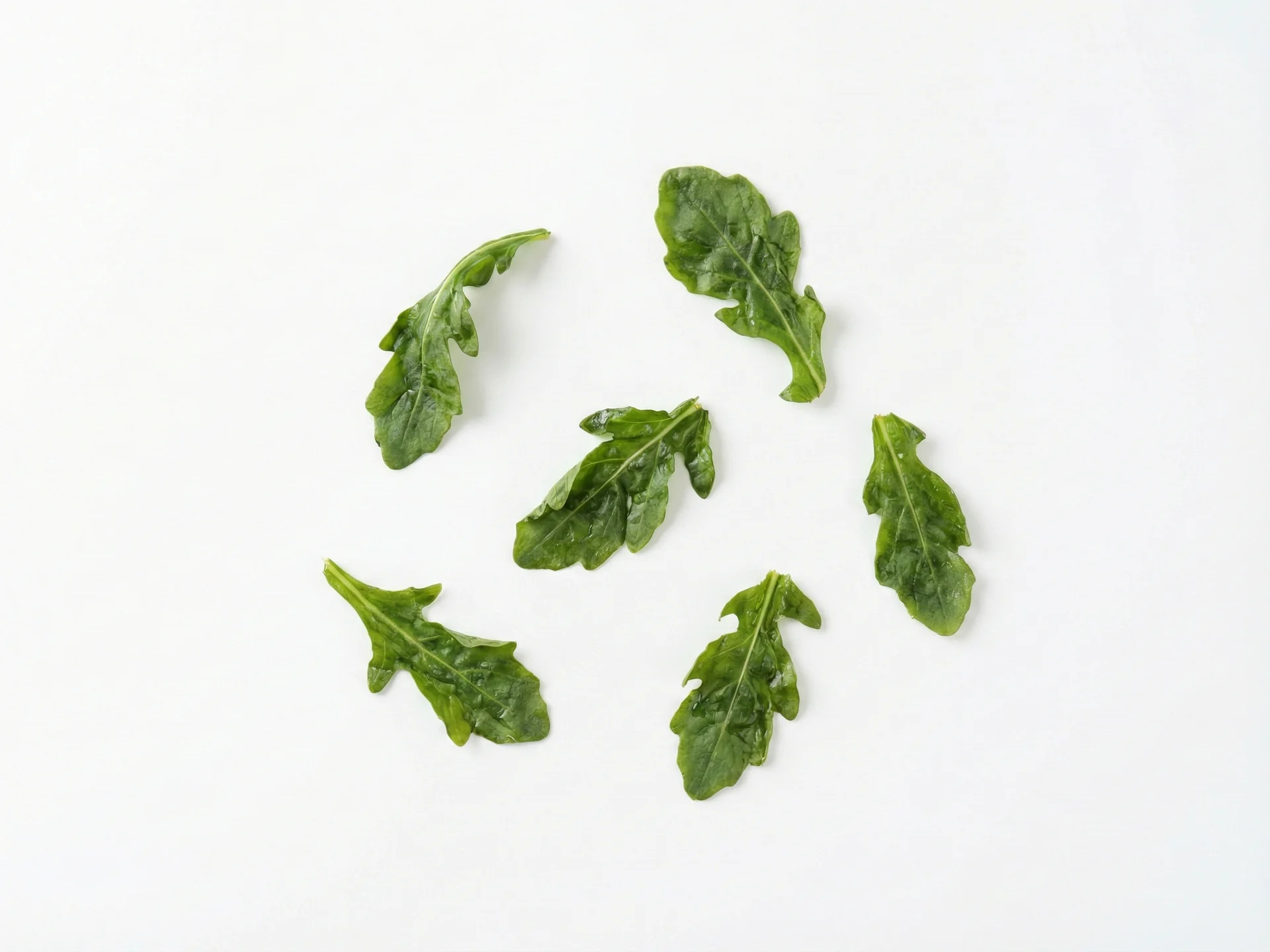
For babies 9-12 months, offer cooked arugula in small, soft pieces that they can pick up with their fingers. You can also mix it into dishes like omelets or pasta to encourage self-feeding and texture exploration.9 to 12 months

For babies 9-12 months, offer cooked arugula in small, soft pieces that they can pick up with their fingers. You can also mix it into dishes like omelets or pasta to encourage self-feeding and texture exploration.

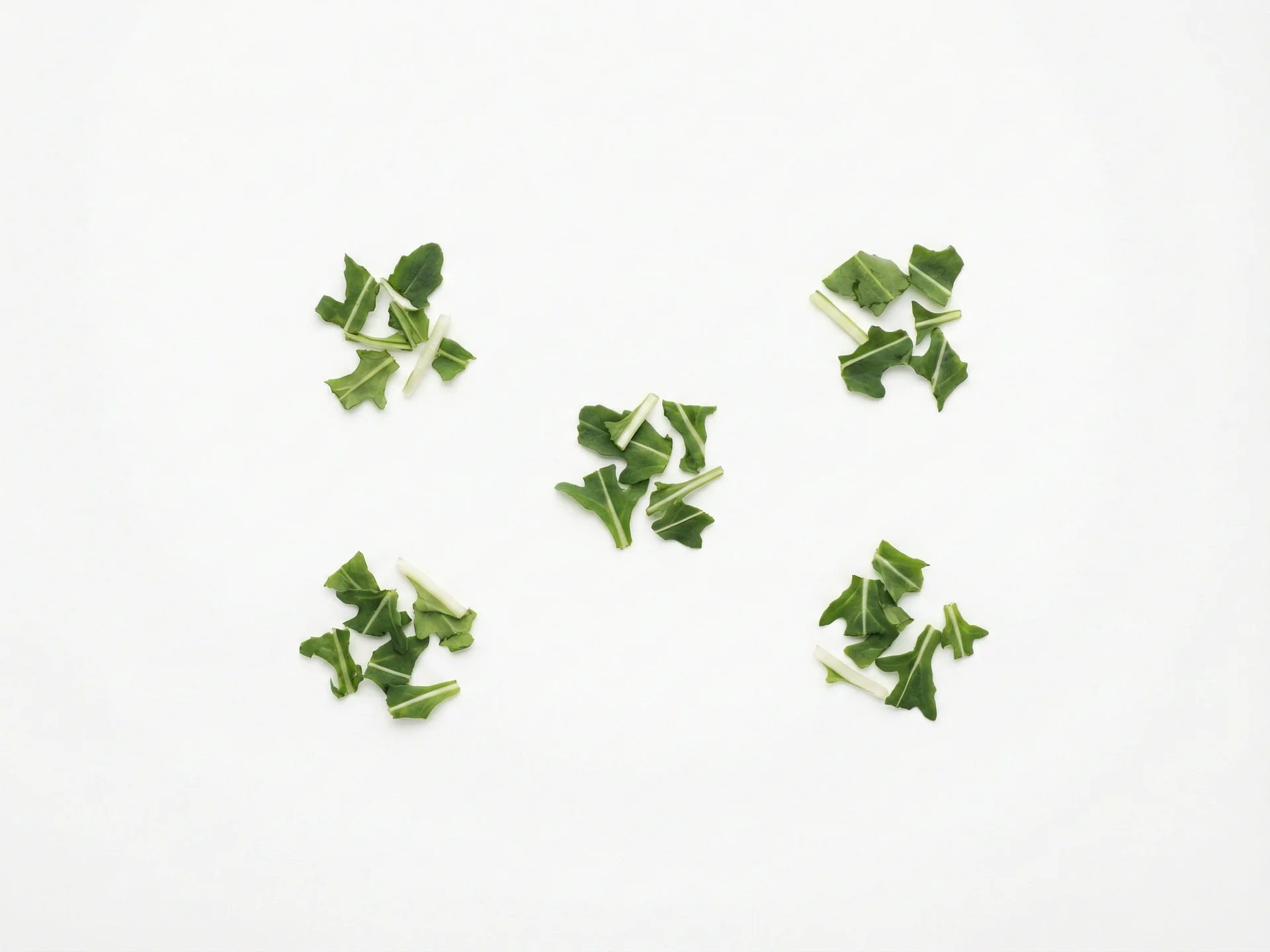
  • Chop cooked arugula into pea-sized pieces for easy grasping.
  • Add to scrambled eggs or soft cheese for a nutrient boost.
  • Mix into oatmeal or yogurt to introduce new flavors.
  • Offer as part of a balanced meal with proteins and carbs.
  • Encourage your baby to explore the texture by letting them touch and smell it first.
For toddlers 12 months and up, you can offer raw arugula finely chopped in salads or sandwiches, or cooked in family meals. This helps them develop chewing skills and enjoy a wider range of textures.12 months +

For toddlers 12 months and up, you can offer raw arugula finely chopped in salads or sandwiches, or cooked in family meals. This helps them develop chewing skills and enjoy a wider range of textures.

  • Finely chop raw arugula to reduce choking risk and mix into salads.
  • Use as a pizza topping or in wraps for fun, interactive meals.
  • Sauté with garlic and olive oil for added flavor in pasta dishes.
  • Encourage dipping arugula leaves into hummus or yogurt-based dips.
  • Involve your toddler in washing and preparing the greens to build interest.

Safety & allergens

Choking risk: Low

Arugula leaves can pose a choking risk if served whole to young babies. Always puree thoroughly for 6-9 month olds, and finely chop or shred for older babies. Mixing with other foods like avocado or yogurt can help create a safer texture.

Not a common allergen

Arugula is not a top allergen. As with any new food, offer it on its own and watch for any reaction.

Vitamins & minerals

Arugula provides Vitamin K which supports bone health and blood clotting1, and Vitamin A for healthy vision and immune function2. Its Vitamin C content helps your baby absorb iron from plant sources more effectively3, while the calcium and magnesium contribute to bone development4.

Vitamins
Vitamin KVitamin AVitamin CVitamin B9
Minerals
CalciumIronPotassiumMagnesium

Nutritional synergy

Pair arugula with iron-rich foods like lentils or beans, as the Vitamin C in arugula enhances iron absorption3. Combining with healthy fats like avocado or olive oil helps absorb fat-soluble vitamins A and K5.

Common questions

My baby makes a funny face when eating arugula. Does this mean they don't like it?

Babies often react to new flavors, especially peppery ones like arugula. It can take 10-15 exposures before they accept a new food. Try mixing small amounts with familiar foods like banana, sweet potato, or yogurt to help them adjust gradually.

Can I use baby arugula instead of regular arugula?

Yes, baby arugula has smaller, more tender leaves with a milder flavor that many babies prefer. It's perfect for purees and requires less chopping for older babies. Both varieties offer similar nutritional benefits.

How much arugula should I give my baby at first?

Start with just 1-2 teaspoons of pureed arugula mixed with other foods. Watch for any digestive changes or reactions, though allergies are uncommon. Gradually increase the amount as your baby becomes accustomed to the flavor.

Sources & references

  1. 1National Institutes of Health, Vitamin K Fact Sheet, 2021
  2. 2National Institutes of Health, Vitamin A Fact Sheet, 2021
  3. 3Lynch SR, Cook JD, 1980
  4. 4Weaver CM, 2013
  5. 5Borel P, 2003