FoodsFruitCranberry
Cranberry

Fruit

Cranberry

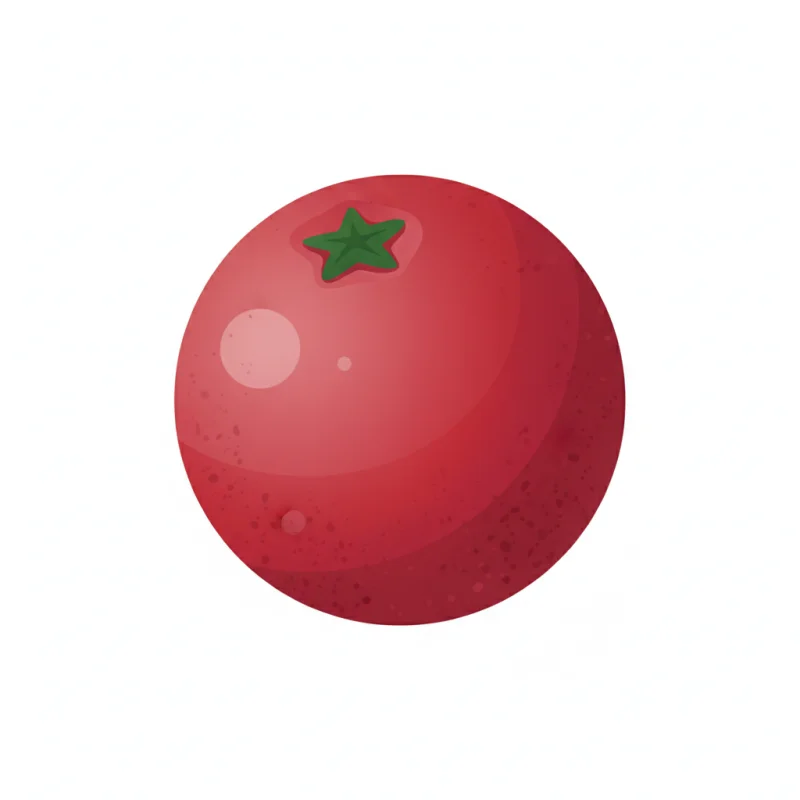
Cranberries are a tart, bright red fruit that can add a fun pop of color and flavor to your baby's meals. While they're naturally sour, their unique taste can help expand your baby's palate, and they're packed with nutrients that support healthy growth. They contain vitamin C, which is important for your baby's immune system and helps their body absorb iron from other foods.[3]

6m+Not a common allergenChoking risk: Low
First age6m+
CategoryFruit
Common allergenNo
Choking riskLow

When can babies eat Cranberry?

You can introduce cranberries around 6 months, when your baby starts solids. Since they're quite tart, mixing them with sweeter fruits like apples or pears can make them more appealing.

How to serve Cranberry by age

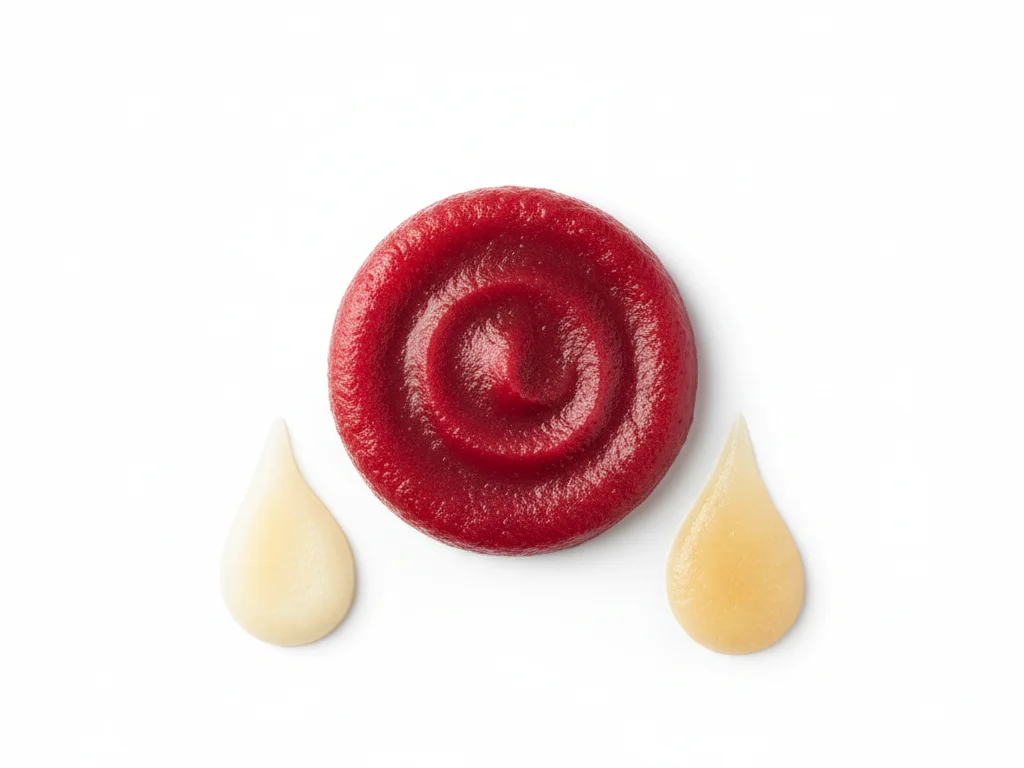
Cook cranberries until soft, then puree until completely smooth. You may want to strain the puree to remove any skins. Mix with a sweeter fruit puree like apple or pear to balance the tartness.
6 to 9 months

Cook cranberries until soft, then puree until completely smooth. You may want to strain the puree to remove any skins. Mix with a sweeter fruit puree like apple or pear to balance the tartness.

  • Always cook cranberries before pureeing.
  • Mix with sweeter fruits to improve acceptance.
  • Start with a small amount (1-2 teaspoons) mixed into familiar foods.
  • Freeze extra puree in ice cube trays for easy portions.
  • Avoid adding sugar or honey (honey is unsafe under 12 months).
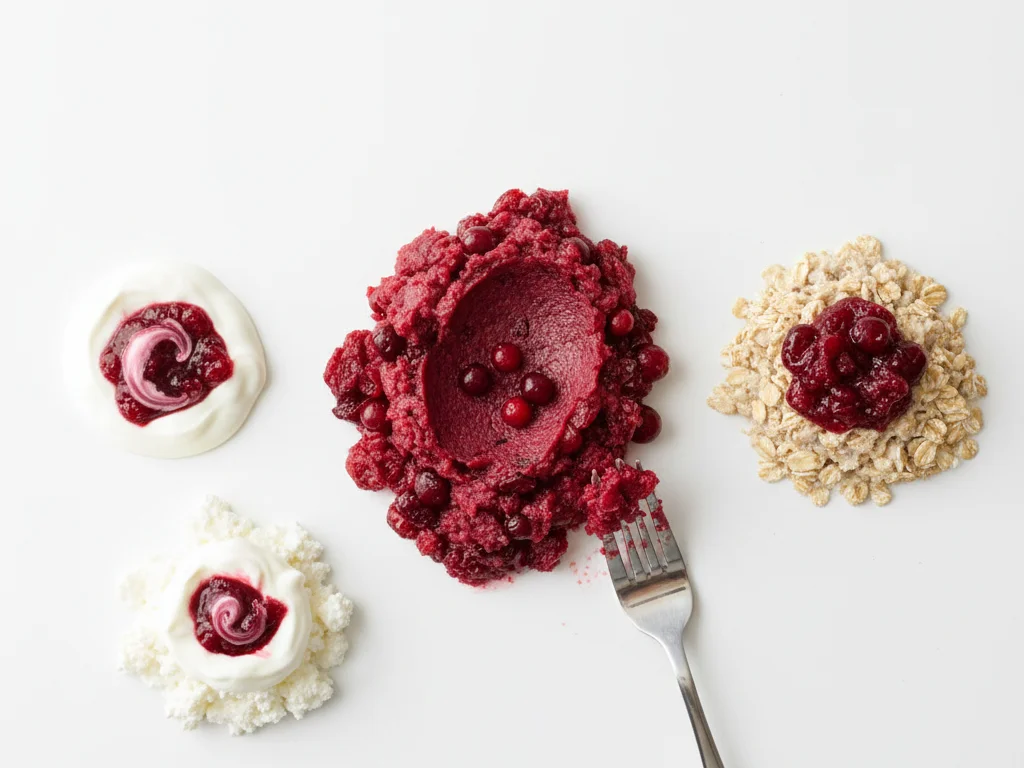
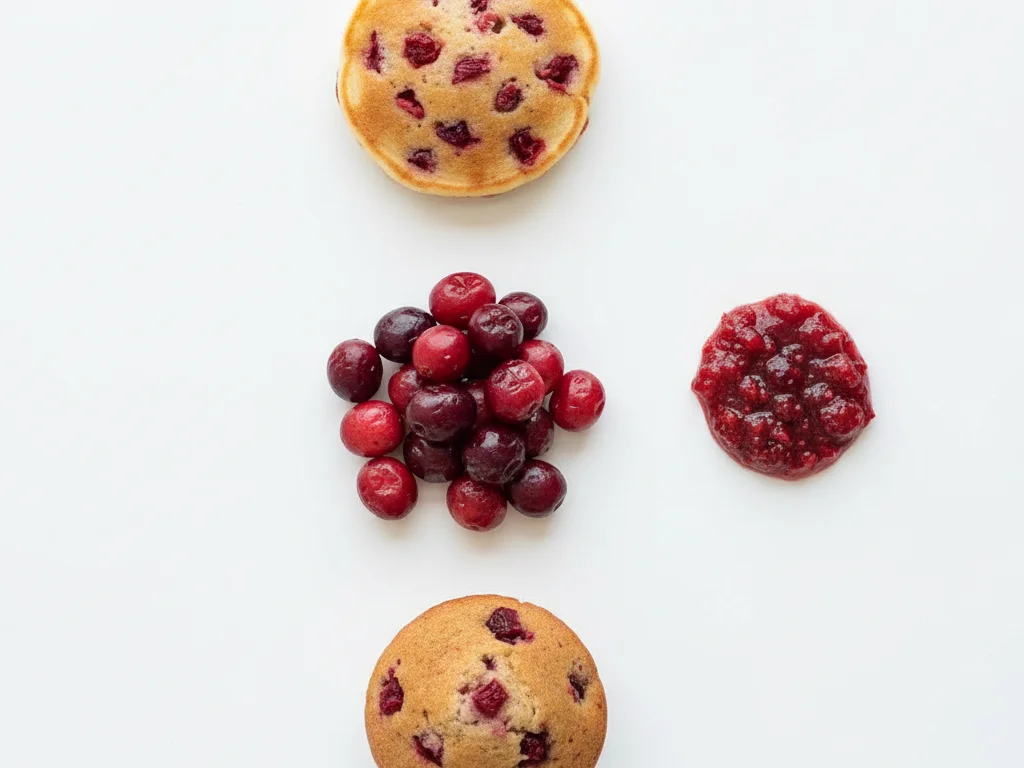
Cook cranberries until soft and mash them with a fork, leaving some texture. You can mix mashed cranberries into oatmeal, yogurt, or cottage cheese. Offer as a component in soft, combination meals.
9 to 12 months

Cook cranberries until soft and mash them with a fork, leaving some texture. You can mix mashed cranberries into oatmeal, yogurt, or cottage cheese. Offer as a component in soft, combination meals.

  • Mash cooked cranberries instead of pureeing for texture exposure.
  • Combine with soft foods like yogurt or cooked grains.
  • Monitor for any difficulty with the slightly textured mash.
  • Continue to avoid whole or raw cranberries.
  • Use as a flavoring in savory dishes like pureed chicken or lentils.
Offer cooked cranberries as a soft addition to meals. They can be mixed into pancakes, muffins (in small pieces), or served as a sauce with proteins. Ensure pieces are small and soft.
12 months +

Offer cooked cranberries as a soft addition to meals. They can be mixed into pancakes, muffins (in small pieces), or served as a sauce with proteins. Ensure pieces are small and soft.

  • Chop cooked cranberries into small, soft pieces.
  • Incorporate into toddler-friendly baked goods.
  • Use as a tart sauce for poultry or pork.
  • Encourage self-feeding with soft cranberry pieces mixed into other foods.
  • Still avoid hard, dried cranberries which can be a choking hazard.

Safety & allergens

Choking risk: Low

For babies, always serve cranberries cooked and mashed or pureed to a smooth consistency to prevent choking. Once your baby is older and has developed chewing skills, you can offer them as a soft, cooked component in other dishes, but avoid whole raw cranberries as they are firm and round.

Not a common allergen

Cranberry is not a top allergen. As with any new food, offer it on its own and watch for any reaction.

Vitamins & minerals

Cranberries provide vitamin C, which supports your baby's immune function and helps with iron absorption.[3] They also contain potassium, which is important for healthy muscle and heart function in infants.[2] With about 3.6g of fiber per 100g, they can help support healthy digestion.

Vitamins
Vitamin VITAMIN CVitamin VITAMIN E
Minerals
PotassiumManganese

Pairs well with