FoodsNutPine nuts
Pine nuts

Nut

Pine nuts

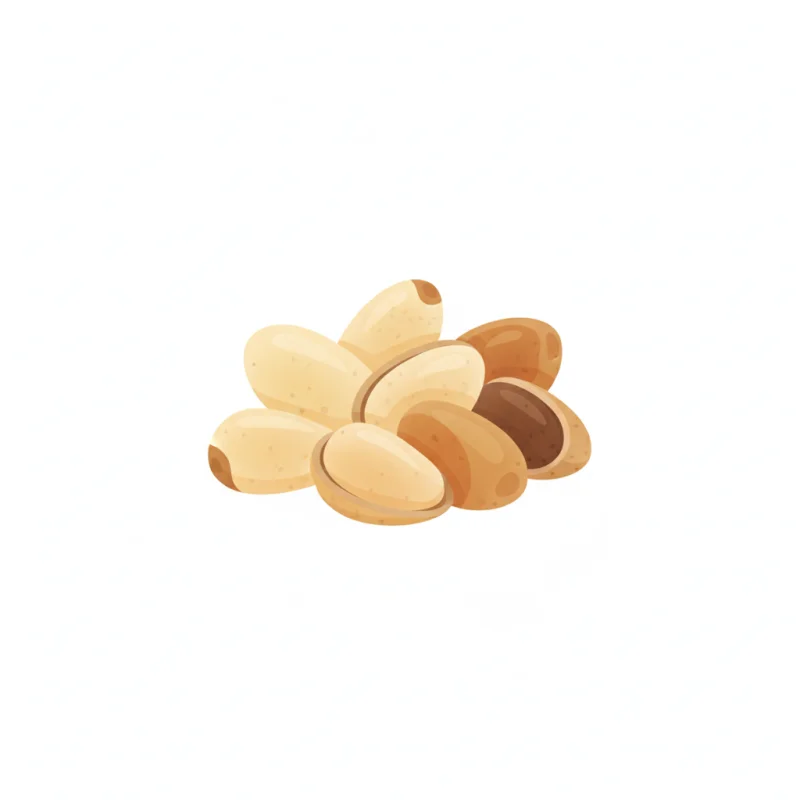
Pine nuts are tiny, buttery-flavored nuts that can add a delicious, creamy texture to your baby's meals. They're packed with healthy fats and essential nutrients that support your baby's brain development and overall growth.[1] Their mild, slightly sweet taste makes them a versatile addition to both sweet and savory dishes.

6m+Common allergenChoking risk: High
First age6m+
CategoryNut
Common allergenYes
Choking riskHigh

When can babies eat Pine nuts?

You can introduce pine nuts around 6 months when starting solids, but always serve them in a safe, age-appropriate form to minimize choking risk.

How to serve Pine nuts by age

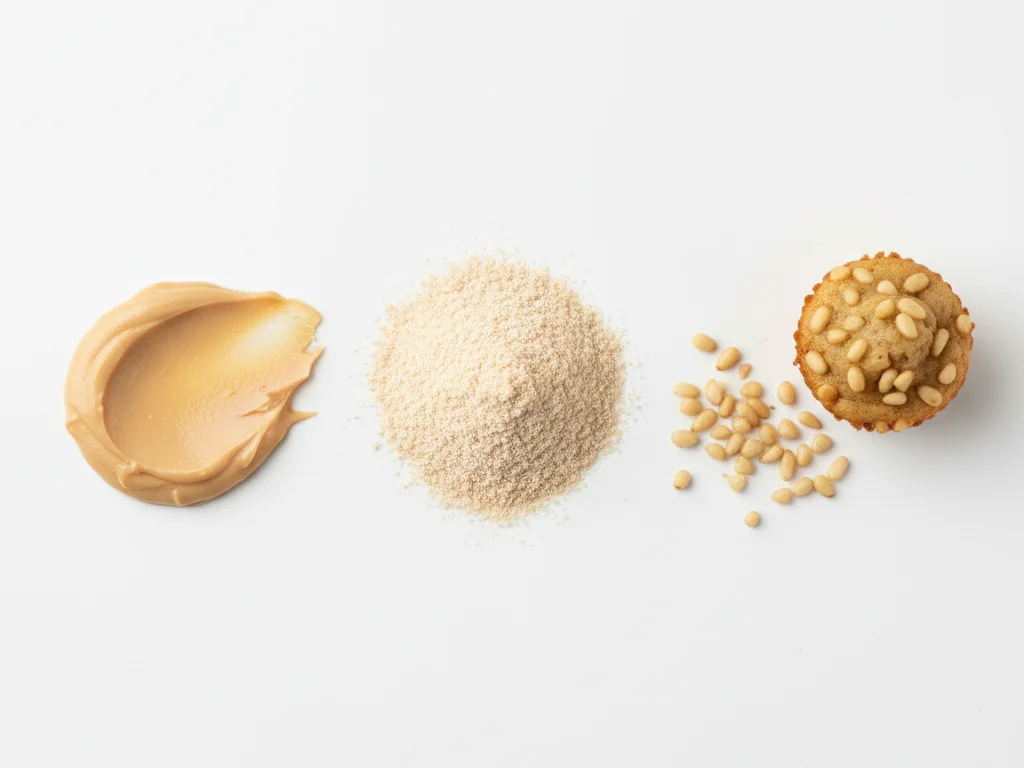
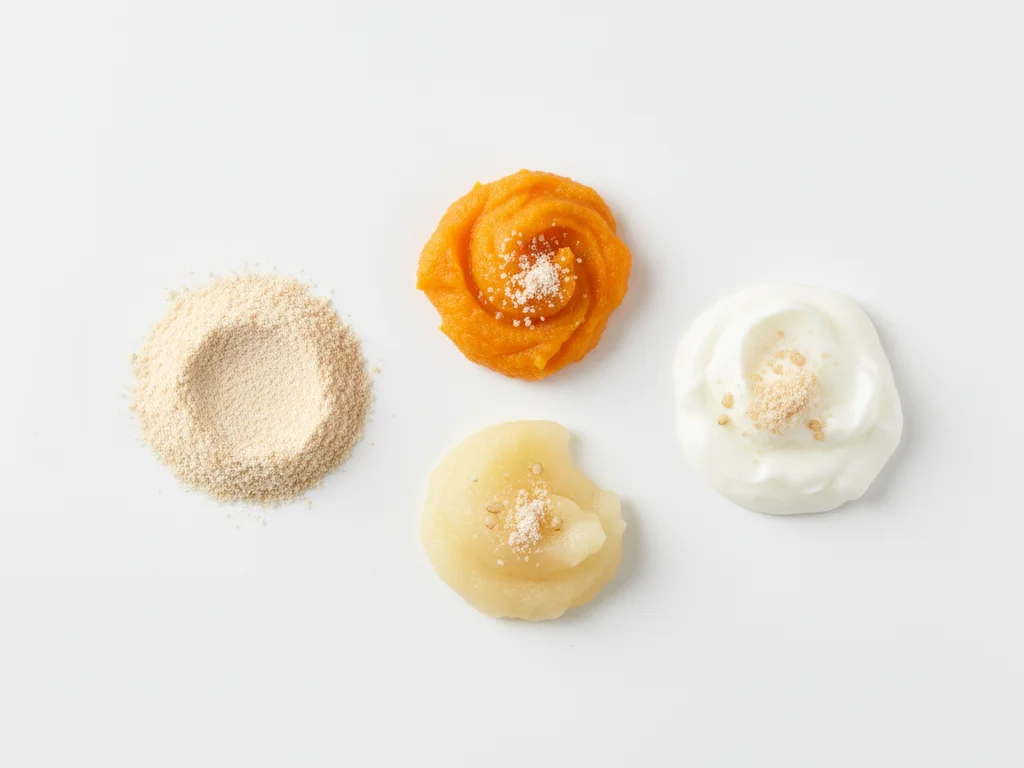
Grind pine nuts into a fine powder using a food processor or blender. Mix a small amount (1/4 teaspoon) into smooth purees like sweet potato, apple, or yogurt to introduce the flavor safely.
6 to 9 months

Grind pine nuts into a fine powder using a food processor or blender. Mix a small amount (1/4 teaspoon) into smooth purees like sweet potato, apple, or yogurt to introduce the flavor safely.

  • Always grind to a powder—no chunks.
  • Start with a tiny amount to check for allergies.
  • Mix into familiar foods to ease acceptance.
  • Store extra powder in the fridge for up to a week.
  • Toast lightly first for a nuttier flavor if desired.
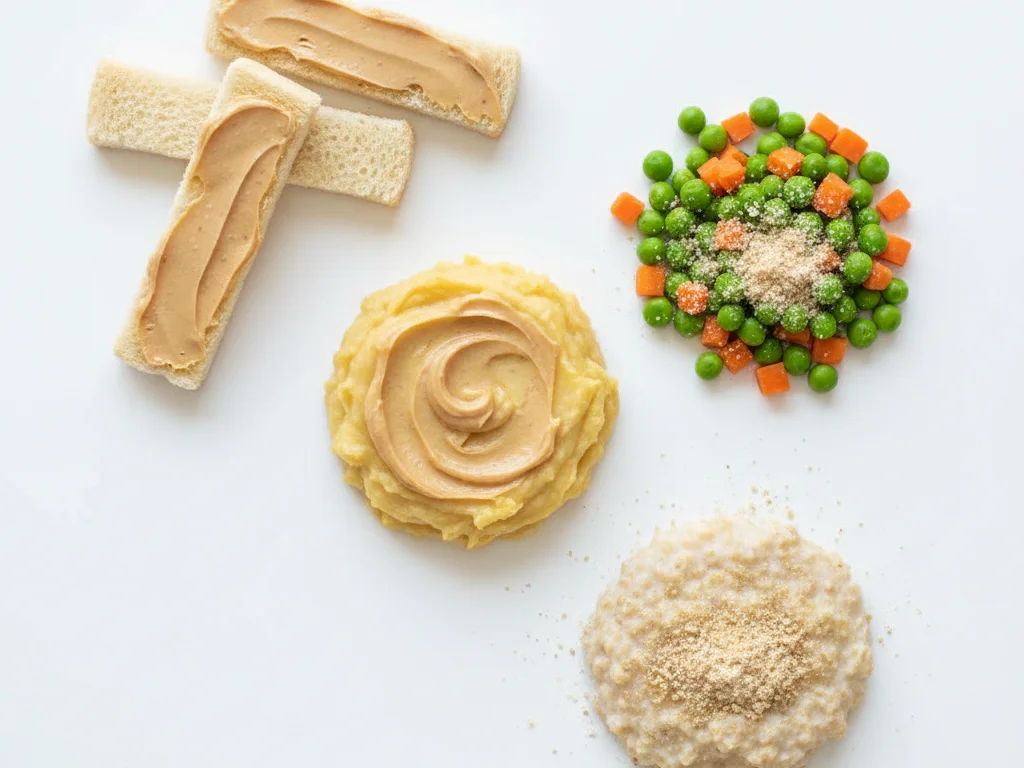
Use pine nut butter (homemade or store-bought with no added salt/sugar) spread thinly on soft toast fingers or mixed into thicker mashes. You can also sprinkle fine powder on soft-cooked vegetables or grains.
9 to 12 months

Use pine nut butter (homemade or store-bought with no added salt/sugar) spread thinly on soft toast fingers or mixed into thicker mashes. You can also sprinkle fine powder on soft-cooked vegetables or grains.

  • Thin nut butter with breast milk or water if too thick.
  • Spread very thinly to avoid globs.
  • Combine with fruits like banana for sweetness.
  • Monitor closely while eating.
  • Offer as part of a varied meal.
Continue using pine nut butter or powder in recipes. You can also finely chop and incorporate into baked goods like muffins or pancakes, ensuring pieces are tiny and well-cooked.
12 months +

Continue using pine nut butter or powder in recipes. You can also finely chop and incorporate into baked goods like muffins or pancakes, ensuring pieces are tiny and well-cooked.

  • Chop finely if adding to baked goods.
  • Use in pesto with basil and olive oil.
  • Mix into oatmeal or yogurt bowls.
  • Avoid whole nuts until at least age 4.
  • Experiment in family meals like pasta sauces.

Safety & allergens

Choking risk: High

Whole pine nuts are a high choking risk for babies due to their small, round shape and firm texture. Always grind them into a fine powder or butter, or blend them thoroughly into purees. Never serve whole or chopped pine nuts to babies under 4 years old.

Common allergen

Pine nuts are tree nuts, and tree nut allergies affect about 0.5-1% of children in the U.S.[2]

Vitamins & minerals

Pine nuts are rich in healthy monounsaturated fats that support brain development in babies.[1] They also provide magnesium for bone health and zinc for immune function.[4] The vitamin E in pine nuts acts as an antioxidant to protect cells.[5]

Vitamins
Vitamin VITAMIN EVitamin VITAMIN KVitamin VITAMIN B1Vitamin VITAMIN B2Vitamin VITAMIN B3
Minerals
MagnesiumZincIronPotassiumPhosphorus

Pairs well with