FoodsHerb / Spicecumin
cumin

Herb / Spice

cumin

Cumin is a warm, earthy spice that can add wonderful flavor to your baby's meals while providing nutritional benefits. It contains iron, which is important for healthy blood development in growing babies[1], and antioxidants that support overall health[2]. Its unique taste can help expand your baby's palate and make simple foods more interesting.

6m+Not a common allergenChoking risk: Low
First age6m+
CategoryHerb / Spice
Common allergenNo
Choking riskLow

When can babies eat cumin?

You can introduce cumin around 6 months when starting solids, but it's best used in very small amounts mixed into other foods rather than served alone.

How to serve cumin by age

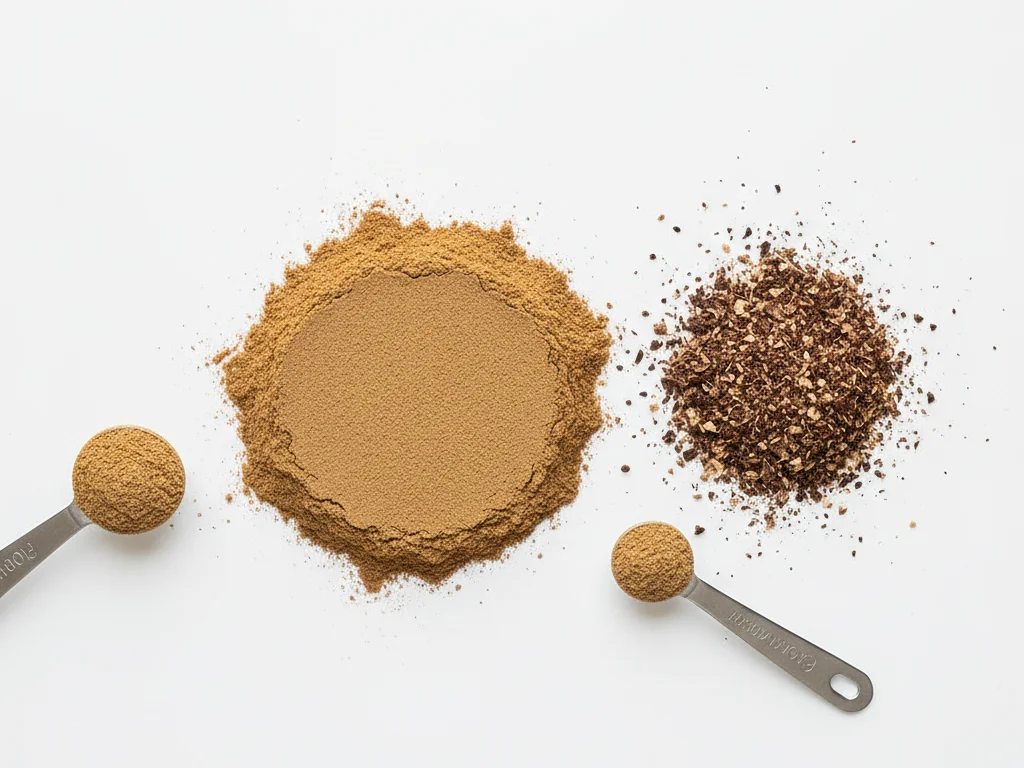
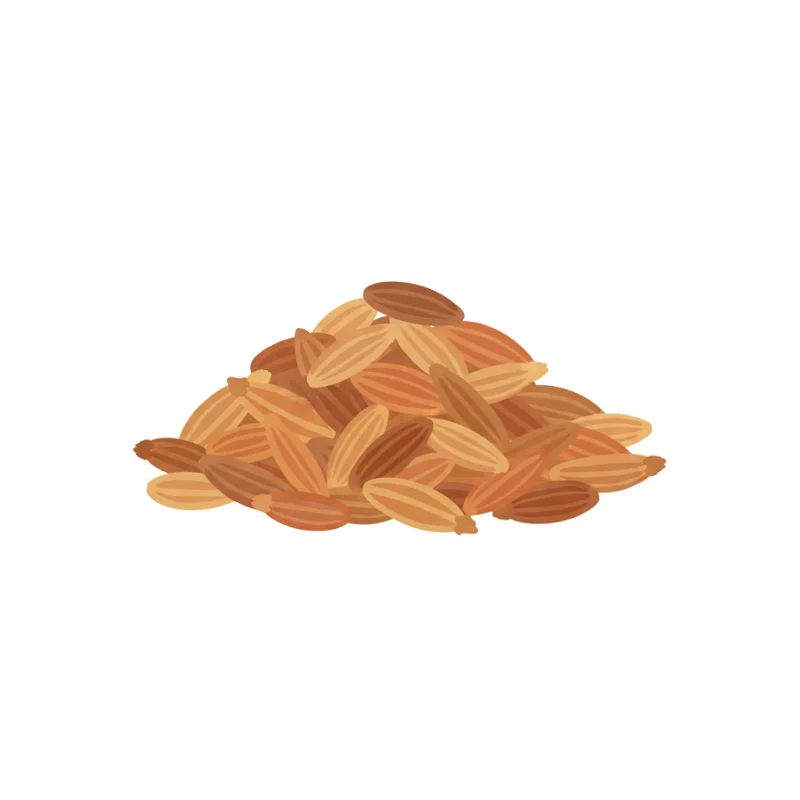
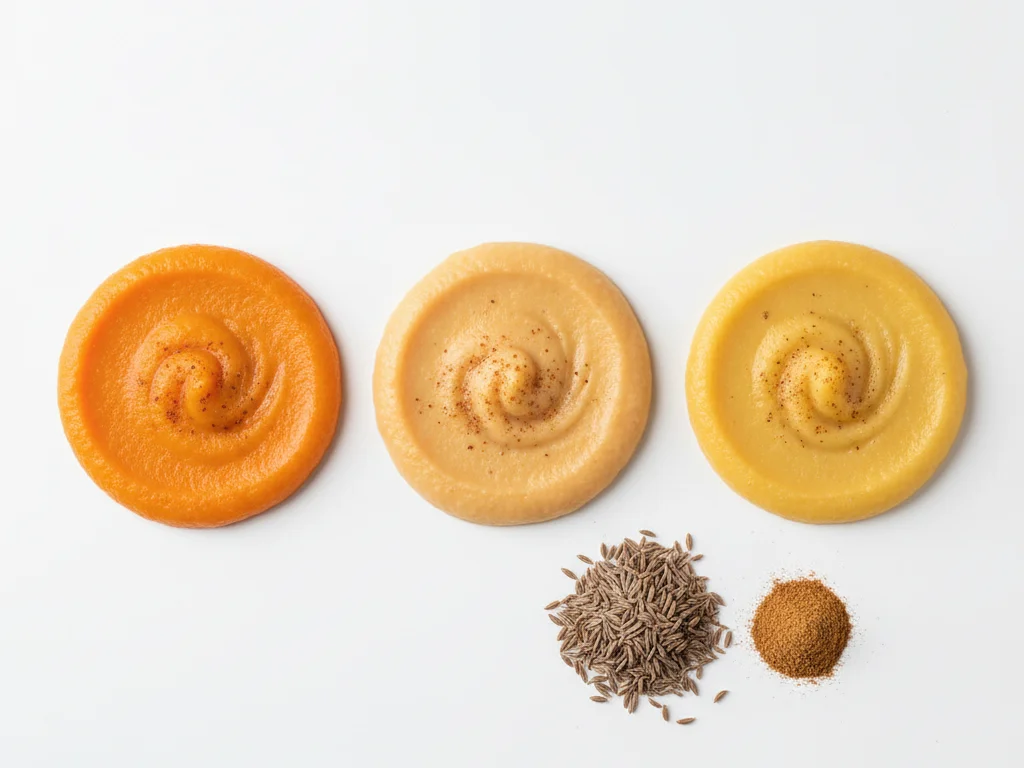
Use a tiny pinch of ground cumin (about ⅛ teaspoon) mixed thoroughly into smooth purees. You can toast whole cumin seeds lightly in a dry pan, then grind them into powder for fresher flavor. Mix into vegetable purees like carrot, sweet potato, or squash.
6 to 9 months

Use a tiny pinch of ground cumin (about ⅛ teaspoon) mixed thoroughly into smooth purees. You can toast whole cumin seeds lightly in a dry pan, then grind them into powder for fresher flavor. Mix into vegetable purees like carrot, sweet potato, or squash.

  • Start with just a pinch - cumin has a strong flavor
  • Mix thoroughly into 2-4 ounces of puree
  • Try with naturally sweet vegetables first
  • Toast seeds lightly before grinding for milder flavor
  • Store homemade cumin powder in airtight container
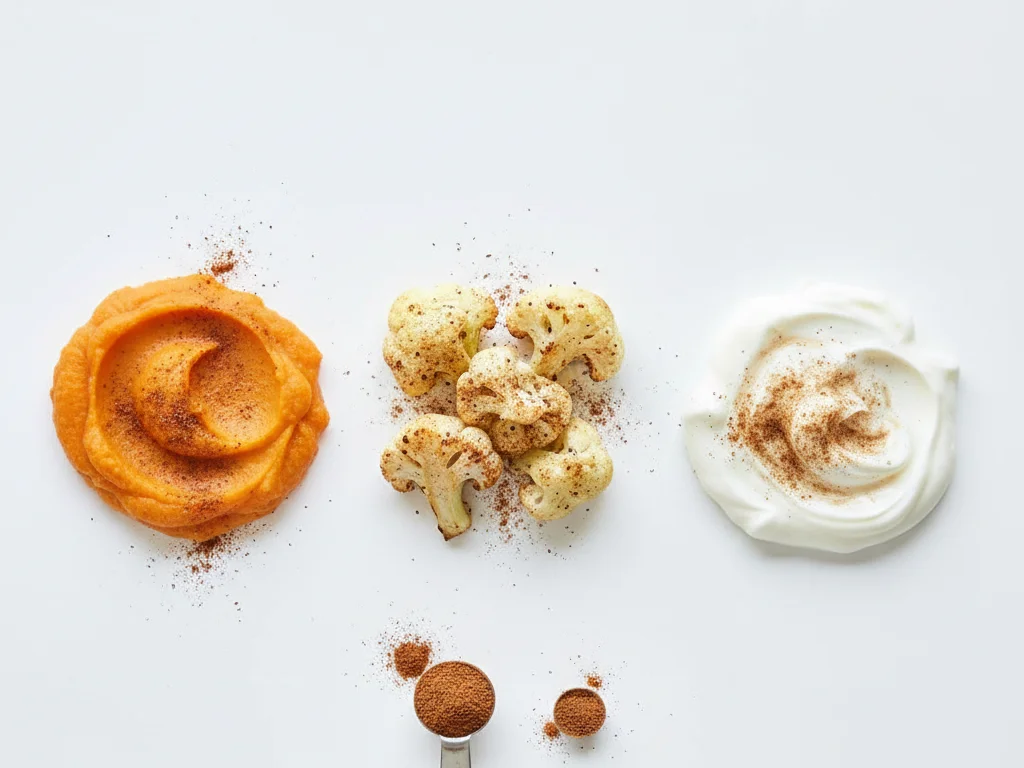
Increase to ¼ teaspoon ground cumin mixed into thicker purees, mashes, or soft finger foods. You can sprinkle a tiny amount on roasted vegetable pieces or mix into yogurt. Continue to avoid whole seeds.
9 to 12 months

Increase to ¼ teaspoon ground cumin mixed into thicker purees, mashes, or soft finger foods. You can sprinkle a tiny amount on roasted vegetable pieces or mix into yogurt. Continue to avoid whole seeds.

  • Mix into yogurt or cottage cheese
  • Sprinkle on roasted vegetable pieces
  • Add to lentil or bean mashes
  • Combine with mild spices like coriander
  • Use in homemade meatballs or patties
Use up to ½ teaspoon in family meals that your toddler can share. Cumin works well in soups, stews, rice dishes, and meat preparations. You can still use ground cumin or very finely crushed seeds.
12 months +

Use up to ½ teaspoon in family meals that your toddler can share. Cumin works well in soups, stews, rice dishes, and meat preparations. You can still use ground cumin or very finely crushed seeds.

  • Add to family soups and stews
  • Use in rice or grain dishes
  • Mix into ground meat for patties
  • Combine with other toddler-friendly spices
  • Make cumin-infused oils for cooking

Safety & allergens

Choking risk: Low

Cumin is typically used in powdered form or as tiny seeds that dissolve easily when cooked. Always mix cumin thoroughly into purees or soft foods. Never serve whole cumin seeds to babies as they could pose a choking hazard if not properly chewed.

Not a common allergen

cumin is not a top allergen. As with any new food, offer it on its own and watch for any reaction.

Vitamins & minerals

Cumin provides iron, which helps prevent anemia and supports healthy blood development in babies[1]. It also contains antioxidants that may help protect cells from damage[2], and small amounts of calcium and magnesium for bone health[3]. The fiber in cumin can support healthy digestion[4].

Vitamins
Vitamin VITAMIN AVitamin VITAMIN CVitamin VITAMIN EVitamin VITAMIN KVitamin VITAMIN B1Vitamin VITAMIN B2Vitamin VITAMIN B3Vitamin VITAMIN B6
Minerals
IronCalciumMagnesiumPotassiumPhosphorusZincCopperManganese

Pairs well with