FoodsVegetableKohlrabi
Kohlrabi

Vegetable

Kohlrabi

Kohlrabi is a unique, mild-flavored vegetable that's perfect for introducing babies to new tastes and textures. Its crisp, slightly sweet flesh is packed with nutrients that support your baby's growth and development, making it a wonderful addition to their early meals. Think of it as a friendly gateway veggie that's both nutritious and easy to prepare.

6m+Not a common allergenChoking risk: Low
First age6m+
CategoryVegetable
Common allergenNo
Choking riskLow

When can babies eat Kohlrabi?

You can introduce kohlrabi around 6 months when your baby starts solids, as it's gentle on little tummies and easy to mash or puree.

How to serve Kohlrabi by age

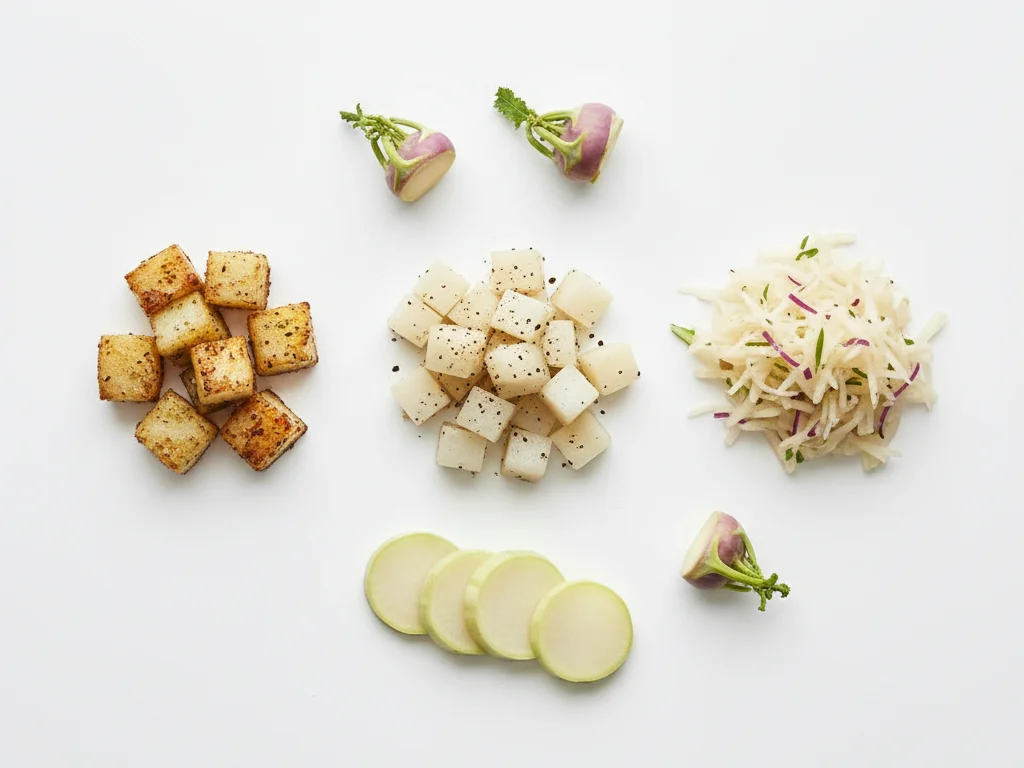
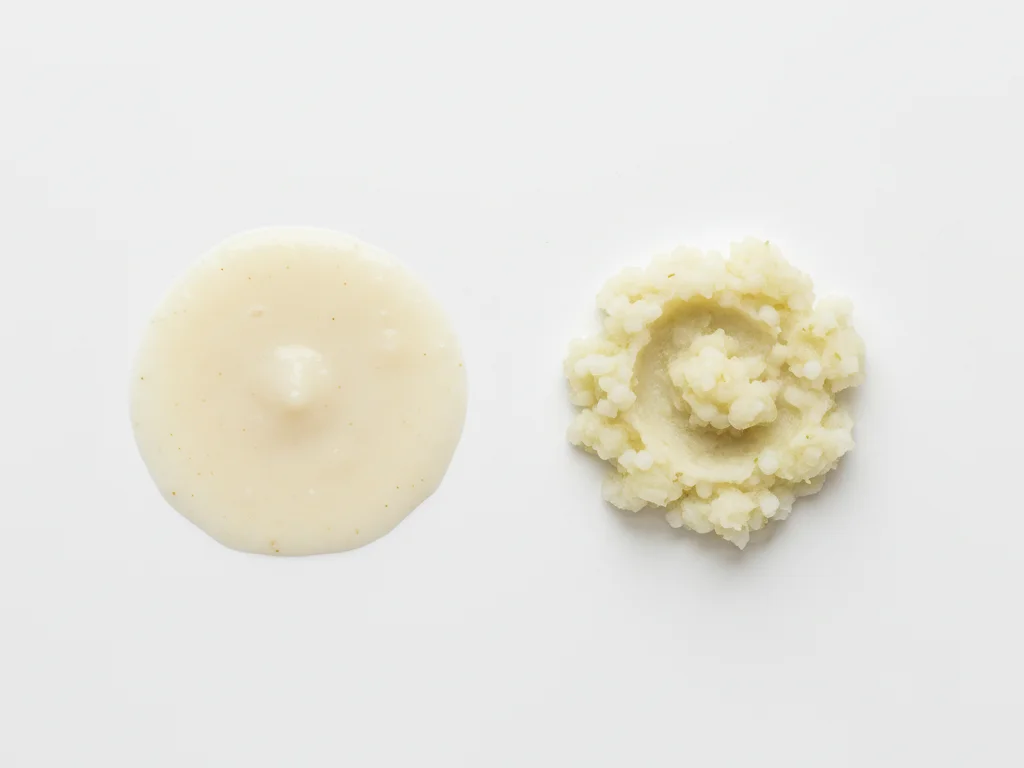
Peel the kohlrabi bulb thoroughly to remove the tough outer skin. Steam or boil until very soft (about 10-15 minutes), then puree until smooth with a little breast milk, formula, or water to reach a thin, soupy consistency. You can also mash it well for babies ready for thicker textures.
6 to 9 months

Peel the kohlrabi bulb thoroughly to remove the tough outer skin. Steam or boil until very soft (about 10-15 minutes), then puree until smooth with a little breast milk, formula, or water to reach a thin, soupy consistency. You can also mash it well for babies ready for thicker textures.

  • Always peel completely as the skin is tough and fibrous.
  • Steam instead of boil to preserve more nutrients.
  • Mix with sweet potato or apple puree if your baby prefers sweeter flavors.
  • Start with 1-2 teaspoons and gradually increase.
  • Discard any stringy parts after cooking.
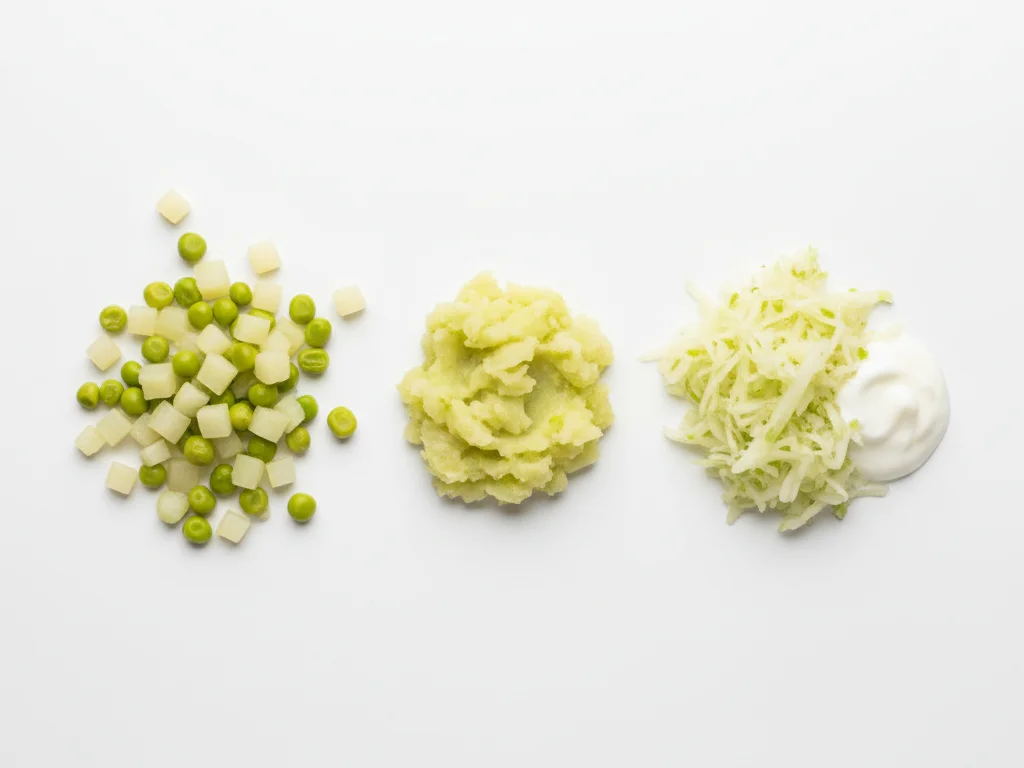
Cook kohlrabi until soft but not mushy, then cut into small, pea-sized pieces or mash with a fork for lumpier textures. You can also grate it finely and mix into oatmeal or yogurt. Offer as finger food in safe, soft pieces that your baby can pick up.
9 to 12 months

Cook kohlrabi until soft but not mushy, then cut into small, pea-sized pieces or mash with a fork for lumpier textures. You can also grate it finely and mix into oatmeal or yogurt. Offer as finger food in safe, soft pieces that your baby can pick up.

  • Cut into pieces no larger than a pea to prevent choking.
  • Roast with a little olive oil for enhanced sweetness.
  • Combine with cooked quinoa or rice for texture variety.
  • Let your baby practice self-feeding with soft pieces.
  • Monitor closely as they explore new textures.
Serve cooked kohlrabi in various ways: diced in soups, roasted as a side dish, or shredded in salads. You can also offer thin, cooked slices as finger food. At this age, toddlers can handle more texture and flavor combinations.
12 months +

Serve cooked kohlrabi in various ways: diced in soups, roasted as a side dish, or shredded in salads. You can also offer thin, cooked slices as finger food. At this age, toddlers can handle more texture and flavor combinations.

  • Try roasting with carrots and parsnips for a tasty medley.
  • Add to mashed potatoes for extra nutrients.
  • Use in homemade veggie patties or fritters.
  • Involve your toddler in washing or peeling (with supervision).
  • Keep portions small and pair with familiar foods.

Safety & allergens

Choking risk: Low

Kohlrabi has a low choking risk when prepared appropriately for your baby's age. Always cook until soft for younger babies and cut into safe sizes—avoid raw, hard pieces or large chunks that could pose a hazard. Supervise your baby closely during meals to ensure safe eating.

Not a common allergen

Kohlrabi is not a top allergen. As with any new food, offer it on its own and watch for any reaction.

Vitamins & minerals

Kohlrabi is a nutrient-rich vegetable that offers several benefits for your baby. It's an excellent source of vitamin C, which supports immune function and helps with iron absorption.[4][5] With 350 mg of potassium per 100g, it contributes to healthy fluid balance and muscle function.[2][3] It also provides dietary fiber (3.6g per 100g) for digestive health and contains smaller amounts of other vitamins and minerals.

Vitamins
Vitamin VITAMIN CVitamin VITAMIN B6Vitamin FOLATE
Minerals
PotassiumMagnesiumCalcium

Pairs well with