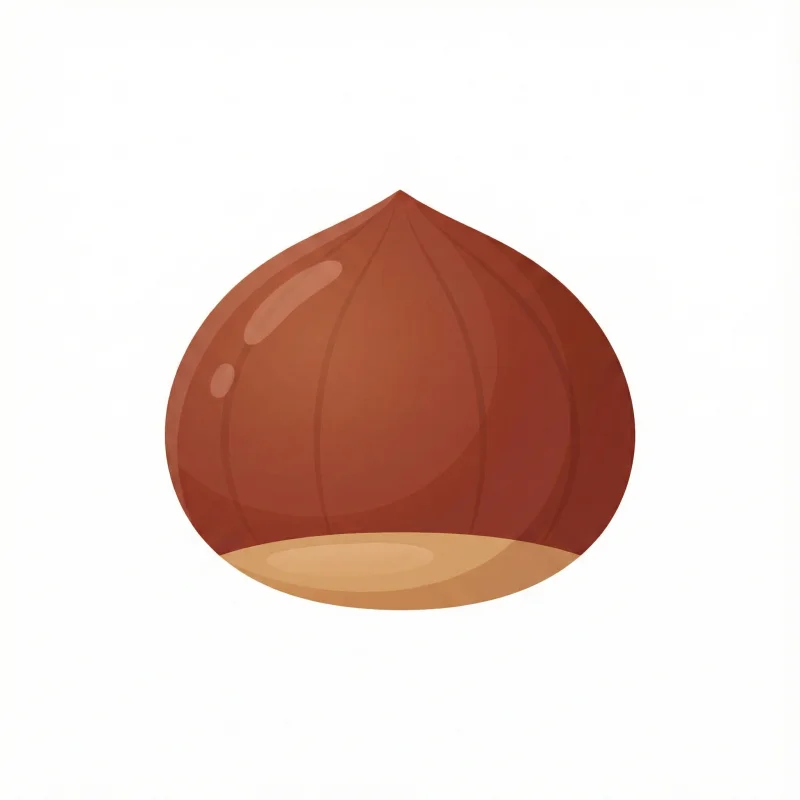
Chestnut

Nut

Chestnut

Chestnuts are a wonderful first nut to introduce to your baby because they have a naturally sweet, mild flavor and a soft, starchy texture when cooked, making them easy for little ones to enjoy. Unlike many other nuts, they're low in fat and packed with nutrients that support your baby's growth and development.1 They're also a great source of energy and fiber, which can help keep your baby's digestive system running smoothly.2

PPippin Feeding TeamReviewed by feeding specialists · Updated March 2026
First age6m+
CategoryNut
Common allergenNo
Choking riskMedium

When can babies eat Chestnut?

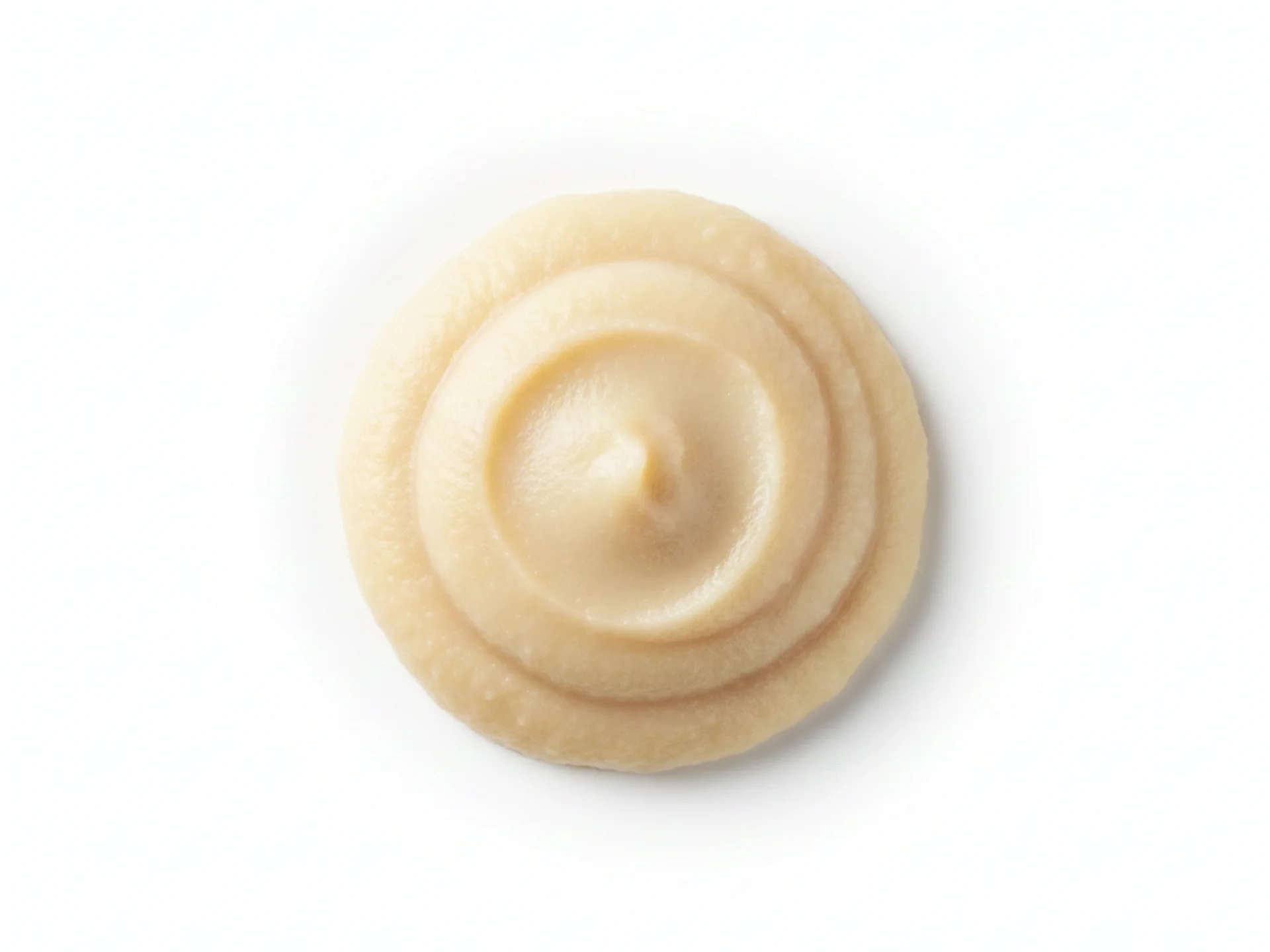
You can introduce cooked, pureed chestnuts as early as 6 months when starting solids, as long as they're prepared safely to avoid choking hazards.

Storage tip

Store fresh, uncooked chestnuts in a breathable bag in the refrigerator for up to 2 weeks. Cooked chestnut puree can be frozen in ice cube trays for up to 2 months for easy portioning.

How to serve Chestnut by age

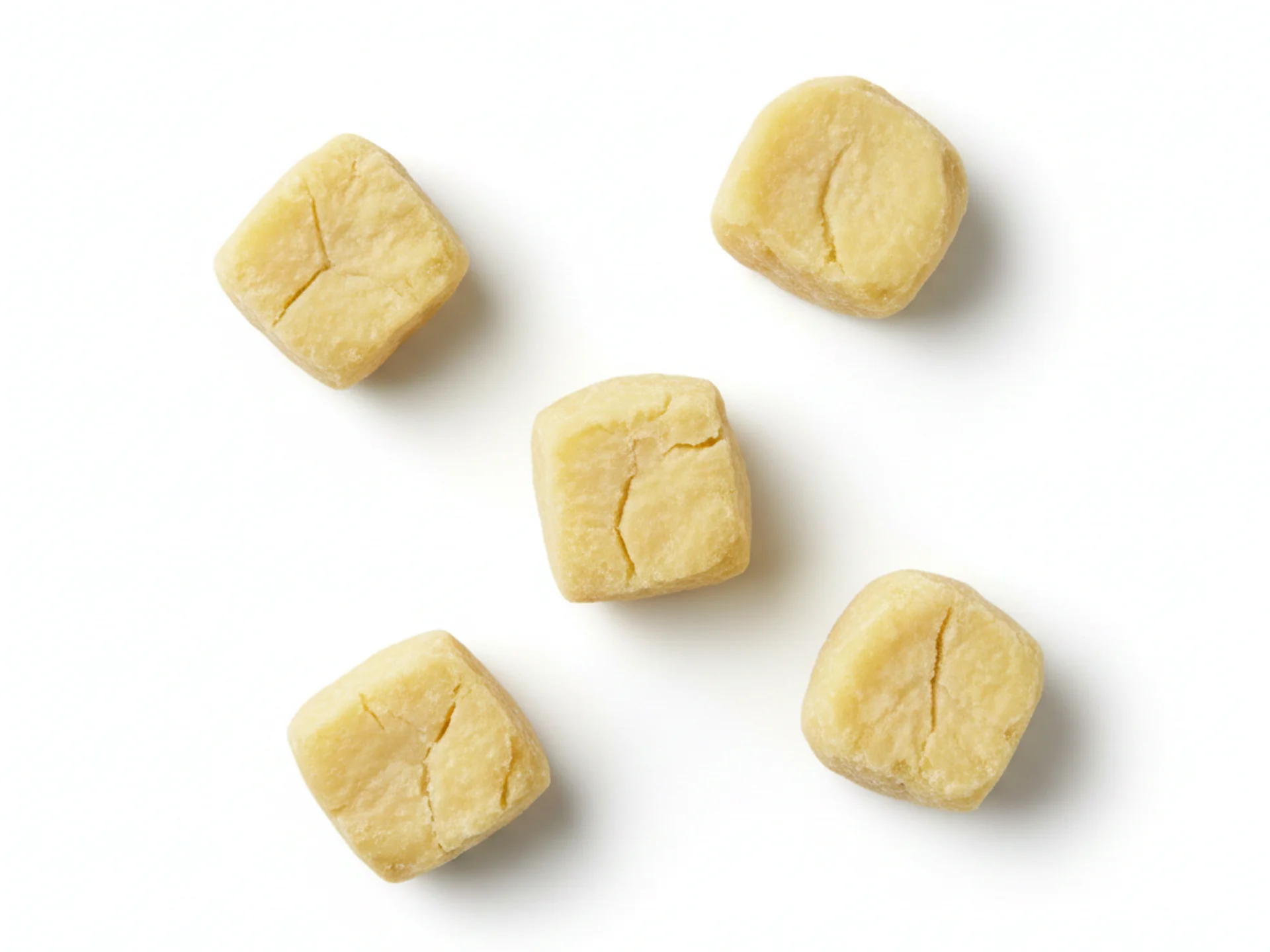
For babies 12-18 months, cook chestnuts until very soft, then mash or puree them to a smooth consistency. You can mix them into oatmeal, yogurt, or vegetable purees to add flavor and nutrients. Ensure there are no hard pieces to prevent choking.12 to 18 months

For babies 12-18 months, cook chestnuts until very soft, then mash or puree them to a smooth consistency. You can mix them into oatmeal, yogurt, or vegetable purees to add flavor and nutrients. Ensure there are no hard pieces to prevent choking.

  • Boil or steam chestnuts for 20-30 minutes until tender
  • Remove all shell and skin before mashing
  • Mix with breast milk or formula for a thinner puree
  • Offer small spoonfuls to let your baby explore
  • Avoid adding salt or sugar
For toddlers 18 months and up, cook chestnuts until soft and cut into small, bite-sized pieces. You can also incorporate them into dishes like soups, stews, or baked goods. Encourage self-feeding with safe, manageable pieces.18 months +

For toddlers 18 months and up, cook chestnuts until soft and cut into small, bite-sized pieces. You can also incorporate them into dishes like soups, stews, or baked goods. Encourage self-feeding with safe, manageable pieces.

  • Roast chestnuts for a sweeter flavor, then chop finely
  • Add to mashed potatoes or rice dishes for texture
  • Use in homemade muffins or pancakes for variety
  • Supervise closely during meals to ensure safe chewing
  • Store leftovers in the fridge for quick snacks

Safety & allergens

Choking risk: Medium

Whole chestnuts are a choking hazard for babies due to their firm, round shape. Always cook chestnuts until very soft and mash or puree them thoroughly for younger babies. For older babies, you can offer small, soft pieces, but avoid giving whole nuts until your child is at least 4 years old and can chew well.

Not a common allergen

Chestnut is not a top allergen. As with any new food, offer it on its own and watch for any reaction.

Vitamins & minerals

Chestnuts provide a good amount of vitamin C, which supports your baby's immune system and helps their body absorb iron from other foods.3 They're also rich in B vitamins like B6 and folate (B9), which are important for brain development and energy metabolism.4 The potassium and magnesium in chestnuts contribute to healthy muscle and nerve function.5

Vitamins
Vitamin CVitamin B6Vitamin B1Vitamin B2Vitamin B9
Minerals
PotassiumMagnesiumCopperManganesePhosphorus

Nutritional synergy

Pair chestnuts with iron-rich foods like spinach or lentils, as the vitamin C in chestnuts helps enhance iron absorption, which is important for preventing anemia in babies.6

Common questions

How do I cook chestnuts for my baby?

The safest way is to roast or boil them until very soft (about 20-30 minutes), then peel off the tough outer shell and inner skin. Mash or puree the soft flesh with a little breast milk, formula, or water until smooth for younger babies.

Can I use canned or jarred chestnuts?

Yes, plain, unsweetened canned or jarred chestnuts (often labeled as 'chestnut puree' or 'whole cooked chestnuts') are a convenient option. Just check the label to ensure they don't contain added salt, sugar, or preservatives, which aren't recommended for babies.

What if my baby seems gassy or constipated after eating chestnuts?

Chestnuts are high in fiber, which can sometimes cause gas or changes in bowel movements as your baby's digestive system adjusts. Start with small amounts (1-2 teaspoons) and gradually increase. If symptoms persist or concern you, consult your pediatrician.

Sources & references

  1. 1USDA FoodData Central, 2024
  2. 2Slavin & Carlson, 2014
  3. 3Carr & Maggini, 2017
  4. 4Kennedy, 2016
  5. 5Volpe, 2013
  6. 6Lynch, 2011